10 Best Herbal Juices For Heartburn
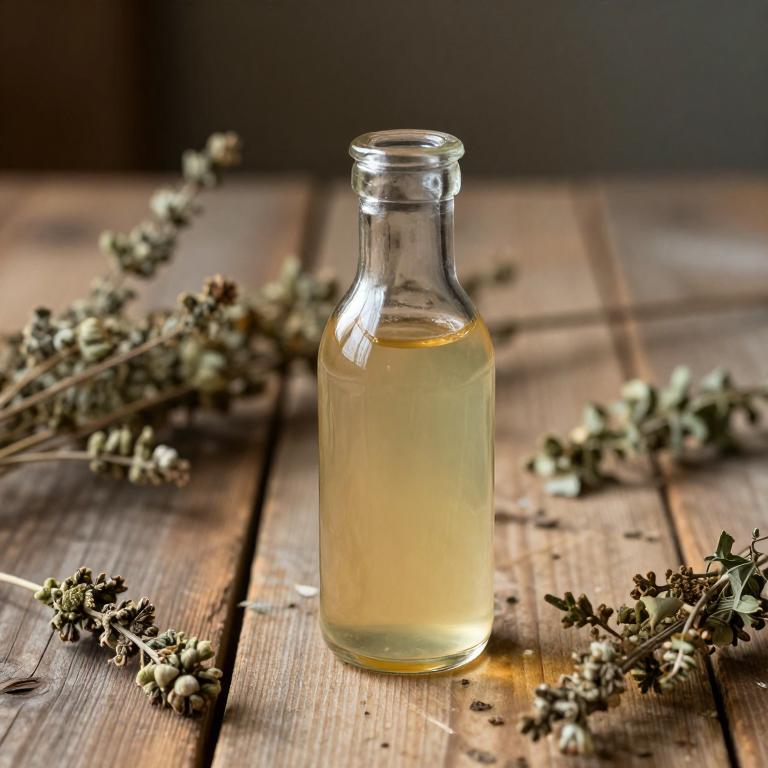
Herbal juices can be a natural and effective way to manage heartburn by soothing the digestive system and reducing acid reflux.
Ingredients like ginger, fennel, and licorice root are commonly used in herbal juices due to their anti-inflammatory and antacid properties. These juices help neutralize stomach acid and promote the production of protective mucus in the stomach lining. Drinking herbal juices regularly may also aid in improving digestion and reducing the frequency of heartburn episodes.
However, it's important to consult a healthcare professional before incorporating herbal remedies into your routine, especially if you have underlying health conditions.
Table of Contents
- 1. Licorice (Glycyrrhiza glabra)
- 2. Ginger (Zingiber officinale)
- 3. Thistle (Silybum marianum)
- 4. Chamomile (Matricaria chamomilla)
- 5. Cumin (Cuminum cyminum)
- 6. Fennel (Foeniculum vulgare)
- 7. Common grape (Vitis vinifera)
- 8. Stinging nettle (Urtica dioica)
- 9. Dog rose (Rosa canina)
- 10. Peppermint (Mentha piperita)
1. Licorice (Glycyrrhiza glabra)
Glycyrrhiza glabra, commonly known as licorice root, has been traditionally used to soothe digestive issues, including heartburn.
The herbal juice derived from this plant contains compounds like glycyrrhizin, which may help reduce inflammation in the esophagus and stomach lining. It works by neutralizing stomach acid and protecting the mucous membranes, potentially offering relief from symptoms of acid reflux. However, long-term use of licorice root juice can lead to side effects such as increased blood pressure due to its effect on the body's sodium and potassium balance.
As a result, it is often recommended to use licorice-based remedies under the guidance of a healthcare professional, especially for individuals with pre-existing health conditions.
2. Ginger (Zingiber officinale)
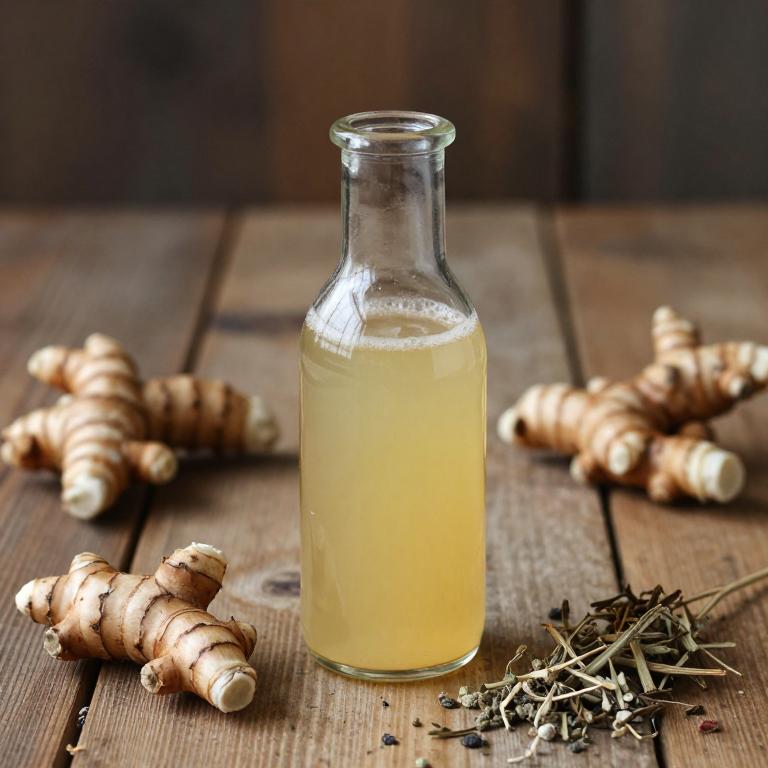
Zingiber officinale, commonly known as ginger, has been widely used for its medicinal properties, including its potential to alleviate heartburn.
Ginger contains compounds like gingerol and shogaol, which have anti-inflammatory and antacid effects that may help reduce stomach acid and soothe the digestive tract. When consumed as a herbal juice, ginger can provide a natural remedy for occasional heartburn without the side effects of over-the-counter medications. To prepare ginger juice, fresh ginger root is typically grated and blended with water or juice, then strained for a smooth consistency.
Regular consumption of ginger juice may help manage symptoms of heartburn, though it is advisable to consult a healthcare professional for persistent or severe cases.
3. Thistle (Silybum marianum)
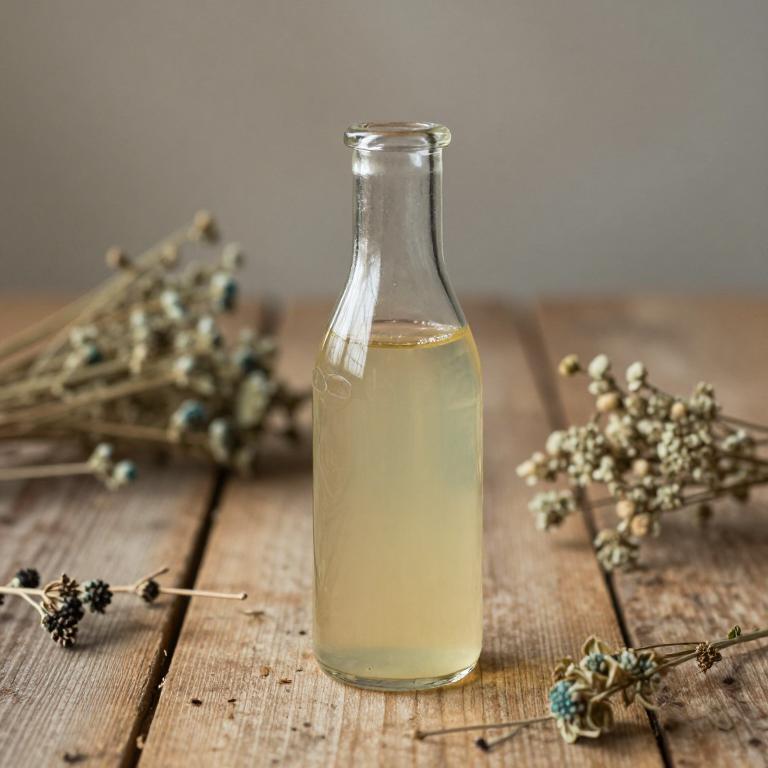
Silybum marianum, also known as milk thistle, is a herbal remedy that has been traditionally used to support liver health and may offer some benefits for individuals experiencing heartburn.
While it is not a primary treatment for heartburn, its anti-inflammatory and antioxidant properties may help reduce stomach irritation and improve digestion, potentially alleviating symptoms. Silybum marianum herbal juices are often consumed as a dietary supplement, and some people report reduced acid reflux after regular use. However, it is important to note that scientific evidence supporting its effectiveness for heartburn is limited, and individuals should consult with a healthcare provider before using it as a treatment.
As with any herbal remedy, silybum marianum should be used in conjunction with lifestyle changes and medical advice for optimal results.
4. Chamomile (Matricaria chamomilla)
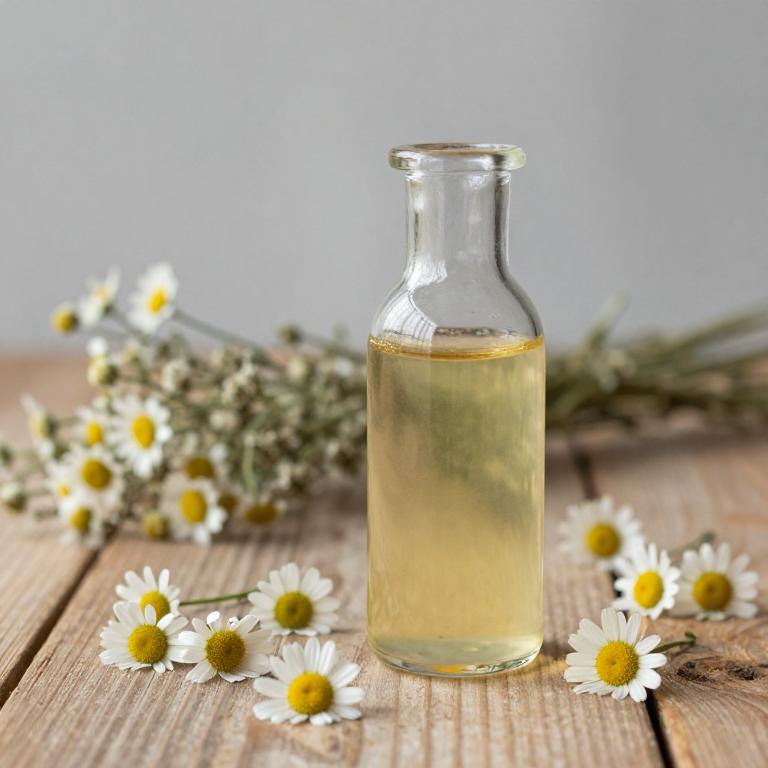
Matricaria chamomilla, commonly known as chamomile, is widely used in herbal juices for its soothing properties that may help alleviate heartburn.
The essential oils in chamomile, particularly bisabolol and chamazulene, possess anti-inflammatory and antispasmodic effects that can reduce stomach irritation and relax the lower esophageal sphincter. When consumed as a juice, chamomile can help neutralize stomach acid and promote digestion, offering natural relief from occasional heartburn symptoms. However, it is important to consult a healthcare professional before using chamomile regularly, as it may interact with certain medications or cause allergic reactions in some individuals.
Overall, chamomile herbal juice is a gentle, traditional remedy that may support digestive comfort when used as part of a balanced approach to managing heartburn.
5. Cumin (Cuminum cyminum)
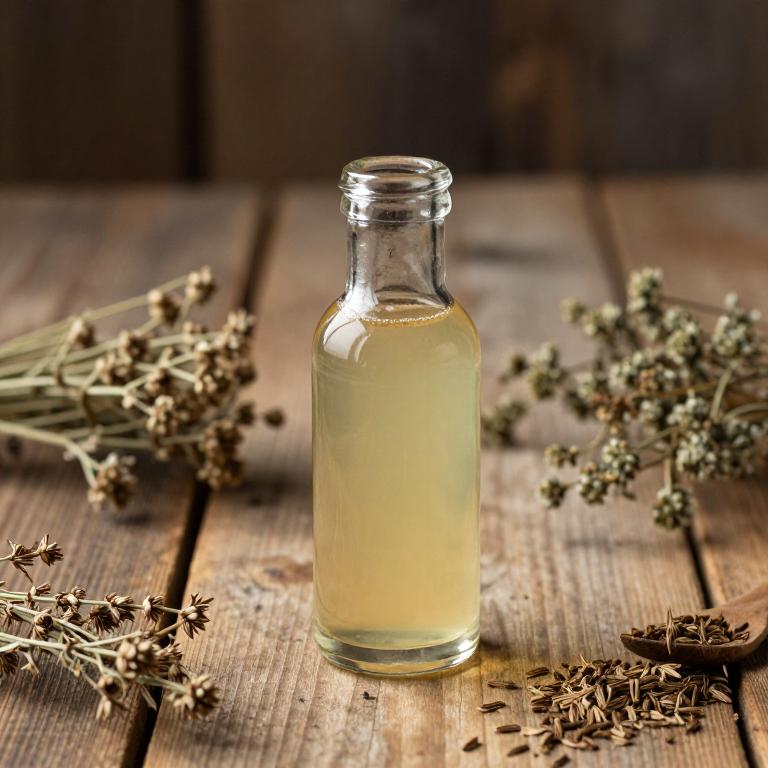
Cuminum cyminum, commonly known as cumin, is often used in herbal juices to help alleviate symptoms of heartburn due to its digestive and anti-inflammatory properties.
The essential oils in cumin, such as limonene and cineole, can help reduce stomach acid and soothe the lining of the esophagus. When consumed as part of a juice blend, cumin can aid in improving digestion and preventing the reflux of stomach contents. It is often combined with other herbs like ginger or fennel to enhance its effectiveness.
However, individuals with acid reflux should consult a healthcare professional before incorporating cumin-based juices into their diet to ensure safety and appropriateness.
6. Fennel (Foeniculum vulgare)
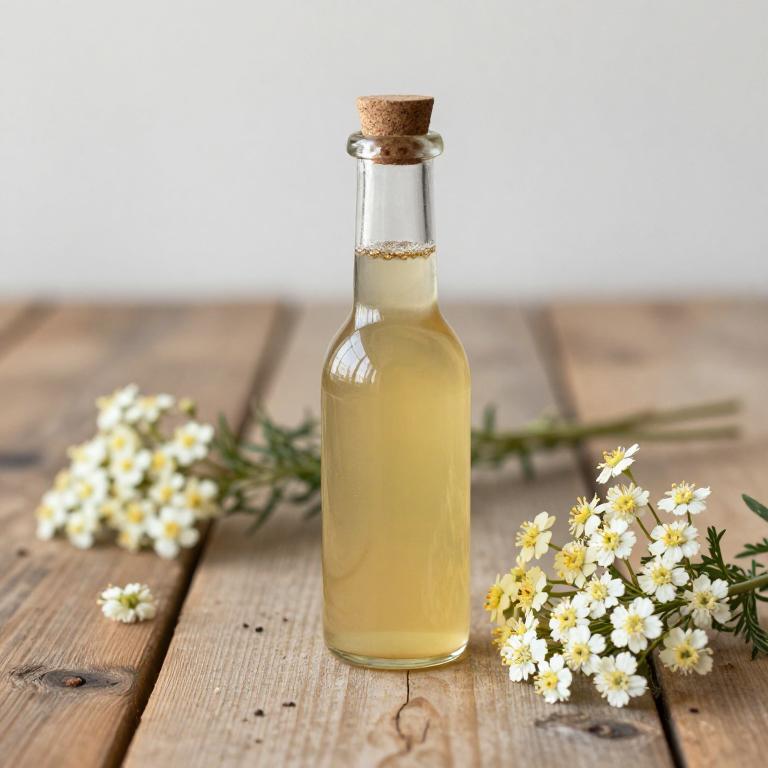
Foeniculum vulgare, commonly known as fennel, has been traditionally used to alleviate symptoms of heartburn due to its soothing and anti-inflammatory properties.
The herb contains compounds like anethole and flavonoids, which may help relax the lower esophageal sphincter and reduce gastric acid reflux. Fennel juice, made by extracting the fresh or dried leaves and seeds, is often consumed in small quantities to ease discomfort associated with indigestion and acid reflux. It is believed to support digestion and reduce bloating, which can contribute to heartburn.
However, while some studies suggest potential benefits, it is advisable to consult a healthcare professional before using fennel juice as a regular remedy for persistent heartburn.
7. Common grape (Vitis vinifera)
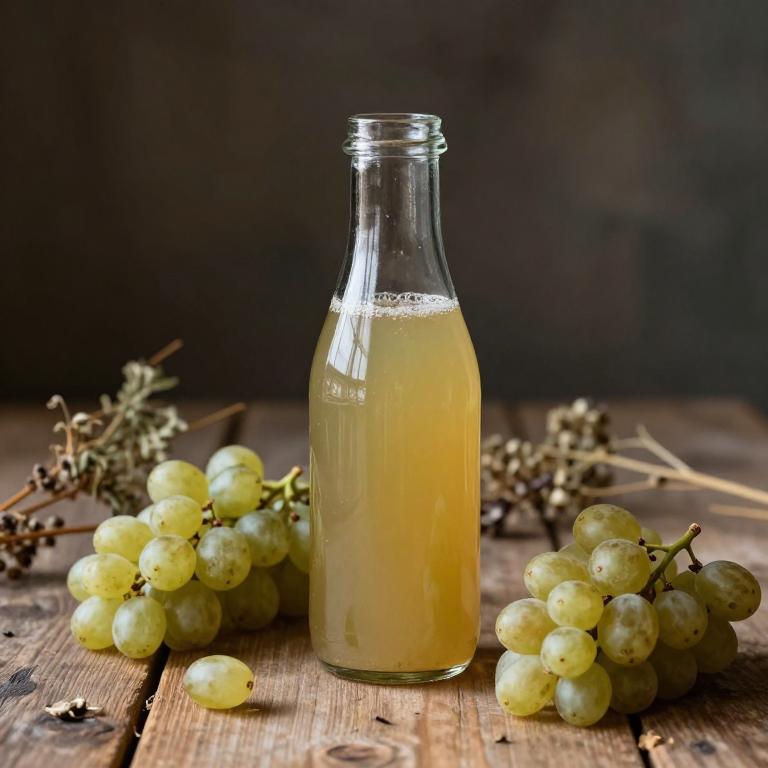
Vitis vinifera, commonly known as the common grape vine, is often associated with wine production, but its leaves and berries have been used in traditional herbal medicine for centuries.
Herbal juices derived from Vitis vinifera, such as grape leaf or grapefruit juice, are believed to offer potential benefits for individuals suffering from heartburn due to their high antioxidant content and anti-inflammatory properties. These juices may help neutralize stomach acid and reduce irritation in the esophagus, providing natural relief from symptoms. However, it is important to note that while some studies suggest a possible link between grape-based herbal remedies and heartburn relief, more scientific research is needed to confirm their efficacy.
As with any herbal remedy, it is advisable to consult a healthcare professional before incorporating Vitis vinifera juices into a treatment plan for heartburn.
8. Stinging nettle (Urtica dioica)
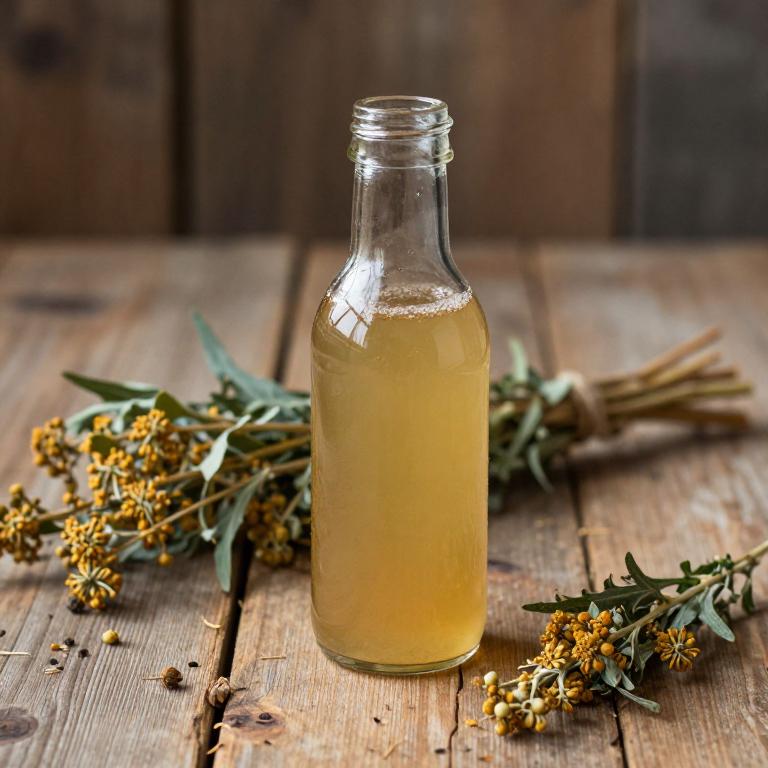
Urtica dioica, commonly known as stinging nettle, has been traditionally used for its potential health benefits, including relief from heartburn.
When prepared as a herbal juice, stinging nettle may help reduce inflammation in the digestive tract, which can alleviate symptoms of heartburn. The juice is believed to have alkaline properties that may neutralize stomach acid, providing natural relief. However, it is important to consult with a healthcare professional before using stinging nettle juice, especially for those with existing medical conditions or who are taking medications.
While some people report positive effects, scientific evidence supporting its efficacy for heartburn is limited.
9. Dog rose (Rosa canina)

Rosa canina, also known as rose hip, is a natural remedy that has been traditionally used to support digestive health and alleviate symptoms of heartburn.
The herbal juice derived from its fruit is rich in bioactive compounds, including vitamin C, antioxidants, and anti-inflammatory agents, which may help reduce gastric irritation and promote a soothing effect on the digestive tract. Studies suggest that the high levels of flavonoids in rose hip juice can aid in reducing acid reflux by strengthening the lower esophageal sphincter. Additionally, its mild diuretic properties may help in flushing out excess acids from the stomach.
While it is generally considered safe, individuals with sensitive stomachs should consult a healthcare provider before incorporating rose hip juice into their routine for heartburn relief.
10. Peppermint (Mentha piperita)
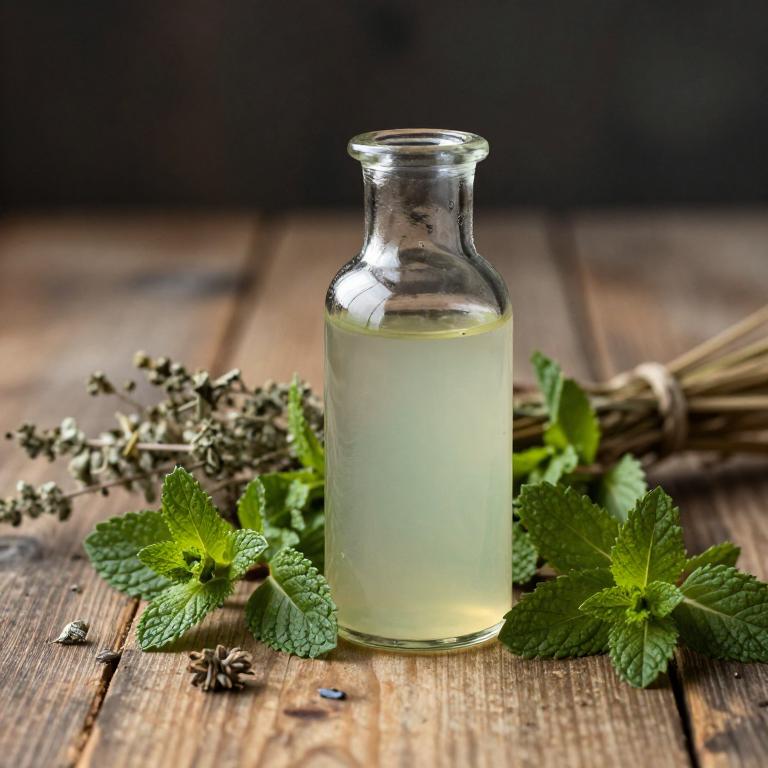
Mentha piperita, commonly known as peppermint, is often used in herbal juices to alleviate symptoms of heartburn due to its soothing and antispasmodic properties.
The essential oils in peppermint can help relax the lower esophageal sphincter, reducing the upward flow of stomach acid into the esophagus. When consumed as a fresh juice, peppermint can provide a cooling effect that soothes the digestive tract and eases discomfort. However, it is important to note that some individuals may experience worsened heartburn due to the relaxing effect on the sphincter, so it should be used with caution.
Overall, peppermint herbal juice can be a natural and effective remedy for mild heartburn when used appropriately.