10 Best Herbal Creams For Heart Pain
Herbal creams for heart pain are natural topical treatments that aim to alleviate chest discomfort and promote cardiovascular health through the use of plant-based ingredients.
These creams often contain compounds like garlic, ginger, and arnica, which are known for their anti-inflammatory and circulatory benefits. While they may offer some relief from mild heart-related discomfort, it is important to note that they are not a substitute for medical treatment in cases of severe or chronic heart conditions. Always consult a healthcare professional before using herbal creams, especially if you have a diagnosed heart condition or are taking prescription medications.
These products can complement a holistic approach to heart health when used under proper guidance.
Table of Contents
- 1. Stinging nettle (Urtica dioica)
- 2. St. john's wort (Hypericum perforatum)
- 3. Thistle (Silybum marianum)
- 4. Chaste tree (Vitex agnus-castus)
- 5. Ginkgo (Ginkgo biloba)
- 6. Salvia (Salvia officinalis)
- 7. Ginger (Zingiber officinale)
- 8. Rosemary (Rosmarinus officinalis)
- 9. Turmeric (Curcuma longa)
- 10. Valerian (Valeriana officinalis)
1. Stinging nettle (Urtica dioica)
Urtica dioica, commonly known as stinging nettle, has been traditionally used in herbal medicine for its potential health benefits, including its role in alleviating heart-related discomfort.
When formulated into creams, urtica dioica may help reduce inflammation and improve circulation, which can support cardiovascular health. These creams are often applied topically to the chest or arms to provide localized relief from heart pain symptoms. While some studies suggest that nettle may have mild cardiovascular benefits, it is important to consult a healthcare professional before using it for heart-related issues.
As a complementary therapy, urtica dioica herbal creams may offer some relief, but they should not replace prescribed medical treatments for heart conditions.
2. St. john's wort (Hypericum perforatum)
Hypericum perforatum, commonly known as St. John's Wort, is traditionally used in herbal medicine for its potential antidepressant and anti-inflammatory properties.
While it is more widely recognized for treating mild to moderate depression, some studies suggest that its active compounds, such as hyperforin and hypericin, may have beneficial effects on cardiovascular health. Herbal creams containing Hypericum perforatum are sometimes applied topically to alleviate symptoms of heart-related discomfort, such as chest pain or inflammation, though they are not a substitute for prescribed cardiac medications. These creams may help reduce inflammation and promote healing in the affected areas, but their efficacy for heart pain specifically requires further scientific validation.
As with any herbal remedy, it is important to consult a healthcare professional before using Hypericum perforatum, especially for individuals with existing heart conditions or those taking other medications.
3. Thistle (Silybum marianum)
Silybum marianum, also known as milk thistle, is a herbal remedy that has been traditionally used for its potential cardiovascular benefits.
Some herbal creams containing silybum marianum are marketed for their ability to support heart health and alleviate symptoms of heart pain by promoting circulation and reducing inflammation. These creams often incorporate other natural ingredients such as omega-3 fatty acids or antioxidants to enhance their therapeutic effects. While preliminary studies suggest that silybum marianum may have protective effects on the heart, more research is needed to confirm its efficacy in treating heart pain specifically.
As with any herbal remedy, it is important to consult with a healthcare professional before using silybum marianum creams, especially for individuals with existing heart conditions.
4. Chaste tree (Vitex agnus-castus)
Vitex agnus-castus, commonly known as chaste tree, has been traditionally used in herbal medicine for its potential cardiovascular benefits.
Some herbal creams containing vitex agnus-castus are marketed for their ability to support heart health and may help alleviate symptoms associated with heart pain. These creams are often formulated with other complementary ingredients such as essential oils and vitamins to enhance their therapeutic effects. While some users report relief from chest discomfort or stress-related heart symptoms, scientific evidence supporting these claims is limited.
It is important to consult with a healthcare professional before using any herbal remedy, especially for individuals with pre-existing heart conditions.
5. Ginkgo (Ginkgo biloba)
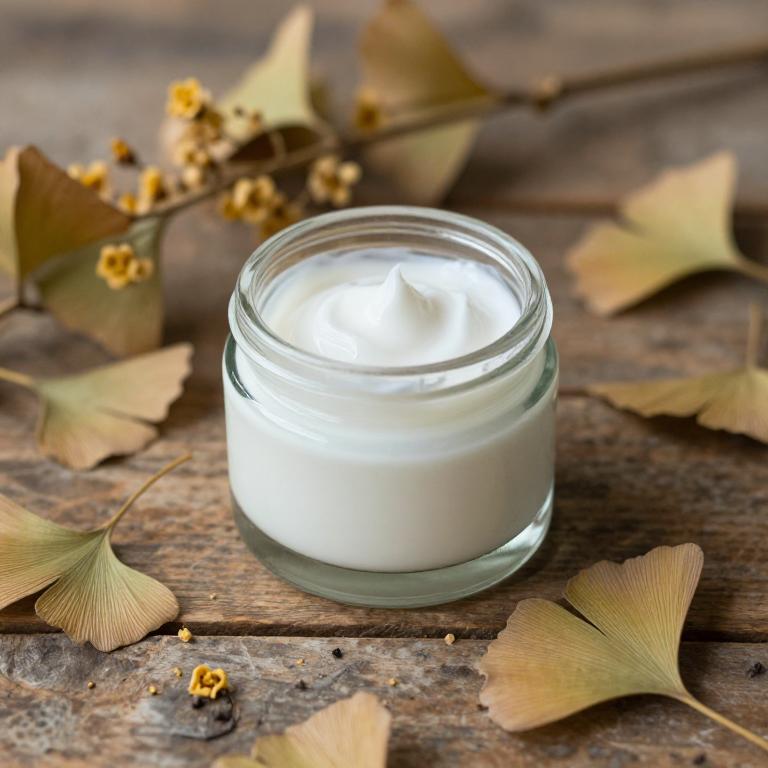
Ginkgo biloba herbal creams are topical products derived from the leaves of the ginkgo tree, which is known for its potential cardiovascular benefits.
These creams are often used to support circulation and may help alleviate symptoms associated with heart pain by improving blood flow and reducing inflammation. While some studies suggest that ginkgo biloba can enhance blood vessel function, the effectiveness of topical creams in treating heart-related conditions remains inconclusive. It is important to consult a healthcare professional before using such products, as they may interact with other medications or have side effects.
Overall, while ginkgo biloba herbal creams may offer some supportive benefits, they should not be used as a substitute for medical treatment of heart pain.
6. Salvia (Salvia officinalis)
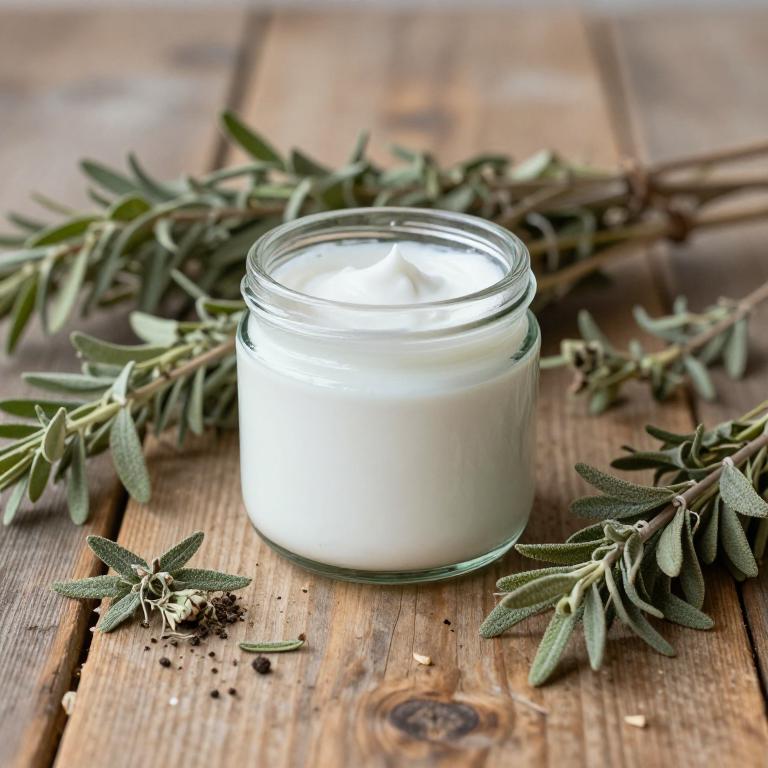
Salvia officinalis, commonly known as sage, has been traditionally used in herbal medicine for its potential cardiovascular benefits.
Some herbal creams containing salvia officinalis are marketed for their ability to support heart health and alleviate symptoms associated with heart pain. These creams are often formulated with other natural ingredients such as rosemary or lavender, which are believed to enhance circulation and reduce inflammation. While there is limited scientific evidence supporting the efficacy of these creams for heart pain, some users report a soothing effect on chest discomfort.
As with any complementary therapy, it is important to consult a healthcare professional before using salvia officinalis creams, especially for individuals with pre-existing heart conditions.
7. Ginger (Zingiber officinale)
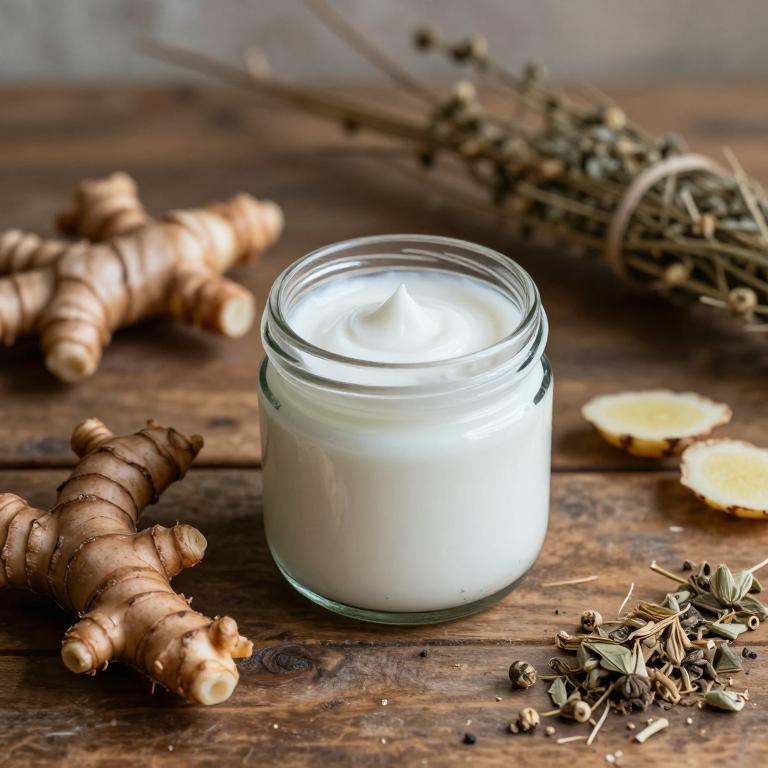
Zingiber officinale, commonly known as ginger, has been traditionally used for its anti-inflammatory and analgesic properties, and recent studies suggest it may offer potential benefits for heart-related discomfort.
Herbal creams infused with ginger extract can help alleviate chest pain and improve circulation by promoting blood flow and reducing inflammation in the cardiovascular system. These natural remedies are often preferred by individuals seeking alternatives to conventional pain medications due to their lower risk of side effects. However, it is important to consult a healthcare professional before using ginger-based creams, especially for those with existing heart conditions or on medication.
While ginger may provide some relief, it should not replace prescribed treatments for serious heart pain.
8. Rosemary (Rosmarinus officinalis)
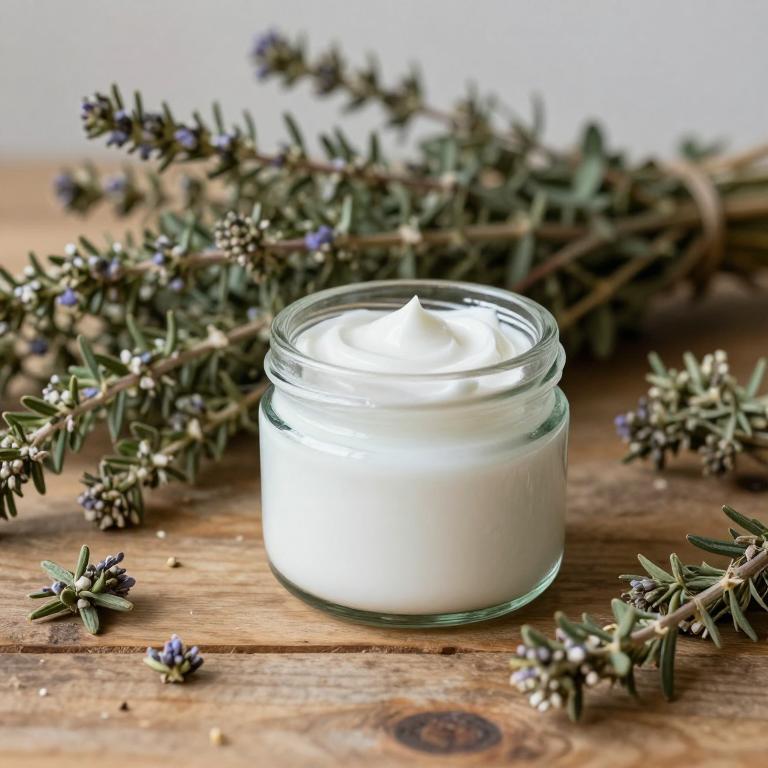
Rosmarinus officinalis, commonly known as rosemary, has been traditionally used for its aromatic and medicinal properties, and rosemary-based herbal creams are increasingly being explored for their potential benefits in alleviating heart-related discomfort.
These creams often contain essential oils extracted from fresh or dried rosemary leaves, which are believed to have anti-inflammatory and circulatory-stimulating effects. While they are not a substitute for medical treatment, some studies suggest that topical application of rosemary cream may help improve blood flow and reduce muscle tension, which could potentially ease symptoms associated with heart pain. However, it is important to consult a healthcare professional before using such creams, especially for individuals with pre-existing cardiovascular conditions.
Overall, while rosemary herbal creams may offer some supportive relief, they should be used as part of a comprehensive approach to heart health.
9. Turmeric (Curcuma longa)
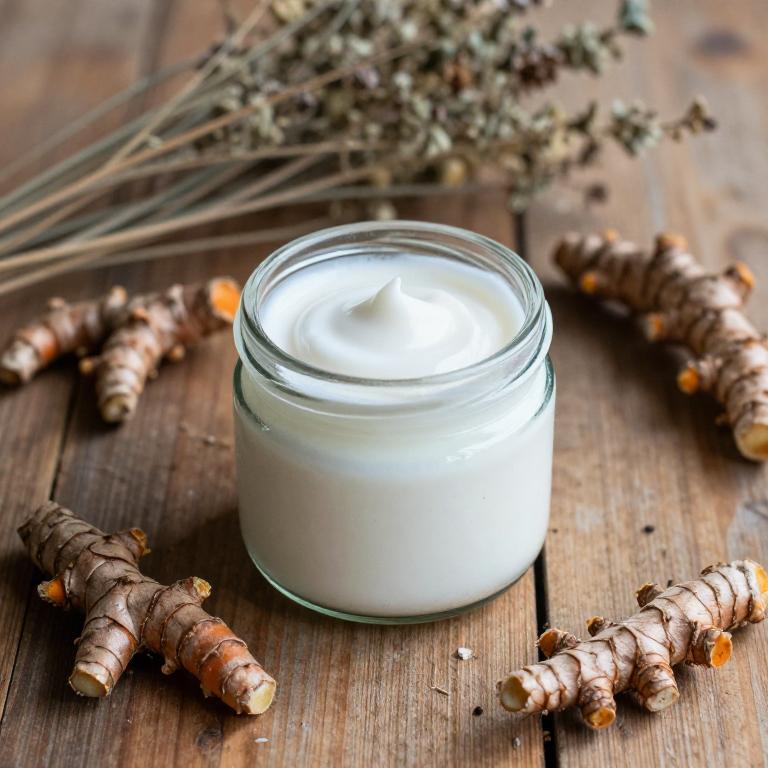
Curcuma longa, commonly known as turmeric, has been traditionally used for its anti-inflammatory and antioxidant properties, and recent studies suggest that turmeric-based creams may offer relief for heart-related discomfort by reducing inflammation and improving blood flow.
These creams typically contain curcumin, the active compound in turmeric, which has been shown to support cardiovascular health by lowering oxidative stress and preventing arterial plaque buildup. While they are not a substitute for medical treatment, topical application of curcuma longa creams may help alleviate symptoms such as chest pain or muscle tension associated with heart conditions. However, individuals with heart disease should consult a healthcare professional before using these creams, as they are not a cure and may interact with certain medications.
Overall, curcuma longa herbal creams can be a complementary therapy when used under proper guidance.
10. Valerian (Valeriana officinalis)
Valeriana officinalis, commonly known as valerian, is a herbal remedy that has been traditionally used for its calming and sedative properties.
While it is most often associated with treating anxiety and insomnia, some studies suggest that valerian may also have a role in alleviating heart-related discomfort due to its potential vasodilatory effects. Valerian-based herbal creams are formulated to provide localized relief by reducing inflammation and improving blood flow, which can help ease the sensation of heart pain. These creams are often used as a complementary therapy alongside conventional treatments for cardiovascular conditions.
However, it is important to consult a healthcare professional before using valerian products, especially for individuals with pre-existing heart conditions or those taking other medications.