10 Best Herbal Capsules For Heart Pain
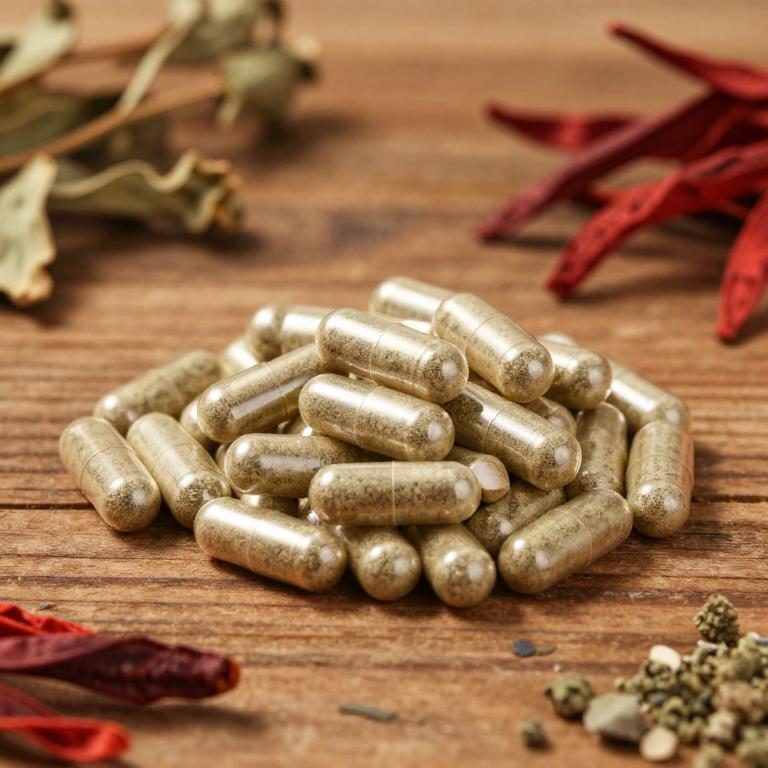
Herbal capsules for heart pain are natural supplements designed to support cardiovascular health and alleviate symptoms associated with chest discomfort or angina.
These capsules typically contain a blend of herbs such as hawthorn, garlic, and ginger, which are known for their potential to improve blood flow and reduce inflammation in the heart. While they may offer some relief, it is important to consult a healthcare professional before using them, as they are not a substitute for prescribed medications. Herbal capsules are often preferred by individuals seeking alternative or complementary therapies, but their effectiveness can vary depending on the individual and the specific formulation.
Overall, they should be used cautiously and in conjunction with a comprehensive treatment plan for heart-related issues.
Table of Contents
- 1. Red sage (Salvia miltiorrhiza)
- 2. Panax ginseng (Panax ginseng)
- 3. Turmeric (Curcuma longa)
- 4. Ginkgo (Ginkgo biloba)
- 5. Thistle (Silybum marianum)
- 6. Chaste tree (Vitex agnus-castus)
- 7. Stinging nettle (Urtica dioica)
- 8. Ceylon cinnamon (Cinnamomum verum)
- 9. Ginger (Zingiber officinale)
- 10. Ashwagandha (Withania somnifera)
1. Red sage (Salvia miltiorrhiza)
Salvia miltiorrhiza, also known as Danshen, is a traditional Chinese herbal remedy commonly used in the form of capsules to support cardiovascular health.
These herbal capsules are believed to improve blood circulation, reduce inflammation, and promote the repair of damaged blood vessels, making them a popular choice for managing heart pain and related conditions. The active compounds in Salvia miltiorrhiza, such as tanshinone and salvianolic acid, have been studied for their potential to enhance cardiac function and prevent oxidative stress. While some clinical studies suggest benefits, it is important to consult a healthcare professional before using these supplements, especially for individuals with pre-existing heart conditions.
Overall, Salvia miltiorrhiza capsules may offer complementary support for heart health, but they should not replace conventional medical treatments.
2. Panax ginseng (Panax ginseng)
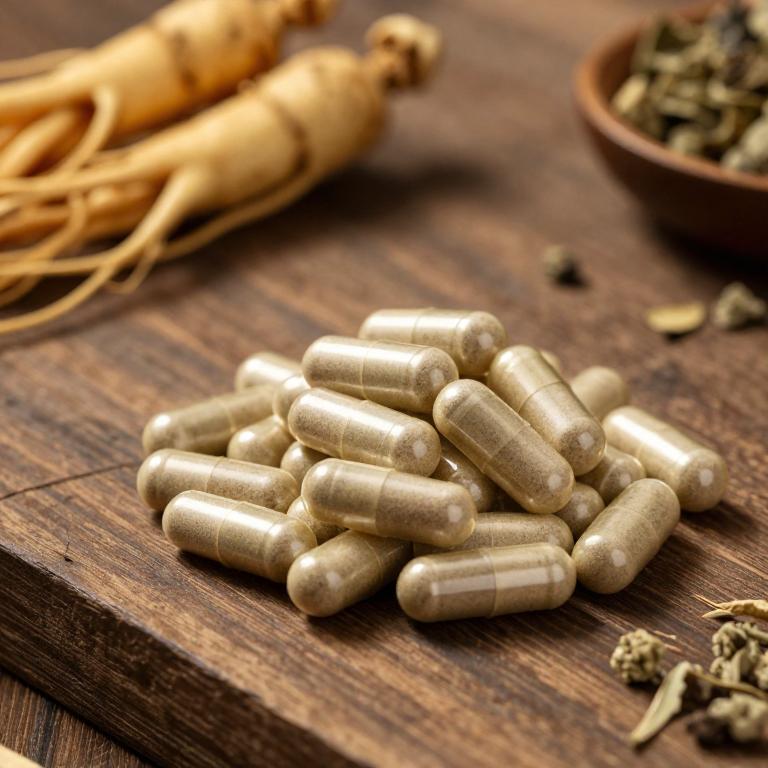
Panax ginseng, a popular herbal remedy, has been traditionally used to support cardiovascular health and alleviate symptoms of heart pain.
The active compounds in Panax ginseng, such as ginsenosides, are believed to improve blood circulation and reduce inflammation, which may help ease chest discomfort associated with heart conditions. Herbal capsules containing standardized extracts of Panax ginseng are often used as a complementary therapy under medical supervision. While some studies suggest potential benefits, it is important to consult a healthcare professional before using Panax ginseng for heart-related issues, as it may interact with certain medications.
Overall, Panax ginseng herbal capsules may offer supportive effects for heart pain, but they should not replace conventional medical treatments.
3. Turmeric (Curcuma longa)
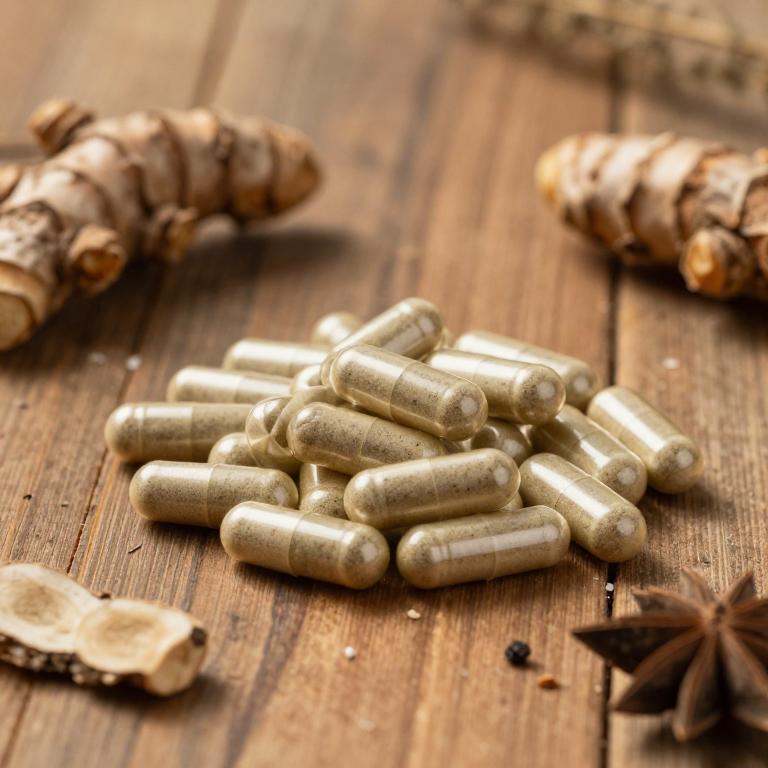
Curcuma longa, commonly known as turmeric, has been widely studied for its potential health benefits, including its anti-inflammatory and antioxidant properties.
When formulated into herbal capsules, curcuma longa may offer a convenient way to incorporate these beneficial compounds into one's daily routine. Some research suggests that curcumin, the active compound in turmeric, might help reduce inflammation and oxidative stress, which are often linked to heart-related conditions. However, it is important to note that while preliminary studies are promising, more clinical trials are needed to fully establish its efficacy for treating heart pain.
As with any supplement, it is advisable to consult a healthcare professional before using curcuma longa capsules, especially for individuals with existing heart conditions or those taking medications.
4. Ginkgo (Ginkgo biloba)
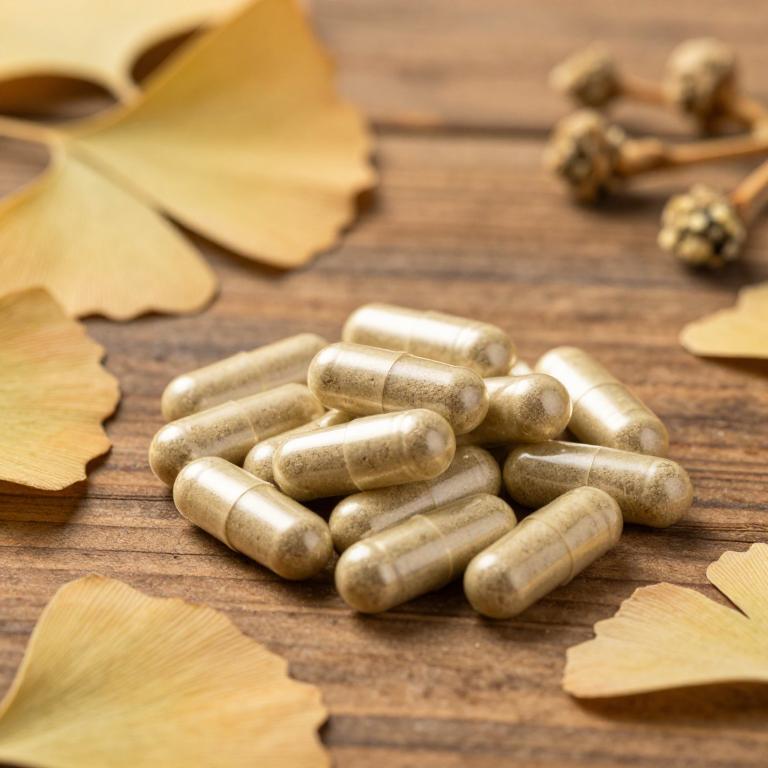
Ginkgo biloba herbal capsules are commonly used for their potential cardiovascular benefits, including support for heart health and the relief of heart-related discomfort.
The herb contains bioactive compounds such as flavonoids and terpene lactones, which are believed to enhance blood circulation and reduce oxidative stress. Some studies suggest that ginkgo biloba may help improve blood flow to the heart, potentially alleviating symptoms associated with angina or other cardiovascular conditions. However, it is important to consult a healthcare provider before using ginkgo biloba, as it can interact with certain medications and may not be suitable for everyone.
While it is often used as a complementary therapy, it should not replace conventional medical treatments for heart pain.
5. Thistle (Silybum marianum)

Silybum marianum, also known as milk thistle, is a herbal supplement commonly used for its potential liver-protective properties.
While it is primarily studied for its benefits to liver health, some research suggests it may also support cardiovascular health by reducing oxidative stress and inflammation. Silybum marianum herbal capsules are often taken to help alleviate symptoms associated with heart pain, though they are not a substitute for prescribed medical treatments. The active compound, silymarin, is believed to contribute to its cardioprotective effects by improving blood flow and reducing harmful free radicals in the body.
As with any herbal supplement, it is important to consult a healthcare provider before use, especially for individuals with existing heart conditions or those taking other medications.
6. Chaste tree (Vitex agnus-castus)
Vitex agnus-castus, commonly known as chaste tree, has been traditionally used in herbal medicine for its potential benefits in supporting heart health.
Herbal capsules containing vitex agnus-castus are often marketed for their ability to promote cardiovascular wellness by improving blood flow and reducing inflammation. While some studies suggest that vitex may help regulate hormonal imbalances that can indirectly affect heart function, more research is needed to confirm its direct impact on heart pain. It is important to consult with a healthcare professional before using vitex agnus-castus, especially for individuals with pre-existing heart conditions or those taking medications.
As a complementary therapy, vitex agnus-castus may support overall cardiovascular health when used as part of a holistic approach to heart care.
7. Stinging nettle (Urtica dioica)
Urtica dioica, commonly known as stinging nettle, has been traditionally used in herbal medicine for its potential cardiovascular benefits.
Urtica dioica herbal capsules are often marketed for their ability to support heart health and alleviate symptoms associated with heart pain. These capsules are believed to contain bioactive compounds such as flavonoids and polyphenols, which may help reduce inflammation and improve circulation. However, while some studies suggest possible cardiovascular benefits, more rigorous clinical research is needed to confirm their efficacy for heart pain.
As with any supplement, it is important to consult a healthcare professional before using Urtica dioica capsules, especially for individuals with existing heart conditions.
8. Ceylon cinnamon (Cinnamomum verum)
Cinnamomum verum, commonly known as true cinnamon, has been traditionally used in herbal medicine for its potential cardiovascular benefits.
When formulated into herbal capsules, it may support heart health by improving circulation and reducing inflammation. Some studies suggest that the active compounds in cinnamon, such as cinnamaldehyde, may help lower cholesterol and blood pressure, which are risk factors for heart disease. However, it is important to consult a healthcare professional before using cinnamon capsules for heart pain, as they may interact with medications or have side effects for certain individuals.
While cinnamon may complement a holistic approach to heart health, it should not replace conventional medical treatments for serious heart conditions.
9. Ginger (Zingiber officinale)
Zingiber officinale, commonly known as ginger, has been traditionally used for its therapeutic properties, including its potential to alleviate heart pain.
Herbal capsules containing zingiber officinale are often formulated to support cardiovascular health by improving circulation and reducing inflammation. These capsules may help in managing symptoms associated with heart-related discomfort, such as chest pain or palpitations, due to their anti-inflammatory and antioxidant effects. However, it is important to consult a healthcare professional before using ginger supplements, especially for individuals with pre-existing heart conditions or those taking medications.
While some studies suggest ginger may offer benefits, more research is needed to fully understand its efficacy and safety in treating heart pain.
10. Ashwagandha (Withania somnifera)
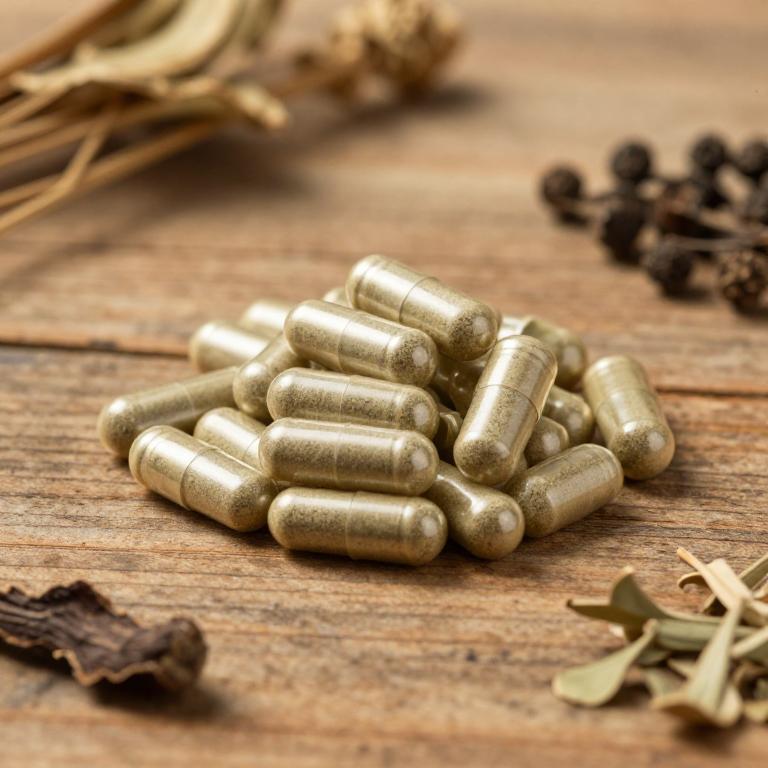
Withania somnifera, commonly known as ashwagandha, is an adaptogenic herb that has been traditionally used in Ayurvedic medicine for its potential health benefits.
While it is often praised for its stress-reducing and anxiety-mitigating properties, there is limited scientific evidence directly supporting its use for heart pain or cardiovascular conditions. Some studies suggest that ashwagandha may help lower blood pressure and improve heart function by reducing oxidative stress and inflammation. However, it is not a substitute for conventional medical treatments for heart-related issues.
Individuals experiencing heart pain should consult a healthcare professional before using ashwagandha or any herbal supplement.