10 Best Herbal Creams For Headaches
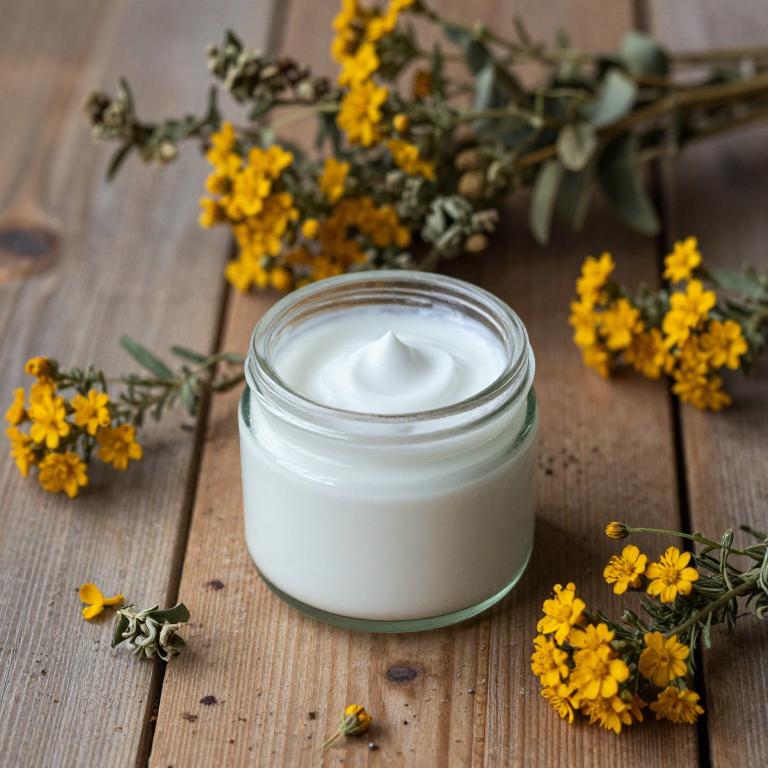
Herbal creams for headaches are natural topical treatments that combine plant-based ingredients to alleviate pain and reduce inflammation.
These creams often contain soothing herbs such as peppermint, lavender, eucalyptus, and chamomile, which are known for their calming and analgesic properties. They are typically applied directly to the temples, forehead, or neck to provide localized relief from tension headaches or migraines. Unlike pharmaceutical pain relievers, herbal creams are generally considered safer with fewer side effects, making them a popular choice for those seeking natural remedies.
However, it is important to consult with a healthcare professional before using these products, especially if you have sensitive skin or are taking other medications.
Table of Contents
- 1. Chaste tree (Vitex agnus-castus)
- 2. Rosemary (Rosmarinus officinalis)
- 3. Ginger (Zingiber officinale)
- 4. Echinacea (Echinacea purpurea)
- 5. Yarrow (Achillea millefolium)
- 6. Peppermint (Mentha piperita)
- 7. Chamomile (Matricaria chamomilla)
- 8. Salvia (Salvia officinalis)
- 9. Black pepper (Piper nigrum)
- 10. English lavender (Lavandula angustifolia)
1. Chaste tree (Vitex agnus-castus)
Vitex agnus-castus, also known as chasteberry, is a herbal remedy that has been traditionally used to support hormonal balance and alleviate symptoms of headaches, particularly those related to hormonal fluctuations.
When incorporated into herbal creams, vitex agnus-castus may provide localized relief by reducing inflammation and soothing muscle tension in the scalp and neck areas. These creams are often formulated with additional natural ingredients like lavender or chamomile to enhance their calming and analgesic effects. While they are not a substitute for medical treatment, they can be a complementary option for individuals seeking natural headache relief.
It is important to consult with a healthcare professional before using herbal creams, especially if you have underlying health conditions or are taking other medications.
2. Rosemary (Rosmarinus officinalis)
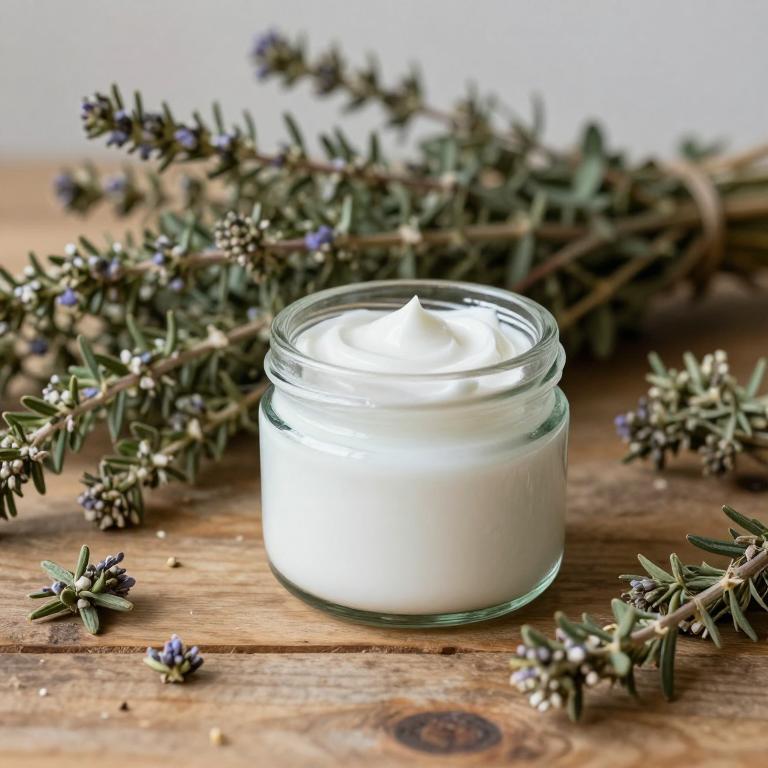
Rosmarinus officinalis, commonly known as rosemary, is a herb widely used in the formulation of natural herbal creams for headaches due to its potent anti-inflammatory and analgesic properties.
These creams often contain rosemary essential oil or extract, which is believed to improve blood circulation and reduce muscle tension, common causes of headaches. The aromatic compounds in rosemary may also help to relieve stress and enhance mental clarity, offering a dual benefit for headache sufferers. When applied topically, rosemary herbal creams can provide a soothing and cooling effect on the scalp or temples, making them a popular choice for those seeking natural remedies.
However, individuals with sensitive skin should perform a patch test before using these products to avoid potential irritation.
3. Ginger (Zingiber officinale)
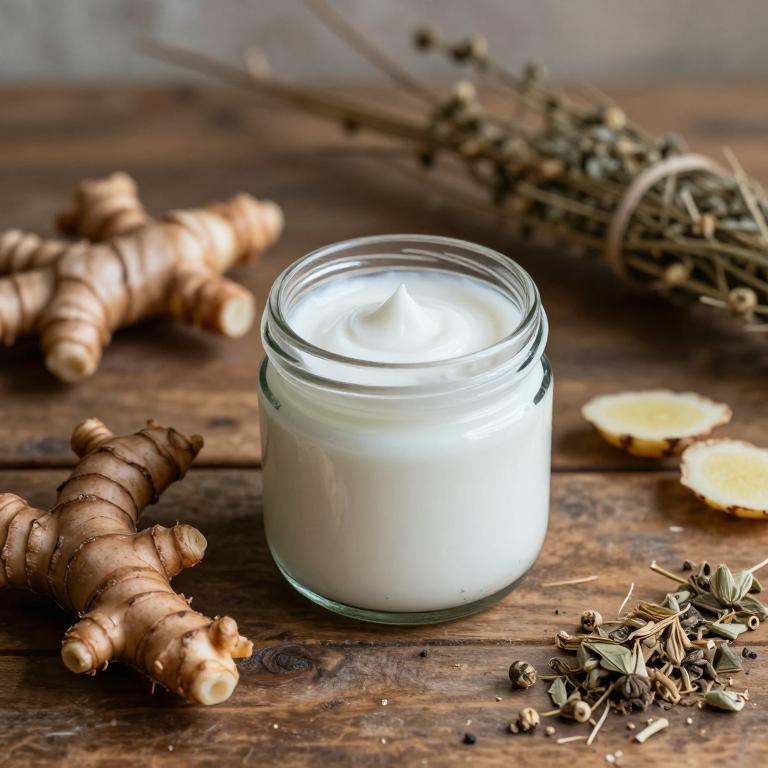
Zingiber officinale, commonly known as ginger, has been traditionally used for its medicinal properties, including its potential to alleviate headaches.
Herbal creams containing zingiber officinale are formulated with ginger extract, which is believed to have anti-inflammatory and analgesic effects. These creams are often applied topically to the temples, forehead, or neck to provide localized relief from tension headaches and migraines. The warming sensation produced by ginger in the cream may help improve blood circulation and reduce muscle tension, contributing to headache relief.
While generally considered safe, individuals with sensitive skin should perform a patch test before using these creams to avoid potential irritation.
4. Echinacea (Echinacea purpurea)
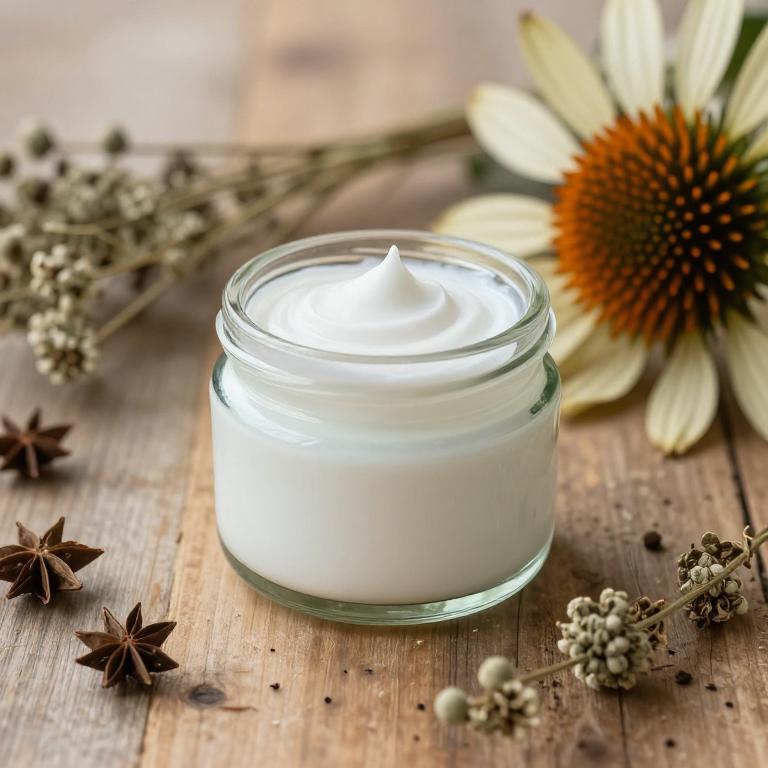
Echinacea purpurea, commonly known as purple coneflower, is a herbal remedy that has been traditionally used to support immune function and reduce inflammation.
While primarily known for its potential benefits in colds and respiratory issues, some herbal creams containing echinacea purpurea are marketed for their ability to alleviate headache symptoms. These creams often combine echinacea with other natural ingredients like menthol, camphor, or arnica to provide a cooling or soothing effect on the scalp and temples. However, scientific evidence supporting the efficacy of echinacea-containing creams for headaches is limited, and results may vary among individuals.
It is advisable to consult a healthcare professional before using such products, especially for chronic or severe headaches.
5. Yarrow (Achillea millefolium)
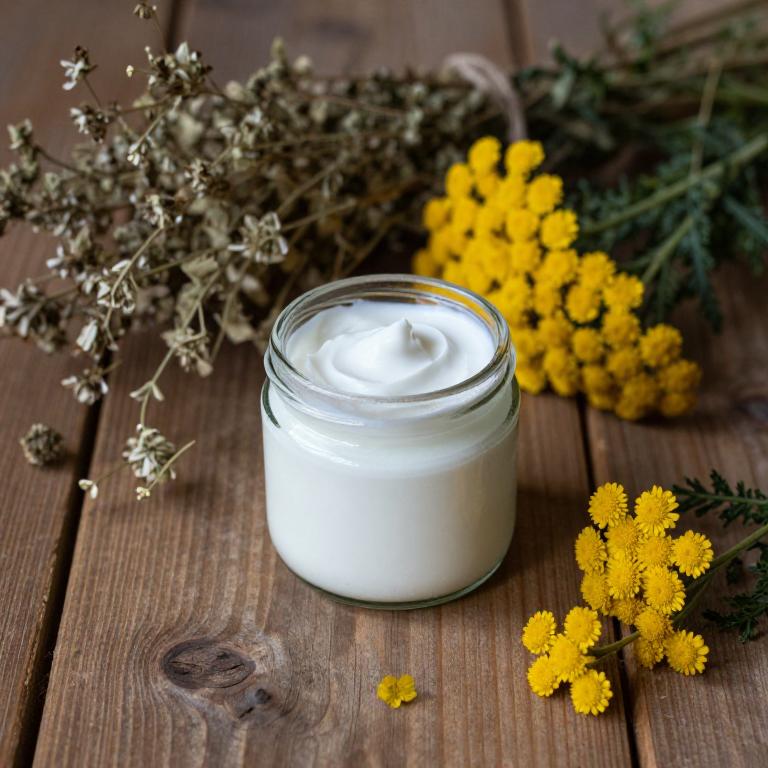
Achillea millefolium, commonly known as yarrow, has been traditionally used for its calming and anti-inflammatory properties, making it a popular ingredient in herbal creams for headaches.
These creams often combine yarrow with other soothing herbs like chamomile and lavender to enhance their effectiveness in relieving tension and pain. The active compounds in yarrow, such as flavonoids and essential oils, are believed to reduce inflammation and improve blood circulation, which can alleviate headache symptoms. When applied topically, these creams provide a natural, non-invasive option for those seeking relief without pharmaceuticals.
However, it is important to consult with a healthcare professional before use, especially for individuals with sensitive skin or known allergies to plants in the Asteraceae family.
6. Peppermint (Mentha piperita)
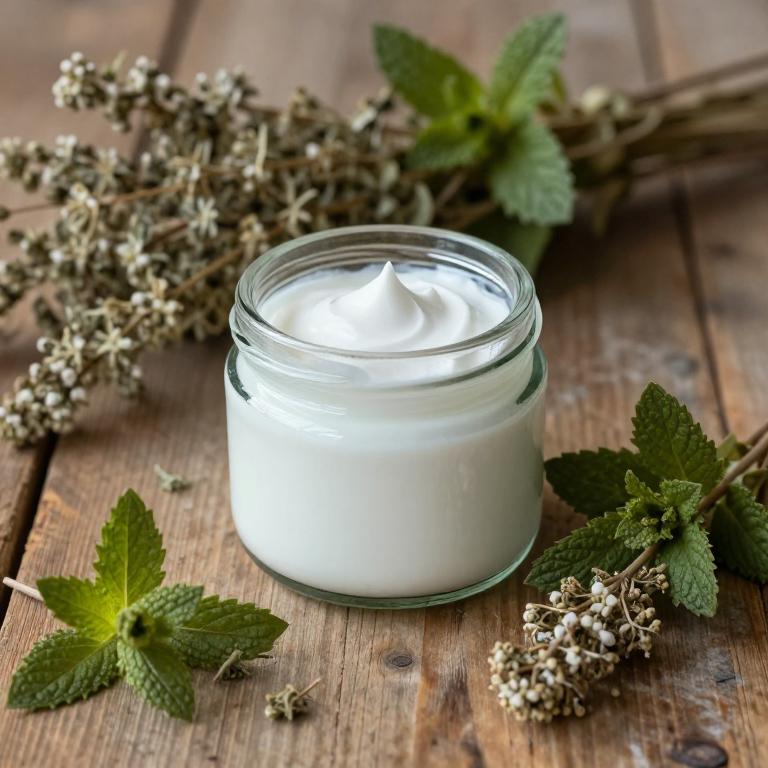
Mentha piperita, commonly known as peppermint, is a popular herb used in the formulation of herbal creams for alleviating headaches.
These creams typically contain a high concentration of menthol, which has a cooling effect and can help relax tense muscles and improve blood flow. The application of peppermint cream on the forehead, temples, or neck can provide quick relief from tension headaches and migraines. Its natural properties make it a favored choice for those seeking non-pharmacological remedies.
However, individuals with sensitive skin should perform a patch test before using peppermint cream to avoid potential irritation.
7. Chamomile (Matricaria chamomilla)
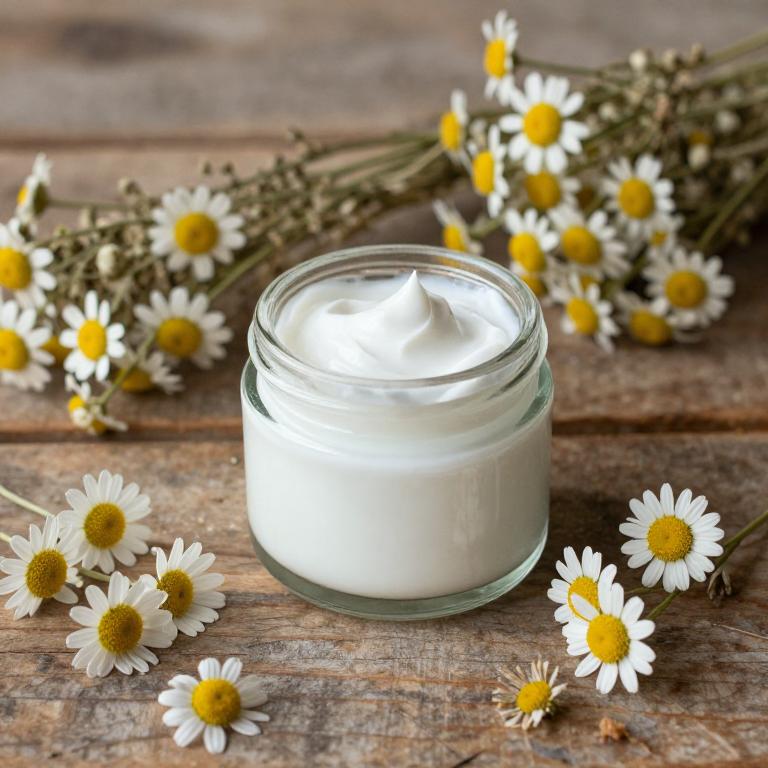
Matricaria chamomilla, commonly known as German chamomile, is a popular herbal ingredient used in the formulation of creams designed to alleviate headaches.
These creams often contain chamomile extract, which is valued for its calming and anti-inflammatory properties. The soothing effects of chamomile may help reduce tension and inflammation in the muscles around the head and neck, which are common contributors to headache pain. When applied topically, the cream can provide localized relief by promoting relaxation and reducing discomfort.
As a natural alternative to pharmaceutical treatments, chamomile-based creams offer a gentle and potentially effective option for managing mild to moderate headaches.
8. Salvia (Salvia officinalis)
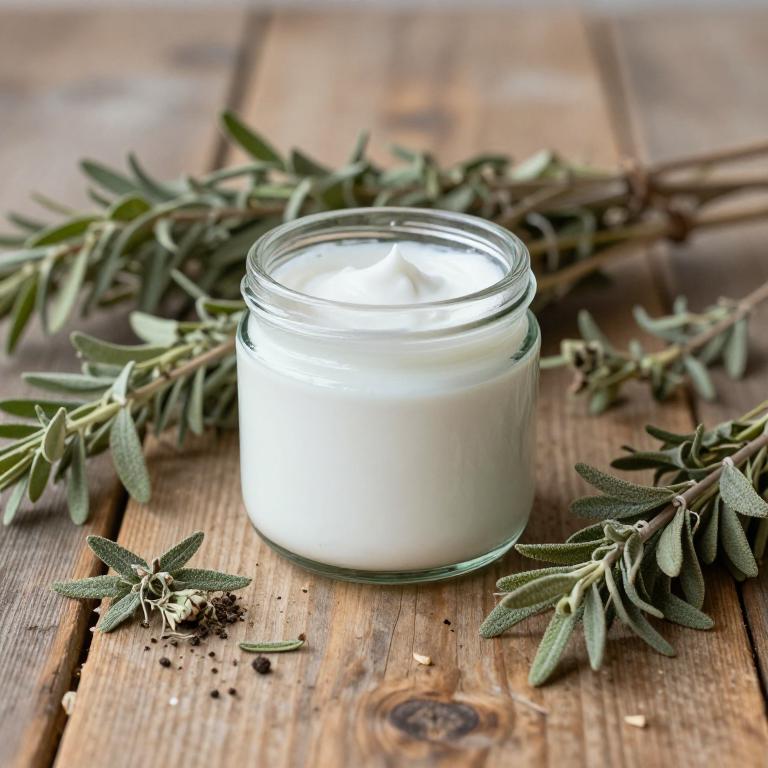
Salvia officinalis, commonly known as sage, has been traditionally used in herbal remedies for its potential health benefits, including relief from headaches.
When formulated into creams, salvia officinalis may provide localized anti-inflammatory and analgesic effects, helping to reduce headache pain and discomfort. These creams often contain essential oils and extracts that can soothe tense muscles and improve blood circulation, which are common contributors to headache symptoms. The use of salvia officinalis in topical applications is supported by some studies suggesting its ability to modulate pain perception and reduce inflammation.
However, it is important to consult a healthcare professional before using such creams, especially for chronic or severe headaches, to ensure safe and effective treatment.
9. Black pepper (Piper nigrum)
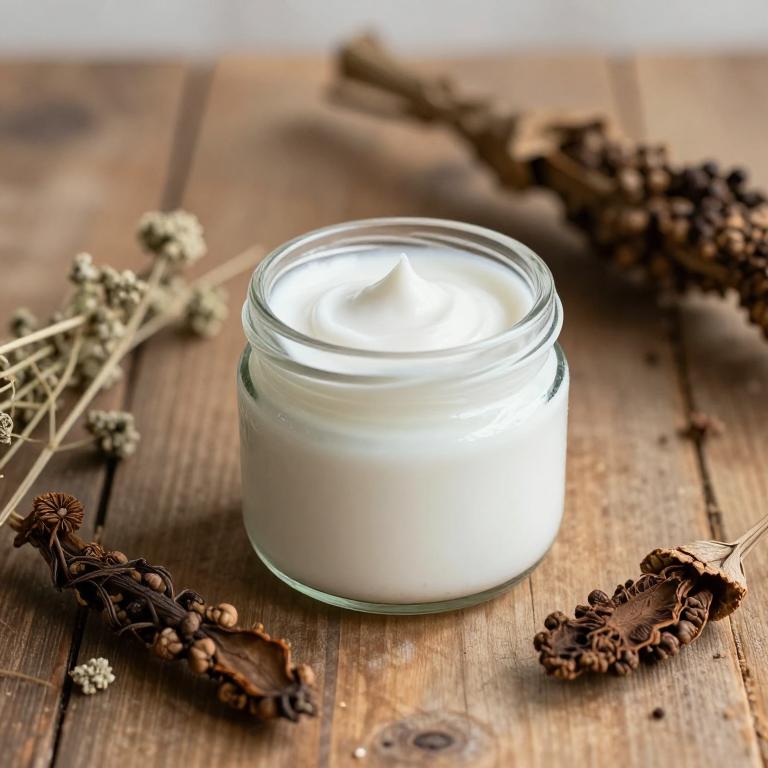
Piper nigrum, commonly known as black pepper, has been traditionally used in herbal remedies for its potential therapeutic properties.
When incorporated into herbal creams, piper nigrum may help alleviate headache symptoms due to its analgesic and anti-inflammatory effects. The active compound, piperine, is believed to enhance circulation and reduce muscle tension, which can contribute to headache relief. These creams are often used as a natural alternative to conventional pain relievers, appealing to those seeking holistic approaches to pain management.
However, it is important to consult a healthcare professional before using piper nigrum creams, especially for chronic or severe headaches.
10. English lavender (Lavandula angustifolia)
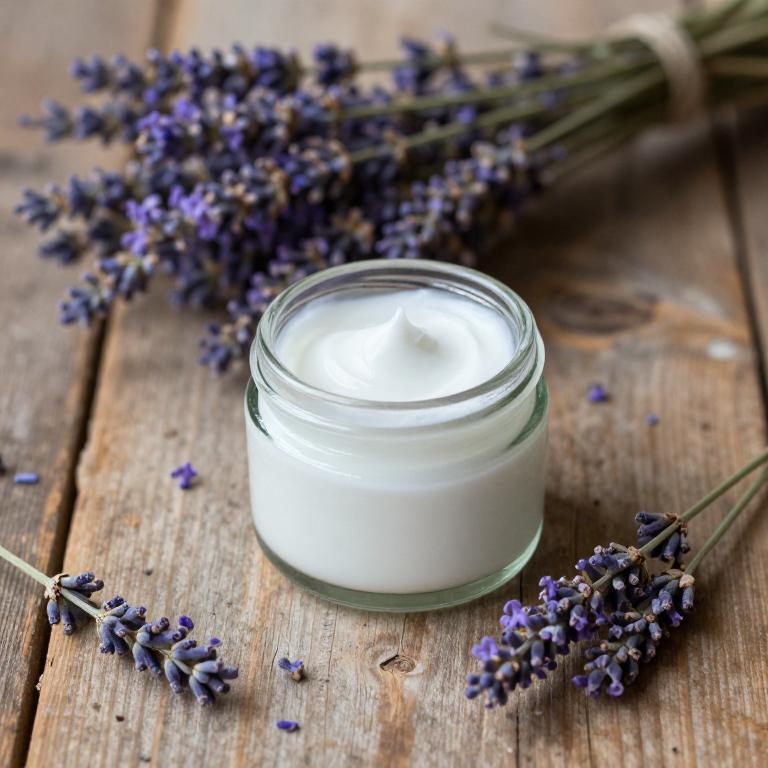
Lavandula angustifolia, commonly known as English lavender, is widely used in herbal creams for its calming and analgesic properties.
These creams often contain essential oils extracted from lavender flowers, which are known to help reduce inflammation and soothe pain. The soothing aroma of lavender has been shown to promote relaxation and may help alleviate tension headaches. When applied topically, lavender-infused creams can provide localized relief by improving blood circulation and reducing muscle tension.
As a natural remedy, lavender herbal creams are a popular choice for those seeking gentle, non-chemical alternatives to traditional headache treatments.