10 Best Herbal Capsules For Headaches
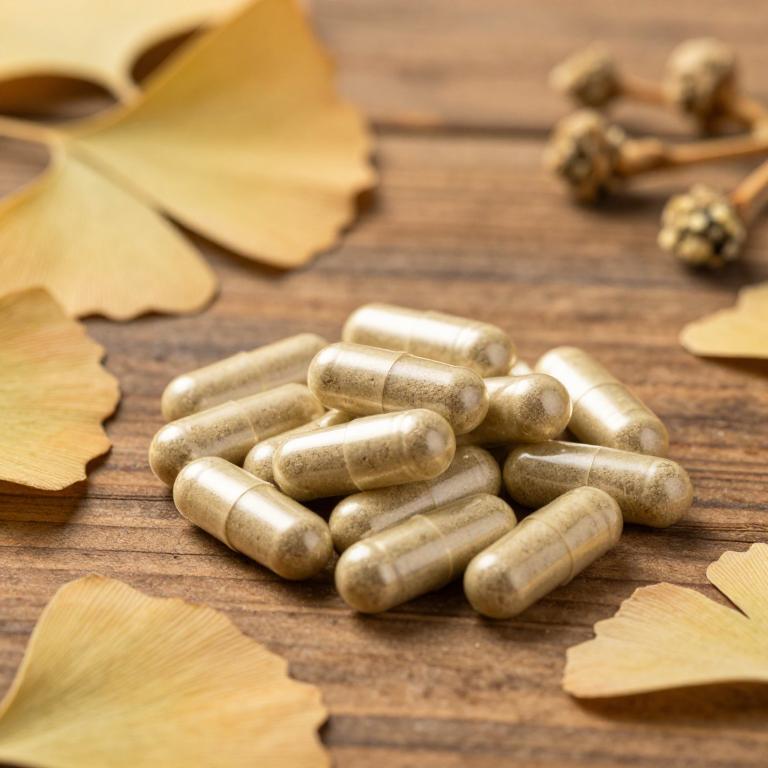
Herbal capsules are a popular natural remedy for alleviating headaches, offering a gentler alternative to conventional pharmaceutical medications.
These capsules typically contain a blend of plant-based ingredients such as willow bark, ginger, peppermint, and feverfew, which are known for their analgesic and anti-inflammatory properties. They work by targeting the underlying causes of headaches, such as muscle tension, inflammation, or blood vessel constriction. Many people prefer herbal capsules for their minimal side effects and holistic approach to health.
However, it is important to consult a healthcare professional before use, especially for individuals with preexisting medical conditions or those taking other medications.
Table of Contents
- 1. Ginkgo (Ginkgo biloba)
- 2. Chaste tree (Vitex agnus-castus)
- 3. St. john's wort (Hypericum perforatum)
- 4. Stinging nettle (Urtica dioica)
- 5. Salvia (Salvia officinalis)
- 6. Rosemary (Rosmarinus officinalis)
- 7. Echinacea (Echinacea purpurea)
- 8. White water lily (Nymphaea alba)
- 9. Ceylon cinnamon (Cinnamomum verum)
- 10. Valerian (Valeriana officinalis)
1. Ginkgo (Ginkgo biloba)
Ginkgo biloba herbal capsules are commonly used for their potential to alleviate headaches by improving blood circulation and reducing inflammation.
The active compounds in ginkgo biloba, such as flavonoids and terpenes, are believed to enhance oxygen flow to the brain, which may help relieve tension-type headaches and migraines. While some studies suggest that ginkgo biloba may be effective for certain types of headaches, more research is needed to confirm its efficacy and safety. It is often taken as a dietary supplement, typically in capsule form, and is generally considered safe when used in recommended doses.
However, it is important to consult a healthcare provider before starting any new supplement, especially for individuals with existing health conditions or those taking other medications.
2. Chaste tree (Vitex agnus-castus)
Vitex agnus-castus, commonly known as chasteberry, is a traditional herbal remedy that has been used for centuries to support hormonal balance and alleviate symptoms associated with menstrual discomfort.
Herbal capsules containing vitex agnus-castus are often taken to help reduce the frequency and intensity of headaches, particularly those linked to hormonal fluctuations. The herb is believed to influence the pituitary gland, which may help regulate cortisol levels and reduce stress-related headaches. While scientific evidence supporting its efficacy for headaches is limited, many users report positive effects when using vitex agnus-castus as part of a holistic approach to headache management.
As with any supplement, it is advisable to consult a healthcare professional before starting a new regimen, especially if you have underlying health conditions or are taking other medications.
3. St. john's wort (Hypericum perforatum)
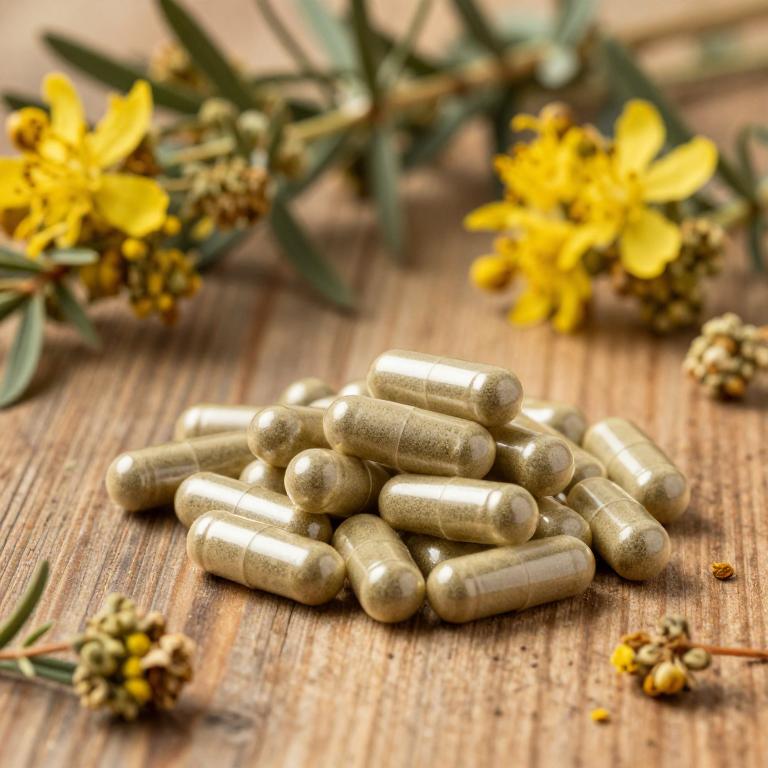
Hypericum perforatum, commonly known as St. John's Wort, is a herbal remedy that has been traditionally used for its potential antidepressant and anti-inflammatory properties.
When formulated into capsules, it may offer a convenient and standardized way to consume the herb for various health concerns, including headaches. Some studies suggest that the active compounds in St. John's Wort, such as hyperforin and hypericin, may help reduce pain and inflammation associated with headaches by modulating neurotransmitter activity. However, it is important to note that the effectiveness of St. John's Wort for headaches can vary, and it may interact with other medications, so consulting a healthcare professional before use is recommended.
Despite its traditional use, more clinical research is needed to fully establish its efficacy and safety for treating headaches.
4. Stinging nettle (Urtica dioica)
Urtica dioica, commonly known as stinging nettle, is a herb that has been traditionally used for its potential health benefits, including relief from headaches.
Urtica dioica herbal capsules are formulated to support natural headache relief by leveraging the plant's anti-inflammatory and analgesic properties. These capsules are often made from standardized extracts of the fresh or dried leaves of the plant, ensuring consistent potency and effectiveness. They are generally considered safe for most adults when taken as directed, though individuals with specific allergies or medical conditions should consult a healthcare provider before use.
Urtica dioica capsules may be particularly beneficial for those seeking a natural alternative to conventional headache treatments.
5. Salvia (Salvia officinalis)
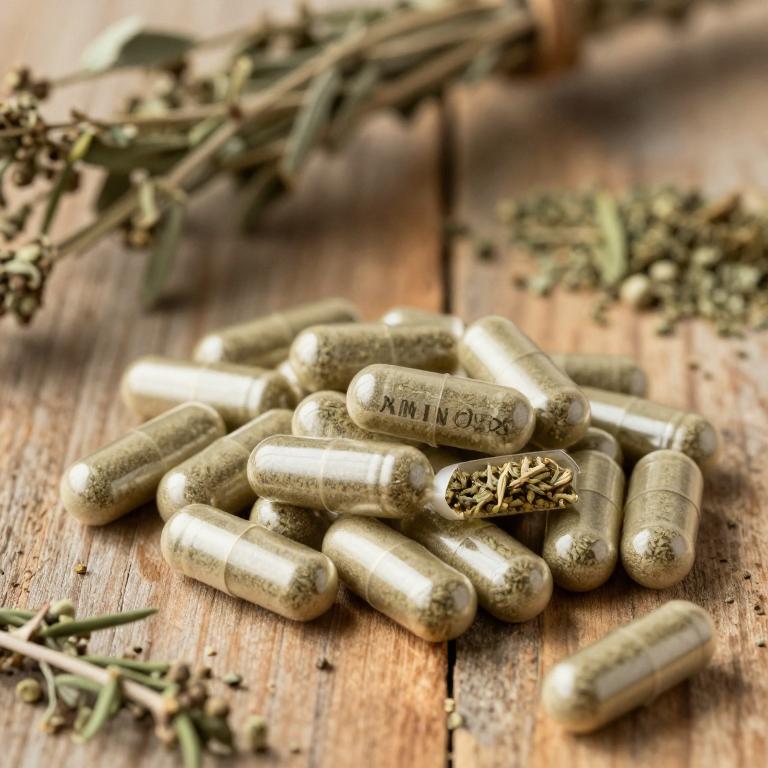
Salvia officinalis, commonly known as sage, has been traditionally used for its medicinal properties, including its potential to alleviate headaches.
Herbal capsules containing salvia officinalis are often marketed for their ability to reduce inflammation and ease tension, which are common causes of headaches. These capsules are typically made from dried and ground sage leaves, which are standardized to ensure consistent potency. Some studies suggest that the active compounds in sage may help regulate neurotransmitters and reduce pain perception.
However, it is important to consult with a healthcare professional before using sage supplements, especially for individuals with existing health conditions or those taking other medications.
6. Rosemary (Rosmarinus officinalis)
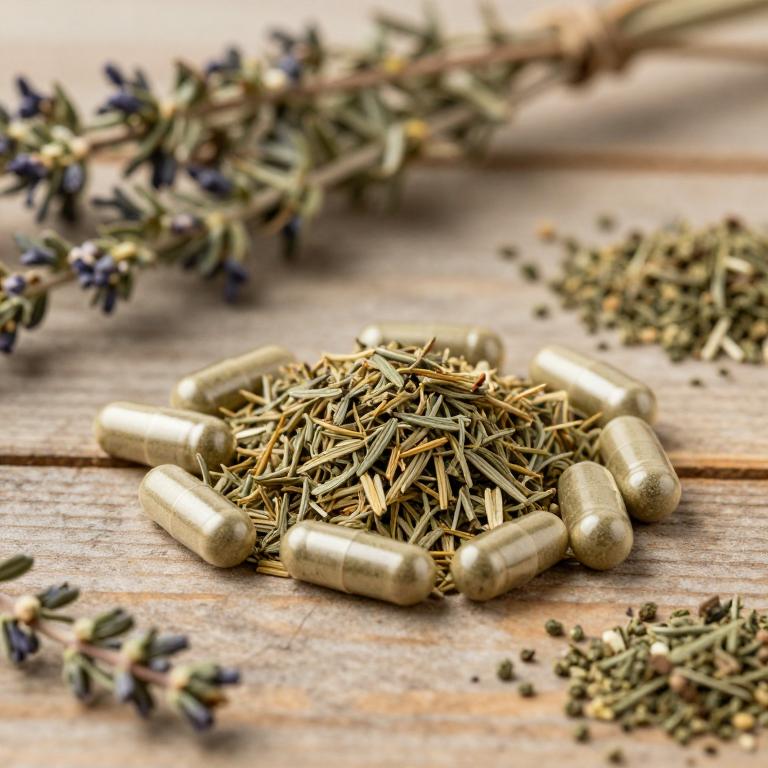
Rosmarinus officinalis, commonly known as rosemary, is a fragrant herb that has been traditionally used for its potential health benefits, including relief from headaches.
Rosemary herbal capsules are a convenient and concentrated form of this plant, offering a natural alternative for those seeking to manage headache symptoms. The essential oils in rosemary, such as 1,8-cineol and camphor, are believed to have analgesic and anti-inflammatory properties that may help reduce headache intensity. Studies suggest that inhaling rosemary essential oil or consuming it in capsule form may improve blood circulation and reduce muscle tension, common contributors to headaches.
However, it is important to consult with a healthcare professional before using rosemary capsules, especially for individuals with existing medical conditions or those taking other medications.
7. Echinacea (Echinacea purpurea)
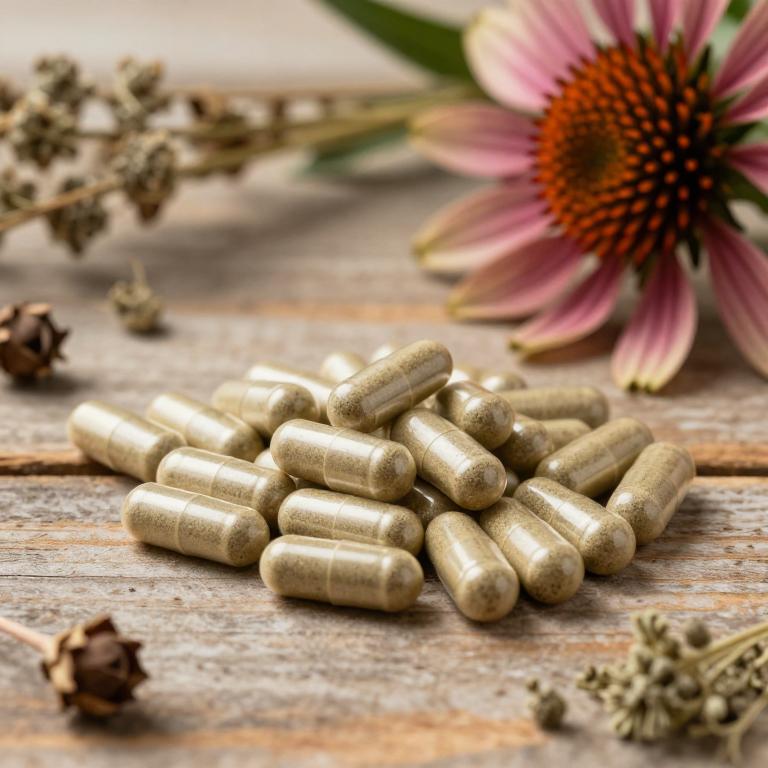
Echinacea purpurea, commonly known as purple coneflower, is a popular herbal remedy often used to support the immune system and reduce the frequency and severity of headaches.
While scientific evidence on its efficacy for headaches is limited, some studies suggest that echinacea may help alleviate inflammation and reduce pain, which are common contributors to headache symptoms. Herbal capsules containing echinacea purpurea are typically made from the dried root and flower of the plant, and they are available in various forms, including standardized extracts. It is important to consult with a healthcare provider before using echinacea, especially for individuals with allergies or those taking other medications.
As with any supplement, echinacea should be used as part of a holistic approach to headache management, alongside lifestyle adjustments and professional medical advice.
8. White water lily (Nymphaea alba)
Nymphaea alba, commonly known as white water lily, has been traditionally used in herbal medicine for its potential health benefits, including the relief of headaches.
The herbal capsules of Nymphaea alba are formulated to harness the plant's natural properties, which may help reduce inflammation and ease tension in the head and neck areas. These capsules are often preferred for their natural composition, making them a suitable option for individuals seeking alternatives to conventional pain relievers. The calming and soothing effects of Nymphaea alba may contribute to alleviating stress-related headaches.
As with any herbal supplement, it is advisable to consult a healthcare professional before use, especially for those with pre-existing medical conditions or taking other medications.
9. Ceylon cinnamon (Cinnamomum verum)
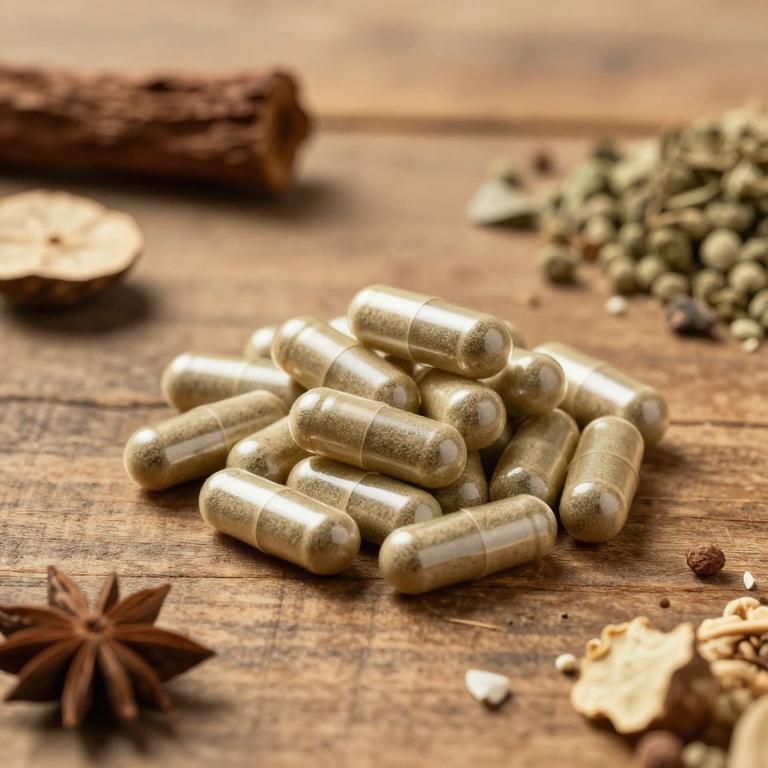
Cinnamomum verum, also known as true cinnamon, is often used in herbal formulations for its potential therapeutic properties.
When encapsulated into herbal capsules, it may offer a convenient and concentrated form of this spice for those seeking natural remedies. Some studies suggest that the essential oils in cinnamon may help alleviate headache symptoms by reducing inflammation and improving blood flow. However, it is important to note that while cinnamon is generally safe, excessive consumption can lead to side effects such as nausea or allergic reactions.
As with any herbal supplement, it is advisable to consult a healthcare professional before use, especially for individuals with existing medical conditions or those taking other medications.
10. Valerian (Valeriana officinalis)
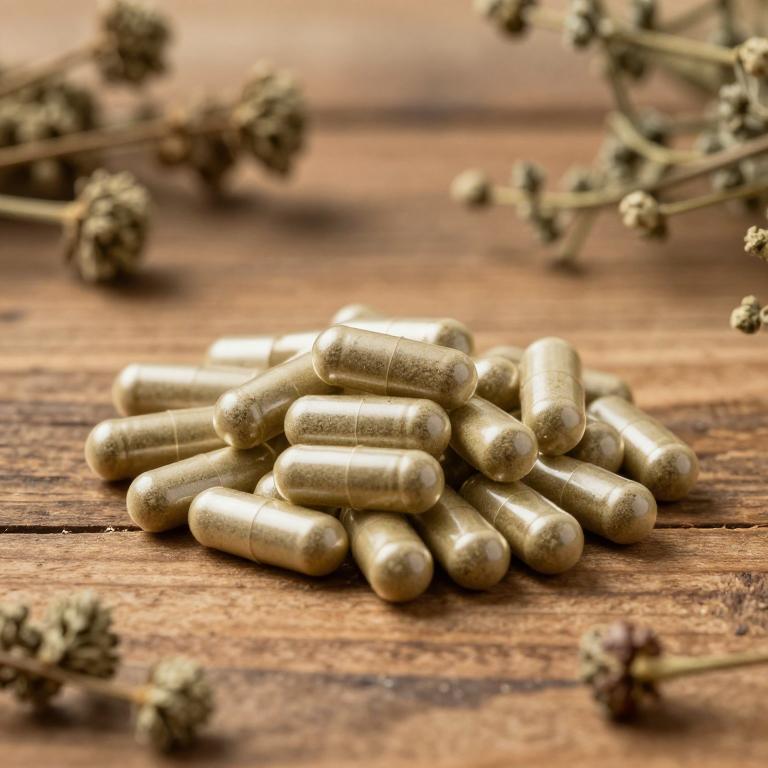
Valeriana officinalis, commonly known as valerian, is a traditional herbal remedy that has been used for centuries to address various ailments, including headaches.
Valerian root herbal capsules are a popular form of this herb, offering a convenient and standardized way to consume its active compounds. The primary active components in valerian, such as valerenic acid and volatile oils, are believed to interact with the central nervous system to promote relaxation and reduce anxiety, which can indirectly alleviate headache symptoms. While scientific evidence supporting its efficacy for headaches is limited, many users report that valerian helps ease tension headaches and migraines, particularly when stress or anxiety is a contributing factor.
As with any supplement, it is advisable to consult a healthcare professional before use, especially if you are taking other medications or have underlying health conditions.