10 Best Herbal Baths For Headaches
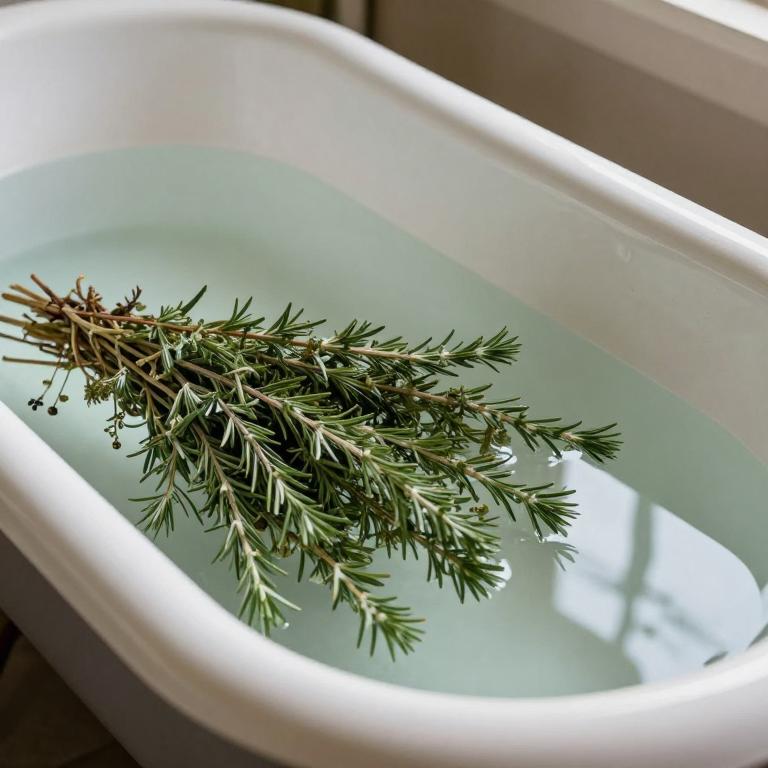
Herbal baths can be an effective and soothing remedy for relieving headaches by promoting relaxation and reducing muscle tension.
Certain herbs such as lavender, chamomile, and peppermint are commonly used in herbal baths due to their calming and analgesic properties. These herbs can be added to warm water to create a relaxing soak that helps ease the discomfort of tension headaches. The aromatic compounds released from the herbs also have a calming effect on the mind, helping to alleviate stress-related headaches.
Regular use of herbal baths may offer a natural and holistic approach to managing headache symptoms without the need for medication.
Table of Contents
- 1. Rosemary (Rosmarinus officinalis)
- 2. Salvia (Salvia officinalis)
- 3. Valerian (Valeriana officinalis)
- 4. English lavender (Lavandula angustifolia)
- 5. Yarrow (Achillea millefolium)
- 6. Peppermint (Mentha piperita)
- 7. St. john's wort (Hypericum perforatum)
- 8. Camellia (Camellia sinensis)
- 9. Field horsetail (Equisetum arvense)
- 10. Stinging nettle (Urtica dioica)
1. Rosemary (Rosmarinus officinalis)
Rosmarinus officinalis, commonly known as rosemary, is a fragrant herb that has been traditionally used for its aromatic and therapeutic properties.
Incorporating rosemary into herbal baths can provide a soothing and invigorating experience, helping to alleviate symptoms of headaches through its stimulating and calming effects. The essential oils derived from rosemary leaves are known to improve blood circulation and reduce muscle tension, which may contribute to easing headache pain. When infused into bathwater, rosemary's aromatic compounds can be inhaled, promoting relaxation and reducing stress, a common trigger for headaches.
Regular use of rosemary herbal baths may offer a natural and holistic approach to managing and preventing headache symptoms.
2. Salvia (Salvia officinalis)
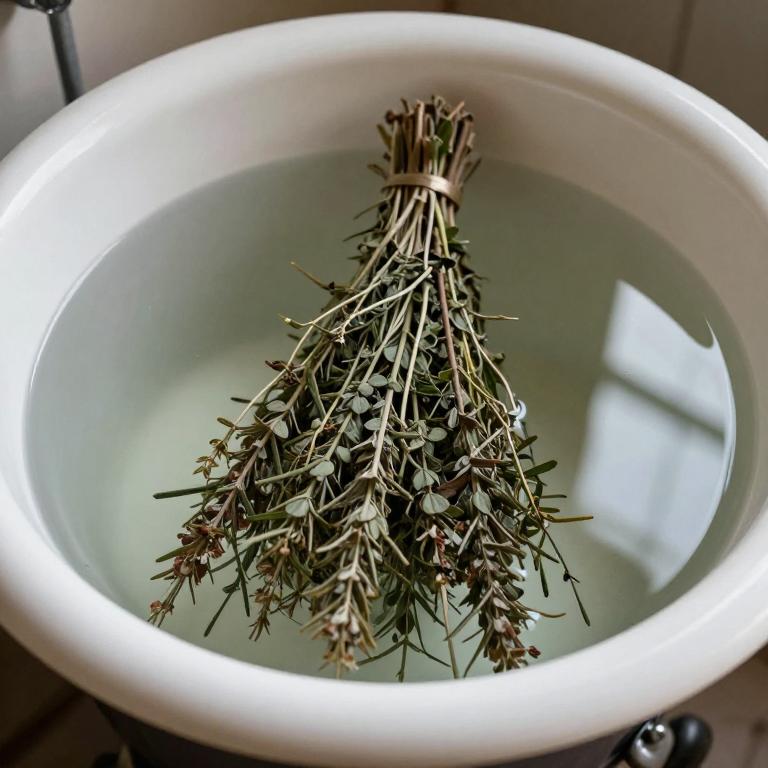
Salvia officinalis, commonly known as sage, has been traditionally used in herbal baths to alleviate headaches due to its calming and anti-inflammatory properties.
When infused into bath water, sage helps to relax tense muscles and reduce stress, which are common contributors to headache symptoms. The aromatic compounds in sage may also stimulate the senses and promote relaxation, offering a soothing effect on the mind and body. Herbal baths with sage can be particularly beneficial for tension headaches and migraines, providing a natural alternative to conventional treatments.
To use sage in a bath, simply steep dried sage leaves in hot water for several minutes before adding the infused water to a tub, allowing the therapeutic benefits to be absorbed through the skin and inhaled.
3. Valerian (Valeriana officinalis)
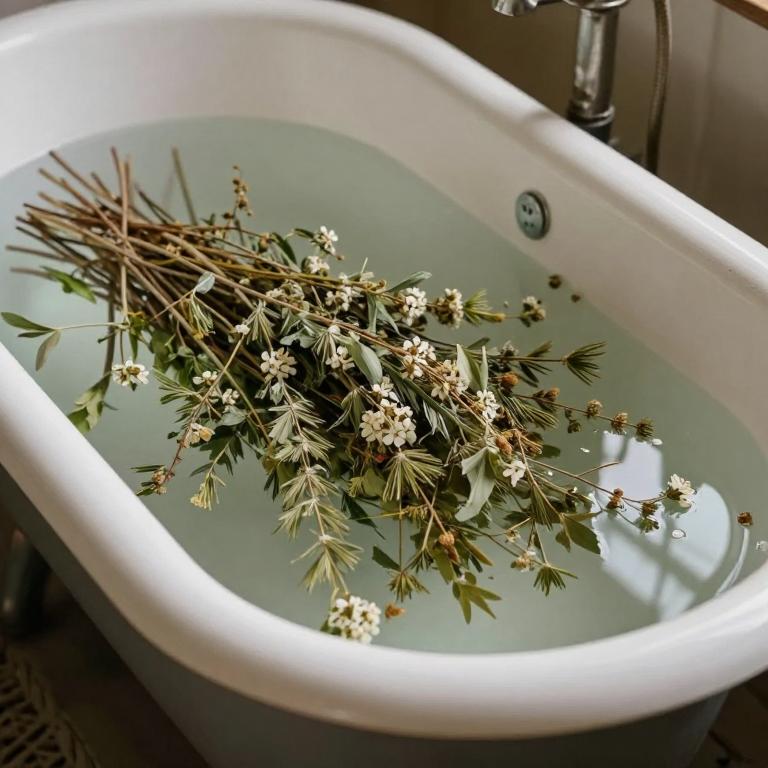
Valeriana officinalis, commonly known as valerian, is a herbal remedy traditionally used for its calming and sedative properties.
When used in herbal baths, valerian can help alleviate tension headaches by promoting relaxation and reducing muscle tension in the neck and scalp. To prepare a valerian bath, steep the dried roots in hot water for several hours, then add the infusion to a warm bath. The soothing aroma of valerian is believed to ease anxiety, which can be a contributing factor to headache frequency.
While valerian baths are generally safe, it is advisable to consult a healthcare professional before use, especially for those with sensitive skin or existing medical conditions.
4. English lavender (Lavandula angustifolia)
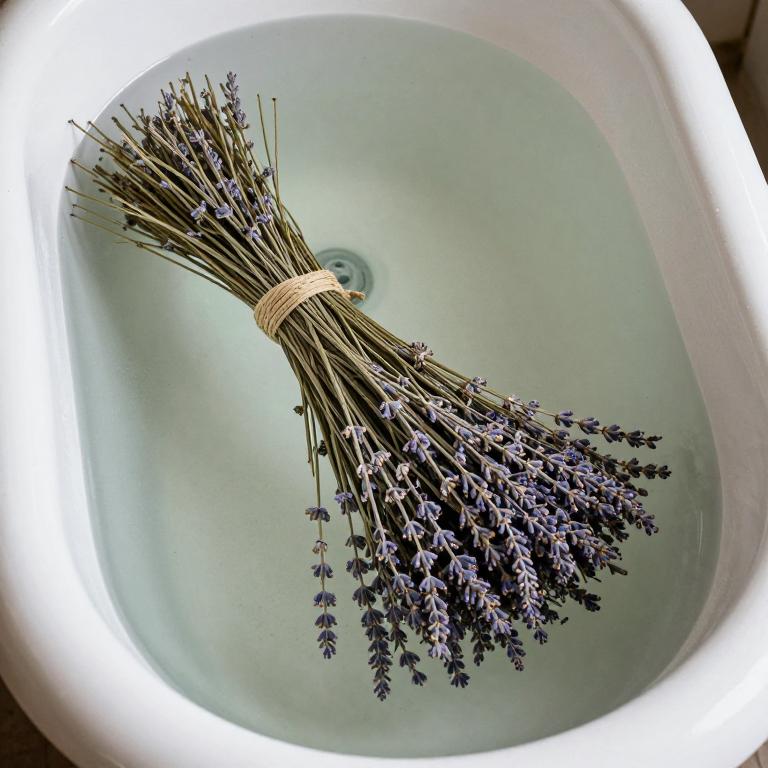
Lavandula angustifolia, commonly known as English lavender, is widely used in herbal baths for its calming and soothing properties.
When added to warm bath water, lavender essential oil or dried lavender flowers can help relieve tension headaches by promoting relaxation and reducing stress. The aromatic compounds in lavender have been shown to ease muscle tension and improve blood circulation, which can alleviate headache symptoms. A lavender-infused bath can also help improve sleep quality, which is often linked to the frequency and severity of headaches.
For best results, it is recommended to soak in the bath for at least 15 to 20 minutes, allowing the soothing effects of lavender to penetrate the skin and calm the mind.
5. Yarrow (Achillea millefolium)
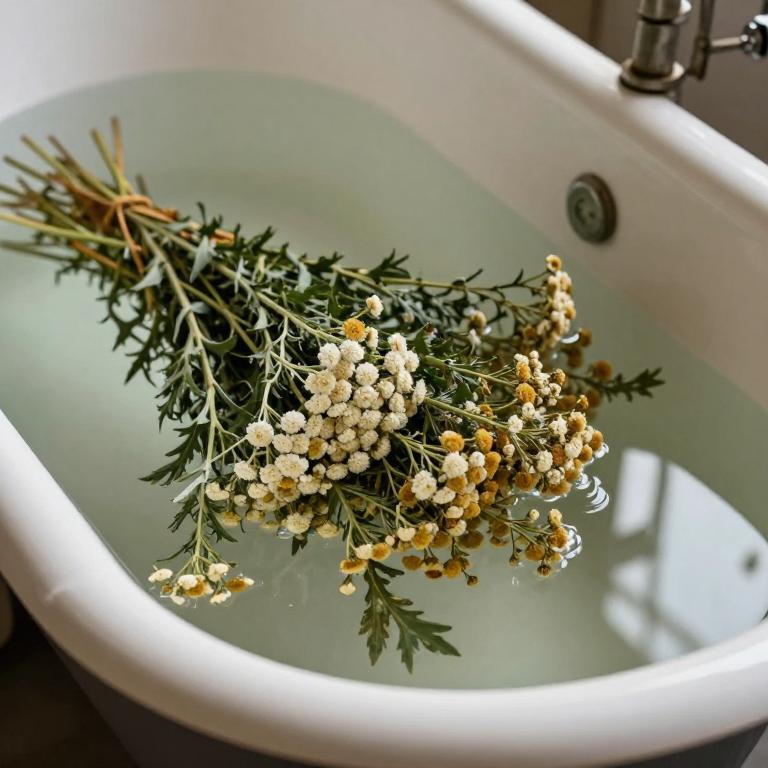
Achillea millefolium, commonly known as yarrow, has been traditionally used in herbal baths to alleviate headaches due to its anti-inflammatory and circulatory-stimulating properties.
When infused into bath water, yarrow can help relax tense muscles and improve blood flow, which may reduce the intensity of headache symptoms. The soothing aroma of yarrow may also have a calming effect on the nervous system, contributing to overall relief. To prepare an herbal bath, steep a handful of dried yarrow in hot water for several hours, then add the liquid to a warm bath.
While herbal baths can be a natural and relaxing remedy, it is advisable to consult a healthcare professional, especially if headaches are frequent or severe.
6. Peppermint (Mentha piperita)
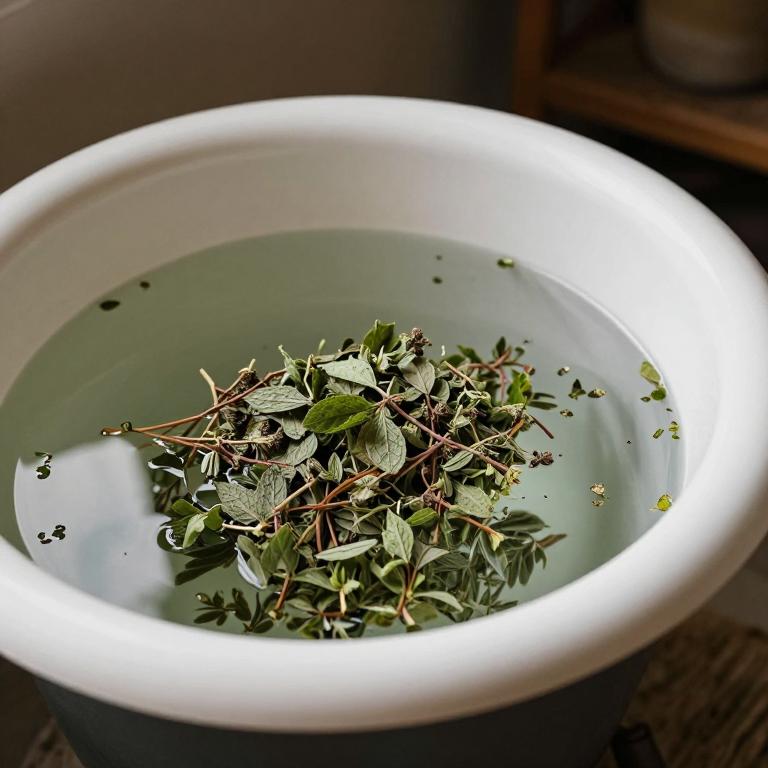
Mentha piperita, commonly known as peppermint, is often used in herbal baths to alleviate headaches due to its cooling and soothing properties.
When added to warm water, peppermint essential oil or fresh leaves can help relax tense muscles and improve blood circulation, which may reduce the intensity of tension headaches. The aromatic compounds in peppermint stimulate the senses and can promote a calming effect on the mind, easing mental fatigue that often accompanies headache symptoms. A 15- to 20-minute soak in a peppermint-infused bath can provide relief by reducing inflammation and calming the nervous system.
However, it is important to dilute the essential oil properly to avoid skin irritation and to consult a healthcare professional if headaches persist or are severe.
7. St. john's wort (Hypericum perforatum)
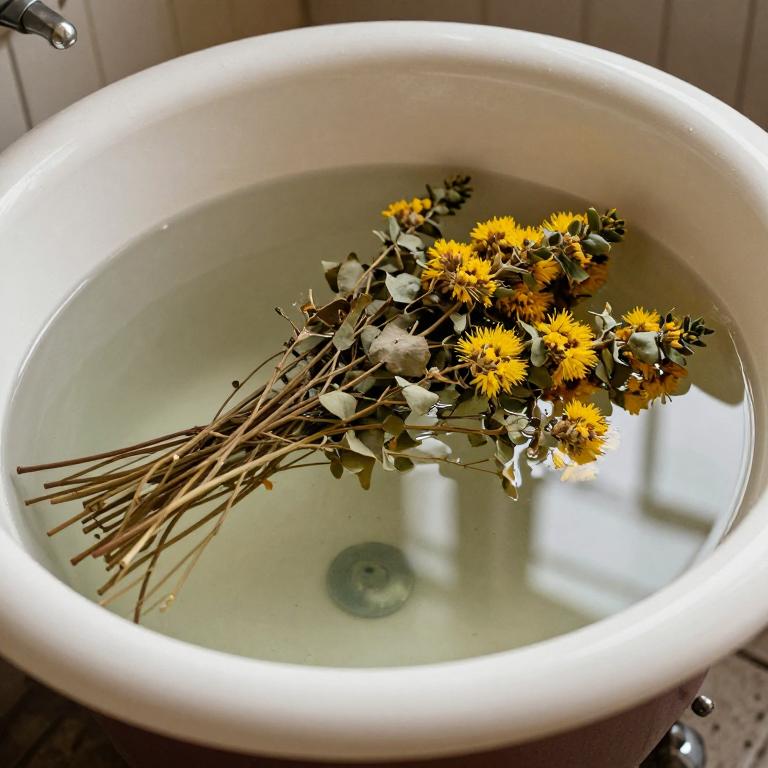
Hypericum perforatum, commonly known as St. John's Wort, has been traditionally used in herbal baths to alleviate symptoms of headaches.
When infused into warm water, the essential oils and active compounds of St. John's Wort may help reduce inflammation and ease tension in the muscles around the head and neck. This soothing practice is believed to promote relaxation and improve blood circulation, which can relieve headache pain. Herbal baths with St. John's Wort are often recommended for individuals suffering from migraines or tension-type headaches.
However, it is important to consult with a healthcare professional before using this remedy, especially if you are taking other medications, as St. John's Wort can interact with certain drugs.
8. Camellia (Camellia sinensis)
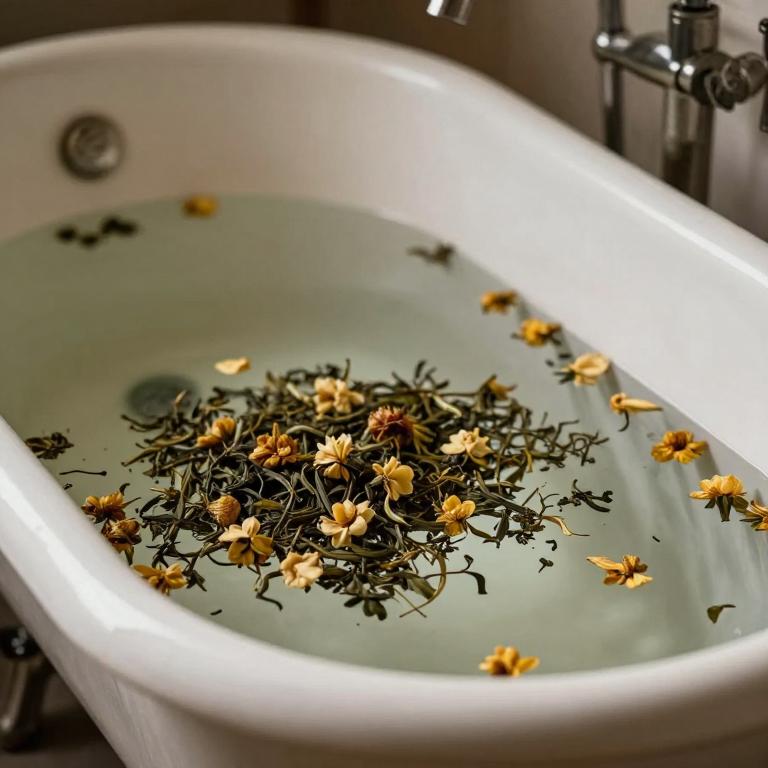
Camellia sinensis, commonly known as the plant from which green and black teas are derived, has been traditionally used in herbal remedies for its soothing and anti-inflammatory properties.
When infused into a bath, Camellia sinensis can help relieve headaches by promoting relaxation and reducing muscle tension, which are common contributors to tension-type headaches. The calming aroma of the tea can also have a soothing effect on the mind, helping to alleviate stress-related headaches. Additionally, the antioxidants present in Camellia sinensis may help reduce inflammation and improve blood circulation, further supporting headache relief.
However, it is important to use the tea in moderation and consult with a healthcare professional before incorporating it into a regular wellness routine.
9. Field horsetail (Equisetum arvense)
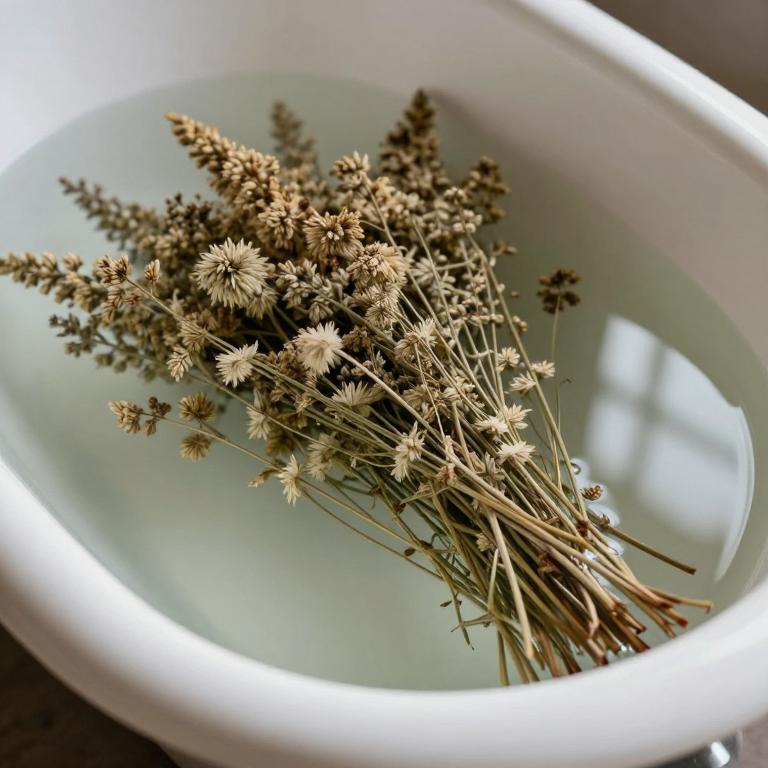
Equisetum arvense, commonly known as field horsetail, has been traditionally used in herbal baths to alleviate headaches due to its high concentration of silica and other minerals that may promote circulation and reduce inflammation.
The antibacterial and anti-inflammatory properties of horsetail may help soothe tension headaches and migraines when used in warm water baths. To prepare the bath, a handful of dried horsetail is steeped in hot water for several hours, then the infused water is used to fill a tub, allowing the body to absorb its beneficial compounds through the skin. Some proponents suggest that the aromatic compounds in horsetail may also have a calming effect, further easing headache symptoms.
While herbal baths can be a complementary therapy, it is advisable to consult a healthcare professional before using them, especially for persistent or severe headaches.
10. Stinging nettle (Urtica dioica)
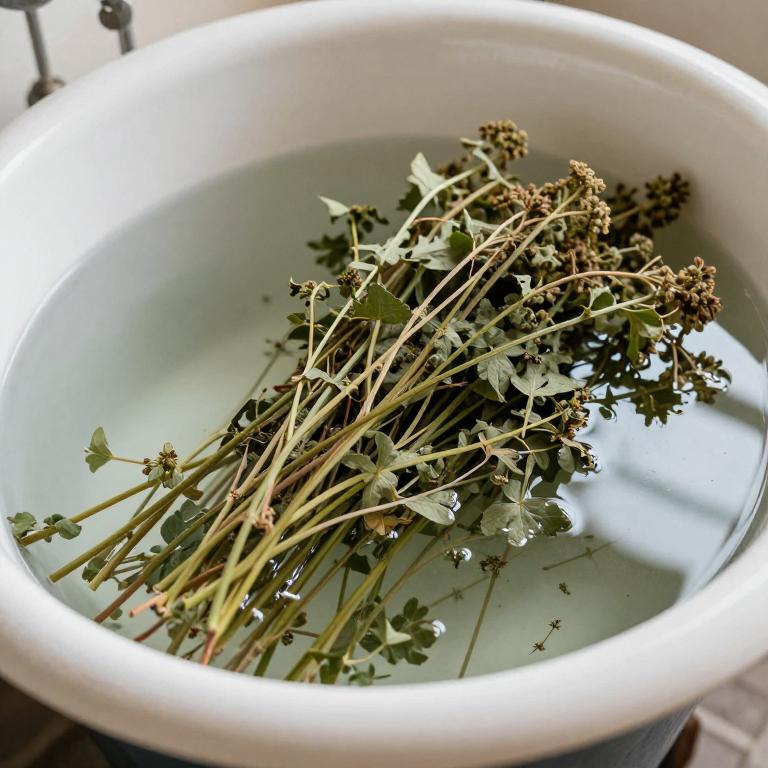
Urtica dioica, commonly known as stinging nettle, has been traditionally used in herbal baths to alleviate headaches by promoting relaxation and reducing inflammation.
When infused into warm water, the compounds in stinging nettle may help soothe tense muscles and ease the pressure often associated with tension headaches. The anti-inflammatory properties of nettle are believed to support overall circulatory health, which can indirectly relieve headache symptoms. To prepare the bath, fresh or dried nettle leaves are steeped in water before being added to a warm bath, allowing the beneficial compounds to be absorbed through the skin.
While herbal baths can be a soothing complementary therapy, they should not replace medical advice for persistent or severe headaches.