10 Best Herbal Lozenges For Numbness In Hands
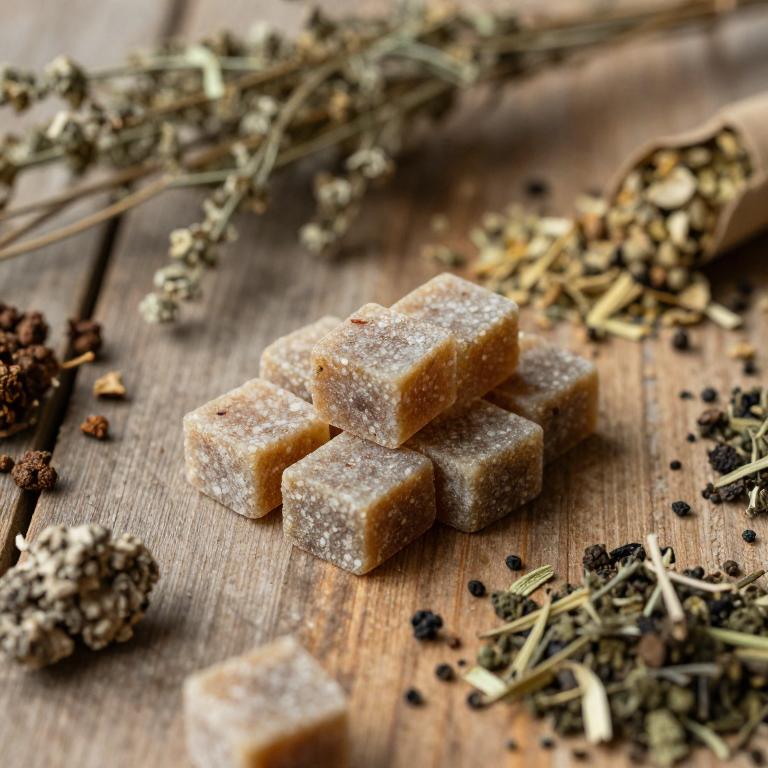
Herbal lozenges are natural remedies that may help alleviate numbness in the hands by promoting circulation and reducing inflammation.
These lozenges often contain ingredients such as ginger, turmeric, or garlic, which are known for their anti-inflammatory and circulatory benefits. While they are not a substitute for medical treatment, they can serve as a complementary therapy for individuals experiencing mild to moderate numbness. Some herbal lozenges also include calming herbs like lavender or chamomile, which may help reduce stress-related symptoms.
It is important to consult with a healthcare professional before using herbal lozenges, especially if the numbness is persistent or accompanied by other concerning symptoms.
Table of Contents
- 1. Chaste tree (Vitex agnus-castus)
- 2. Ginkgo (Ginkgo biloba)
- 3. Stinging nettle (Urtica dioica)
- 4. Echinacea (Echinacea purpurea)
- 5. Rosemary (Rosmarinus officinalis)
- 6. Salvia (Salvia officinalis)
- 7. Ginger (Zingiber officinale)
- 8. Yarrow (Achillea millefolium)
- 9. White water lily (Nymphaea alba)
- 10. St. john's wort (Hypericum perforatum)
1. Chaste tree (Vitex agnus-castus)
Vitex agnus-castus, commonly known as chaste tree, has been traditionally used in herbal medicine for its potential to support hormonal balance and nerve health.
Vitex agnus-castus herbal lozenges are formulated to provide a convenient and targeted method of delivering the herb’s active compounds to the oral cavity and potentially into the bloodstream. These lozenges may help alleviate numbness in the hands by promoting improved circulation and reducing inflammation, which are often underlying factors in such conditions. While scientific research on vitex for neuropathic symptoms is limited, some studies suggest its phytoestrogens and other compounds may have neuroprotective effects.
As with any herbal remedy, it is advisable to consult a healthcare professional before use, especially for individuals with pre-existing medical conditions or those taking other medications.
2. Ginkgo (Ginkgo biloba)
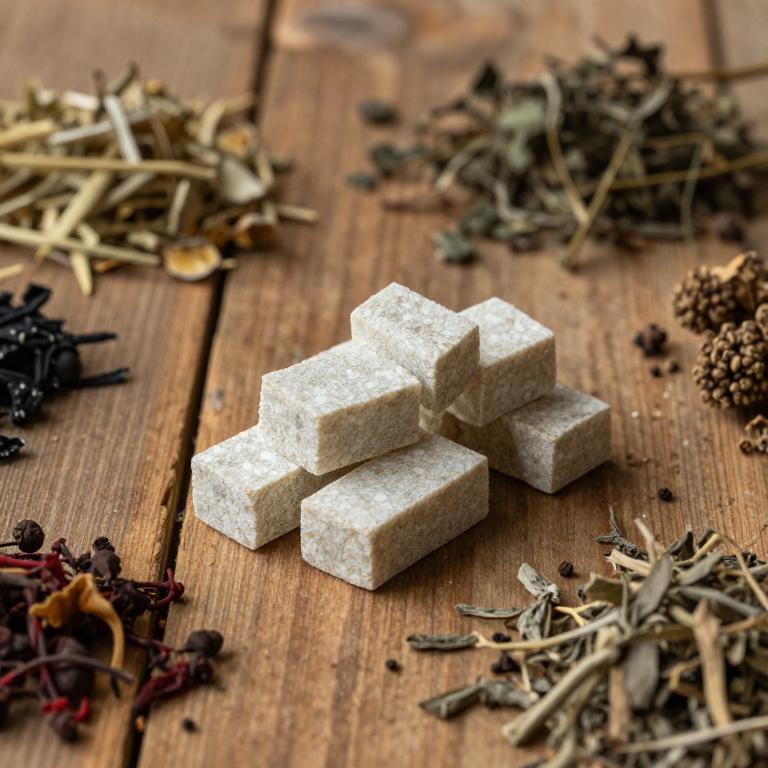
Ginkgo biloba herbal lozenges are traditionally used to support circulation and alleviate symptoms such as numbness in the hands.
These lozenges contain standardized extracts of the ginkgo biloba leaf, which is known for its rich content of flavonoids and terpenoids. The active compounds in ginkgo biloba are believed to enhance blood flow and improve nerve function, potentially reducing tingling and numbness. As a natural remedy, these lozenges are often sought by individuals looking for alternative treatments for peripheral neuropathy or repetitive strain injuries.
However, it is important to consult with a healthcare professional before use, especially for those with existing medical conditions or taking other medications.
3. Stinging nettle (Urtica dioica)
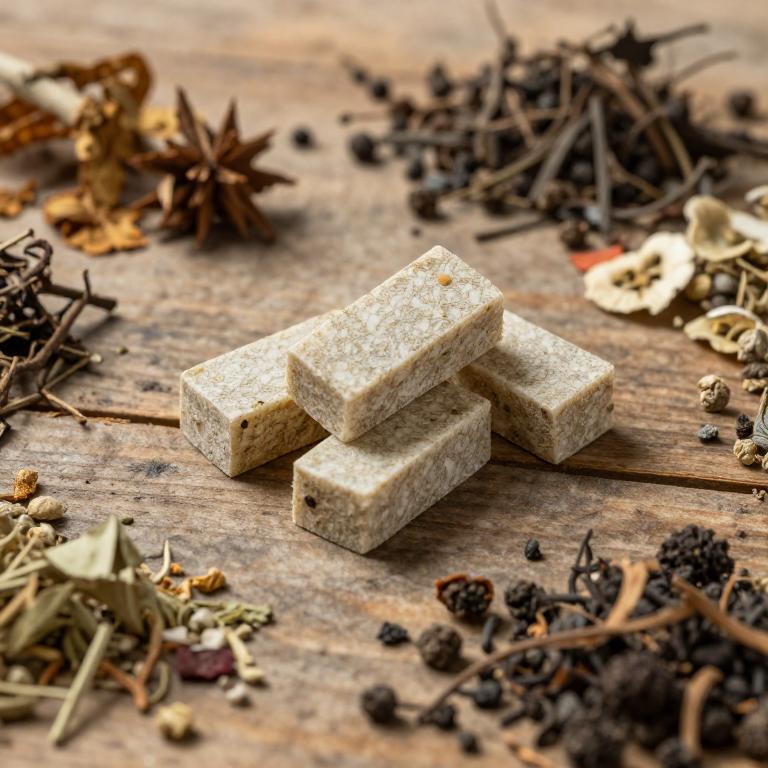
Urtica dioica, commonly known as stinging nettle, has been traditionally used for its potential therapeutic properties, including anti-inflammatory and analgesic effects.
Urtica dioica herbal lozenges are formulated to support relief from numbness in the hands by promoting circulation and reducing inflammation in the peripheral nerves. These lozenges may help alleviate symptoms associated with conditions such as carpal tunnel syndrome or peripheral neuropathy. The active compounds in stinging nettle, such as flavonoids and lignans, are believed to contribute to their effectiveness in improving nerve function and reducing discomfort.
While they are not a substitute for medical treatment, these lozenges can be a complementary option for managing hand numbness when used as part of a holistic health approach.
4. Echinacea (Echinacea purpurea)
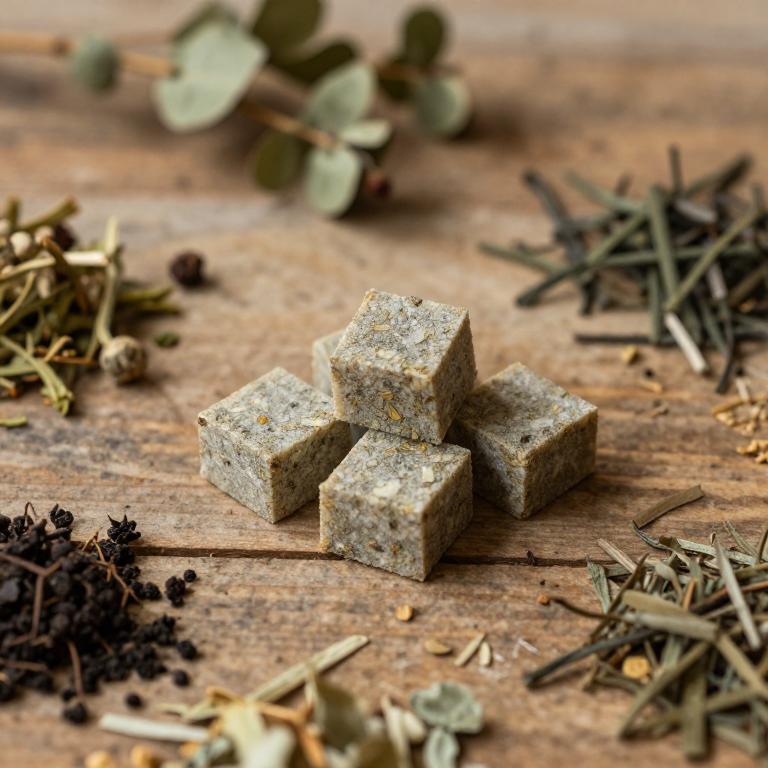
Echinacea purpurea herbal lozenges are traditionally used to support immune function and reduce inflammation, but they are not specifically formulated or proven to treat numbness in the hands.
Numbness in the hands can be caused by various factors, including nerve compression, circulation issues, or vitamin deficiencies, and echinacea is not a recognized treatment for these conditions. While some people may use echinacea lozenges for general wellness or to alleviate mild symptoms associated with colds or sore throats, they should not be relied upon as a primary treatment for neurological symptoms like hand numbness. It is important to consult a healthcare professional if hand numbness persists, as it may indicate an underlying health issue that requires proper diagnosis and treatment.
Always follow the recommended dosage and check for potential interactions with other medications before using echinacea lozenges.
5. Rosemary (Rosmarinus officinalis)
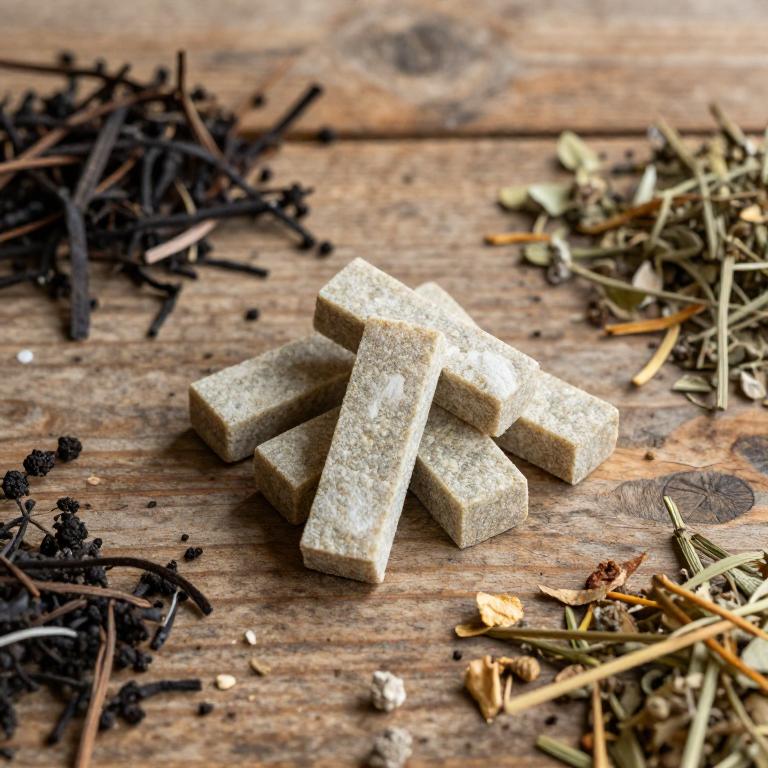
Rosmarinus officinalis, commonly known as rosemary, has been traditionally used for its stimulating and circulatory benefits, making rosemary herbal lozenges a natural remedy for numbness in the hands.
These lozenges typically contain rosemary extract, which is believed to enhance blood circulation and support nerve function, potentially alleviating tingling and numbness. The aromatic compounds in rosemary may also help reduce stress and anxiety, which are often associated with poor circulation and nerve sensitivity. While scientific evidence supporting their efficacy for hand numbness is limited, many users report a soothing effect and improved sensation after regular use.
As with any herbal remedy, it is advisable to consult a healthcare professional before incorporating rosemary lozenges into a treatment regimen, especially for persistent or severe numbness.
6. Salvia (Salvia officinalis)
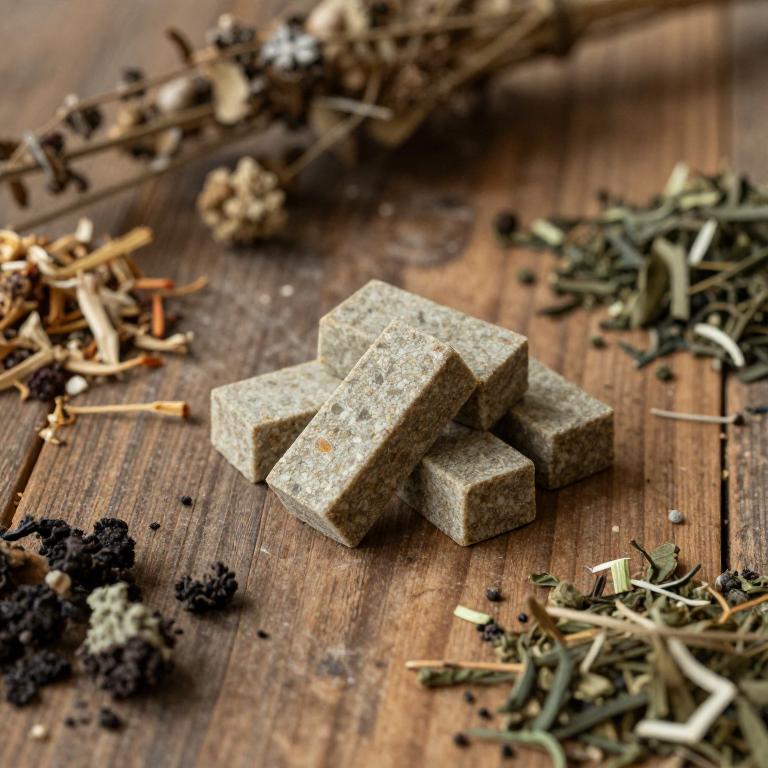
Salvia officinalis, commonly known as sage, has been traditionally used for its medicinal properties, and herbal lozenges made from this plant may offer relief for numbness in the hands.
These lozenges are believed to support nerve health due to the presence of compounds like rosmarinic acid and flavonoids, which have anti-inflammatory and antioxidant effects. While there is limited scientific evidence specifically linking sage lozenges to the treatment of hand numbness, some studies suggest that sage may help improve circulation and reduce nerve irritation. It is important to consult a healthcare professional before using sage lozenges, especially if the numbness is persistent or accompanied by other symptoms.
As a complementary therapy, sage lozenges may be considered alongside conventional treatments for conditions like carpal tunnel syndrome or peripheral neuropathy.
7. Ginger (Zingiber officinale)
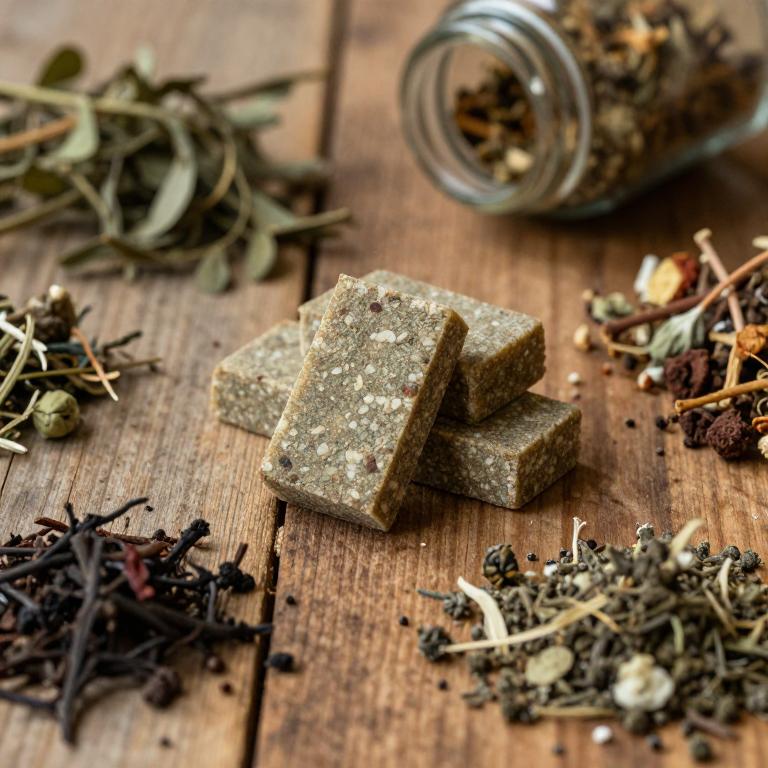
Zingiber officinale, commonly known as ginger, has been traditionally used for its anti-inflammatory and circulatory benefits, making it a potential natural remedy for numbness in the hands.
Herbal lozenges containing ginger extract may help improve blood flow and reduce inflammation, which could alleviate symptoms associated with poor circulation or nerve irritation. These lozenges are often preferred for their ease of use and gentle delivery of active compounds directly to the oral cavity. While they may not replace medical treatment for severe conditions like carpal tunnel syndrome, they can serve as a complementary therapy to support overall hand health.
However, it is important to consult with a healthcare professional before using ginger lozenges, especially for individuals with underlying health conditions or those taking medications.
8. Yarrow (Achillea millefolium)
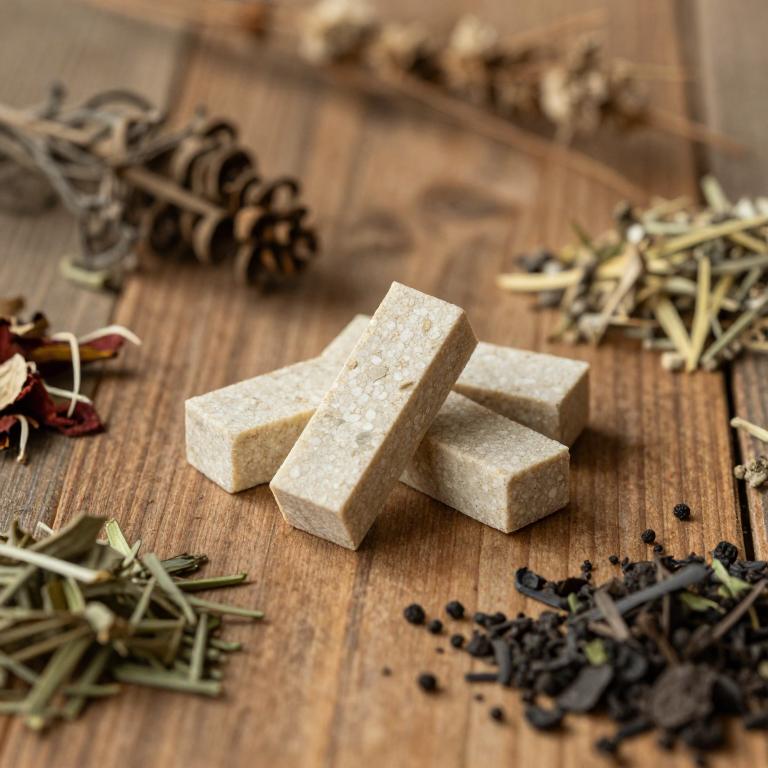
Achillea millefolium, commonly known as yarrow, has been traditionally used in herbal medicine for its potential anti-inflammatory and circulatory benefits.
Herbal lozenges containing Achillea millefolium may help alleviate numbness in the hands by improving blood flow and reducing nerve irritation. These lozenges are often formulated with other complementary herbs to enhance their therapeutic effects. While they are not a substitute for medical treatment, they may offer a natural alternative for individuals seeking relief from hand numbness.
As with any herbal supplement, it is advisable to consult a healthcare professional before use, especially for those with underlying health conditions or taking other medications.
9. White water lily (Nymphaea alba)
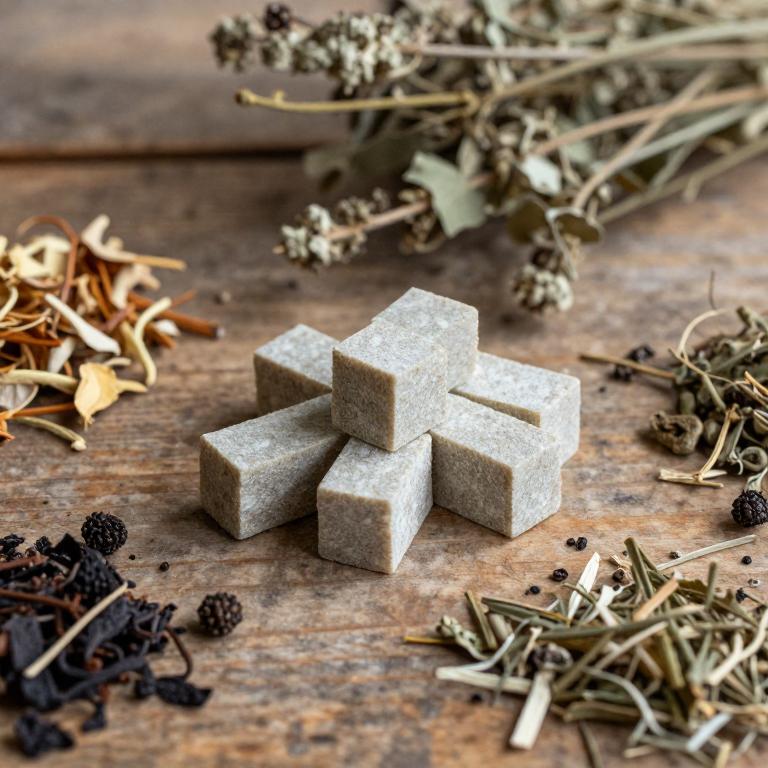
Nymphaea alba, also known as white water lily, has been traditionally used in herbal medicine for its potential soothing and calming properties.
Nymphaea alba herbal lozenges are formulated to provide relief from numbness in the hands by promoting circulation and reducing inflammation. These lozenges are often made with a blend of natural herbs, including Nymphaea alba extract, which is believed to support nerve health and enhance sensory function. The slow release of herbal compounds in the lozenges allows for prolonged relief, making them a convenient option for managing hand numbness.
While they are not a substitute for medical treatment, they may complement other therapies in alleviating symptoms associated with conditions like carpal tunnel syndrome or poor circulation.
10. St. john's wort (Hypericum perforatum)
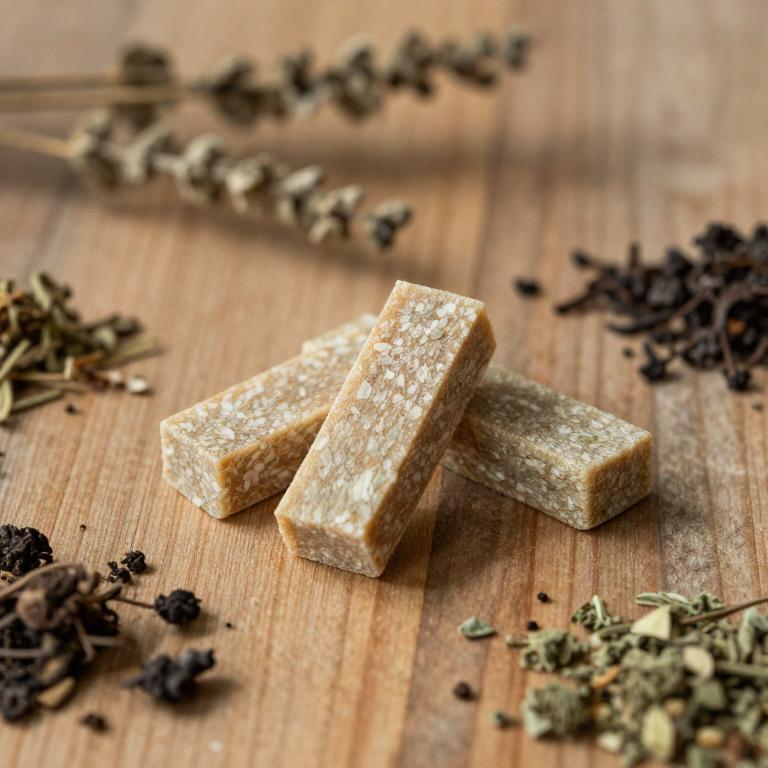
Hypericum perforatum, commonly known as St. John's Wort, is a herbal remedy that has been traditionally used for its potential calming and anti-inflammatory properties.
When formulated into lozenges, it may offer a convenient and targeted way to address numbness in the hands, possibly due to its ability to support nerve health and improve circulation. Some studies suggest that the active compounds in Hypericum perforatum, such as hyperforin and hypericin, may help reduce inflammation and enhance nerve function, which could alleviate symptoms of hand numbness. However, it is important to consult with a healthcare professional before using this herb, as it can interact with certain medications and may not be suitable for everyone.
Despite its traditional use, more clinical research is needed to fully understand its efficacy and safety in treating hand numbness.