10 Best Herbal Capsules For Numbness In Hands

Herbal capsules are increasingly being used as a natural alternative to manage numbness in the hands, often associated with conditions like carpal tunnel syndrome or poor circulation.
These capsules typically contain a blend of herbs such as ginger, turmeric, and willow bark, which are known for their anti-inflammatory and pain-relieving properties. Some formulations may also include ginkgo biloba or bromelain to enhance circulation and reduce nerve inflammation. While herbal capsules are generally considered safe, they should be used under the guidance of a healthcare professional to ensure proper dosage and avoid potential interactions with other medications.
Overall, they offer a complementary approach to conventional treatments, providing relief for individuals seeking a holistic solution to hand numbness.
Table of Contents
- 1. Ginkgo (Ginkgo biloba)
- 2. Salvia (Salvia officinalis)
- 3. St. john's wort (Hypericum perforatum)
- 4. Chaste tree (Vitex agnus-castus)
- 5. Stinging nettle (Urtica dioica)
- 6. Ginger (Zingiber officinale)
- 7. Turmeric (Curcuma longa)
- 8. Thistle (Silybum marianum)
- 9. Echinacea (Echinacea purpurea)
- 10. White water lily (Nymphaea alba)
1. Ginkgo (Ginkgo biloba)
Ginkgo biloba herbal capsules are commonly used to support circulation and may help alleviate numbness in the hands by improving blood flow and nerve function.
The active compounds in ginkgo biloba, such as flavonoids and terpenoids, are believed to enhance microcirculation and reduce oxidative stress, which can contribute to nerve damage. While some studies suggest that ginkgo biloba may offer modest benefits for conditions like peripheral neuropathy, more research is needed to confirm its effectiveness for hand numbness specifically. It is often taken as a dietary supplement, typically in capsule form, and is generally considered safe when used in recommended doses.
However, individuals should consult with a healthcare provider before starting ginkgo biloba, especially if they are taking medications or have underlying health conditions.
2. Salvia (Salvia officinalis)

Salvia officinalis, commonly known as sage, has been traditionally used for its potential health benefits, including its ability to support nerve function.
Some studies suggest that compounds found in sage, such as rosmarinic acid and flavonoids, may help reduce inflammation and improve circulation, which could potentially alleviate numbness in the hands. Herbal capsules containing salvia officinalis are often marketed as a natural remedy for conditions like peripheral neuropathy. While preliminary research is promising, more clinical trials are needed to confirm its efficacy for hand numbness.
As with any supplement, it is advisable to consult a healthcare professional before use, especially if you have underlying medical conditions or are taking other medications.
3. St. john's wort (Hypericum perforatum)
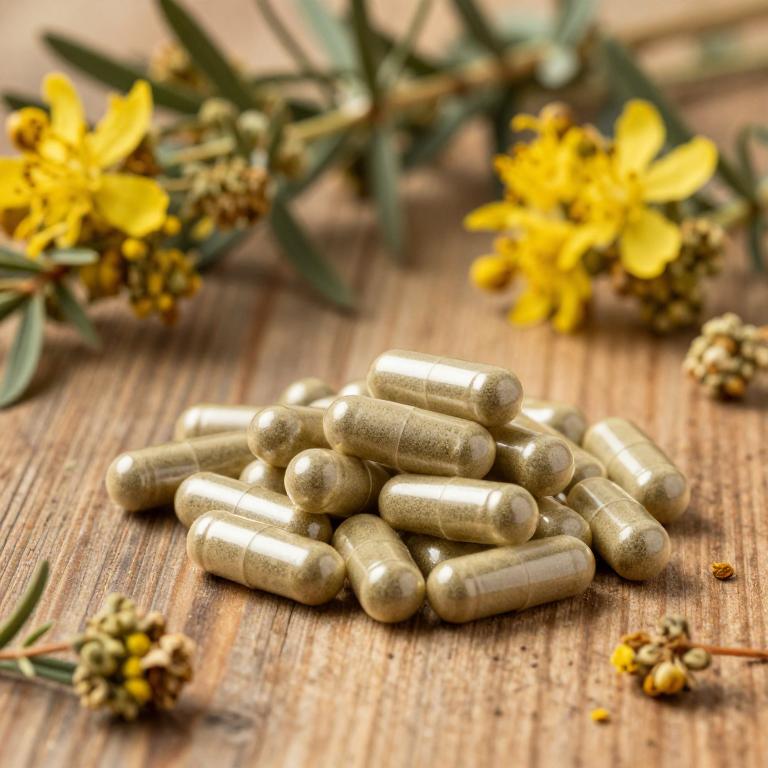
Hypericum perforatum, commonly known as St. John's Wort, is a herbal remedy that has been traditionally used for its potential anti-inflammatory and neuroprotective properties.
While it is well-known for its use in treating mild to moderate depression, some studies suggest it may also help alleviate numbness in the hands by improving circulation and reducing nerve inflammation. Herbal capsules containing Hypericum perforatum are often taken orally and may be combined with other herbs to enhance their effects. However, it is important to consult with a healthcare provider before use, as it can interact with certain medications and may not be suitable for everyone.
Despite its traditional use, more clinical research is needed to fully understand its effectiveness for hand numbness.
4. Chaste tree (Vitex agnus-castus)
Vitex agnus-castus, commonly known as chaste tree, has been traditionally used in herbal medicine to support hormonal balance and alleviate symptoms related to menopause.
Some studies suggest that the herb may help reduce numbness in the hands by improving circulation and reducing inflammation, which are common contributors to tingling and numbness. Herbal capsules containing Vitex agnus-castus are often taken as a natural alternative to conventional treatments for nerve-related issues. While more research is needed to confirm its efficacy, many users report improved sensation and reduced discomfort after regular use.
As with any supplement, it is advisable to consult a healthcare professional before starting Vitex agnus-castus, especially if you have underlying health conditions or are taking other medications.
5. Stinging nettle (Urtica dioica)
Urtica dioica, commonly known as stinging nettle, has been traditionally used for its potential health benefits, including alleviating numbness in the hands.
When formulated into herbal capsules, Urtica dioica may support nerve health due to its rich content of antioxidants, minerals, and anti-inflammatory compounds. Some studies suggest that the plant's compounds may help improve circulation and reduce inflammation, which could contribute to relief from hand numbness. However, it is important to consult with a healthcare provider before starting any herbal supplement, especially for individuals with underlying medical conditions or those taking other medications.
While Urtica dioica herbal capsules may offer natural support for hand numbness, they should not replace professional medical advice or treatment.
6. Ginger (Zingiber officinale)

Zingiber officinale, commonly known as ginger, has been traditionally used for its anti-inflammatory and circulatory benefits, making it a popular herbal remedy for numbness in the hands.
When taken in the form of herbal capsules, zingiber officinale may help improve blood flow and reduce inflammation, which can alleviate symptoms associated with nerve compression or poor circulation. Some studies suggest that ginger's active compounds, such as gingerols and shogaols, may have neuroprotective properties that support nerve health. However, it is important to consult with a healthcare provider before using ginger capsules, especially if you have underlying health conditions or are taking other medications.
While ginger may offer some relief for hand numbness, it should not replace professional medical advice or treatment.
7. Turmeric (Curcuma longa)

Curcuma longa, commonly known as turmeric, is a herbal remedy often used in traditional medicine for its anti-inflammatory and antioxidant properties.
Curcuma longa herbal capsules may help alleviate numbness in the hands by reducing inflammation and improving blood circulation. The active compound in turmeric, curcumin, has been studied for its potential to support nerve health and reduce oxidative stress. While some research suggests that curcumin may have neuroprotective effects, more clinical studies are needed to confirm its efficacy for hand numbness.
As with any supplement, it is important to consult with a healthcare professional before using curcuma longa capsules, especially if you have underlying health conditions or are taking other medications.
8. Thistle (Silybum marianum)

Silybum marianum, also known as milk thistle, is a herbal supplement commonly used for its potential liver-protecting properties.
While it is primarily studied for its effects on liver health, some research suggests that its antioxidant and anti-inflammatory compounds may help alleviate symptoms of nerve-related conditions, such as numbness in the hands. These effects could be beneficial for individuals with peripheral neuropathy or other nerve disorders that contribute to hand numbness. However, it is important to note that more clinical studies are needed to confirm its efficacy for this specific use.
As with any supplement, it should be taken under the guidance of a healthcare professional to ensure safety and appropriateness for individual health conditions.
9. Echinacea (Echinacea purpurea)
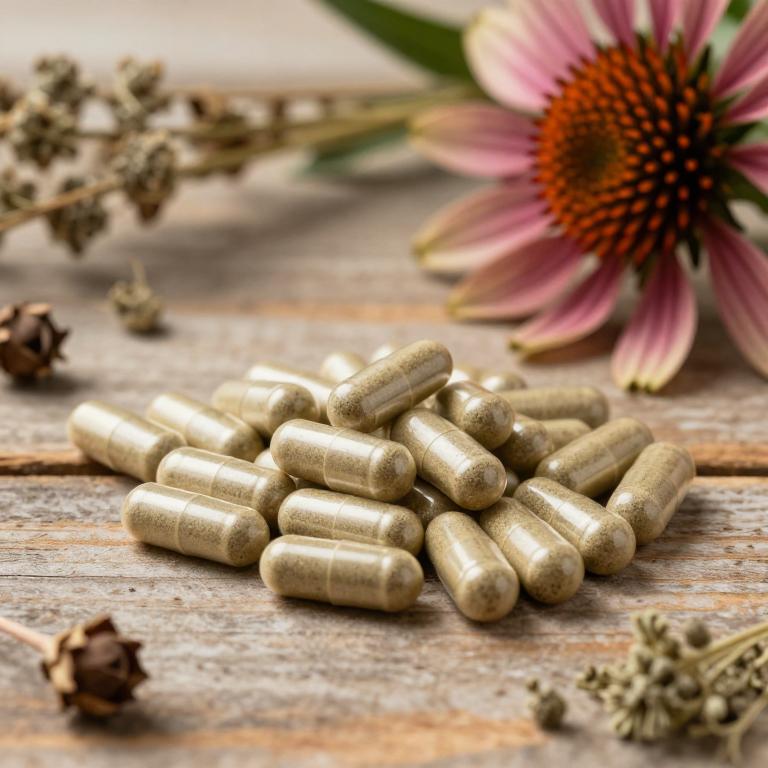
Echinacea purpurea, commonly known as purple coneflower, is a traditional herbal remedy often used to support immune function and reduce inflammation.
While it is primarily recognized for its potential to alleviate cold and flu symptoms, some studies suggest it may also have neuroprotective properties that could help with conditions involving nerve-related numbness. Herbal capsules containing Echinacea purpurea are typically standardized to ensure consistent potency and are often used as a complementary therapy alongside conventional treatments. However, it is important to consult with a healthcare provider before using echinacea for numbness in the hands, as individual responses can vary and interactions with other medications may occur.
Despite its historical use, more clinical research is needed to fully understand its efficacy for nerve-related conditions.
10. White water lily (Nymphaea alba)
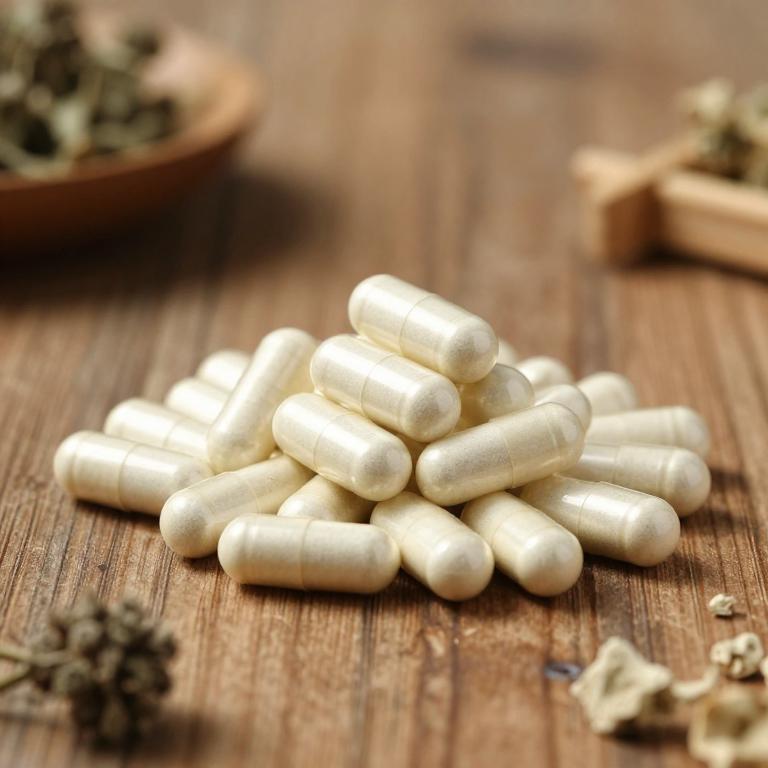
Nymphaea alba, commonly known as white water lily, has been traditionally used in herbal medicine for its potential therapeutic properties.
Nymphaea alba herbal capsules are formulated to support nerve health and may help alleviate numbness in the hands by promoting improved circulation and reducing inflammation. These capsules are often made from standardized extracts of the plant, ensuring consistent potency and efficacy. The herb is believed to contain bioactive compounds that may enhance nerve function and reduce oxidative stress, contributing to relief from peripheral neuropathy symptoms.
As a natural alternative, Nymphaea alba capsules are increasingly being explored for their role in managing hand numbness and other neurological conditions.