10 Best Herbal Tinctures For Hair Fall
Herbal tinctures for hair fall are concentrated liquid extracts made from various medicinal plants known for their beneficial effects on hair health.
These tinctures often contain ingredients like amla, neem, bhringraj, and curry leaves, which are traditionally used in Ayurvedic practices to strengthen hair roots and promote growth. They are typically applied topically to the scalp to nourish the hair follicles and improve blood circulation. Herbal tinctures are considered a natural and safe alternative to chemical-based treatments, making them popular among individuals seeking holistic hair care solutions.
Regular use of these tinctures may help reduce hair fall and enhance the overall condition of the hair.
Table of Contents
- 1. Field horsetail (Equisetum arvense)
- 2. Stinging nettle (Urtica dioica)
- 3. Turmeric (Curcuma longa)
- 4. Blessed thistle (Cnicus benedictus)
- 5. Aloe vera (Aloe barbadensis)
- 6. Sacred lotus (Nelumbo nucifera)
- 7. Bacopa (Bacopa monnieri)
- 8. Chaste tree (Vitex agnus-castus)
- 9. Thistle (Silybum marianum)
- 10. European plum (Prunus domestica)
1. Field horsetail (Equisetum arvense)
Equisetum arvense, commonly known as horsetail, is a plant rich in silica and other minerals that are beneficial for hair health.
Herbal tinctures made from equisetum arvense are often used to strengthen hair follicles and reduce hair fall by improving scalp circulation and promoting hair growth. These tinctures are typically prepared by soaking the dried plant material in alcohol, allowing the active compounds to be extracted. When applied topically or ingested under professional guidance, they may support overall hair vitality and prevent excessive shedding.
However, it is important to consult a healthcare provider before using equisetum arvense tinctures, especially for those with existing health conditions or taking medications.
2. Stinging nettle (Urtica dioica)
Urtica dioica, commonly known as stinging nettle, is a powerful herb used in traditional medicine for its potential benefits in reducing hair fall.
When prepared as a tincture, it provides a concentrated form of its active compounds, including silica, iron, and various antioxidants, which can strengthen hair follicles and promote healthy hair growth. Hair fall can be caused by a variety of factors, including nutrient deficiencies, stress, and hormonal imbalances, and stinging nettle tinctures may help address these underlying issues. To use the tincture, it is typically diluted in water or a carrier oil and applied directly to the scalp or mixed into shampoo.
Regular use of Urtica dioica tinctures may help improve scalp health, reduce hair loss, and support the overall vitality of hair.
3. Turmeric (Curcuma longa)
Curcuma longa, commonly known as turmeric, has been traditionally used for its potential benefits in promoting hair health.
Curcuma longa herbal tinctures are concentrated liquid extracts that harness the active compounds, such as curcumin, which may support scalp health and reduce inflammation. These tinctures are often used as natural remedies to address hair fall by improving circulation to the scalp and strengthening hair follicles. When applied topically, they may help in reducing dandruff and fostering a healthier environment for hair growth.
However, it is advisable to consult a healthcare professional before using curcuma longa tinctures, especially if you have sensitive skin or are undergoing medical treatment.
4. Blessed thistle (Cnicus benedictus)
Cnicus benedictus, also known as blessed weed, is a traditional herbal remedy that has been used for centuries to address hair fall and promote scalp health.
Its tincture form is believed to nourish the scalp, strengthen hair follicles, and stimulate natural hair growth through its rich content of bioactive compounds. The herb contains flavonoids, tannins, and essential oils that may help reduce dandruff and improve overall scalp condition. When used as part of a holistic hair care routine, Cnicus benedictus tinctures are thought to support thicker, healthier hair by enhancing circulation to the scalp.
However, it is important to consult with a healthcare professional before incorporating this tincture into your regimen, especially if you have any underlying health conditions or are taking other medications.
5. Aloe vera (Aloe barbadensis)
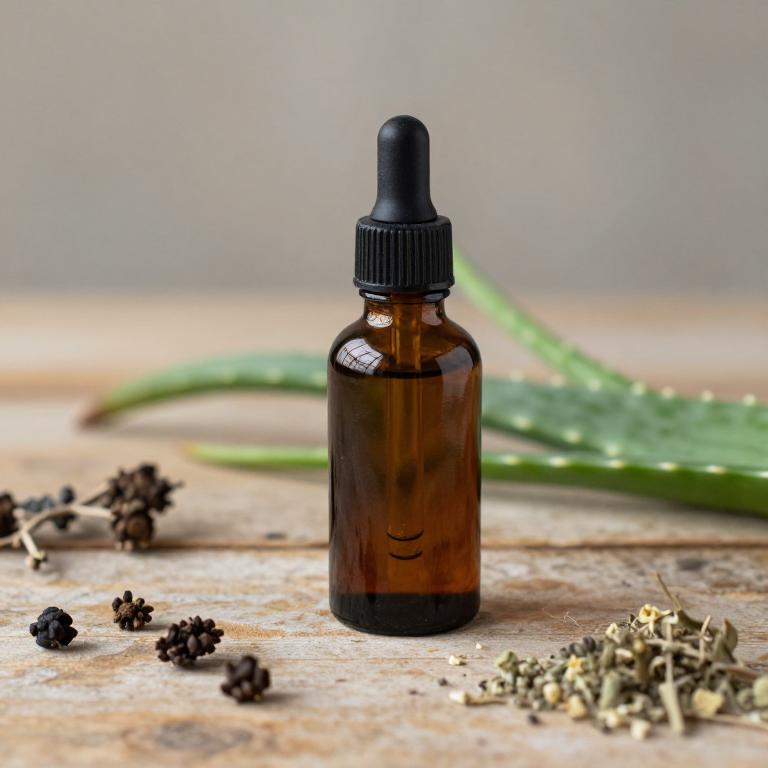
Aloe barbadensis, commonly known as aloe vera, is widely used in herbal tinctures for its potential benefits in reducing hair fall.
These tinctures are believed to nourish the scalp and promote hair growth by providing essential nutrients and moisture to the hair follicles. The anti-inflammatory and antimicrobial properties of aloe vera may help in maintaining a healthy scalp environment, which is crucial for preventing hair loss. When applied topically, aloe barbadensis tinctures can strengthen hair strands and improve overall hair texture.
However, it is advisable to consult a healthcare professional before using these tinctures, especially if you have any underlying skin conditions or allergies.
6. Sacred lotus (Nelumbo nucifera)
Nelumbo nucifera, commonly known as the sacred lotus, has been traditionally used in Ayurvedic medicine for its numerous health benefits, including promoting healthy hair growth.
Herbal tinctures made from the leaves, flowers, and seeds of the lotus plant are believed to nourish the scalp and strengthen hair follicles, reducing hair fall. These tinctures are rich in antioxidants, vitamins, and minerals that support overall hair health and scalp vitality. When applied regularly, they can help improve blood circulation to the scalp, which is essential for maintaining strong and lustrous hair.
Due to their natural and holistic properties, Nelumbo nucifera tinctures are a popular choice for those seeking a safe and effective remedy for hair loss.
7. Bacopa (Bacopa monnieri)
Bacopa monnieri, also known as Brahmi, is a traditional Ayurvedic herb that has been used for centuries to support cognitive function and overall well-being.
Its herbal tinctures are increasingly being used to address hair fall due to their potential to strengthen hair follicles and promote scalp health. The active compounds in bacopa, such as bacosides, are believed to enhance blood circulation to the scalp and reduce stress, which are common contributors to hair loss. When applied topically or ingested as a tincture, bacopa monnieri may help in reducing hair thinning and encouraging new hair growth.
However, it is important to consult with a healthcare professional before starting any new herbal regimen to ensure safety and effectiveness.
8. Chaste tree (Vitex agnus-castus)
Vitex agnus-castus, commonly known as chaste tree, has been traditionally used in herbal medicine to support hormonal balance, which can play a significant role in hair loss.
Herbal tinctures made from Vitex agnus-castus are believed to influence the pituitary gland, potentially regulating hormones like prolactin and estrogen that affect hair growth. These tinctures may help reduce excessive shedding by promoting a healthier scalp environment and supporting the hair follicles. While scientific evidence is limited, many users report improved hair thickness and reduced fall when using Vitex-based tinctures consistently.
As with any herbal remedy, it is advisable to consult a healthcare provider before starting treatment, especially for those with hormonal disorders or on medication.
9. Thistle (Silybum marianum)
Silybum marianum, also known as milk thistle, is a herbal remedy that has gained attention for its potential benefits in reducing hair fall.
The active compound in silybum marianum, silymarin, is believed to have antioxidant and anti-inflammatory properties that may support scalp health and hair growth. Herbal tinctures made from silybum marianum are often used topically or ingested to promote stronger, healthier hair. These tinctures may help improve circulation to the scalp and strengthen hair follicles, which can reduce shedding and encourage regrowth.
However, it is important to consult a healthcare professional before using silybum marianum, especially if you have existing medical conditions or are taking other medications.
10. European plum (Prunus domestica)
Prunus domestica, commonly known as the European plum, has been traditionally used in herbal medicine for its potential benefits to hair health.
Herbal tinctures made from Prunus domestica are believed to support scalp health and promote hair growth by improving circulation and reducing inflammation. These tinctures are often rich in antioxidants and essential nutrients that may strengthen hair follicles and reduce breakage. When applied topically, they can help soothe an irritated scalp and potentially minimize hair loss.
However, it is important to consult with a healthcare professional before using these tinctures, as individual responses may vary and proper dilution is necessary to avoid skin irritation.