10 Best Herbal Essential Oils For Gum Swelling
Herbal essential oils, such as tea tree, peppermint, and clove oil, are commonly used to alleviate gum swelling due to their natural antibacterial and anti-inflammatory properties.
These oils can help reduce the bacteria that cause gum inflammation and infection, promoting oral health. When diluted properly with a carrier oil, they can be applied directly to the gums or used in mouth rinses for a soothing effect. However, it is important to use these oils cautiously, as undiluted essential oils may irritate the sensitive gum tissue.
Consulting with a dental professional is recommended to ensure safe and effective use in conjunction with proper oral hygiene practices.
Table of Contents
- 1. Salvia (Salvia officinalis)
- 2. Eucalyptus (Eucalyptus globulus)
- 3. Melaleuca (Melaleuca alternifolia)
- 4. Oregano (Origanum vulgare)
- 5. Ceylon cinnamon (Cinnamomum zeylanicum)
- 6. Black pepper (Piper nigrum)
- 7. English lavender (Lavandula angustifolia)
- 8. Thyme (Thymus vulgaris)
- 9. Rosemary (Rosmarinus officinalis)
- 10. Greek oregano (Satureja hortensis)
1. Salvia (Salvia officinalis)
Salvia officinalis, commonly known as sage, contains essential oils that have been traditionally used for their anti-inflammatory and antimicrobial properties.
These essential oils, particularly rich in compounds like thujone and cineole, can help reduce gum swelling by inhibiting the growth of bacteria that contribute to periodontal issues. When applied topically or used in a diluted form, sage essential oil may soothe inflamed gums and promote oral health. However, it is important to use these oils with caution, as they can be potent and may cause irritation if not properly diluted.
Consulting a healthcare professional before using sage essential oils for gum swelling is recommended to ensure safe and effective application.
2. Eucalyptus (Eucalyptus globulus)
Eucalyptus globulus, commonly known as Australian tea tree oil, is a popular essential oil known for its anti-inflammatory and antimicrobial properties.
When used for gum swelling, it can help reduce inflammation and prevent bacterial infections that often contribute to gum issues. The oil can be diluted with a carrier oil and applied topically to the affected areas for localized relief. However, it should never be applied undiluted directly to the skin or gums, as it can cause irritation.
While eucalyptus globulus may offer supportive benefits for gum health, it is not a substitute for professional dental care and should be used as part of a holistic approach to oral hygiene.
3. Melaleuca (Melaleuca alternifolia)
Melaleuca alternifolia, commonly known as tea tree oil, is a popular herbal essential oil renowned for its antimicrobial and anti-inflammatory properties.
It has been traditionally used to alleviate gum swelling and reduce oral infections due to its ability to combat bacteria that contribute to periodontal disease. When diluted properly, tea tree oil can be applied topically to the gums to help soothe irritation and promote healing. Its natural antiseptic qualities make it a valuable addition to natural oral care routines.
However, it is important to use it with caution and consult a healthcare professional before incorporating it into any treatment regimen for gum issues.
4. Oregano (Origanum vulgare)
Origanum vulgare, commonly known as oregano, is a herb widely used in aromatherapy for its potent essential oils, which possess anti-inflammatory and antimicrobial properties.
The essential oil of oregano, particularly rich in carvacrol and thymol, has been studied for its ability to reduce gum swelling and combat oral pathogens. When applied topically or used in mouth rinses, oregano essential oil can help alleviate inflammation and promote healing in cases of gingivitis. However, due to its strong potency, it should be diluted properly before use to avoid irritation.
Incorporating oregano essential oil into a holistic oral care routine may offer natural support for maintaining healthy gums and preventing gum-related issues.
5. Ceylon cinnamon (Cinnamomum zeylanicum)
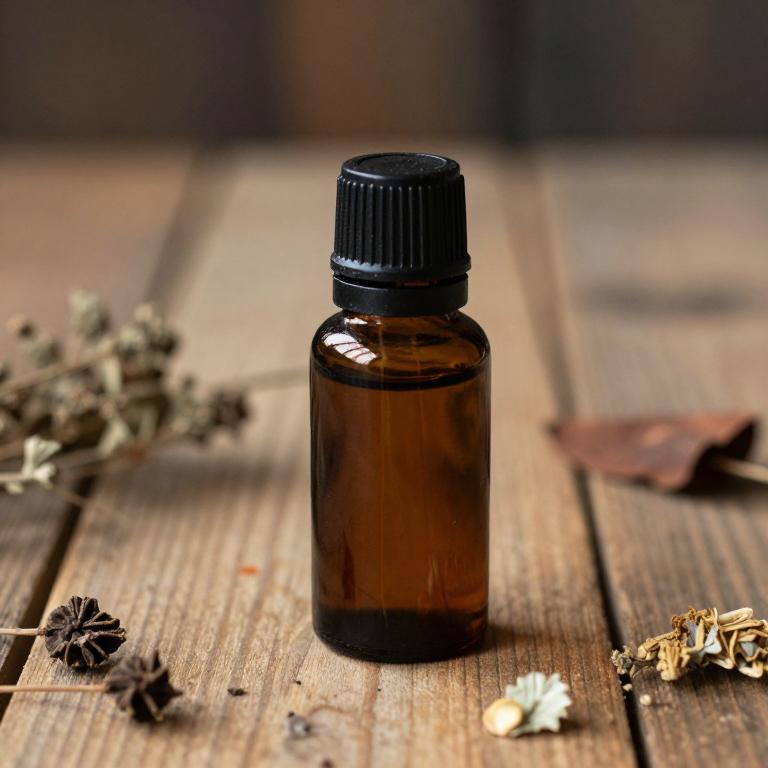
Cinnamomum zeylanicum, commonly known as cinnamon bark, is a popular source of essential oils that have been traditionally used for their anti-inflammatory and antimicrobial properties.
The essential oil derived from this plant contains compounds like cinnamaldehyde and eugenol, which are known to help reduce gum inflammation and swelling. When used in aromatherapy or diluted topical applications, cinnamon essential oil can support oral health by combating bacteria that contribute to gingivitis. However, it is important to use this oil with caution, as it can be irritating to the skin and mucous membranes if not properly diluted.
Overall, cinnamon essential oil offers a natural alternative for managing gum swelling when used appropriately under professional guidance.
6. Black pepper (Piper nigrum)
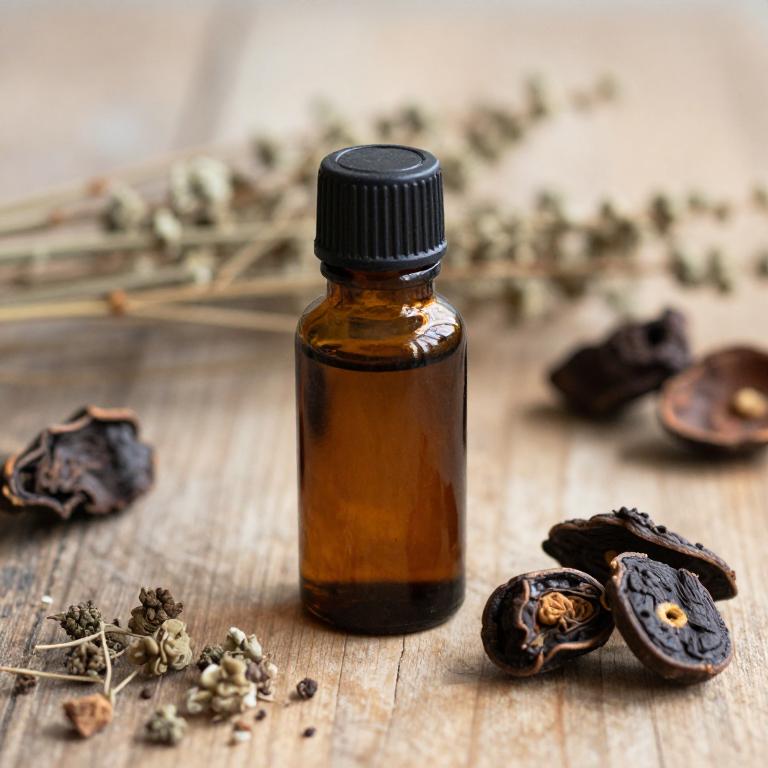
Piper nigrum, commonly known as black pepper, contains essential oils that have been traditionally used for their anti-inflammatory and antimicrobial properties.
These essential oils may help reduce gum swelling by inhibiting the growth of bacteria that contribute to periodontal disease. When diluted properly, the essential oil of black pepper can be applied topically to the gums to soothe irritation and promote healing. However, it is important to use caution and consult a healthcare professional before using it for oral care, as undiluted essential oils can cause skin irritation.
Overall, Piper nigrum essential oils may offer natural support for gum health when used as part of a balanced oral hygiene routine.
7. English lavender (Lavandula angustifolia)
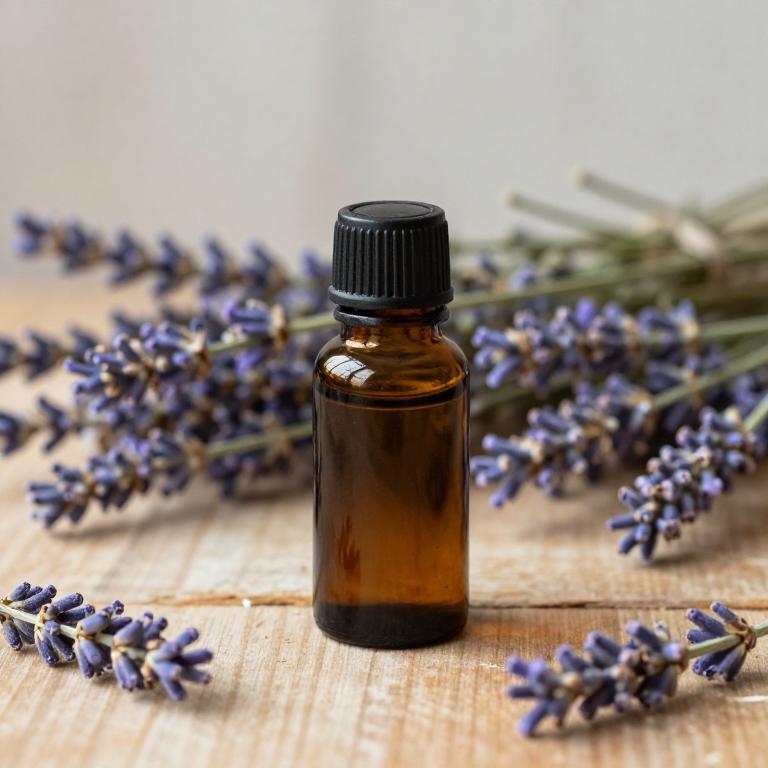
Lavandula angustifolia, commonly known as English lavender, is a popular herb used in aromatherapy and natural medicine for its calming and anti-inflammatory properties.
The essential oil derived from this plant contains compounds like linalool and linalyl acetate, which have been shown to reduce inflammation and promote healing. When used in oral care routines, lavender essential oil may help alleviate gum swelling by inhibiting bacterial growth and soothing irritated tissues. It is often diluted with a carrier oil before application to prevent skin irritation.
However, it should be used with caution and under the guidance of a healthcare professional, especially for those with sensitive gums or existing oral health conditions.
8. Thyme (Thymus vulgaris)
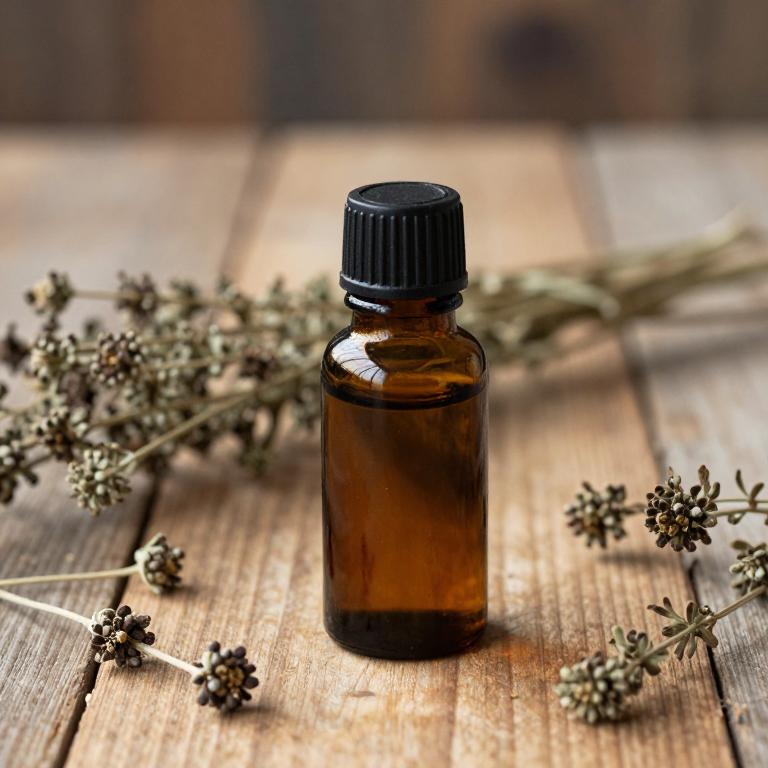
Thymus vulgaris, commonly known as thyme, is a popular herb whose essential oil has been traditionally used for its antimicrobial and anti-inflammatory properties.
When applied topically or used in aromatherapy, thymus vulgaris essential oil may help reduce gum swelling by combating bacterial infections that contribute to periodontal issues. The oil contains compounds like thymol and carvacrol, which are known for their ability to inhibit the growth of harmful oral bacteria. While some studies suggest its potential benefits for oral health, it is important to consult a healthcare professional before using essential oils for gum problems, as they can be potent and may interact with other treatments.
Overall, thymus vulgaris essential oil can be a complementary remedy for gum swelling when used safely and appropriately.
9. Rosemary (Rosmarinus officinalis)
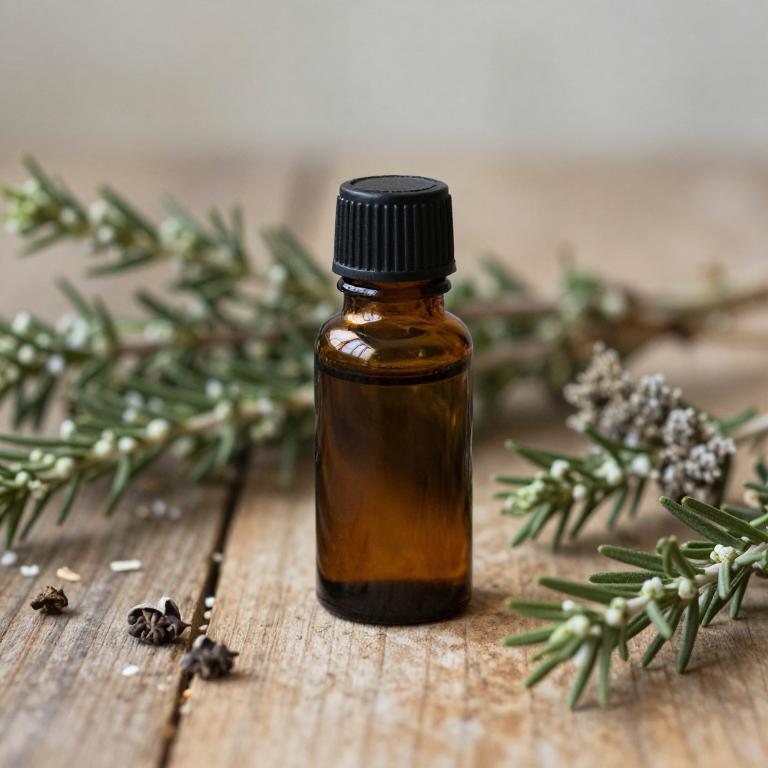
Rosmarinus officinalis, commonly known as rosemary, produces an essential oil that has been traditionally used for its anti-inflammatory and antimicrobial properties.
When applied topically, rosemary essential oil can help reduce gum swelling by decreasing inflammation and supporting oral hygiene. Its ability to improve blood circulation may also aid in the healing of gum tissues. However, it is important to dilute the essential oil properly before use to avoid skin irritation.
Overall, rosemary essential oil can be a beneficial natural remedy when used as part of a comprehensive oral care routine.
10. Greek oregano (Satureja hortensis)
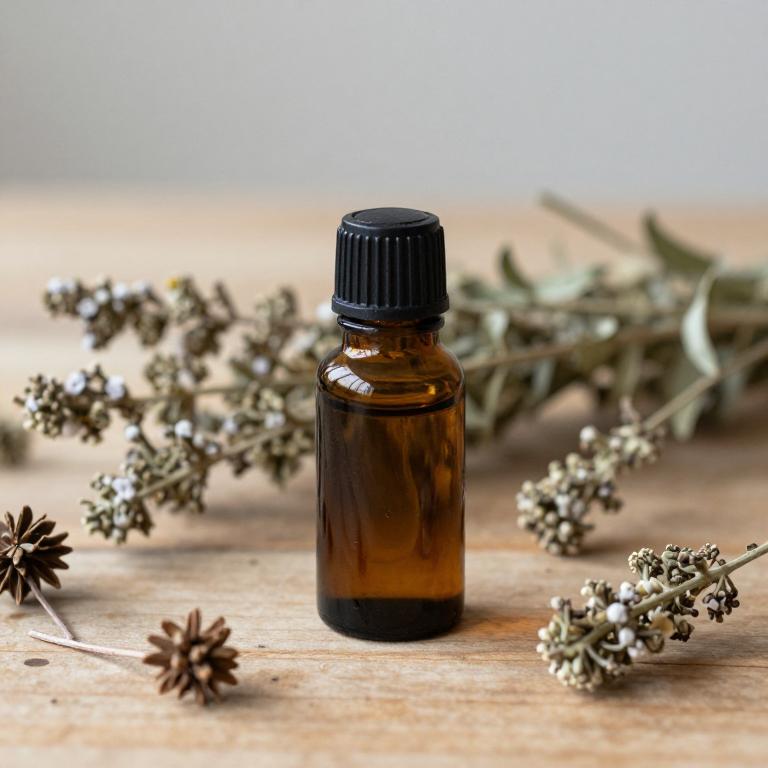
Satureja hortensis, commonly known as summer savory, is a herb rich in essential oils that have been traditionally used for their anti-inflammatory and antimicrobial properties.
The essential oil extracted from this plant contains compounds such as carvacrol and thymol, which are known to help reduce gum swelling and inflammation. When applied topically or used in mouthwashes, these oils can provide natural relief for conditions like gingivitis and periodontal disease. The soothing and astringent effects of satureja hortensis essential oil make it a valuable addition to oral care regimens.
However, it is important to dilute the essential oil properly before use to avoid irritation of the sensitive gum tissues.