10 Best Herbal Creams For Gum Swelling
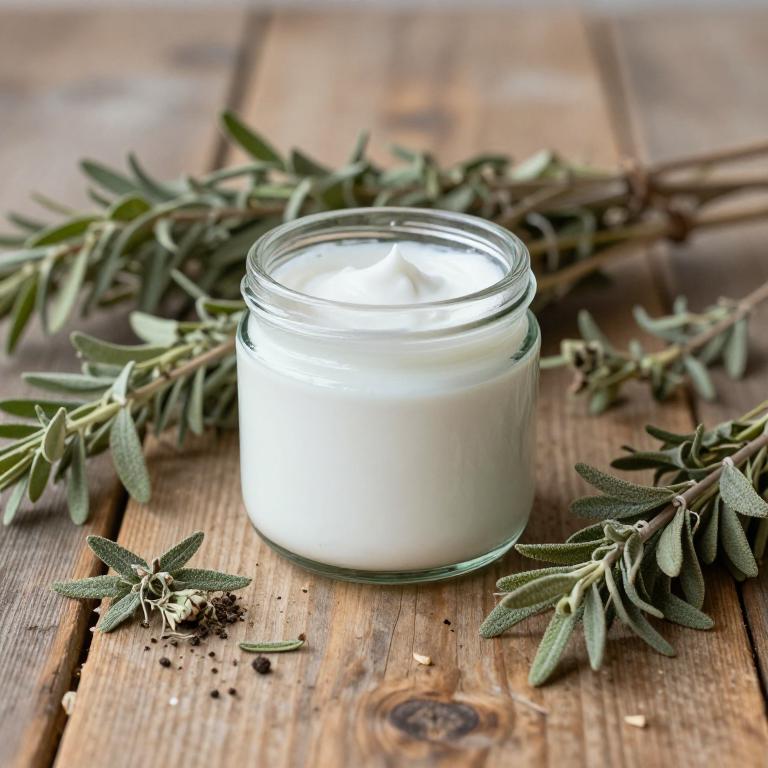
Herbal creams for gum swelling are natural remedies that often contain ingredients like aloe vera, chamomile, and tea tree oil, which are known for their anti-inflammatory and antimicrobial properties.
These creams can help reduce inflammation, soothe irritated gums, and promote healing by creating a protective barrier against bacteria. They are generally considered safe for most people, though individuals with allergies should check the ingredient list before use. Many herbal creams are available over-the-counter, making them accessible for those seeking alternative treatments for gum issues.
However, they should not replace professional dental care, especially for severe or persistent gum swelling.
Table of Contents
- 1. Salvia (Salvia officinalis)
- 2. Aloe vera (Aloe barbadensis)
- 3. St. john's wort (Hypericum perforatum)
- 4. Ginger (Zingiber officinale)
- 5. Ceylon cinnamon (Cinnamomum zeylanicum)
- 6. Marigold (Calendula officinalis)
- 7. Echinacea (Echinacea purpurea)
- 8. Bloodroot (Sanguinaria canadensis)
- 9. Oregano (Origanum vulgare)
- 10. Melaleuca (Melaleuca alternifolia)
1. Salvia (Salvia officinalis)
Salvia officinalis, commonly known as sage, has been traditionally used for its anti-inflammatory and antimicrobial properties, making it a valuable ingredient in herbal creams for gum swelling.
These creams often contain extracts of sage leaves, which may help reduce inflammation and soothe irritated gums. The natural compounds in salvia officinalis, such as rosmarinic acid and flavonoids, are believed to support oral health by combating bacteria that contribute to gum disease. When applied topically, these creams can provide relief from redness, puffiness, and discomfort associated with swollen gums.
However, it is important to consult a dental professional before using such products, especially if symptoms persist or worsen.
2. Aloe vera (Aloe barbadensis)
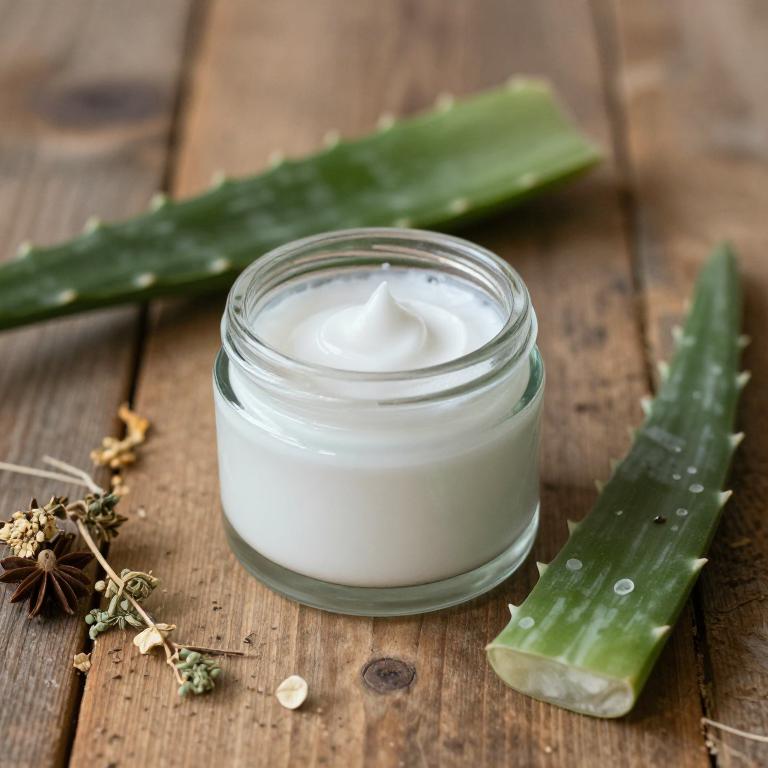
Aloe barbadensis, commonly known as aloe vera, is a natural herbal ingredient often used in the formulation of creams for gum swelling due to its anti-inflammatory and soothing properties.
These creams typically contain aloe vera gel, which helps reduce redness, irritation, and inflammation associated with conditions like gingivitis or periodontal disease. The moisturizing effects of aloe vera can promote healing and provide relief to sensitive gums, making it a popular choice for those seeking natural remedies. Additionally, aloe-based creams may contain other herbal extracts that enhance their effectiveness in combating bacterial infections and supporting oral health.
Regular use of aloe barbadensis herbal creams can be a beneficial complement to dental hygiene routines, offering a gentle and natural approach to managing gum swelling.
3. St. john's wort (Hypericum perforatum)
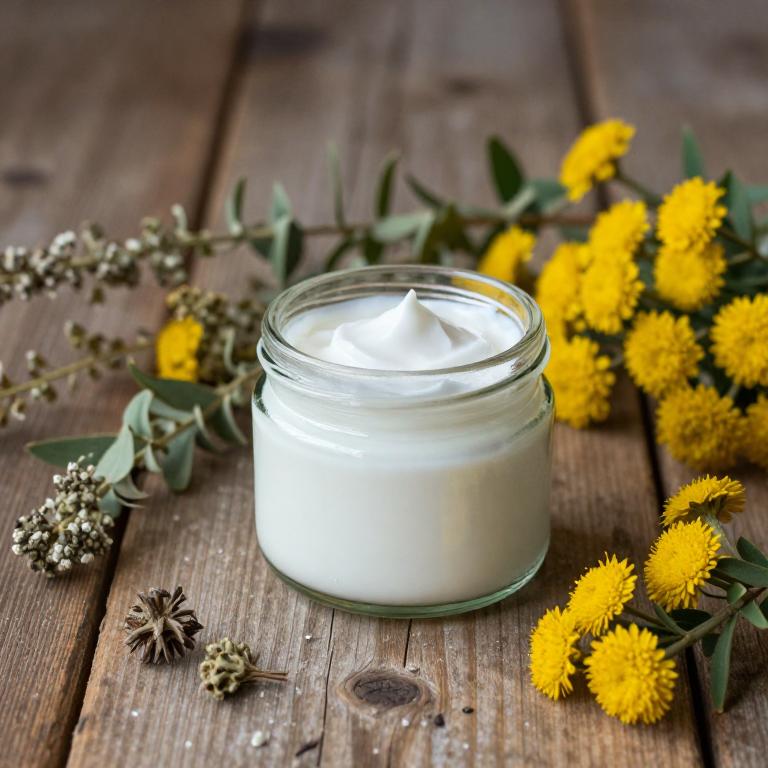
Hypericum perforatum, commonly known as St. John's Wort, is traditionally used in herbal medicine for its anti-inflammatory and analgesic properties.
While it is well-known for its use in treating mild depression, some studies suggest that its topical application may help reduce gum swelling and inflammation associated with periodontal issues. Herbal creams containing Hypericum perforatum extract can be applied directly to the affected areas to soothe irritation and promote healing. However, it is important to consult with a dentist or healthcare provider before using such creams, as they may interact with other medications or have potential side effects.
Overall, while not a substitute for professional dental care, Hypericum perforatum herbal creams may offer a natural alternative for managing gum swelling in certain cases.
4. Ginger (Zingiber officinale)
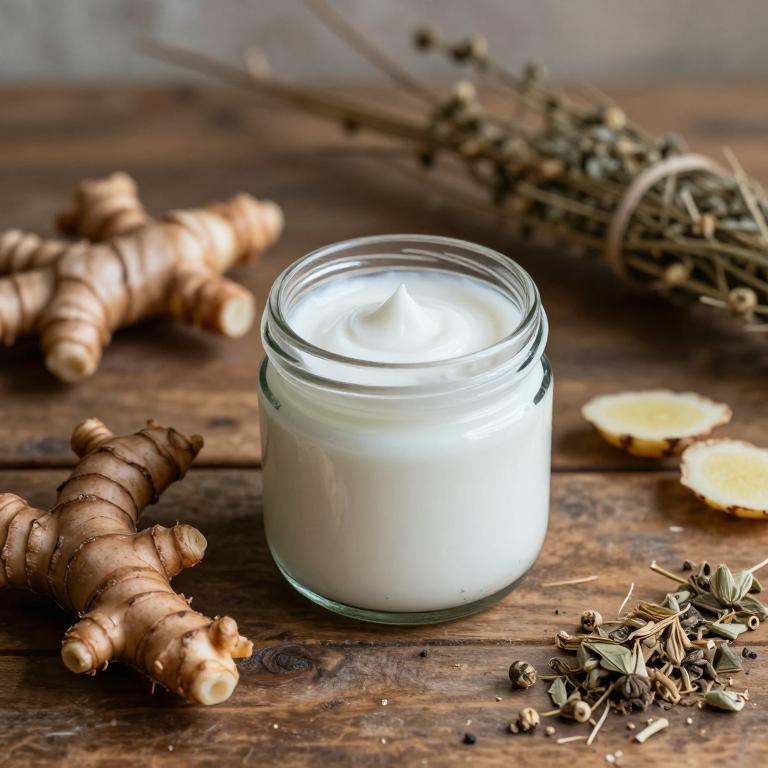
Zingiber officinale, commonly known as ginger, has been traditionally used for its anti-inflammatory and analgesic properties, making it a popular ingredient in herbal creams for gum swelling.
These creams often contain ginger extract, which can help reduce inflammation and soothe irritated gums due to its high concentration of bioactive compounds like gingerol and shogaol. When applied topically, ginger-based creams may provide localized relief from the discomfort associated with gingivitis or periodontal disease. However, it is important to consult a dental professional before using such products, especially if the gum swelling is severe or persistent.
While herbal creams can be a complementary treatment, they should not replace proper oral hygiene and professional dental care.
5. Ceylon cinnamon (Cinnamomum zeylanicum)
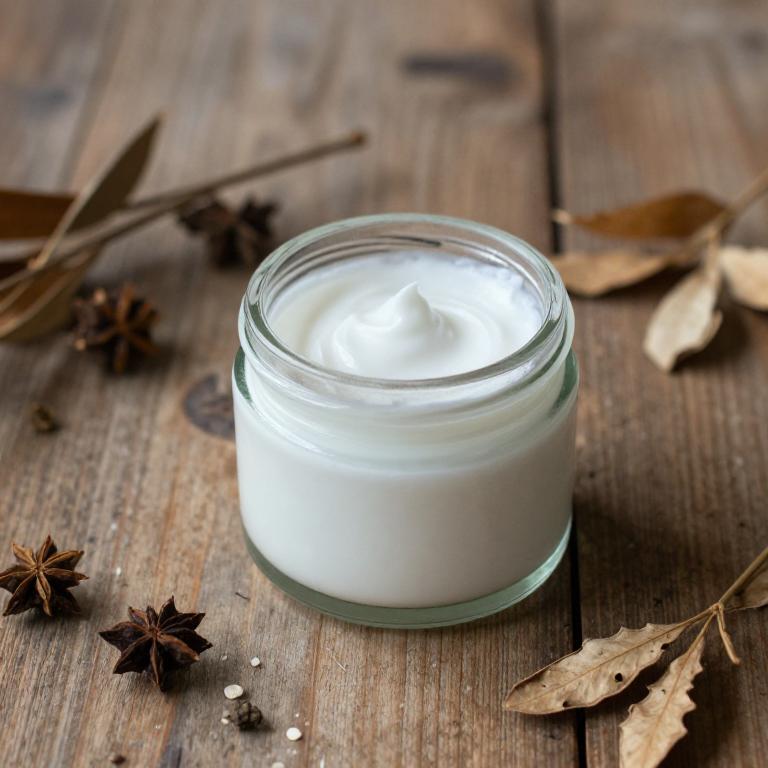
Cinnamomum zeylanicum, commonly known as cinnamon, is often used in herbal creams to address gum swelling due to its anti-inflammatory and antimicrobial properties.
The essential oils derived from cinnamon bark contain compounds like cinnamaldehyde, which can help reduce inflammation and prevent bacterial infections that contribute to gum issues. When applied topically, these herbal creams can provide a soothing effect on irritated gums, promoting faster healing and reducing discomfort. However, it is important to use cinnamon-based products cautiously, as they may cause irritation in some individuals, especially if applied undiluted.
Overall, cinnamon herbal creams can be a natural and effective alternative for managing mild gum swelling when used appropriately.
6. Marigold (Calendula officinalis)
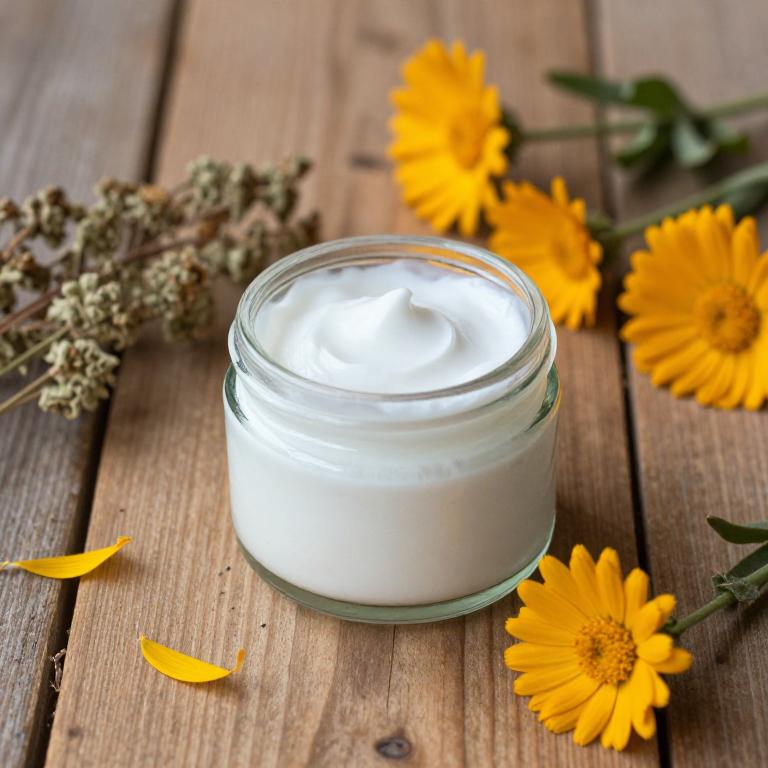
Calendula officinalis, commonly known as pot marigold, is a herbal ingredient often used in natural remedies due to its anti-inflammatory and soothing properties.
When incorporated into herbal creams, calendula officinalis can help reduce gum swelling by calming inflamed tissues and promoting healing. These creams are particularly beneficial for individuals experiencing mild gum irritation or inflammation caused by gingivitis or periodontal issues. The presence of flavonoids and triterpenes in calendula contributes to its effectiveness in reducing redness and discomfort.
However, it is advisable to consult a dental professional before using calendula-based products for persistent or severe gum problems.
7. Echinacea (Echinacea purpurea)
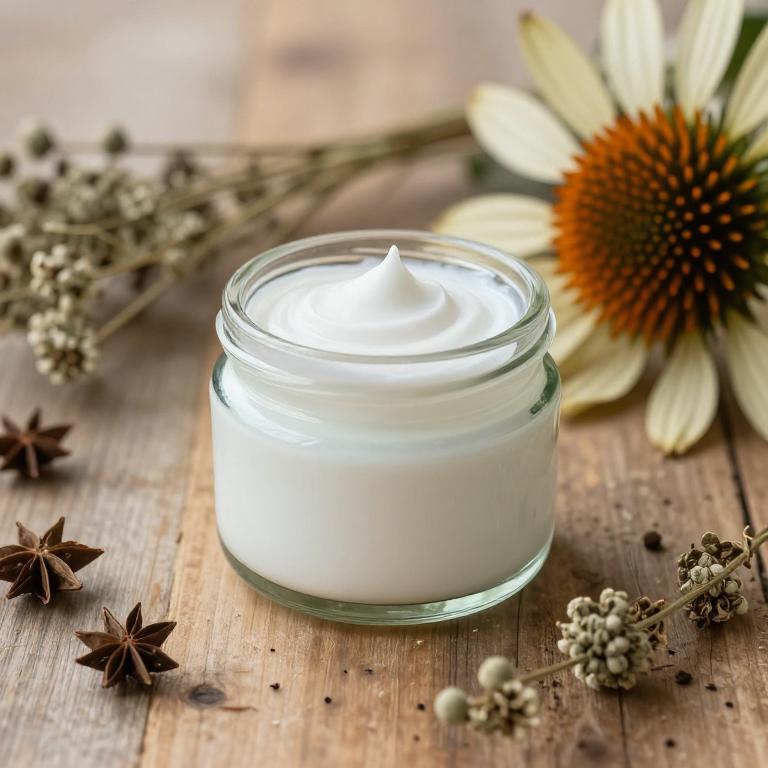
Echinacea purpurea, commonly known as purple coneflower, is a popular herbal remedy often used in the formulation of topical creams aimed at reducing gum swelling.
These creams typically contain echinacea extract, which is believed to have anti-inflammatory and antimicrobial properties that may help soothe irritated gums. When applied directly to the affected area, echinacea-based creams can provide localized relief by reducing inflammation and promoting healing. However, it is important to note that while some studies suggest potential benefits, more research is needed to fully confirm their effectiveness for gum issues.
As with any herbal product, it is advisable to consult a healthcare professional before use, especially if you have known allergies or are taking other medications.
8. Bloodroot (Sanguinaria canadensis)

Sanguinaria canadensis, commonly known as bloodroot, has been traditionally used in herbal medicine for its potential anti-inflammatory and astringent properties.
When incorporated into herbal creams, it may help reduce gum swelling by soothing inflamed tissues and promoting healing. These creams often combine bloodroot with other natural ingredients like chamomile or calendula to enhance their therapeutic effects. However, due to its potent nature, it is important to use such creams with caution and under the guidance of a qualified herbalist or dentist.
While some studies suggest possible benefits, more research is needed to fully understand its safety and efficacy for gum health.
9. Oregano (Origanum vulgare)
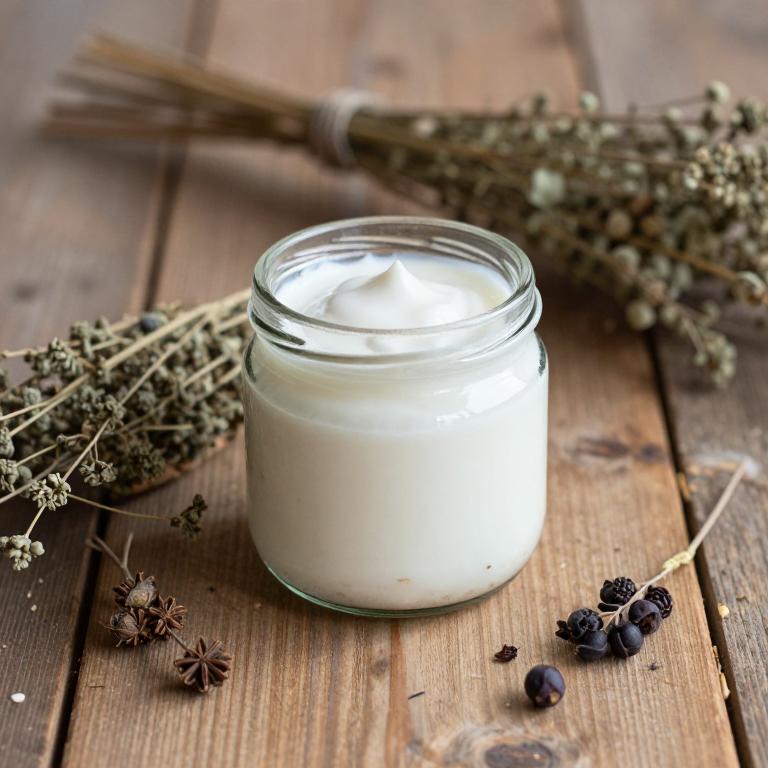
Oreganum vulgare, commonly known as oregano, is often used in herbal remedies for its anti-inflammatory and antimicrobial properties.
When incorporated into herbal creams, oregano can help reduce gum swelling by soothing inflamed tissues and combating bacterial infections that contribute to periodontal issues. These creams typically combine oregano essential oil with carrier oils and other calming herbs like chamomile or calendula to enhance their therapeutic effects. The application of such creams can provide localized relief and support the healing process of gum tissues.
However, it is important to consult a dental professional before using any herbal remedies to ensure they are safe and appropriate for individual oral health conditions.
10. Melaleuca (Melaleuca alternifolia)
Melaleuca alternifolia, commonly known as tea tree oil, is often incorporated into herbal creams to address gum swelling due to its potent antimicrobial and anti-inflammatory properties.
These creams typically combine tea tree oil with other natural ingredients like aloe vera or chamomile to enhance their soothing and healing effects on inflamed gums. The antimicrobial action helps reduce bacterial growth, which is a common cause of gum inflammation and infection. Regular application of such creams can promote gum health and alleviate discomfort associated with conditions like gingivitis.
However, it is important to consult a dentist or healthcare professional before using these products, especially if symptoms persist or worsen.