10 Best Herbal Lozenges For Gum Pain
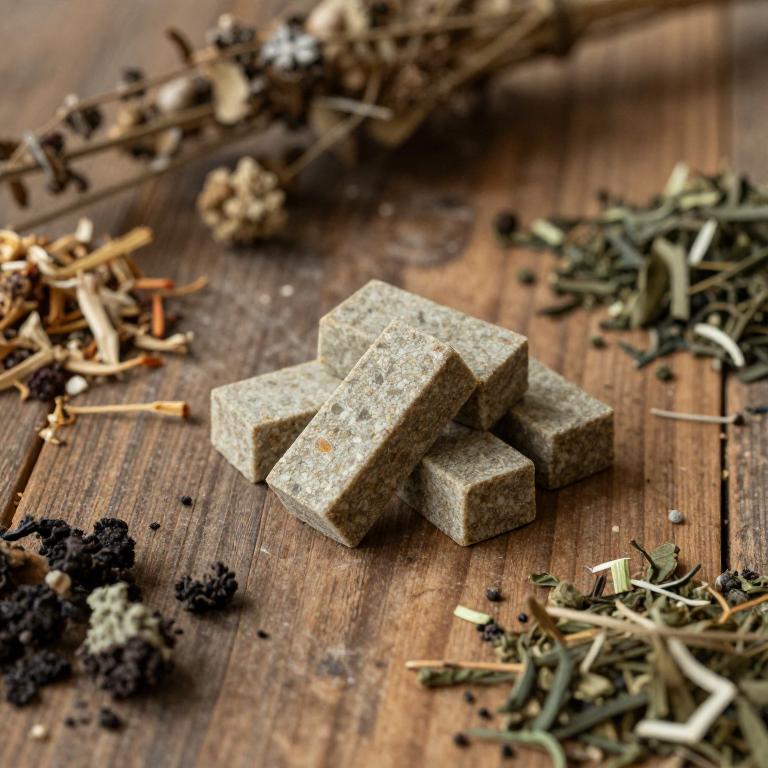
Herbal lozenges are a natural remedy commonly used to soothe gum pain and reduce inflammation.
These lozenges often contain ingredients like sage, chamomile, and licorice root, which have antimicrobial and anti-inflammatory properties. They can help alleviate discomfort caused by gingivitis, periodontal disease, or minor oral irritations. Unlike traditional painkillers, herbal lozenges are generally considered safe and gentle for long-term use.
Regular use of these lozenges may support overall oral health and promote faster healing of gum tissues.
Table of Contents
- 1. Salvia (Salvia officinalis)
- 2. Eucalyptus (Eucalyptus globulus)
- 3. Peppermint (Mentha piperita)
- 4. Yarrow (Achillea millefolium)
- 5. Ceylon cinnamon (Cinnamomum zeylanicum)
- 6. Ginger (Zingiber officinale)
- 7. Rosemary (Rosmarinus officinalis)
- 8. Oregano (Origanum vulgare)
- 9. Ceylon cinnamon (Cinnamomum verum)
- 10. Licorice (Glycyrrhiza glabra)
1. Salvia (Salvia officinalis)
Salvia officinalis, commonly known as sage, has been traditionally used for its soothing and anti-inflammatory properties, making it a valuable ingredient in herbal lozenges for gum pain.
These lozenges often combine sage extract with other natural ingredients like peppermint or licorice root to enhance their therapeutic effects. The antimicrobial and astringent properties of sage help reduce inflammation and soothe irritated gums, offering relief from discomfort. Regular use of sage-based lozenges can support oral hygiene and promote healing in cases of gingivitis or minor gum irritation.
As a natural alternative to conventional pain relievers, these lozenges provide a gentle and effective option for those seeking holistic dental care.
2. Eucalyptus (Eucalyptus globulus)
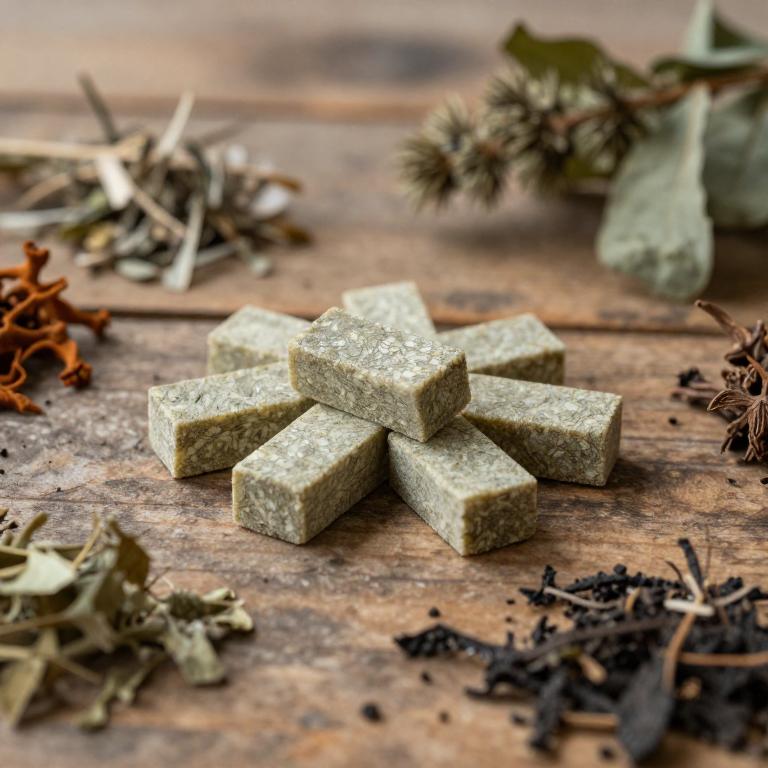
Eucalyptus globulus herbal lozenges are a natural remedy designed to alleviate gum pain and promote oral health by leveraging the therapeutic properties of eucalyptus oil.
These lozenges contain a concentrated form of eucalyptus globulus, which is known for its anti-inflammatory, antiseptic, and analgesic effects, making them effective in reducing swelling, infection, and discomfort in the gums. The menthol-like scent of eucalyptus provides a cooling sensation that can soothe irritated tissues and offer immediate relief. They are ideal for individuals seeking a natural alternative to conventional pain relievers without harsh chemicals.
Regular use of these lozenges can support healing and prevent further irritation, contributing to overall gum health.
3. Peppermint (Mentha piperita)
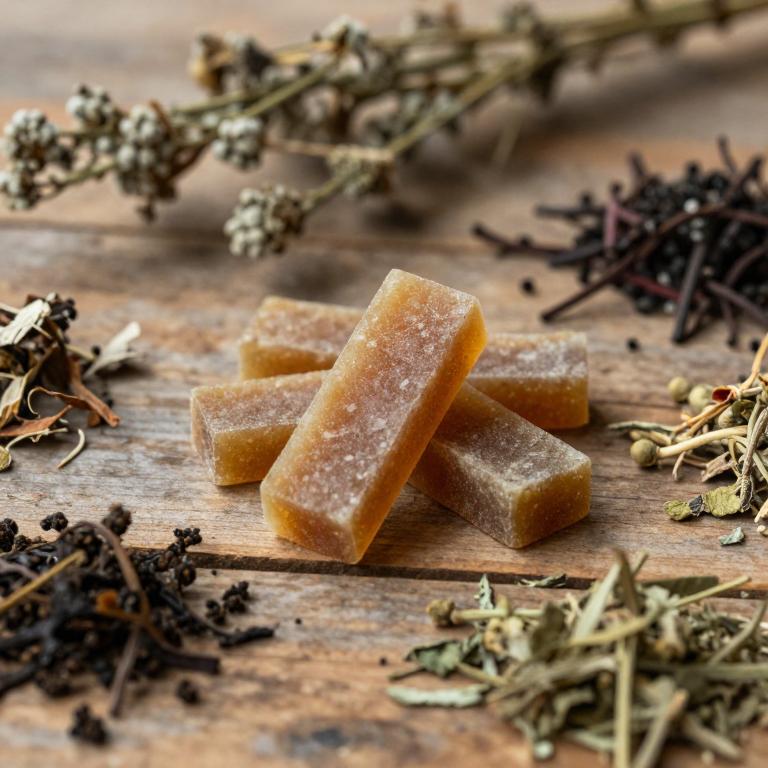
Mentha piperita, commonly known as peppermint, is a popular herbal ingredient used in lozenges to alleviate gum pain due to its refreshing menthol content.
These lozenges work by providing a cooling sensation that helps numb the affected area, reducing the perception of pain and discomfort. The natural antiseptic properties of peppermint also help in reducing inflammation and fighting bacteria that may contribute to gum irritation. Peppermint lozenges are often preferred for their pleasant taste and quick relief without the use of harsh chemicals.
They are a safe and effective option for individuals seeking natural remedies for mild to moderate gum pain.
4. Yarrow (Achillea millefolium)
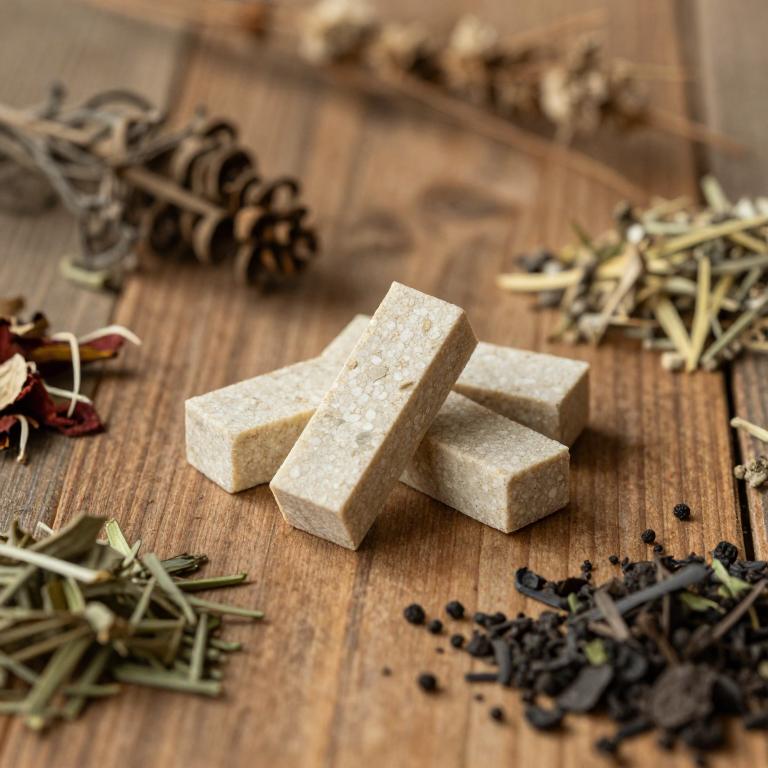
Achillea millefolium, commonly known as yarrow, has been traditionally used for its anti-inflammatory and astringent properties, making it a potential natural remedy for gum pain.
Herbal lozenges containing Achillea millefolium are designed to soothe irritated gums and reduce inflammation when placed in the mouth. These lozenges may help alleviate discomfort associated with gingivitis or minor gum infections by promoting healing and reducing swelling. The active compounds in yarrow, such as achilleine and essential oils, contribute to its antimicrobial and soothing effects.
While they may offer relief, it is advisable to consult a healthcare professional for persistent or severe gum issues.
5. Ceylon cinnamon (Cinnamomum zeylanicum)
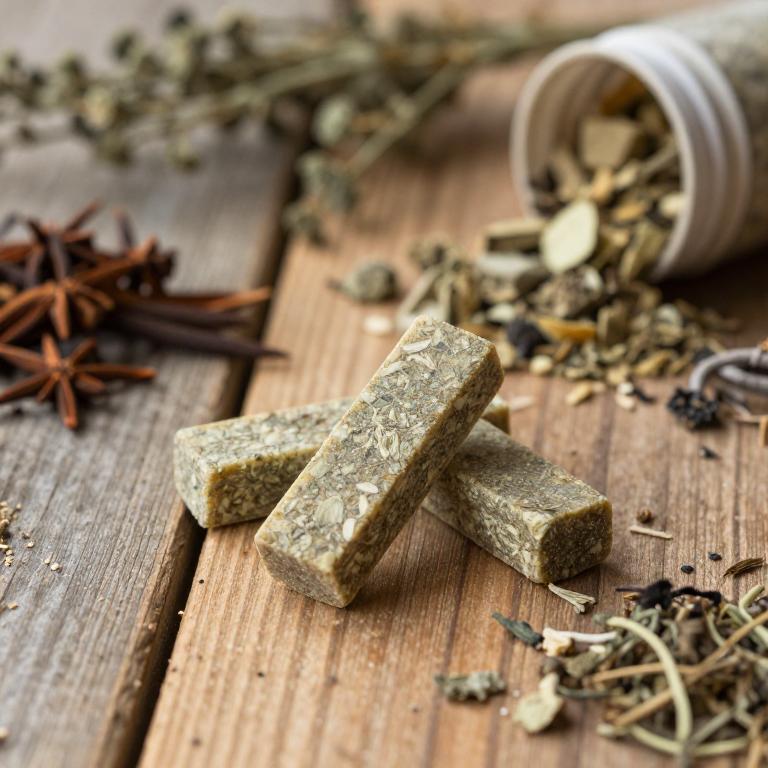
Cinnamomum zeylanicum, commonly known as cinnamon, is often used in herbal lozenges to alleviate gum pain due to its natural antibacterial and anti-inflammatory properties.
These lozenges work by soothing inflamed gums and reducing the risk of bacterial infections that can cause pain and swelling. The essential oils in cinnamon help to neutralize harmful bacteria in the mouth, promoting a healthier oral environment. Regular use of these lozenges can provide relief from mild gum discomfort and support overall dental health.
However, individuals with sensitive gums should use them cautiously and consult a dentist if symptoms persist.
6. Ginger (Zingiber officinale)
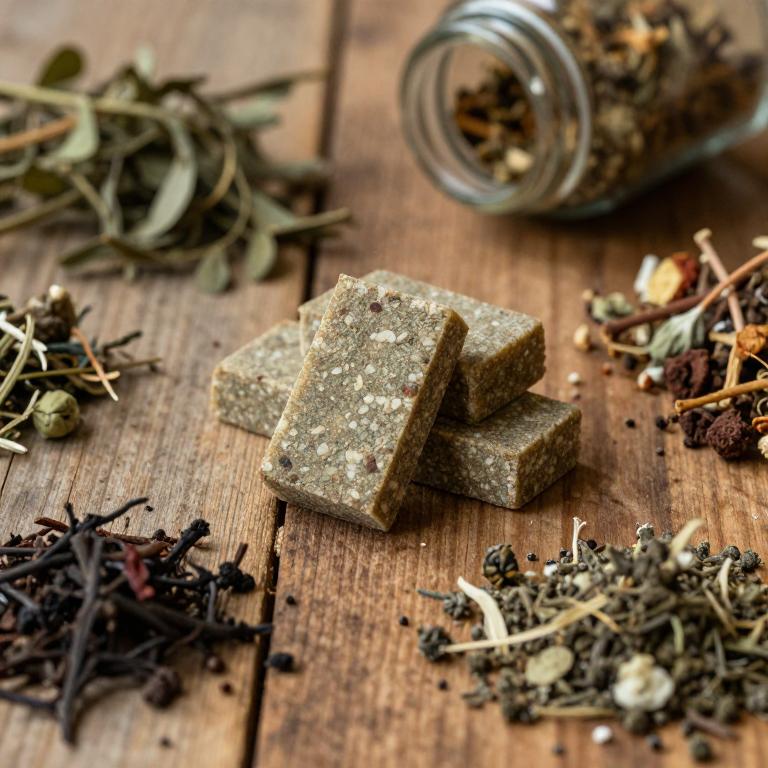
Zingiber officinale, commonly known as ginger, has been traditionally used for its anti-inflammatory and analgesic properties, making it a valuable ingredient in herbal lozenges for gum pain.
These lozenges work by soothing irritated gums and reducing inflammation through the active compounds like gingerol and shogaol present in ginger. The warming sensation provided by ginger can help alleviate discomfort and promote a sense of relief in the mouth. Additionally, the natural antiseptic properties of ginger may help reduce bacterial growth, supporting oral health.
Overall, zingiber officinale herbal lozenges offer a natural and effective remedy for temporary relief from gum pain and inflammation.
7. Rosemary (Rosmarinus officinalis)
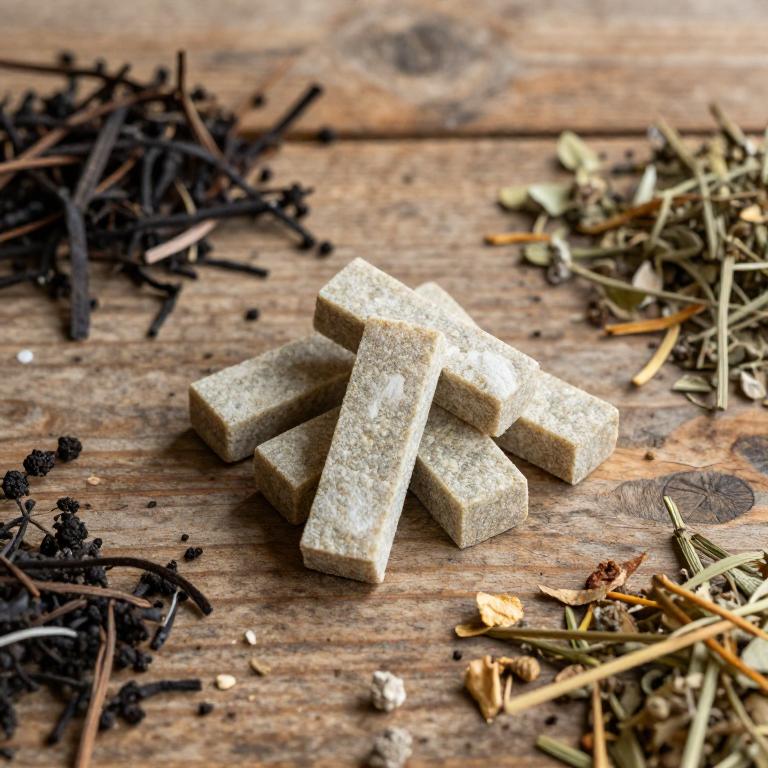
Rosmarinus officinalis, commonly known as rosemary, is a herbal remedy that has been traditionally used for its anti-inflammatory and antiseptic properties.
Rosemary herbal lozenges are formulated to provide natural relief from gum pain and inflammation by soothing irritated oral tissues. These lozenges contain essential oils and plant-based compounds that help reduce bacterial growth and promote healing in the mouth. The aromatic properties of rosemary also help freshen breath and enhance the overall comfort of the oral environment.
When used as part of a regular oral care routine, rosemary lozenges can be an effective and gentle alternative to conventional pain relievers for mild gum discomfort.
8. Oregano (Origanum vulgare)
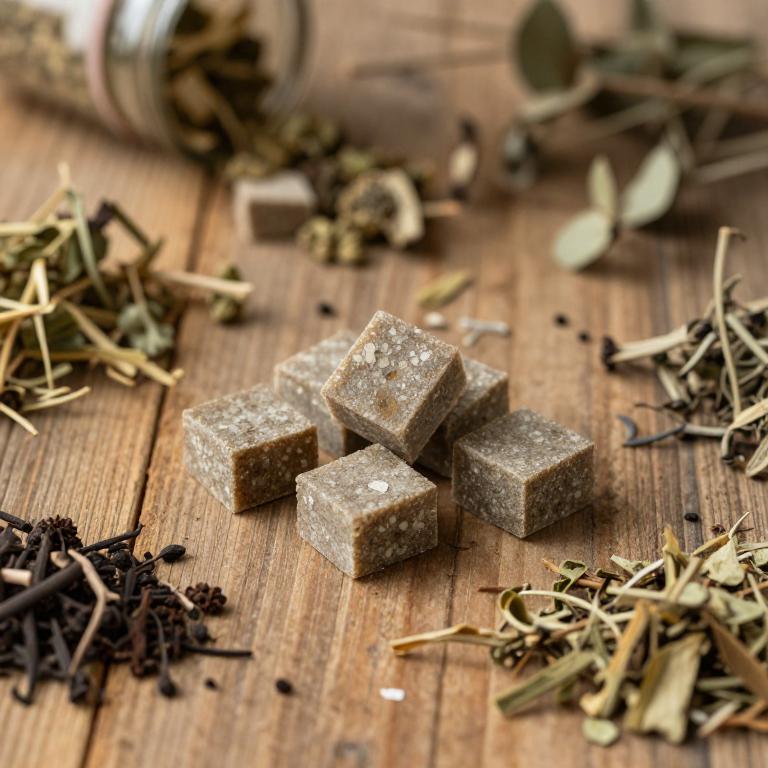
Origanum vulgare, commonly known as oregano, is a potent herbal remedy that has been used for centuries for its anti-inflammatory and antiseptic properties.
Oregano essential oil, derived from the leaves of this plant, is often incorporated into herbal lozenges to provide relief from gum pain and inflammation. These lozenges work by reducing bacterial growth in the mouth and soothing irritated gum tissues. The active compounds, such as carvacrol and thymol, help combat oral infections and promote healing.
Regular use of oregano vulgare lozenges can be a natural and effective way to manage gum discomfort and support overall oral health.
9. Ceylon cinnamon (Cinnamomum verum)
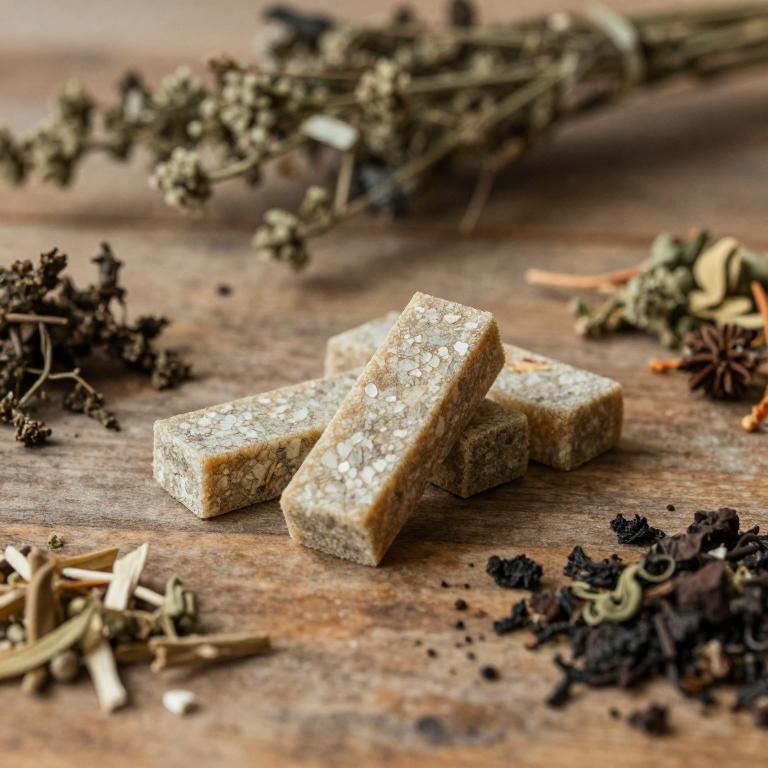
Cinnamomum verum, also known as true cinnamon, contains natural compounds with antimicrobial and anti-inflammatory properties that can help alleviate gum pain.
When used in herbal lozenges, these properties are released slowly in the mouth, providing targeted relief to sore or irritated gums. The warming effect of cinnamon can help reduce inflammation and soothe discomfort, making it a popular choice for natural oral care. These lozenges are often preferred by individuals seeking alternative or complementary treatments for gum issues.
However, it is important to consult with a healthcare professional before using cinnamon lozenges, especially if you have underlying health conditions or are taking medications.
10. Licorice (Glycyrrhiza glabra)
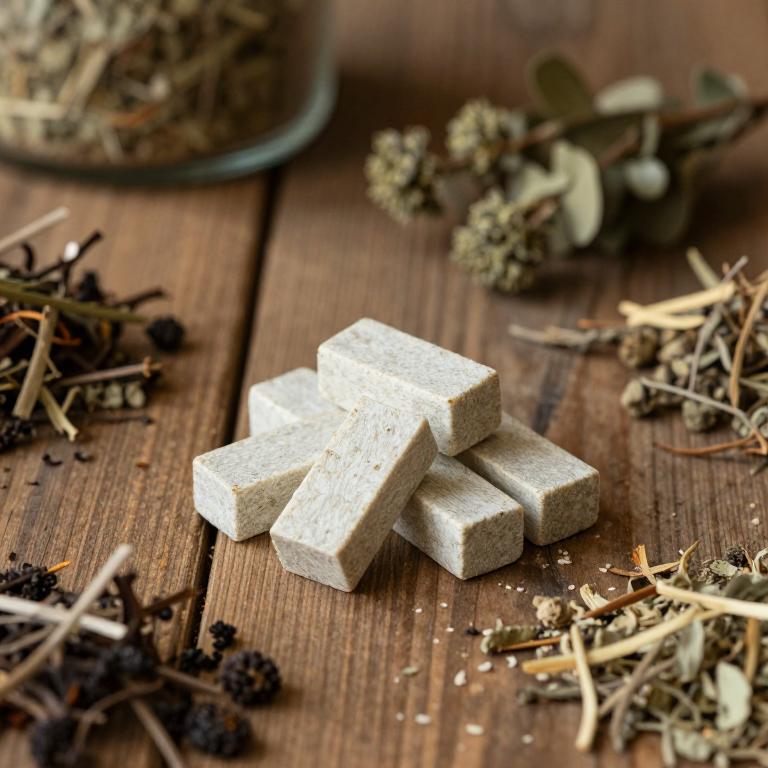
Glycyrrhiza glabra, commonly known as licorice root, has been traditionally used for its soothing and anti-inflammatory properties, making it a popular ingredient in herbal lozenges for gum pain.
These lozenges work by coating the gums and reducing irritation, thereby alleviating discomfort and promoting healing. The active compounds in licorice root, such as glycyrrhizin and flavonoids, help to reduce inflammation and fight oral bacteria that contribute to gum disease. They are often preferred by individuals seeking natural remedies for mild to moderate gum pain without the use of harsh chemicals.
However, long-term use should be monitored, as excessive licorice consumption may lead to side effects like hypertension or water retention.