10 Best Herbal Capsules For Gum Infection
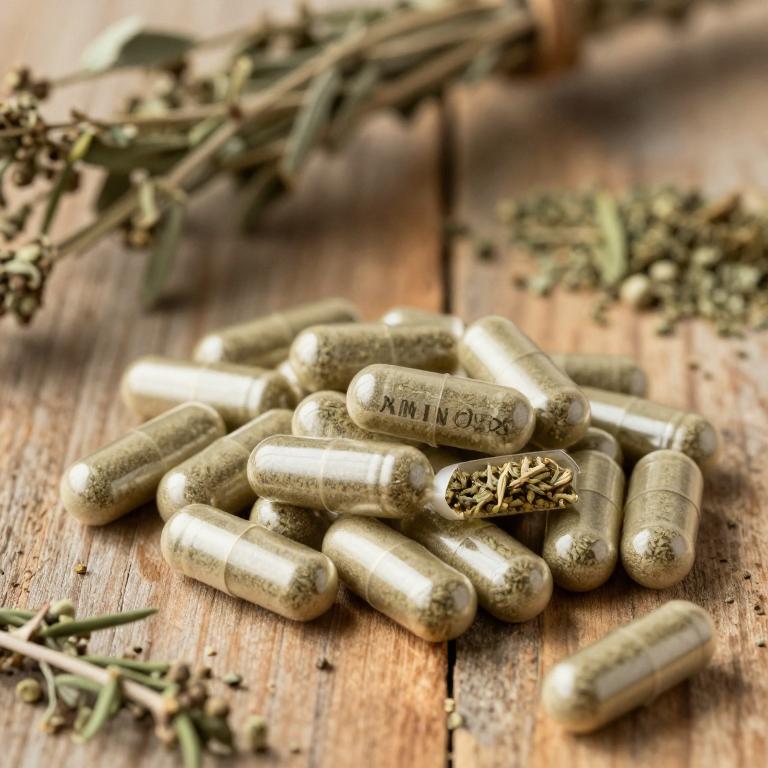
Herbal capsules are a natural alternative for managing gum infections, often containing ingredients like clove, neem, and green tea, which possess antimicrobial and anti-inflammatory properties.
These capsules work by reducing bacteria that cause plaque and gingivitis, helping to prevent the progression of gum disease. They are generally safe for long-term use and may offer a gentler option compared to conventional antibiotics. However, it's important to consult a dentist or healthcare provider to ensure they are appropriate for your specific condition.
While herbal capsules can support gum health, they should not replace professional dental care when a more serious infection is present.
Table of Contents
- 1. Salvia (Salvia officinalis)
- 2. Aloe vera (Aloe barbadensis)
- 3. Ceylon cinnamon (Cinnamomum verum)
- 4. Ginger (Zingiber officinale)
- 5. Echinacea (Echinacea purpurea)
- 6. Rosemary (Rosmarinus officinalis)
- 7. Licorice (Glycyrrhiza glabra)
- 8. Oregano (Origanum vulgare)
- 9. Stinging nettle (Urtica dioica)
- 10. St. john's wort (Hypericum perforatum)
1. Salvia (Salvia officinalis)
Salvia officinalis, commonly known as sage, has been traditionally used for its antimicrobial and anti-inflammatory properties, making it a promising natural remedy for gum infections.
When formulated into herbal capsules, salvia officinalis can provide a concentrated dose of its active compounds, such as rosmarinic acid and flavonoids, which help reduce bacterial growth and inflammation in the gums. Studies suggest that sage may inhibit the growth of harmful oral bacteria, such as Streptococcus mutans, which are often responsible for periodontal disease. However, while some preliminary research supports its efficacy, more clinical trials are needed to fully establish its role in gum health.
As with any herbal supplement, it is advisable to consult a healthcare professional before use, especially for individuals with existing medical conditions or those taking other medications.
2. Aloe vera (Aloe barbadensis)
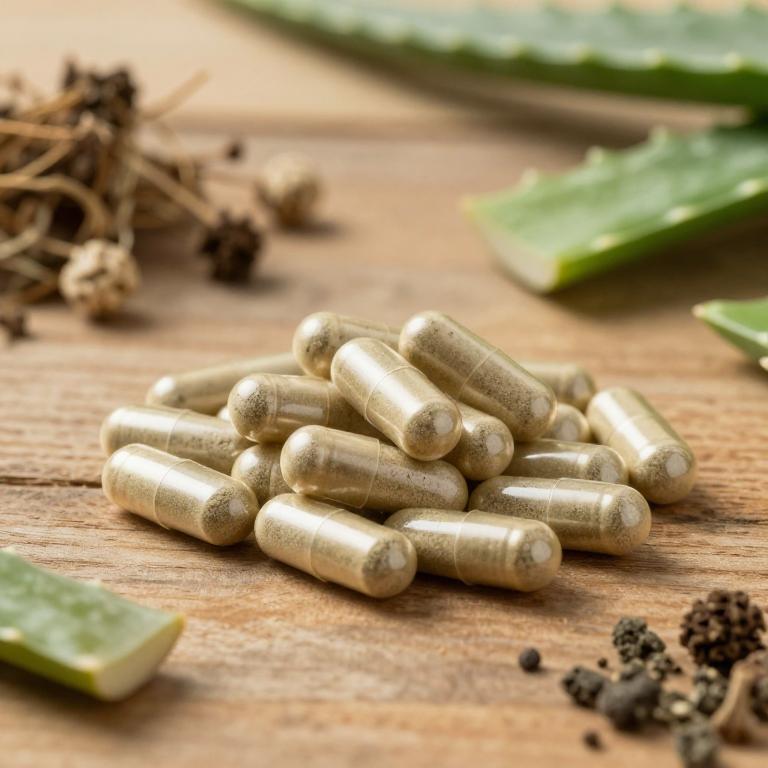
Aloe barbadensis herbal capsules are gaining attention for their potential benefits in treating gum infections due to their anti-inflammatory and antimicrobial properties.
These capsules contain a concentrated form of aloe vera gel, which has been shown to reduce bacterial growth and soothe inflamed gum tissues. When applied topically or ingested, aloe vera may help in reducing redness, swelling, and bleeding associated with gingivitis and periodontal disease. However, it is important to consult with a healthcare professional before using aloe barbadensis as a treatment for gum infections, as it may interact with certain medications or have side effects in some individuals.
Overall, while aloe vera may support gum health, it should be used as a complementary therapy rather than a replacement for professional dental care.
3. Ceylon cinnamon (Cinnamomum verum)

Cinnamomum verum, commonly known as true cinnamon, has been traditionally used for its antimicrobial and anti-inflammatory properties, making it a potential natural remedy for gum infections.
The essential oils extracted from its bark contain compounds like cinnamaldehyde, which have been shown to inhibit the growth of bacteria that contribute to periodontal disease. Herbal capsules made from Cinnamomum verum can be a convenient and concentrated form of this spice, offering a complementary approach to conventional gum care routines. While it may help reduce inflammation and prevent bacterial buildup, it is important to consult a dentist for proper diagnosis and treatment of severe gum infections.
As with any herbal supplement, it should be used with caution and in conjunction with professional dental care.
4. Ginger (Zingiber officinale)
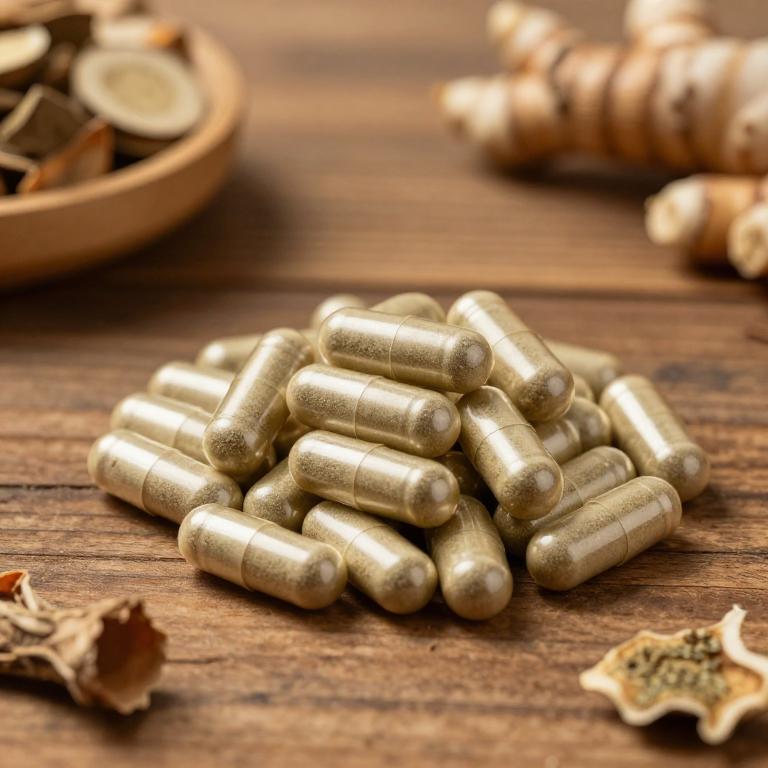
Zingiber officinale, commonly known as ginger, has been traditionally used for its anti-inflammatory and antimicrobial properties, making it a potential natural remedy for gum infections.
Herbal capsules containing zingiber officinale may help reduce inflammation and swelling in the gums, which are common symptoms of periodontal disease. The active compounds in ginger, such as gingerols and shogaols, have shown efficacy in inhibiting the growth of bacteria that contribute to gum infections. While more clinical studies are needed, some preliminary research suggests that ginger supplements may support oral health when used as part of a comprehensive dental care routine.
However, it is important to consult with a healthcare professional before using ginger capsules for gum infections, especially if you are on medication or have underlying health conditions.
5. Echinacea (Echinacea purpurea)
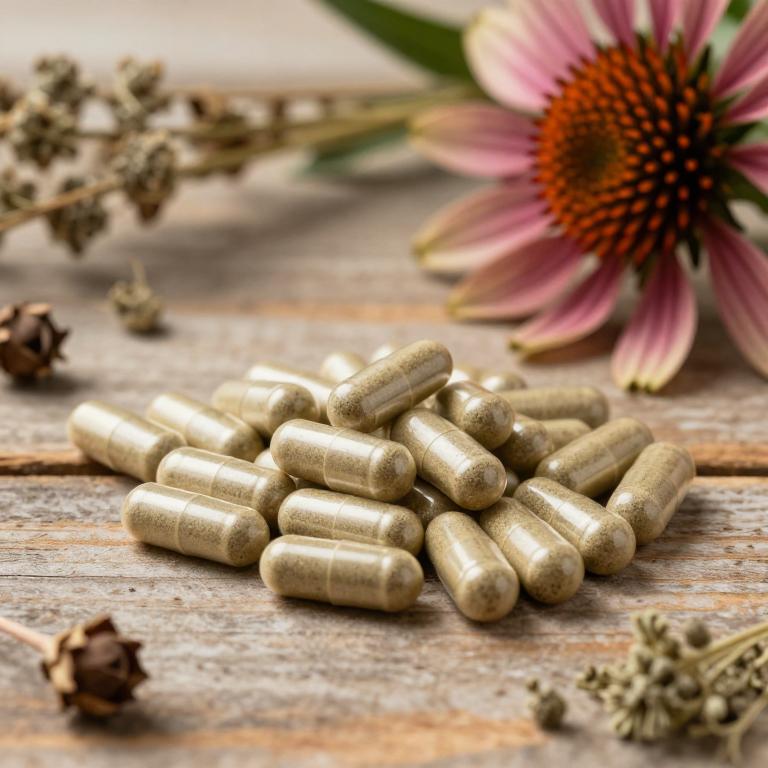
Echinacea purpurea, commonly known as purple coneflower, is a popular herbal remedy often used to support immune function and reduce inflammation.
When formulated into herbal capsules, it may help alleviate symptoms of gum infections by promoting healing and reducing bacterial growth in the oral cavity. Some studies suggest that echinacea has antimicrobial properties that could complement conventional treatments for periodontal disease. However, it is important to consult with a healthcare professional before using echinacea for gum infections, as it may interact with certain medications or conditions.
While not a substitute for dental care, echinacea capsules may serve as a supportive natural option for managing mild gum inflammation.
6. Rosemary (Rosmarinus officinalis)
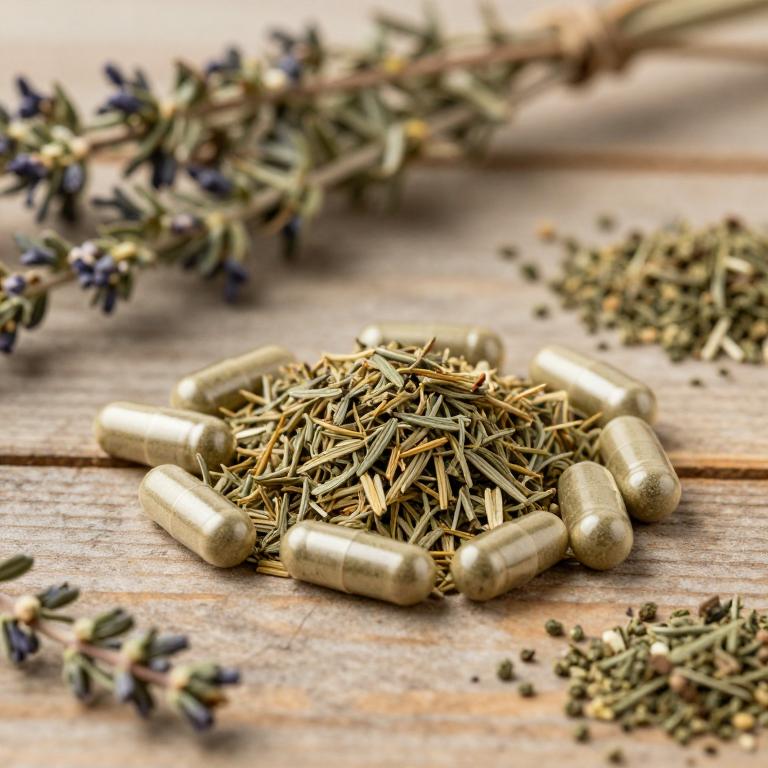
Rosmarinus officinalis, commonly known as rosemary, has been traditionally used for its antimicrobial and anti-inflammatory properties, making it a promising natural remedy for gum infections.
When formulated into herbal capsules, rosemary can help reduce bacterial growth in the oral cavity, thereby alleviating symptoms such as redness, swelling, and bleeding of the gums. The essential oils in rosemary, particularly cineole and camphor, contribute to its ability to combat periodontal pathogens and promote healing. These capsules offer a convenient and holistic approach to supporting gum health without the side effects often associated with conventional antibiotics.
Regular use of rosemary herbal capsules may complement professional dental care in managing and preventing gum infections.
7. Licorice (Glycyrrhiza glabra)

Glycyrrhiza glabra, commonly known as licorice root, has been traditionally used for its anti-inflammatory and antimicrobial properties, making it a potential natural remedy for gum infections.
The herbal capsules containing glycyrrhiza glabra extract may help reduce inflammation and swelling in the gums, which are common symptoms of periodontal disease. These capsules work by inhibiting the growth of harmful bacteria that contribute to gum infections, promoting overall oral health. However, long-term use of licorice root may lead to side effects such as increased blood pressure, so it should be used under the guidance of a healthcare professional.
Despite these considerations, glycyrrhiza glabra herbal capsules offer a natural alternative for supporting gum health and treating mild gum infections.
8. Oregano (Origanum vulgare)
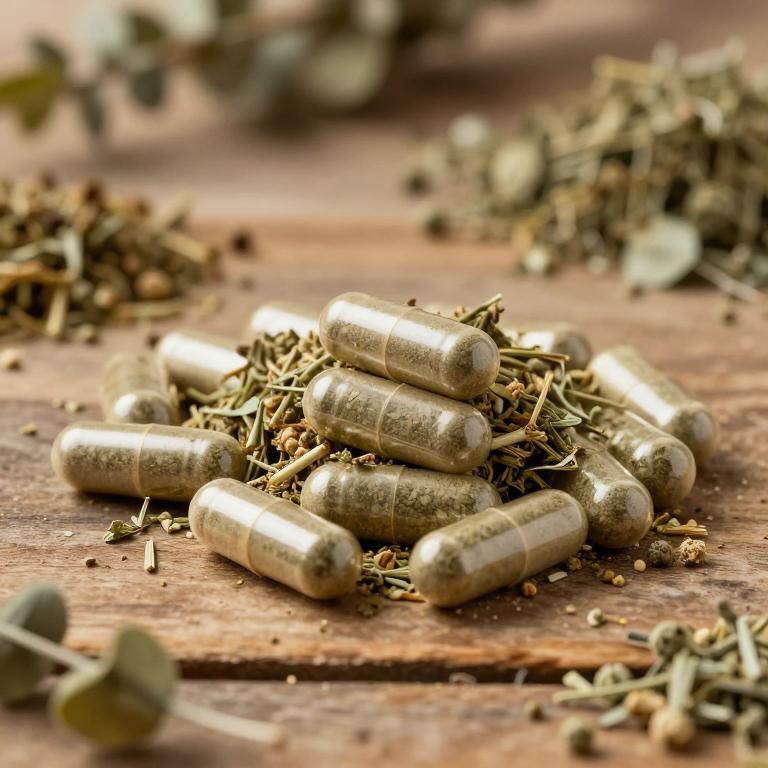
Oreganum vulgare, commonly known as oregano, has been traditionally used for its antimicrobial and anti-inflammatory properties, making it a potential natural remedy for gum infections.
Herbal capsules containing oregano extract are often formulated to support oral health by reducing bacterial growth in the mouth, which can contribute to gum disease. The active compounds in oregano, such as carvacrol and thymol, have demonstrated effectiveness against various pathogens associated with periodontal issues. When used as part of a holistic dental care routine, these capsules may help alleviate symptoms like redness, swelling, and bleeding of the gums.
However, it is important to consult with a healthcare professional before using oregano supplements, especially if you are on other medications or have underlying health conditions.
9. Stinging nettle (Urtica dioica)

Urtica dioica, commonly known as stinging nettle, has been traditionally used for its anti-inflammatory and antimicrobial properties, making it a potential natural remedy for gum infections.
When formulated into herbal capsules, Urtica dioica may help reduce inflammation and bacterial growth in the gums, supporting oral health. These capsules are often used as a complementary therapy alongside conventional treatments for conditions like gingivitis and periodontitis. The active compounds in stinging nettle, such as flavonoids and polyphenols, contribute to its therapeutic effects.
However, it is important to consult a healthcare professional before using Urtica dioica capsules to ensure safety and appropriateness for individual health conditions.
10. St. john's wort (Hypericum perforatum)
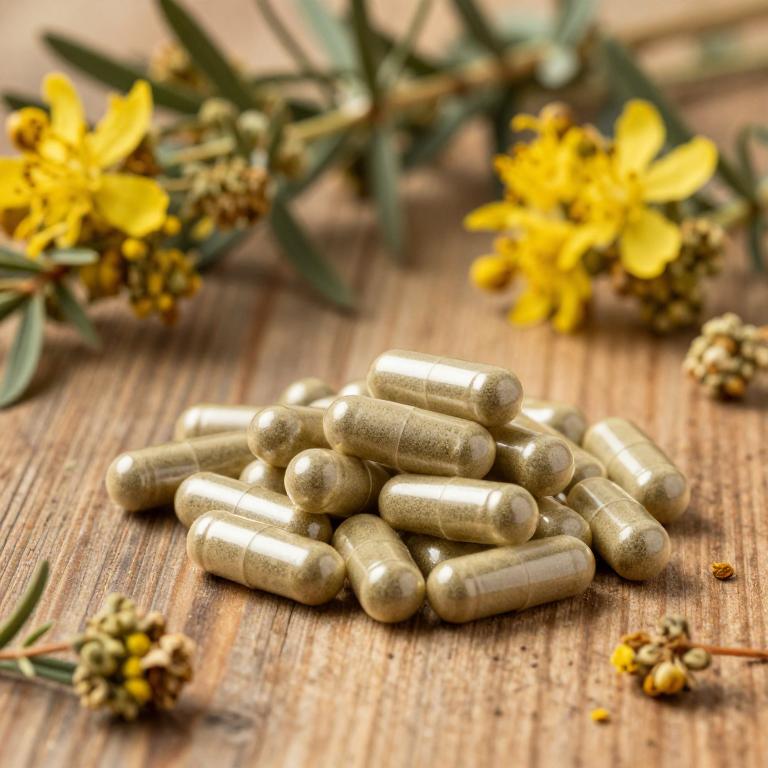
Hypericum perforatum, commonly known as St. John's Wort, is traditionally used for its potential anti-inflammatory and antimicrobial properties, which may help in managing gum infections.
While it is more commonly associated with depression treatment, some studies suggest it may support oral health by reducing bacterial growth and inflammation in the gums. Herbal capsules containing Hypericum perforatum are often used as a complementary therapy alongside conventional treatments for periodontal disease. However, it is important to consult with a healthcare provider before using it, as it can interact with certain medications.
Overall, Hypericum perforatum may offer some benefits for gum health, but more research is needed to fully understand its efficacy in treating infections.