10 Best Herbal Capsules For Grief
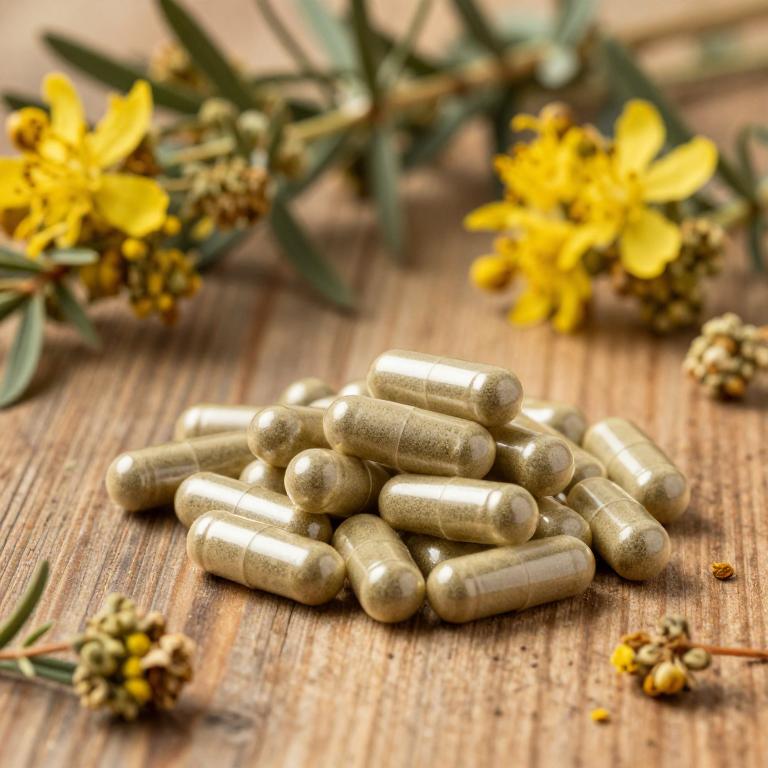
Herbal capsules for grief are natural remedies designed to support emotional healing and balance during times of loss.
These capsules often contain calming herbs such as valerian root, passionflower, and chamomile, which are known for their soothing properties. They may also include adaptogens like ashwagandha or rhodiola rosea, which help the body manage stress and emotional distress. While they are not a substitute for professional counseling, herbal capsules can complement traditional approaches to grief management.
It is important to consult with a healthcare provider before using any herbal supplements, especially if you are on medication or have underlying health conditions.
Table of Contents
- 1. St. john's wort (Hypericum perforatum)
- 2. Valerian (Valeriana officinalis)
- 3. Maypop (Passiflora incarnata)
- 4. Licorice (Glycyrrhiza glabra)
- 5. Echinacea (Echinacea purpurea)
- 6. Chamomile (Matricaria chamomilla)
- 7. Yarrow (Achillea millefolium)
- 8. Maca (Lepidium meyenii)
- 9. Blessed thistle (Cnicus benedictus)
- 10. Salvia (Salvia officinalis)
1. St. john's wort (Hypericum perforatum)
Hypericum perforatum, commonly known as St. John's Wort, is a herbal remedy that has been traditionally used to support emotional well-being, particularly in the management of mild to moderate depressive symptoms.
Herbal capsules containing Hypericum perforatum are often used as a natural alternative to conventional antidepressants, especially for individuals experiencing grief-related sadness or low mood. These capsules are standardized to contain a specific concentration of hypericin, the active compound believed to contribute to their mood-enhancing effects. While they may offer relief for some, it is important to consult a healthcare professional before use, as they can interact with other medications and may not be suitable for everyone.
Overall, Hypericum perforatum herbal capsules are a popular choice for those seeking a holistic approach to managing the emotional challenges of grief.
2. Valerian (Valeriana officinalis)
Valeriana officinalis, commonly known as valerian, is a traditional herbal remedy often used to support emotional well-being and alleviate symptoms of anxiety and stress.
When formulated into herbal capsules, valerian root is standardized to contain specific concentrations of its active compounds, such as valerenic acid and isolvalerenic acid, which are believed to interact with the central nervous system to promote relaxation. These capsules are sometimes recommended as a natural supplement for individuals experiencing grief, as they may help ease the emotional turmoil and restlessness associated with loss. However, it is important to consult with a healthcare professional before using valerian, especially if taking other medications or suffering from certain health conditions.
While valerian may offer some relief, it is not a substitute for professional counseling or therapy when dealing with deep grief.
3. Maypop (Passiflora incarnata)
Passiflora incarnata, commonly known as passionflower, is a herbal remedy often used to support emotional well-being, particularly during times of grief.
Its calming properties are believed to help reduce anxiety and promote relaxation, which can be beneficial for individuals coping with loss. Passiflora incarnata herbal capsules are typically made from the dried leaves and flowers of the plant and are standardized for consistent potency. These capsules are often taken as a supplement to aid in emotional balance and sleep during periods of intense emotional distress.
While not a substitute for professional counseling, passiflora incarnata may offer gentle support for those seeking natural ways to manage grief-related symptoms.
4. Licorice (Glycyrrhiza glabra)
Glycyrrhiza glabra, commonly known as licorice root, has been traditionally used in herbal medicine for its soothing and anti-inflammatory properties.
When formulated into capsules, it may support emotional well-being by helping to balance stress hormones and ease the physiological effects of grief. Some studies suggest that licorice root may aid in reducing symptoms of anxiety and depression, which are often associated with prolonged grief. However, it is important to note that while it may complement other grief support strategies, it should not replace professional mental health care.
As with any herbal supplement, it is advisable to consult with a healthcare provider before use, especially for individuals with hypertension or other medical conditions.
5. Echinacea (Echinacea purpurea)
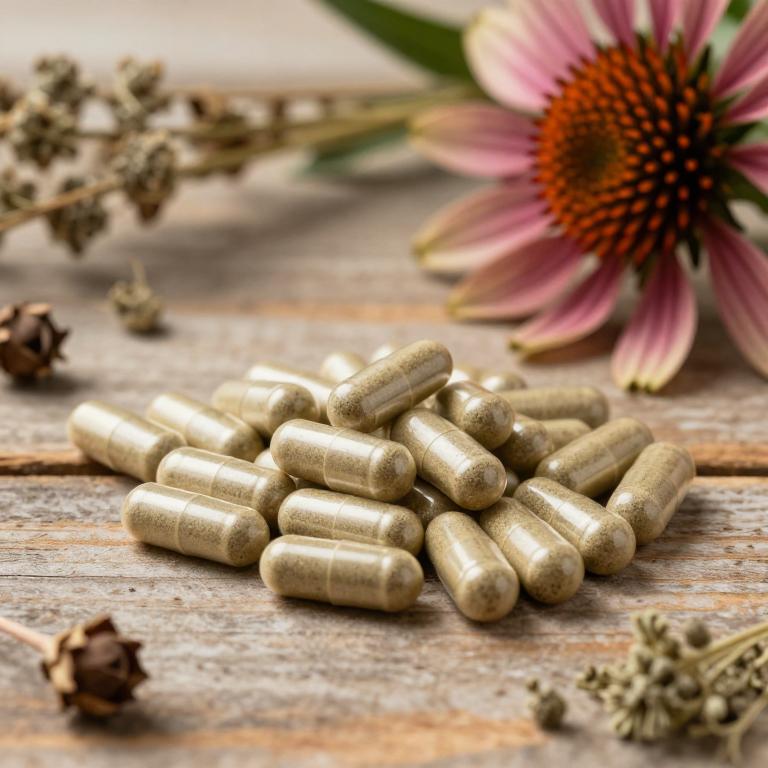
Echinacea purpurea herbal capsules are traditionally used to support the immune system and promote overall wellness, but they are not specifically formulated or proven to alleviate grief.
While some individuals may turn to herbal supplements during times of emotional distress, there is no scientific evidence that echinacea directly addresses the psychological effects of grief. Grief is a complex emotional response that often requires professional support, counseling, or therapeutic interventions for effective management. It is important to consult with a healthcare provider before using any herbal supplements, especially when dealing with intense emotional challenges.
Ultimately, while echinacea may offer general health benefits, it should not be relied upon as a primary tool for coping with grief.
6. Chamomile (Matricaria chamomilla)
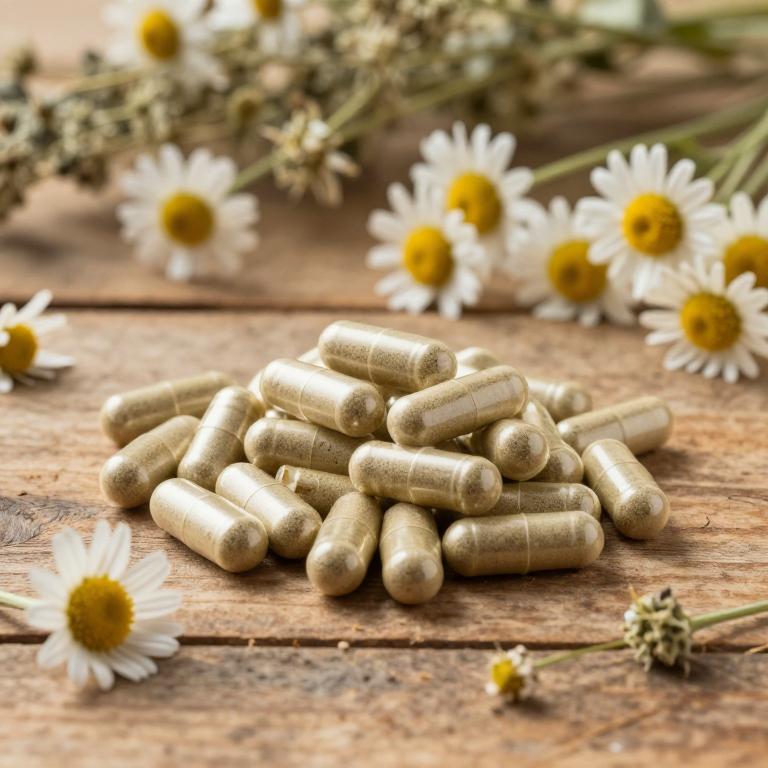
Matricaria chamomilla, commonly known as chamomile, is often used in herbal capsules to support emotional well-being, including during times of grief.
The calming properties of chamomile are believed to help reduce anxiety and promote relaxation, which can be particularly beneficial for individuals coping with loss. Herbal capsules containing chamomilla are typically made from dried flowers and are standardized to ensure consistent potency. While not a substitute for professional grief counseling, chamomile may offer gentle relief from emotional distress when used as part of a holistic approach.
It is important to consult with a healthcare provider before using chamomile, especially if you are on medication or have underlying health conditions.
7. Yarrow (Achillea millefolium)
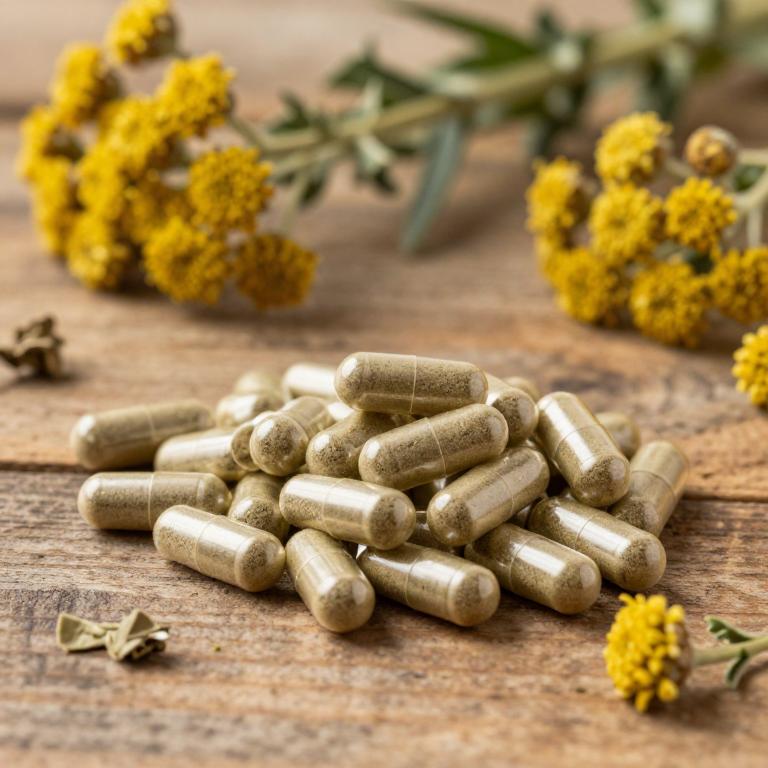
Achillea millefolium, commonly known as yarrow, has been traditionally used in herbal medicine for its potential calming and soothing effects.
When formulated into herbal capsules, it may support emotional resilience and help ease the symptoms of grief by promoting a sense of balance and tranquility. The herb is believed to have mild sedative properties that can aid in reducing anxiety and emotional distress associated with loss. While it is not a substitute for professional grief counseling, some individuals find comfort in using yarrow as a complementary therapy.
As with any herbal supplement, it is advisable to consult with a healthcare provider before use, especially for those with existing health conditions or taking other medications.
8. Maca (Lepidium meyenii)
Lepidium meyenii, commonly known as maca, is a root vegetable native to the high Andes of Peru and has been traditionally used for its adaptogenic properties.
While primarily recognized for its energy-boosting and mood-enhancing effects, some studies suggest that maca may support emotional resilience and balance, making it a potential complementary therapy for individuals experiencing grief. Herbal capsules containing Lepidium meyenii are often marketed for their ability to help manage stress and improve mental clarity, which can be beneficial during the grieving process. However, it is important to note that maca is not a substitute for professional grief counseling or therapy, and its effects can vary among individuals.
As with any herbal supplement, it is advisable to consult a healthcare provider before use, especially for those with pre-existing conditions or taking other medications.
9. Blessed thistle (Cnicus benedictus)
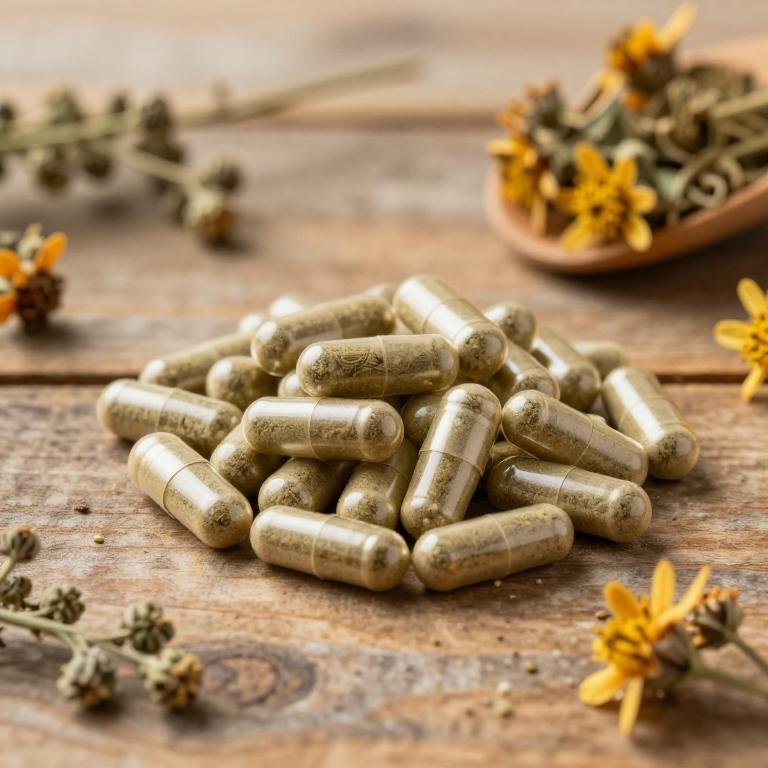
Cnicus benedictus, also known as blessed thorn, has been traditionally used in herbal medicine for its potential supportive role in emotional healing, particularly in addressing grief.
Herbal capsules containing Cnicus benedictus are often formulated to promote emotional resilience and may help ease the symptoms of prolonged sorrow or emotional distress. While not a substitute for professional counseling, these capsules are believed to support the body’s natural ability to process grief through their calming and mood-regulating properties. The plant’s active compounds are thought to interact with the nervous system to reduce anxiety and foster a sense of inner peace.
As with any herbal supplement, it is advisable to consult with a healthcare provider before use, especially for individuals with existing health conditions or those taking other medications.
10. Salvia (Salvia officinalis)
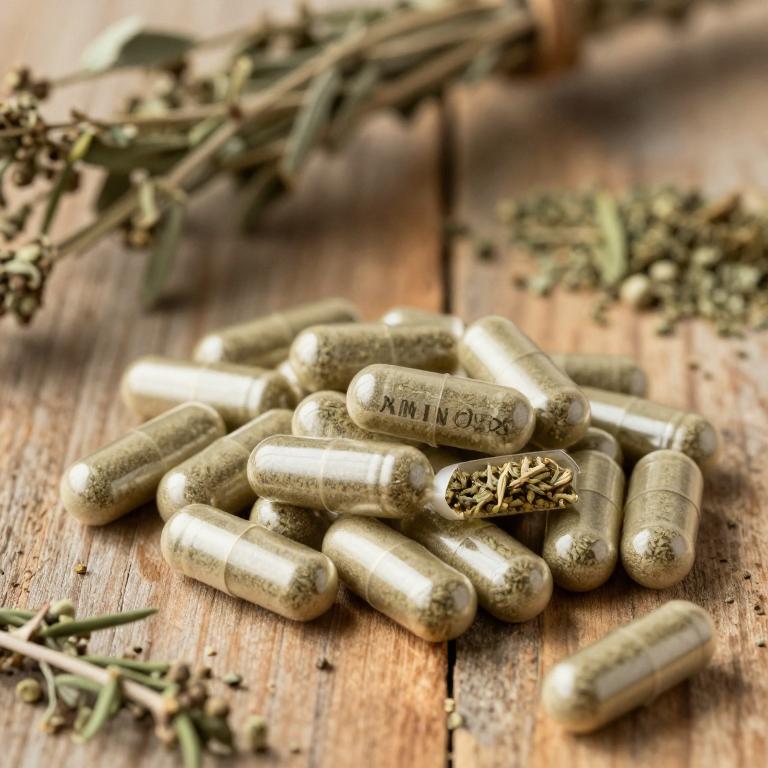
Salvia officinalis, commonly known as sage, has been traditionally used in herbal medicine for its potential calming and mood-enhancing properties.
When formulated into herbal capsules, salvia officinalis may support emotional balance and help alleviate symptoms of grief by promoting mental clarity and reducing anxiety. Its anti-inflammatory and antioxidant properties may also contribute to overall well-being during times of emotional distress. While it is not a substitute for professional grief counseling, some individuals find comfort in using sage supplements as part of a holistic approach to healing.
As with any herbal remedy, it is advisable to consult with a healthcare provider before incorporating salvia officinalis into one’s regimen, especially for those with existing health conditions or taking other medications.