10 Best Herbal Teas For Glowing Skin
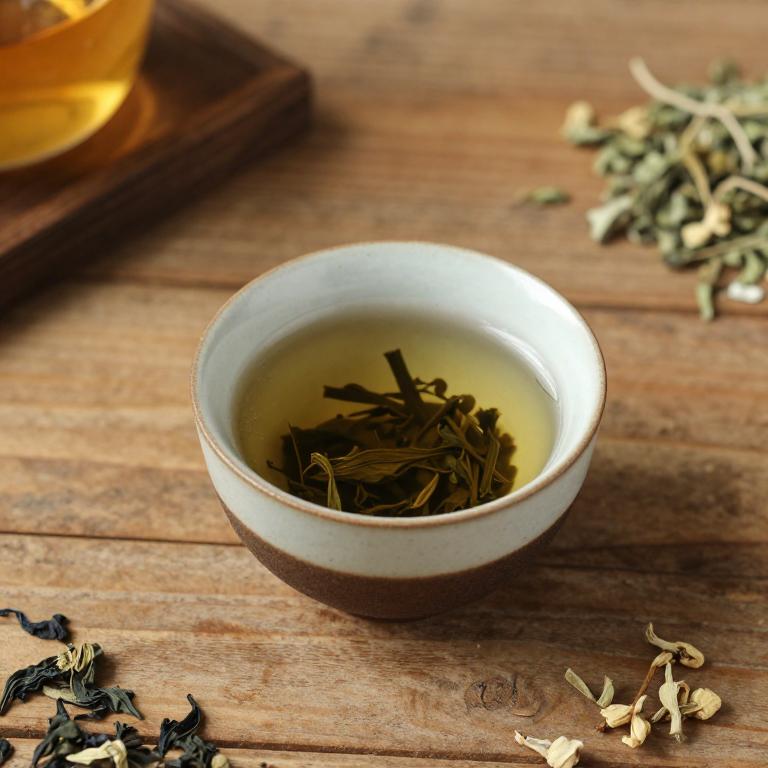
Herbal teas can be a natural and effective way to promote glowing skin by providing essential nutrients and antioxidants that support skin health.
Teas such as green tea, chamomile, and hibiscus are particularly beneficial due to their anti-inflammatory and skin-rejuvenating properties. Drinking these teas regularly can help improve skin texture, reduce acne, and enhance overall radiance. Additionally, some herbal teas can be used topically as face rinses to further nourish and refresh the skin.
Incorporating herbal teas into a daily routine can be a simple yet powerful step toward achieving a healthier, more luminous complexion.
Table of Contents
- 1. Camellia (Camellia sinensis)
- 2. Thistle (Silybum marianum)
- 3. Chaste tree (Vitex agnus-castus)
- 4. Dog rose (Rosa canina)
- 5. Stinging nettle (Urtica dioica)
- 6. Chamomile (Matricaria chamomilla)
- 7. Blessed thistle (Cnicus benedictus)
- 8. Centella (Centella asiatica)
- 9. Salvia (Salvia officinalis)
- 10. Licorice (Glycyrrhiza glabra)
1. Camellia (Camellia sinensis)
Camellia sinensis, the plant from which green tea is derived, is widely used in herbal teas for its numerous skin benefits.
These teas are rich in antioxidants, particularly catechins like epigallocatechin gallate (EGCG), which help combat free radicals and reduce oxidative stress on the skin. Regular consumption of Camellia sinensis herbal teas can promote a clearer, more radiant complexion by improving skin texture and reducing inflammation. The anti-inflammatory properties of these teas also help in minimizing redness and acne, contributing to a healthier glow.
Overall, incorporating Camellia sinensis herbal teas into one's routine can be a natural and effective way to support skin health and achieve a luminous appearance.
2. Thistle (Silybum marianum)
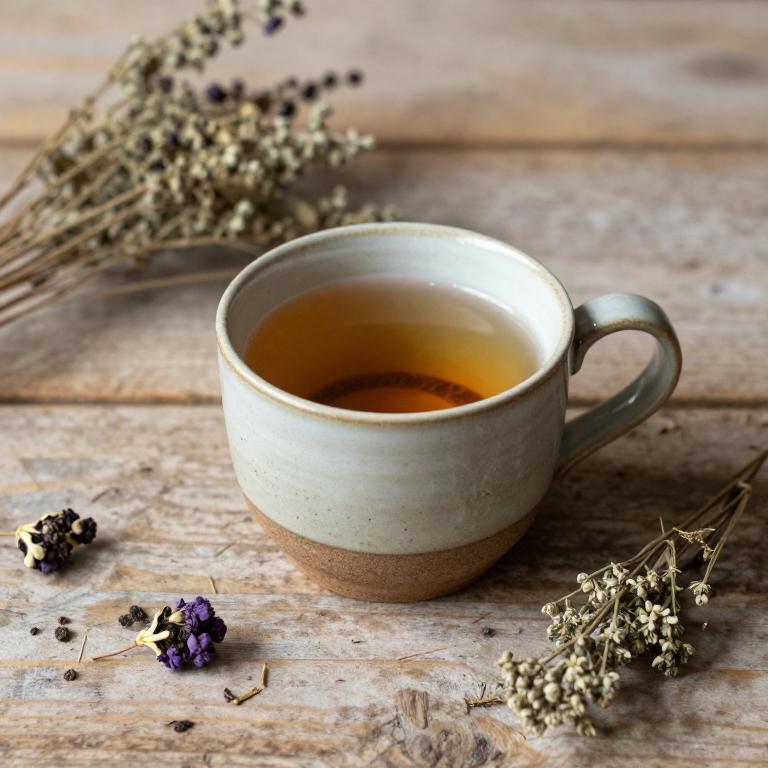
Silybum marianum, also known as milk thistle, is a powerful herb that has been traditionally used for its skin-nourishing properties.
Herbal teas made from silybum marianum are rich in antioxidants, particularly silymarin, which helps protect skin cells from damage caused by free radicals. These teas can promote a healthy glow by supporting skin regeneration and reducing inflammation. Regular consumption may enhance skin elasticity and hydration, leading to a more radiant complexion.
Additionally, silybum marianum is believed to support liver health, which in turn contributes to overall skin vitality and a natural, glowing appearance.
3. Chaste tree (Vitex agnus-castus)
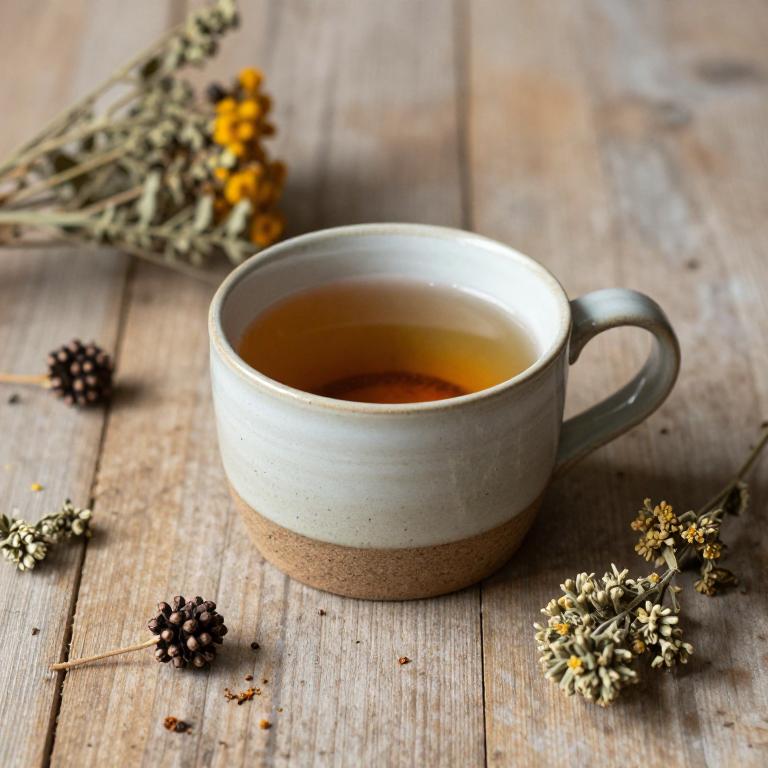
Vitex agnus-castus, commonly known as chasteberry, is a popular herbal remedy used in teas to promote glowing skin due to its hormone-balancing properties.
This herb is believed to support the endocrine system, which can help regulate sebum production and reduce acne, leading to a clearer complexion. Chasteberry tea is also rich in antioxidants that combat free radicals, helping to prevent premature aging and enhance skin radiance. Regular consumption of vitex agnus-castus tea may improve skin texture and elasticity, contributing to a more youthful appearance.
However, it is important to consult with a healthcare provider before incorporating this herbal tea into your routine, especially if you have existing health conditions or are taking medications.
4. Dog rose (Rosa canina)
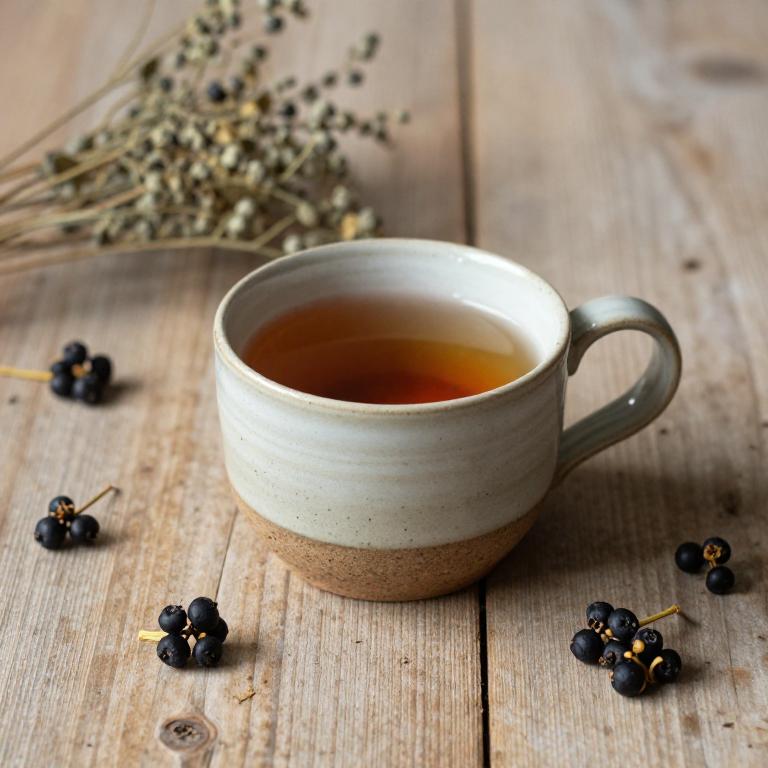
Rosa canina, also known as rose hip, is a popular herbal ingredient known for its rich content of vitamins, particularly vitamin C, which is essential for skin health and a glowing complexion.
This natural remedy is often used in herbal teas to promote skin radiance by supporting collagen production and reducing oxidative stress. The anti-inflammatory and antioxidant properties of rose hip help in soothing skin irritations and improving overall skin texture. Regular consumption of rosa canina herbal tea can contribute to a healthier, more luminous skin appearance from within.
As a gentle and nourishing option, it is suitable for those seeking natural skincare support through diet.
5. Stinging nettle (Urtica dioica)
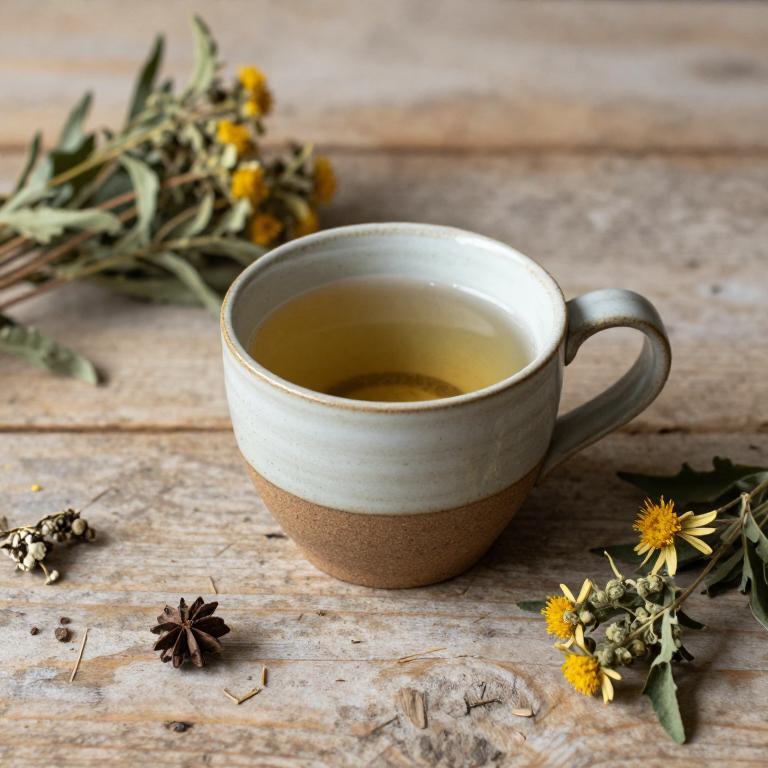
Urtica dioica, commonly known as stinging nettle, is a powerful herb that has been used for centuries in traditional medicine for its numerous health benefits, including promoting glowing skin.
When brewed into a herbal tea, stinging nettle provides a rich source of vitamins, minerals, and antioxidants that support skin health and radiance. The tea helps detoxify the body, reduce inflammation, and improve skin elasticity, leading to a more youthful appearance. Regular consumption of urtica dioica tea can enhance natural skin glow by addressing issues such as dullness and uneven texture.
As a natural and safe alternative to commercial skincare products, this herbal tea offers a holistic approach to achieving healthier, brighter skin.
6. Chamomile (Matricaria chamomilla)
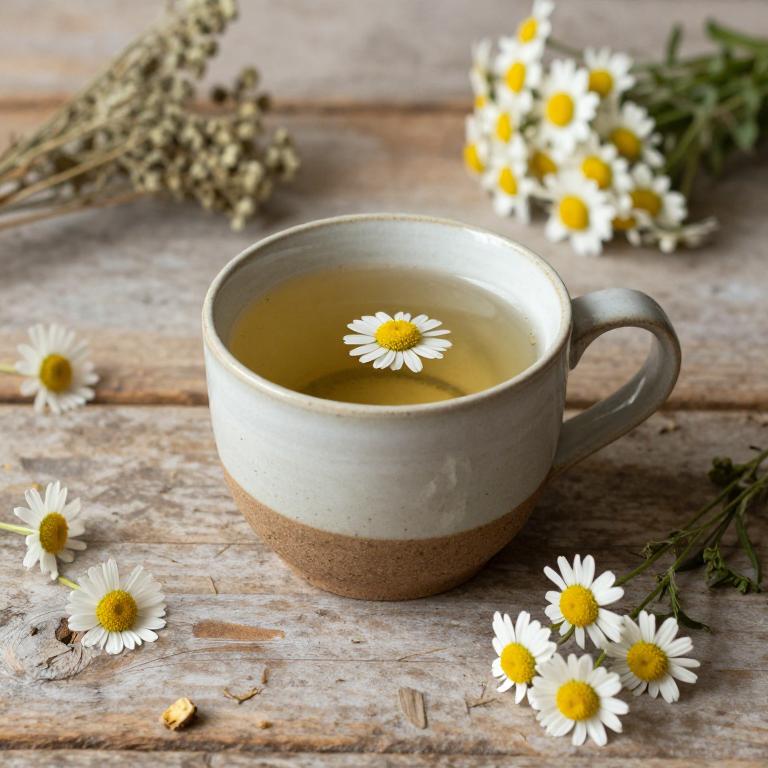
Matricaria chamomilla, commonly known as chamomile, is a popular herbal tea renowned for its soothing and nourishing properties that promote glowing skin.
Rich in antioxidants and anti-inflammatory compounds, chamomile tea helps reduce redness, irritation, and acne, making it ideal for sensitive or inflamed skin. Regular consumption of chamomile tea can improve skin hydration and brightness by supporting the body's natural detoxification processes. Its gentle nature makes it suitable for all skin types, including those with eczema or rosacea.
Incorporating chamomile herbal tea into a daily routine can lead to a more radiant and healthy complexion over time.
7. Blessed thistle (Cnicus benedictus)
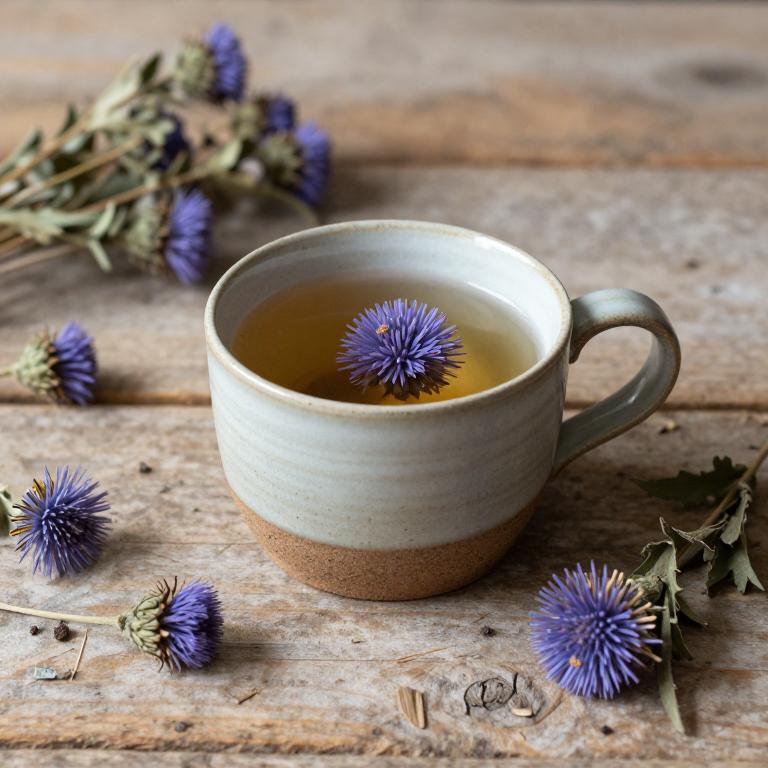
Cnicus benedictus, also known as blessed thistle, is a herb traditionally used in herbal teas to promote glowing skin due to its high content of antioxidants and essential nutrients.
This herb is believed to support liver function, which plays a crucial role in detoxification and skin health. When brewed into a tea, Cnicus benedictus may help reduce skin blemishes and improve overall complexion by enhancing skin renewal processes. It is often combined with other skin-friendly herbs like chamomile or green tea for enhanced benefits.
Regular consumption of Cnicus benedictus herbal tea may contribute to a more radiant and healthy appearance of the skin.
8. Centella (Centella asiatica)
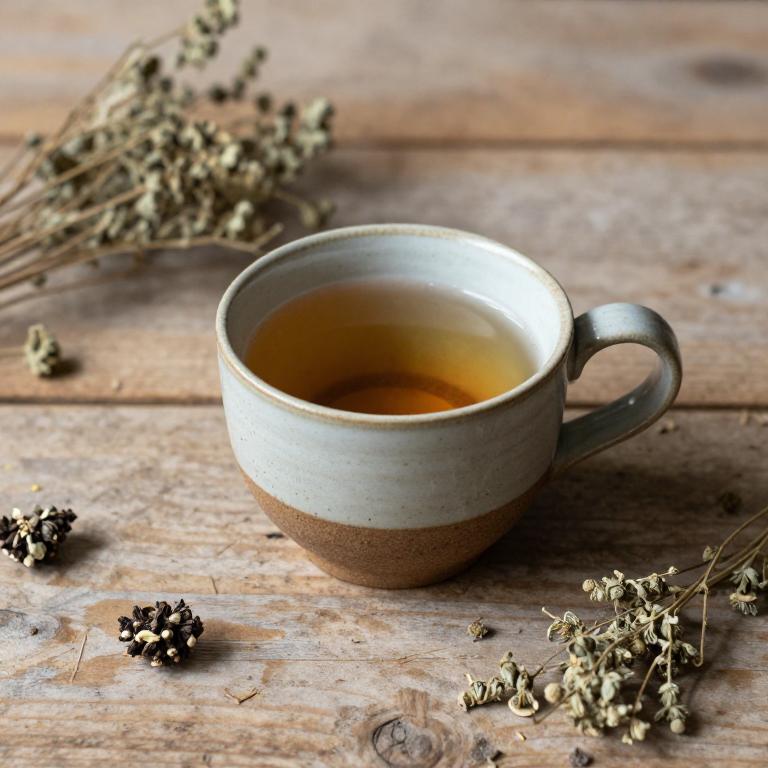
Centella asiatica, also known as gotu kola, is a versatile herbal plant widely used in traditional medicine for its skin-rejuvenating properties.
Centella asiatica herbal teas are rich in antioxidants and amino acids that help improve skin texture, reduce inflammation, and promote a radiant complexion. These teas are believed to enhance collagen production, which can lead to firmer and more youthful-looking skin. Regular consumption of Centella asiatica tea may also help in reducing the appearance of acne and dark spots, contributing to a more even skin tone.
As a natural remedy, this herbal tea is gaining popularity for its holistic approach to achieving glowing, healthy skin.
9. Salvia (Salvia officinalis)
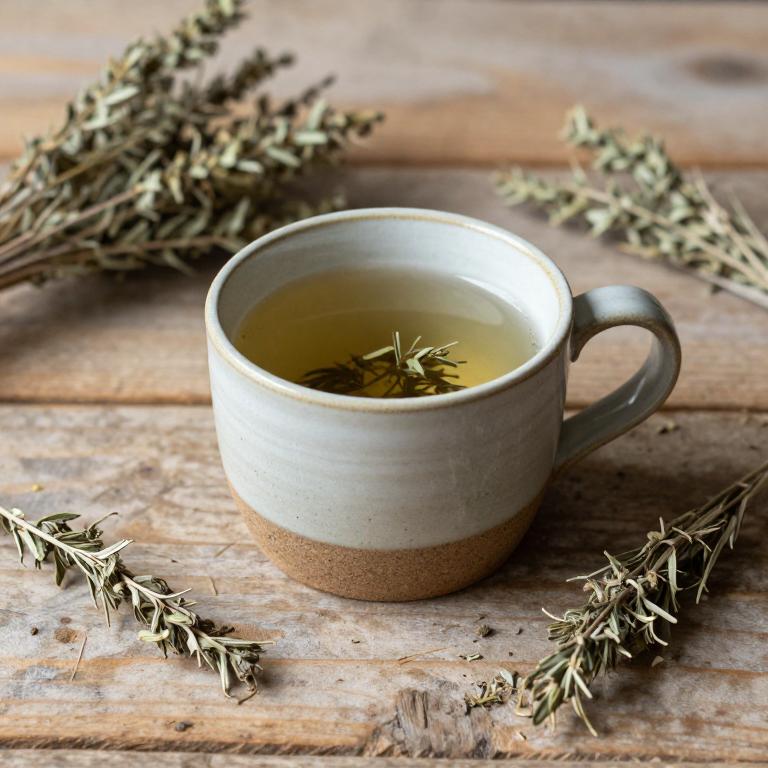
Salvia officinalis, commonly known as sage, is a versatile herb that has been used for centuries in traditional medicine and herbal teas for its numerous health benefits, including its potential to promote glowing skin.
Sage tea is rich in antioxidants, which help combat free radicals and reduce oxidative stress, contributing to a more radiant complexion. It also has anti-inflammatory properties that can soothe skin irritations and reduce redness, making it beneficial for sensitive or acne-prone skin. Regular consumption of sage tea may help regulate sebum production, leading to a clearer and more balanced skin texture.
Additionally, sage contains compounds that support skin hydration and cellular renewal, enhancing overall skin health and a natural, healthy glow.
10. Licorice (Glycyrrhiza glabra)
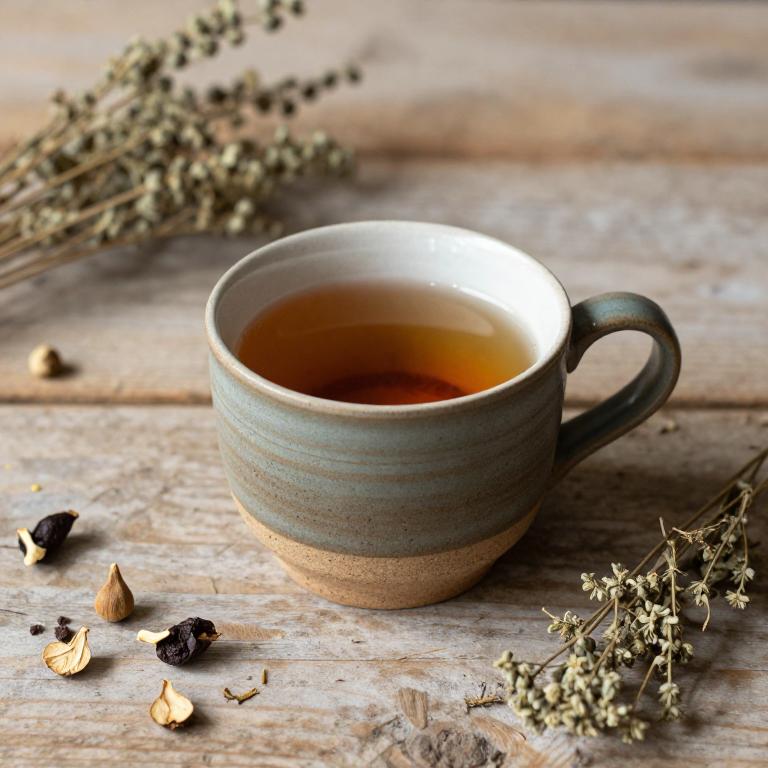
Glycyrrhiza glabra, commonly known as licorice root, is a popular herbal ingredient used in teas for its potential benefits for glowing skin.
This herb contains compounds like glycyrrhizin and flavonoids, which are believed to have anti-inflammatory and antioxidant properties that can help reduce redness and even out skin tone. Licorice root tea is often used topically or consumed internally to promote a more radiant and luminous complexion. Its mild nature makes it suitable for many skin types, though it should be used with caution due to its potential to cause skin irritation in some individuals.
Regular use of licorice root tea may contribute to a healthier, more radiant appearance by supporting overall skin health and reducing the appearance of blemishes.