10 Best Herbal Capsules For Gastritis
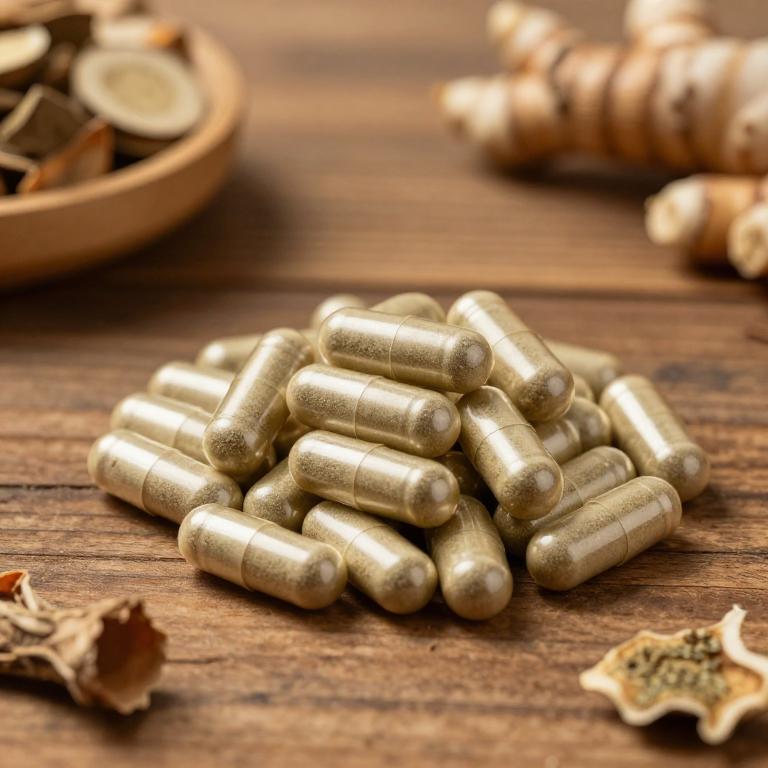
Herbal capsules for gastritis are a popular natural remedy used to soothe stomach inflammation and reduce symptoms such as heartburn, bloating, and indigestion.
These capsules typically contain a blend of herbs like licorice root, ginger, and peppermint, which are known for their anti-inflammatory and antacid properties. They are often preferred by individuals seeking alternative or complementary treatments to conventional medications. Herbal capsules can help protect the stomach lining and promote healing by reducing acid production and improving digestion.
However, it is important to consult a healthcare professional before using them, especially if you are on other medications or have underlying health conditions.
Table of Contents
- 1. Ginger (Zingiber officinale)
- 2. Cumin (Cuminum cyminum)
- 3. Thistle (Silybum marianum)
- 4. Turmeric (Curcuma longa)
- 5. Camellia (Camellia sinensis)
- 6. Licorice (Glycyrrhiza glabra)
- 7. Chamomile (Matricaria chamomilla)
- 8. Fennel (Foeniculum vulgare)
- 9. Black pepper (Piper nigrum)
- 10. Stinging nettle (Urtica dioica)
1. Ginger (Zingiber officinale)
Zingiber officinale, commonly known as ginger, has been widely used in traditional medicine for its potential therapeutic effects on gastrointestinal conditions, including gastritis.
Ginger herbal capsules are a convenient and concentrated form of this spice, offering a standardized dose of ginger compounds such as gingerol and shogaol, which are believed to possess anti-inflammatory and antioxidant properties. These capsules may help reduce inflammation in the stomach lining, alleviate nausea, and soothe digestive discomfort associated with gastritis. Studies suggest that ginger can promote the production of gastric mucus, which acts as a protective barrier against stomach acid.
However, while ginger is generally safe for most people, individuals with bleeding disorders or those taking blood-thinning medications should consult a healthcare provider before use.
2. Cumin (Cuminum cyminum)
Cuminum cyminum, commonly known as cumin, is a spice that has been traditionally used for its digestive benefits, and it is now available in herbal capsule form for individuals suffering from gastritis.
These capsules contain concentrated cumin seeds, which are rich in essential oils, antioxidants, and phytochemicals that may help soothe the stomach lining and reduce inflammation. Cumin has been shown to stimulate the production of digestive enzymes, aiding in the breakdown of food and potentially alleviating symptoms such as bloating and indigestion. When taken as part of a holistic approach to managing gastritis, cumin capsules may support overall digestive health.
However, it is advisable to consult a healthcare professional before starting any new herbal supplement, especially if you have existing medical conditions or are taking other medications.
3. Thistle (Silybum marianum)
Silybum marianum, commonly known as milk thistle, is often used in herbal capsules for its potential benefits in supporting digestive health, particularly for individuals with gastritis.
The active compound, silymarin, is believed to have anti-inflammatory and antioxidant properties that may help reduce stomach inflammation and protect the lining of the gastrointestinal tract. Herbal capsules containing Silybum marianum are typically taken orally and may be combined with other herbs or conventional treatments to manage symptoms of gastritis. While some studies suggest its efficacy, more research is needed to fully establish its role in treating gastritis.
As with any supplement, it is advisable to consult a healthcare professional before use, especially for those with existing medical conditions or taking other medications.
4. Turmeric (Curcuma longa)
Curcuma longa, commonly known as turmeric, is a herbal remedy that has been traditionally used for its anti-inflammatory and antioxidant properties.
When formulated into capsules, curcuma longa can be a convenient and effective supplement for individuals suffering from gastritis, a condition characterized by inflammation of the stomach lining. The active compound in turmeric, curcumin, helps reduce stomach acid production and soothes irritation, making it beneficial for managing symptoms like indigestion and heartburn. However, it is important to consult a healthcare professional before starting any herbal supplement, especially if you are taking other medications or have existing health conditions.
Overall, curcuma longa capsules may offer a natural and supportive option for those seeking alternative treatments for gastritis.
5. Camellia (Camellia sinensis)
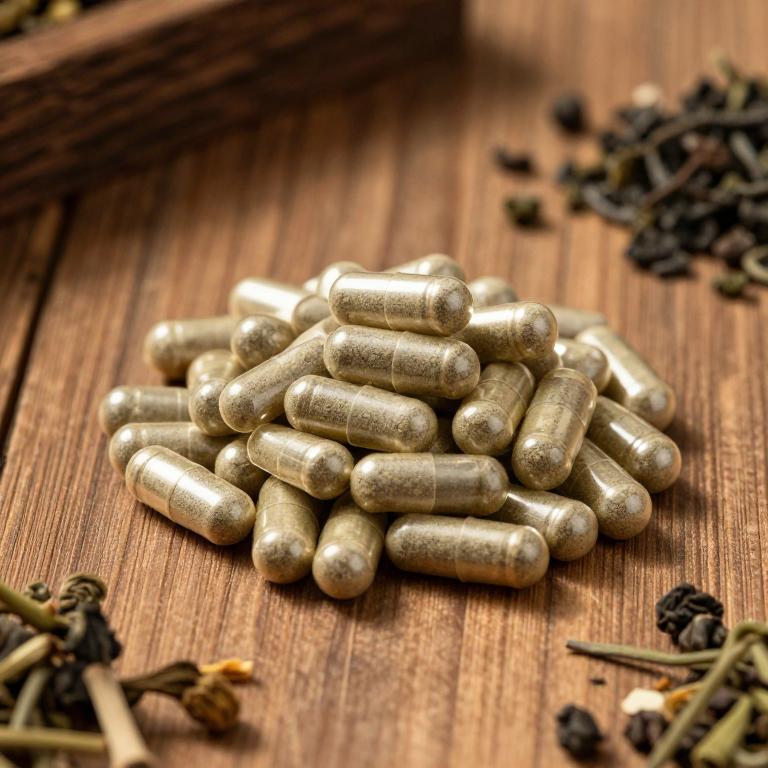
Camellia sinensis, commonly known as the plant from which green and black teas are derived, has been studied for its potential benefits in managing gastritis, an inflammation of the stomach lining.
The herbal capsules made from Camellia sinensis contain compounds like catechins and polyphenols, which possess anti-inflammatory and antioxidant properties that may help reduce gastric irritation. These capsules are often used as a natural remedy to soothe the stomach lining and inhibit the production of harmful stomach acid. While they are generally considered safe, it is advisable to consult a healthcare professional before using them, especially if you are on other medications.
Overall, Camellia sinensis herbal capsules may offer supportive relief for gastritis when used as part of a holistic treatment plan.
6. Licorice (Glycyrrhiza glabra)
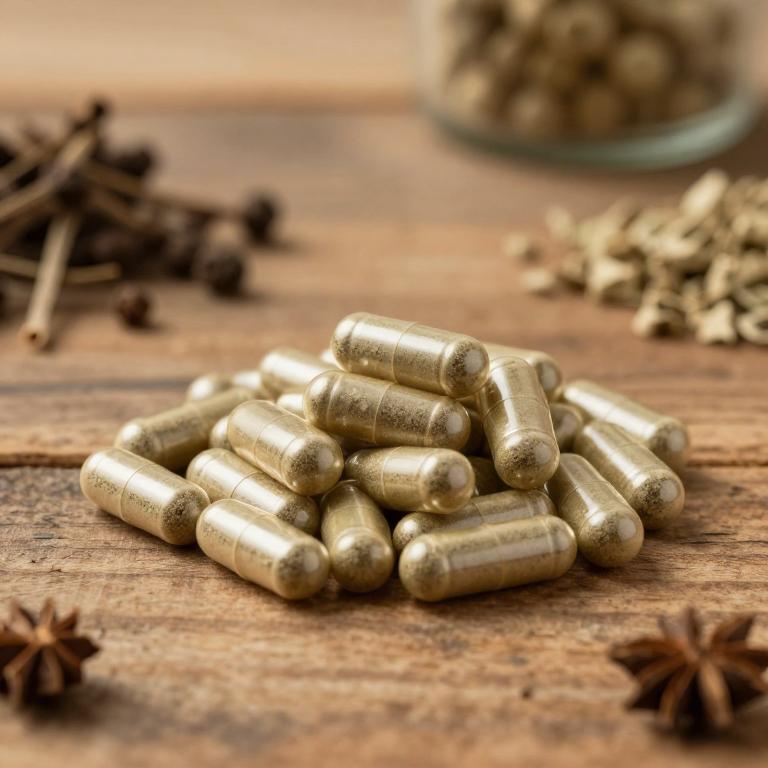
Glycyrrhiza glabra, commonly known as licorice root, has been traditionally used for its anti-inflammatory and soothing properties, making it a popular herbal remedy for gastritis.
The active compounds in licorice root, such as glycyrrhizin and flavonoids, help reduce stomach inflammation and protect the gastric lining from harmful acids. When formulated into herbal capsules, glycyrrhiza glabra provides a convenient and concentrated form of this natural remedy for managing symptoms of gastritis. However, prolonged use may lead to side effects like hypertension due to its mineralocorticoid-like effects, so it should be used under medical supervision.
Overall, licorice root capsules are considered a complementary therapy that may support digestive health when used appropriately.
7. Chamomile (Matricaria chamomilla)
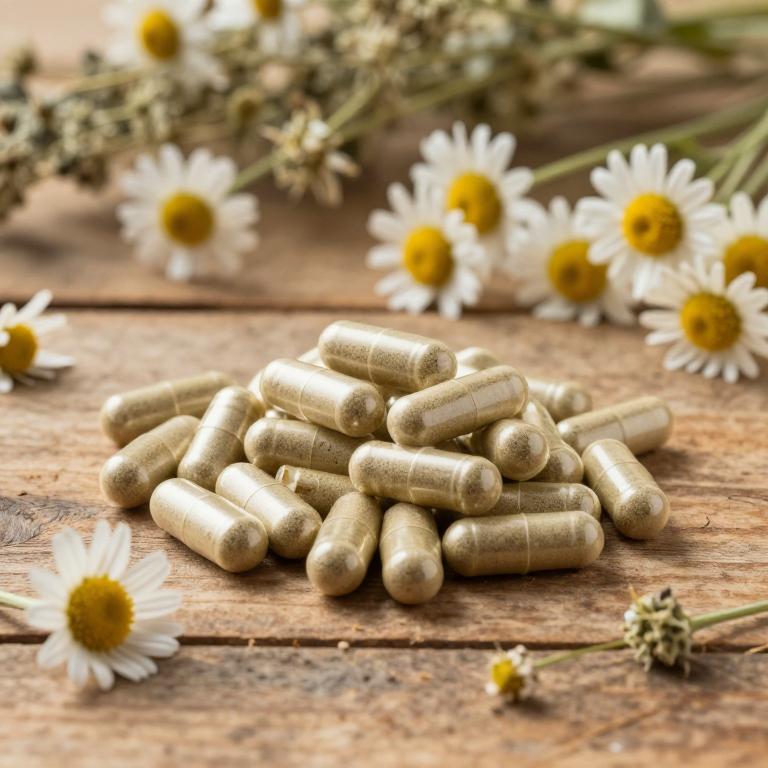
Matricaria chamomilla, commonly known as chamomile, is often used in herbal capsules to support digestive health, particularly in cases of gastritis.
These capsules contain standardized extracts of the flower, which are rich in anti-inflammatory and antispasmodic compounds such as bisabolol and apigenin. Chamomile has been traditionally valued for its ability to soothe the stomach lining and reduce irritation caused by excess acid or inflammation. When taken regularly, chamomile capsules may help alleviate symptoms like bloating, nausea, and discomfort associated with gastritis.
However, it is important to consult a healthcare professional before starting any herbal supplement, especially if you are on other medications or have underlying health conditions.
8. Fennel (Foeniculum vulgare)
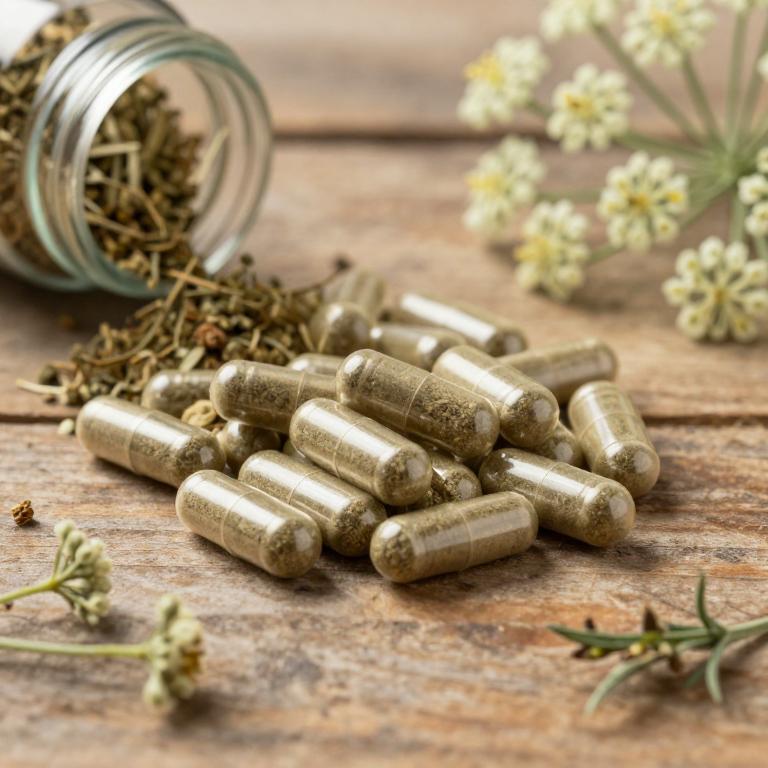
Foeniculum vulgare, commonly known as fennel, is widely used in herbal medicine for its potential benefits in treating gastritis.
The essential oil and seeds of fennel contain compounds like anethole and flavonoids, which may help reduce inflammation and soothe the stomach lining. Herbal capsules made from fennel are often taken to alleviate symptoms such as bloating, indigestion, and nausea associated with gastritis. These capsules are generally considered safe when used in recommended doses, though they should be taken with caution alongside other medications.
It is advisable to consult a healthcare professional before using fennel capsules, especially for individuals with chronic gastritis or other digestive disorders.
9. Black pepper (Piper nigrum)
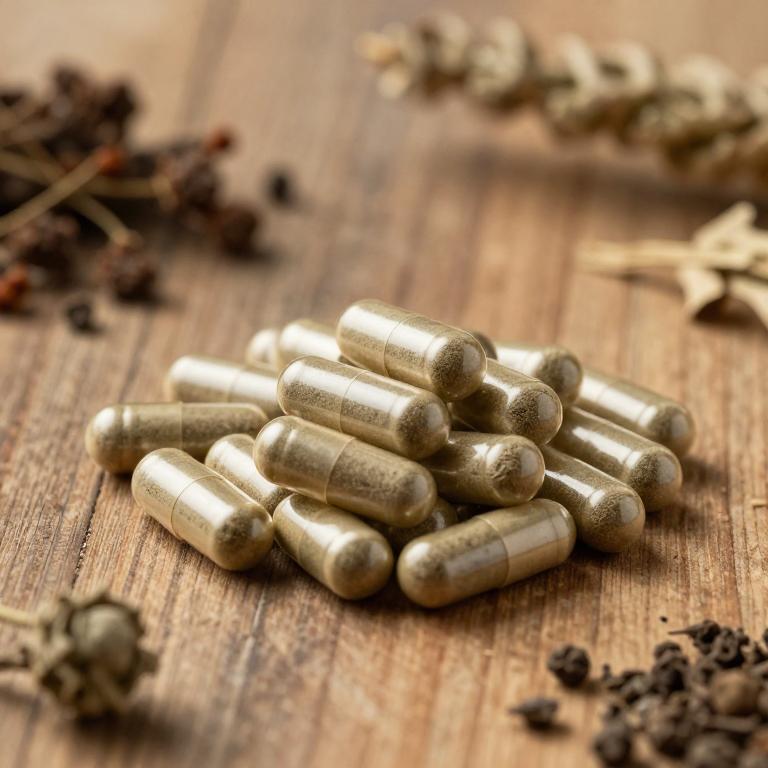
Piper nigrum, commonly known as black pepper, is often used in herbal formulations for its potential anti-inflammatory and digestive properties.
When formulated into capsules, piper nigrum may support individuals with gastritis by helping to reduce stomach inflammation and improve digestion. The active compound, piperine, is believed to enhance the absorption of other nutrients and may also have a mild effect on reducing stomach acidity. However, it is important to consult a healthcare professional before using black pepper capsules, especially for those with existing digestive conditions.
While some studies suggest possible benefits, more research is needed to fully understand its efficacy and safety for gastritis management.
10. Stinging nettle (Urtica dioica)
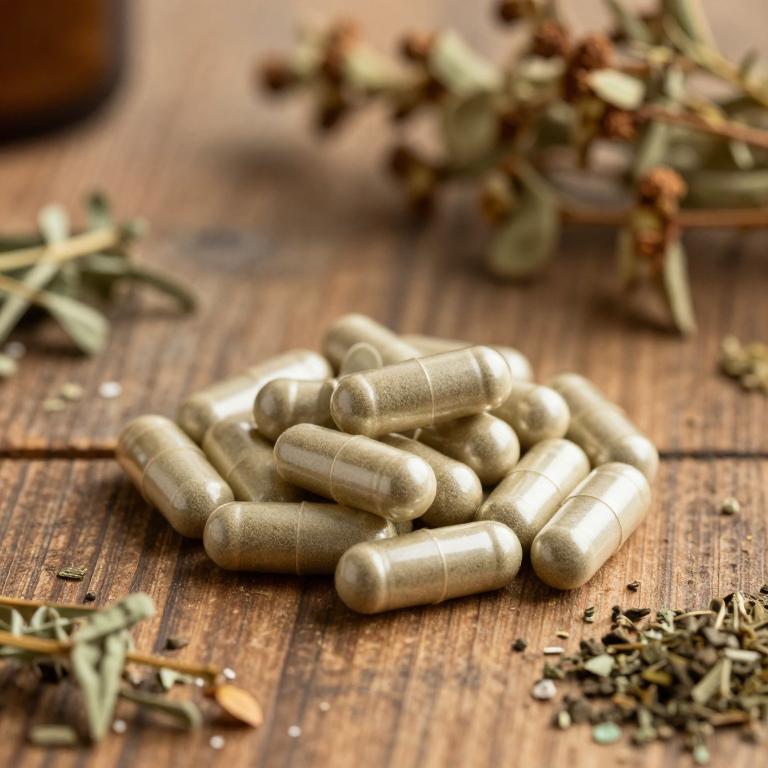
Urtica dioica, commonly known as stinging nettle, is often used in herbal remedies for its anti-inflammatory and digestive benefits.
Urtica dioica herbal capsules are formulated to support individuals suffering from gastritis by reducing stomach inflammation and soothing the digestive tract. These capsules contain concentrated extracts of the plant, which are rich in antioxidants and minerals that may help protect the stomach lining. They are typically taken as a natural alternative or complement to conventional treatments for gastritis.
However, it is important to consult with a healthcare professional before starting any herbal supplement to ensure safety and appropriateness for individual health conditions.