10 Best Herbal Lotions For Gallstones
Herbal lotions for gallstones are natural remedies that aim to support liver and gallbladder health by using plant-based ingredients known for their detoxifying and anti-inflammatory properties.
These lotions often contain herbs such as dandelion, milk thistle, and turmeric, which are believed to aid in the digestion of fats and the reduction of gallstone formation. While they are not a substitute for medical treatment, some people use these lotions as a complementary therapy to promote overall digestive wellness. However, it is important to consult with a healthcare professional before using any herbal remedy, as they may interact with medications or have side effects.
Overall, herbal lotions offer a holistic approach to supporting gallbladder function, though their effectiveness can vary among individuals.
Table of Contents
- 1. Thistle (Silybum marianum)
- 2. Turmeric (Curcuma longa)
- 3. Black cumin (Nigella sativa)
- 4. Peppermint (Mentha piperita)
- 5. Stinging nettle (Urtica dioica)
- 6. Blessed thistle (Cnicus benedictus)
- 7. Cumin (Cuminum cyminum)
- 8. Licorice (Glycyrrhiza glabra)
- 9. Chaste tree (Vitex agnus-castus)
- 10. Dog rose (Rosa canina)
1. Thistle (Silybum marianum)
Silybum marianum, also known as milk thistle, is a herbal remedy that has been traditionally used for its potential liver-supporting properties.
Herbal lotions containing silybum marianum may be applied topically to promote skin health and reduce inflammation, though they are not a direct treatment for gallstones. While some studies suggest that silybum marianum may help support liver function and detoxification, it is not known to dissolve gallstones or reduce their formation. Gallstone management typically requires medical interventions such as dietary changes, medication, or surgery, and herbal lotions should not replace professional medical advice.
It is important to consult a healthcare provider before using any herbal product, especially for conditions like gallstones.
2. Turmeric (Curcuma longa)
Curcuma longa, commonly known as turmeric, contains curcumin, a compound known for its anti-inflammatory and antioxidant properties.
Some studies suggest that curcumin may help in the management of gallstones by reducing inflammation in the gallbladder and promoting bile flow. However, it is important to note that curcuma longa herbal lotions are not a substitute for medical treatment and should not be used as a standalone therapy for gallstones. These lotions may provide topical relief for associated symptoms like inflammation or pain, but their effectiveness in dissolving gallstones is not well-established.
As with any herbal remedy, it is advisable to consult a healthcare professional before using curcuma longa products for gallstone-related conditions.
3. Black cumin (Nigella sativa)
Nigella sativa, commonly known as black cumin, has been traditionally used in herbal medicine for its potential health benefits, including supporting liver and gallbladder function.
Some herbal formulations containing nigella sativa seeds are marketed as natural remedies for gallstones, claiming to help dissolve or prevent the formation of gallbladder stones. While preliminary studies suggest that nigella sativa may have anti-inflammatory and antioxidant properties that could support digestive health, scientific evidence specifically linking it to the treatment of gallstones is limited. It is important to note that herbal lotions containing nigella sativa should not replace medical advice or conventional treatments for gallstones, as they are not a substitute for professional healthcare.
Individuals with gallstones should consult a healthcare provider before using any herbal remedies to ensure safety and effectiveness.
4. Peppermint (Mentha piperita)
Mentha piperita, commonly known as peppermint, is often used in herbal lotions for its soothing and digestive benefits.
These lotions are believed to help alleviate symptoms associated with gallstones, such as pain and inflammation in the gallbladder area. The menthol in peppermint has a cooling effect that may help relax the bile ducts and ease discomfort. While not a cure for gallstones, peppermint herbal lotions can be a complementary therapy to support overall gallbladder health.
It is important to consult a healthcare professional before using any herbal treatments for gallstones to ensure safety and effectiveness.
5. Stinging nettle (Urtica dioica)
Urtica dioica, commonly known as stinging nettle, has been traditionally used in herbal medicine for its potential health benefits, including support for liver and gallbladder function.
Some herbal formulations containing Urtica dioica are marketed as natural remedies for gallstones, claiming to help dissolve stones or reduce symptoms associated with gallbladder disorders. While there is limited scientific evidence supporting these claims, some studies suggest that stinging nettle may have anti-inflammatory and detoxifying properties that could benefit the gallbladder. However, it is important to consult a healthcare professional before using any herbal remedy, as gallstones can be a serious condition requiring medical intervention.
Urtica dioica herbal lotions or extracts should not be seen as a replacement for conventional treatments prescribed by a doctor.
6. Blessed thistle (Cnicus benedictus)

Cnicus benedictus, also known as St. Benedict's weed, has been traditionally used in herbal medicine for its potential bile-stimulating properties.
Herbal lotions made from Cnicus benedictus are believed to support liver and gallbladder health by promoting the flow of bile, which may aid in the management of gallstones. While some anecdotal reports suggest these lotions may help dissolve or prevent the formation of gallstones, scientific evidence supporting their efficacy is limited. It is important to consult a healthcare professional before using any herbal remedy, as gallstones can require medical intervention.
As a complementary therapy, Cnicus benedictus herbal lotions may be used under professional guidance to support overall digestive wellness.
7. Cumin (Cuminum cyminum)
Cuminum cyminum, commonly known as cumin, is a herb that has been traditionally used in herbal medicine for its various health benefits, including its potential role in supporting liver and gallbladder function.
Some herbal formulations containing cumin seeds may be used as part of a holistic approach to managing gallstones, though scientific evidence for its effectiveness in dissolving or preventing gallstones is limited. Cumin is believed to stimulate the production of bile, which may aid in the digestion of fats and potentially reduce the risk of gallstone formation. However, it is important to consult with a healthcare professional before using any herbal remedy, as it may interact with medications or have side effects.
While cumin-based herbal lotions or supplements are available, they should not replace conventional medical treatments for gallstones.
8. Licorice (Glycyrrhiza glabra)
Glycyrrhiza glabra, commonly known as licorice root, has been traditionally used in herbal medicine for its potential benefits in supporting liver and gallbladder health.
Some herbal lotions containing glycyrrhiza glabra are believed to help reduce inflammation and promote the flow of bile, which may support the body's natural process of managing gallstones. However, it is important to note that while licorice root may have some supportive properties, it is not a proven treatment for gallstones and should not replace medical advice or conventional treatments. These herbal lotions are often used as complementary therapies, and their effectiveness can vary depending on individual health conditions and the formulation of the product.
As with any herbal remedy, it is advisable to consult a healthcare professional before use, especially for individuals with existing gallbladder issues.
9. Chaste tree (Vitex agnus-castus)
Vitex agnus-castus, commonly known as chaste tree, has been traditionally used in herbal medicine for its potential benefits in supporting hormonal balance and digestive health.
While there is limited scientific evidence directly linking vitex agnus-castus herbal lotions to the treatment of gallstones, some proponents suggest that its anti-inflammatory and bile-supporting properties may aid in gallbladder function. Herbal lotions made from vitex agnus-castus are typically applied topically and may help alleviate symptoms such as inflammation or discomfort associated with gallstones. It is important to note that these lotions are not a substitute for medical treatment, and individuals with gallstones should consult a healthcare professional before using any herbal remedies.
Overall, while vitex agnus-castus may offer some supportive benefits, its efficacy for gallstone management remains largely anecdotal and requires further research.
10. Dog rose (Rosa canina)
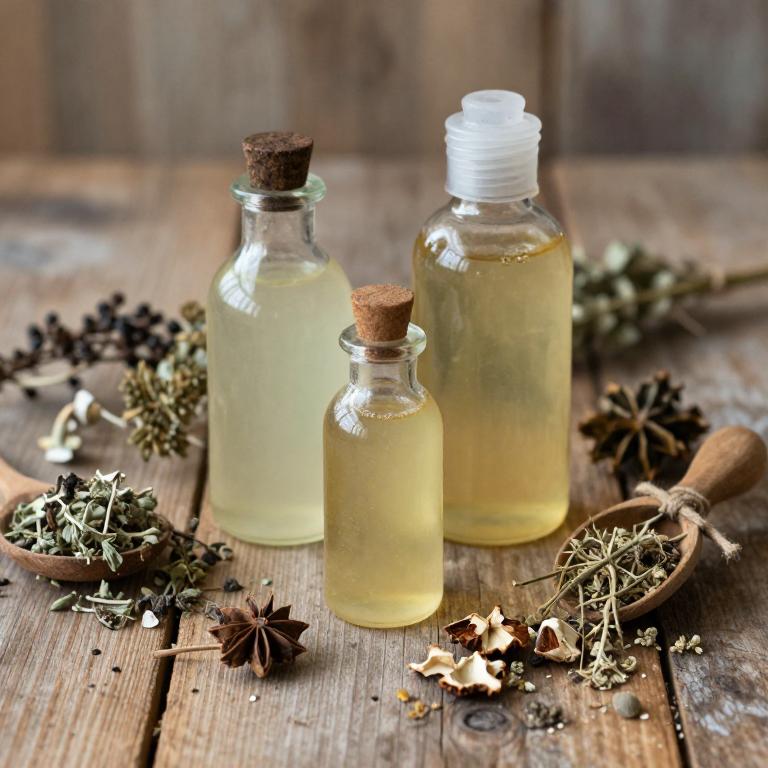
Rosa canina, also known as dog rose, is a traditional herbal remedy that has been used for its potential benefits in supporting liver and gallbladder health.
Rosa canina herbal lotions are often formulated with extracts from the rose hips, which are rich in vitamins, antioxidants, and essential nutrients that may aid in the detoxification process. These lotions are believed to help reduce inflammation and support the body's natural ability to eliminate toxins, including those associated with gallstones. While they are not a substitute for medical treatment, some individuals use these herbal lotions as a complementary therapy under the guidance of a healthcare professional.
It is important to note that the effectiveness of rosa canina for gallstones may vary, and further scientific research is needed to fully understand its therapeutic potential.