10 Best Herbal Syrups For Foot Pain

Herbal syrups for foot pain are natural remedies that combine various plant-based ingredients to alleviate discomfort and inflammation in the feet.
These syrups often contain herbs such as willow bark, ginger, turmeric, and lavender, which are known for their anti-inflammatory and analgesic properties. They are typically used to treat conditions like plantar fasciitis, arthritis, and minor injuries that cause persistent foot pain. Due to their soothing and aromatic qualities, these syrups can also help relax the muscles and improve circulation in the feet.
While they may not replace medical treatment for severe conditions, they offer a gentle, alternative approach for managing mild to moderate foot pain.
Table of Contents
- 1. Ginger (Zingiber officinale)
- 2. Salvia (Salvia officinalis)
- 3. Yarrow (Achillea millefolium)
- 4. St. john's wort (Hypericum perforatum)
- 5. Bell pepper (Capsicum annuum)
- 6. Field horsetail (Equisetum arvense)
- 7. Chaste tree (Vitex agnus-castus)
- 8. Mountain arnica (Arnica montana)
- 9. Common plantain (Plantago major)
- 10. Black pepper (Piper nigrum)
1. Ginger (Zingiber officinale)
Zingiber officinale, commonly known as ginger, has been traditionally used for its anti-inflammatory and analgesic properties, making it a popular ingredient in herbal syrups for foot pain.
These syrups often combine ginger with other soothing herbs like turmeric or willow bark to enhance their effectiveness in reducing swelling and discomfort. When applied topically or ingested, ginger compounds such as gingerol and shogaol can help alleviate pain and improve circulation in the feet. Herbal syrups offer a natural alternative to conventional pain relievers, appealing to those seeking holistic treatment options.
However, individuals should consult with a healthcare provider before using these syrups, especially if they have underlying health conditions or are taking other medications.
2. Salvia (Salvia officinalis)
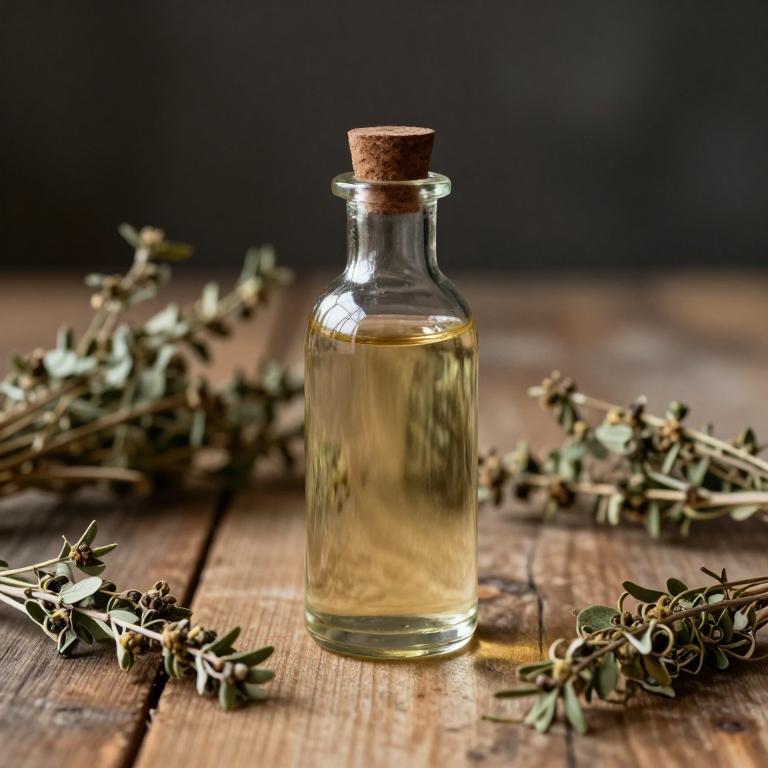
Salvia officinalis, commonly known as sage, has been traditionally used in herbal medicine for its anti-inflammatory and analgesic properties.
When formulated into a herbal syrup, salvia officinalis may provide relief for foot pain by reducing inflammation and soothing irritated tissues. This natural remedy is often favored by individuals seeking alternatives to conventional pain medications due to its mild side effect profile. The syrup is typically prepared using a combination of sage leaves and honey, enhancing its palatability and bioavailability.
While research on its efficacy for foot pain is limited, many users report improved comfort and reduced discomfort when using salvia officinalis herbal syrup as part of a holistic foot care routine.
3. Yarrow (Achillea millefolium)

Achillea millefolium, commonly known as yarrow, has been traditionally used for its anti-inflammatory and pain-relieving properties, making it a potential ingredient in herbal syrups for foot pain.
These syrups often combine yarrow with other herbs like ginger, willow bark, or turmeric to enhance their effectiveness in reducing swelling and discomfort. The soothing properties of yarrow may help alleviate conditions such as plantar fasciitis, arthritis, or minor sprains in the feet. When used as part of a holistic treatment plan, herbal syrups can offer a natural alternative for those seeking relief without harsh chemicals.
However, it is important to consult with a healthcare provider before using such remedies, especially for chronic or severe foot pain.
4. St. john's wort (Hypericum perforatum)
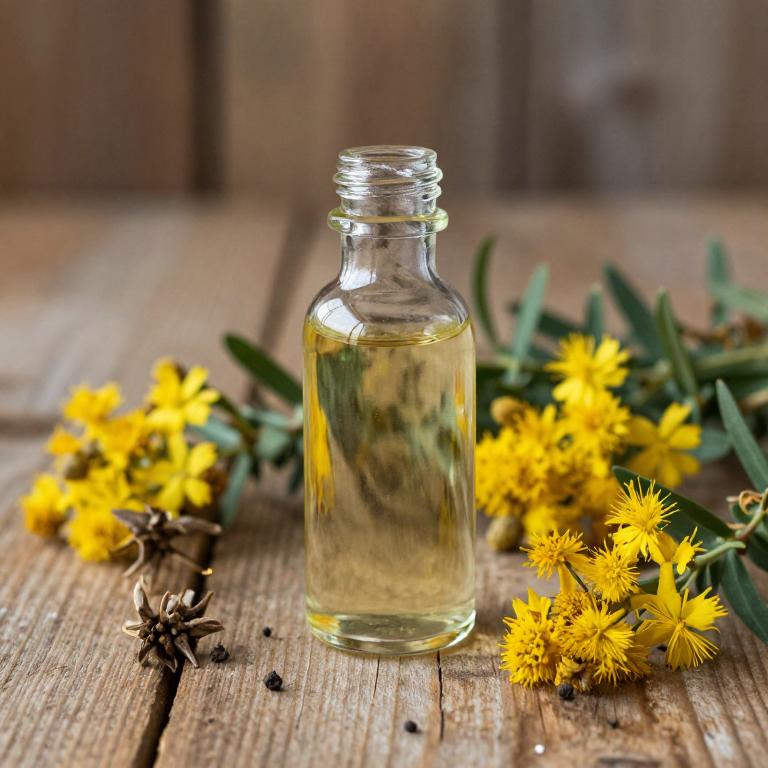
Hypericum perforatum, commonly known as St. John's Wort, is a herbal remedy that has been traditionally used for its anti-inflammatory and analgesic properties.
While it is often used for mild depression and skin conditions, some people have explored its potential for alleviating foot pain, particularly in cases of plantar fasciitis or arthritis. Herbal syrups made from Hypericum perforatum may help reduce inflammation and ease discomfort when applied topically or taken internally, though more research is needed to confirm its efficacy for foot pain. It is important to consult with a healthcare provider before using St. John's Wort, as it can interact with certain medications and may cause side effects.
Despite its historical use, the effectiveness of Hypericum perforatum syrups for foot pain remains a topic of ongoing scientific investigation.
5. Bell pepper (Capsicum annuum)
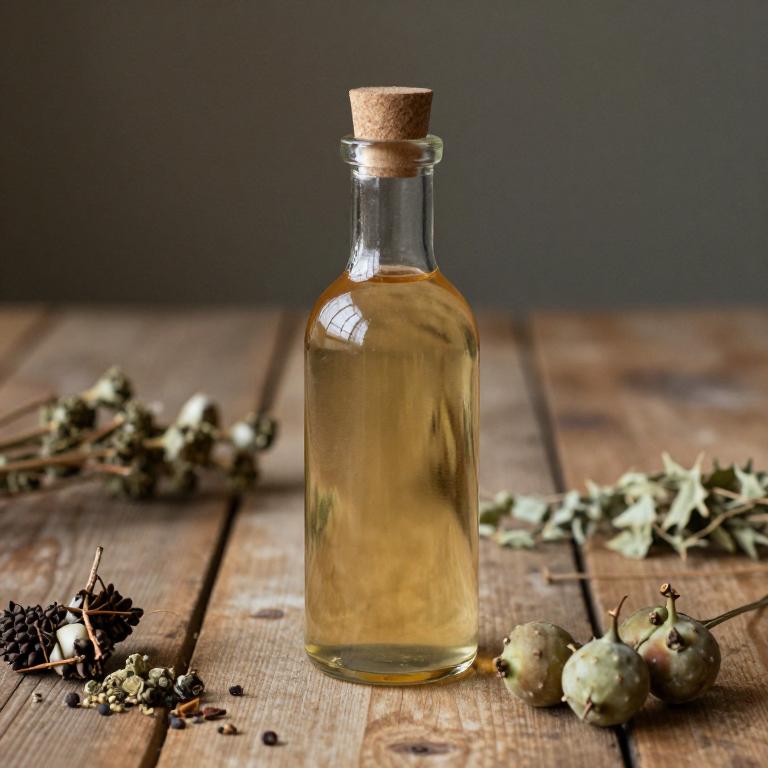
Capsicum annuum, commonly known as chili pepper, has been traditionally used in herbal medicine for its analgesic and anti-inflammatory properties.
When prepared as a herbal syrup, capsicum annuum may help alleviate foot pain by improving circulation and reducing inflammation in the affected areas. The active compounds in capsicum, such as capsaicin, work by depleting substance P, a neurotransmitter responsible for transmitting pain signals. However, it is important to consult a healthcare professional before using capsicum annuum syrup, as it can cause skin irritation or interact with certain medications.
Despite its potential benefits, more clinical research is needed to fully understand its efficacy and safety for treating foot pain.
6. Field horsetail (Equisetum arvense)
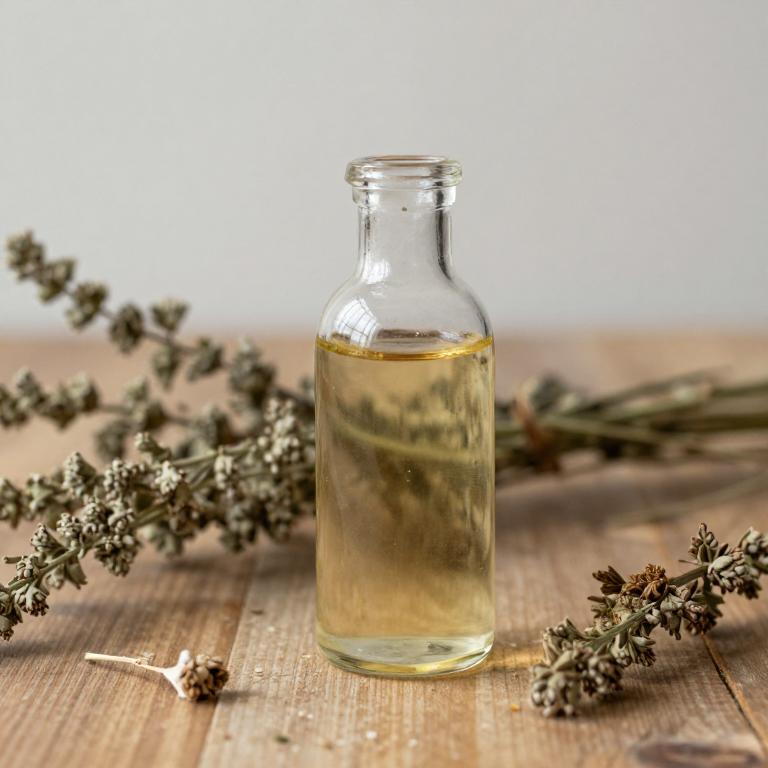
Equisetum arvense, commonly known as field horsetail, has been traditionally used in herbal medicine for its anti-inflammatory and pain-relieving properties.
Herbal syrups made from equisetum arvense are believed to help alleviate foot pain by reducing swelling and improving circulation in the affected areas. These syrups are often prepared using a combination of the plant's dried parts and other complementary herbs to enhance their effectiveness. Due to its high silica content, equisetum arvense is also thought to support tissue repair and strengthen connective tissues, which can be beneficial for conditions like plantar fasciitis or arthritis.
However, it is important to consult with a healthcare professional before using equisetum arvense syrups, as they may interact with certain medications or have side effects in some individuals.
7. Chaste tree (Vitex agnus-castus)

Vitex agnus-castus, commonly known as chasteberry, is a herbal remedy that has been traditionally used for various health conditions, including hormonal imbalances and menstrual issues.
While it is not a primary treatment for foot pain, some individuals use vitex agnus-castus herbal syrups as a complementary therapy to support overall health and reduce inflammation. The syrup may help alleviate pain associated with conditions like plantar fasciitis by promoting circulation and reducing swelling. However, it is important to consult a healthcare professional before using vitex agnus-castus, especially if you have underlying health conditions or are taking other medications.
As with any herbal remedy, the effectiveness of vitex agnus-castus syrups for foot pain can vary among individuals.
8. Mountain arnica (Arnica montana)

Arnica montana herbal syrups are commonly used to alleviate foot pain due to their anti-inflammatory and analgesic properties.
These syrups contain a concentrated form of the Arnica montana plant, which has been traditionally used in herbal medicine for centuries. When applied topically, the syrup can help reduce swelling, bruising, and discomfort associated with conditions like plantar fasciitis or arthritis. However, it is important to note that Arnica montana should not be ingested, as it can be toxic when swallowed.
For best results, the syrup should be applied directly to the affected area of the foot and allowed to absorb fully.
9. Common plantain (Plantago major)
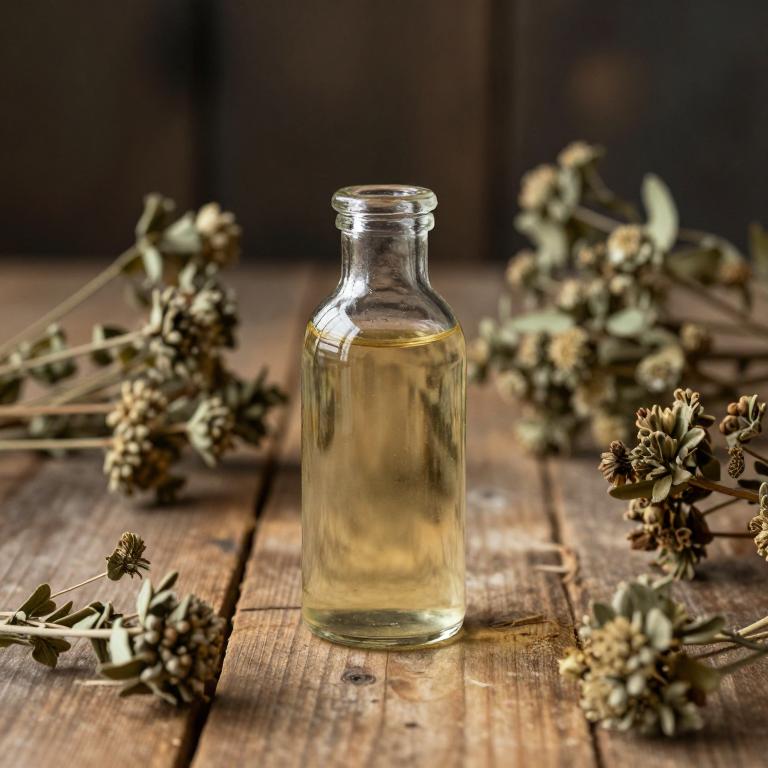
Plantago major, commonly known as broadleaf plantain, has been traditionally used for its healing properties, including its potential to alleviate foot pain.
Herbal syrups made from Plantago major are often prepared by extracting the leaves and roots, which contain mucilage and anti-inflammatory compounds. These syrups are believed to reduce inflammation, soothe sore tissues, and promote healing in the feet. Some individuals use them as a natural alternative to over-the-counter pain relievers, though they should not replace professional medical advice.
While anecdotal evidence supports their use, more scientific research is needed to fully understand their efficacy and safety for foot pain.
10. Black pepper (Piper nigrum)

Piper nigrum, commonly known as black pepper, has been traditionally used in herbal medicine for its anti-inflammatory and analgesic properties.
When incorporated into herbal syrups, piper nigrum may help alleviate foot pain by reducing inflammation and improving circulation. These syrups often combine black pepper with other soothing ingredients like ginger or willow bark to enhance their therapeutic effects. However, it is important to consult a healthcare professional before using these syrups, as they may interact with certain medications or conditions.
While some individuals report relief from foot pain using piper nigrum herbal syrups, more scientific research is needed to fully understand their efficacy and safety.