10 Best Herbal Creams For Foot Pain
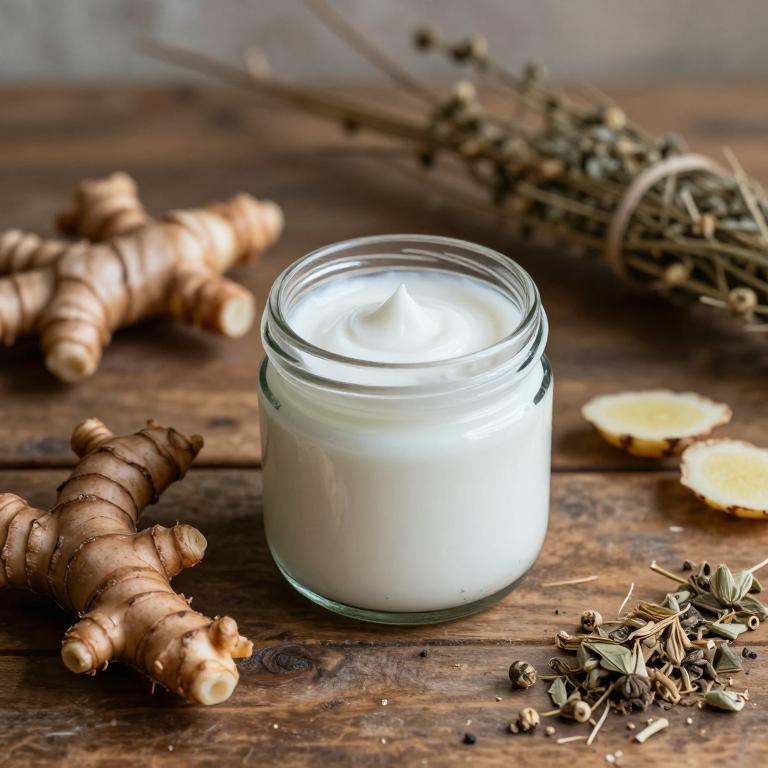
Herbal creams for foot pain are natural topical treatments that often contain ingredients like menthol, camphor, and eucalyptus oil, which can help soothe inflammation and relieve discomfort.
These creams are popular among people seeking alternative or complementary therapies to traditional pain relievers. They work by stimulating the skin’s sensory receptors, creating a cooling or warming sensation that distracts from the pain and may reduce muscle tension. Many herbal creams are free from harsh chemicals, making them a safer option for individuals with sensitive skin or those preferring natural remedies.
However, it’s important to consult a healthcare professional before using these products, especially if you have underlying health conditions or are taking other medications.
Table of Contents
- 1. Ginger (Zingiber officinale)
- 2. Yarrow (Achillea millefolium)
- 3. Mountain arnica (Arnica montana)
- 4. Bell pepper (Capsicum annuum)
- 5. Blessed thistle (Cnicus benedictus)
- 6. St. john's wort (Hypericum perforatum)
- 7. Eucalyptus (Eucalyptus globulus)
- 8. Chaste tree (Vitex agnus-castus)
- 9. Peppermint (Mentha piperita)
- 10. English lavender (Lavandula angustifolia)
1. Ginger (Zingiber officinale)
Zingiber officinale, commonly known as ginger, has been traditionally used for its anti-inflammatory and analgesic properties, making it a popular ingredient in herbal creams for foot pain.
These creams often combine ginger extract with other natural components such as menthol or eucalyptus to enhance their soothing and pain-relieving effects. When applied topically, ginger-based creams can help reduce swelling, ease muscle tension, and promote circulation in the feet, offering relief from conditions like plantar fasciitis or arthritis. The warming sensation produced by the active compounds in ginger can also help relax tight muscles and improve overall comfort.
As a natural alternative to over-the-counter pain medications, ginger herbal creams are increasingly favored for their gentle yet effective approach to managing foot pain.
2. Yarrow (Achillea millefolium)
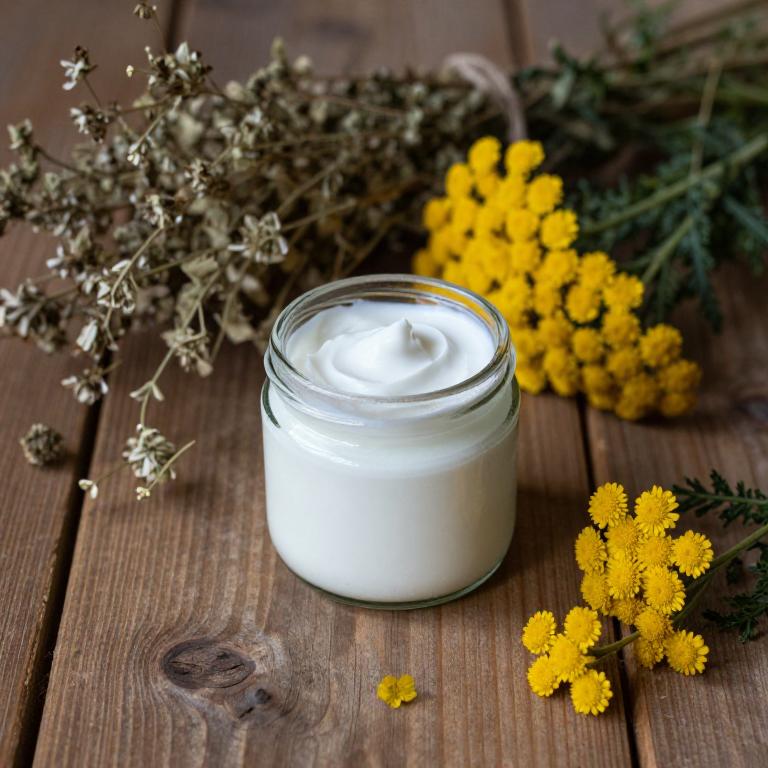
Achillea millefolium, commonly known as yarrow, has been traditionally used for its anti-inflammatory and pain-relieving properties, making it a popular ingredient in herbal creams for foot pain.
These creams often combine yarrow with other natural components like essential oils and menthol to enhance their effectiveness in soothing sore feet and reducing swelling. The active compounds in yarrow, such as flavonoids and essential oils, help to improve circulation and alleviate discomfort associated with conditions like plantar fasciitis or arthritis. When applied topically, these creams provide a gentle, non-invasive option for managing foot pain without the side effects of pharmaceutical drugs.
As a result, many individuals turn to achillea millefolium herbal creams as a natural and holistic remedy for their foot pain concerns.
3. Mountain arnica (Arnica montana)
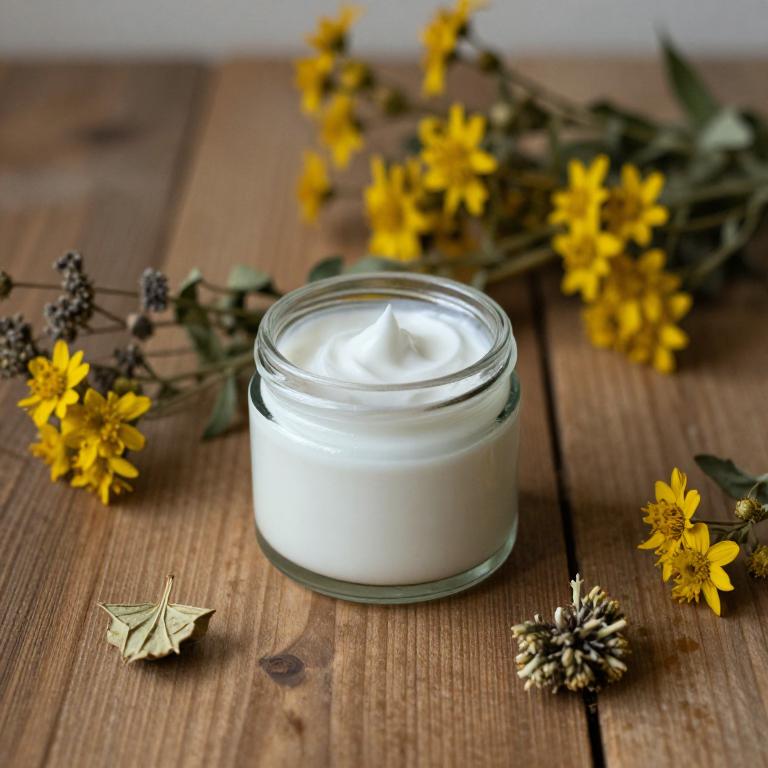
Arnica montana herbal creams are commonly used to alleviate foot pain due to their anti-inflammatory and analgesic properties.
These creams contain a concentrated form of the arnica plant, which is known for its ability to reduce swelling and bruising. When applied topically, the active ingredients in arnica montana can help ease discomfort caused by conditions such as plantar fasciitis, sprains, or muscle strains. However, it is important to note that arnica should not be used on broken skin or open wounds, as it may cause irritation.
Always consult with a healthcare professional before using arnica montana creams, especially if you have a history of allergies or are pregnant.
4. Bell pepper (Capsicum annuum)
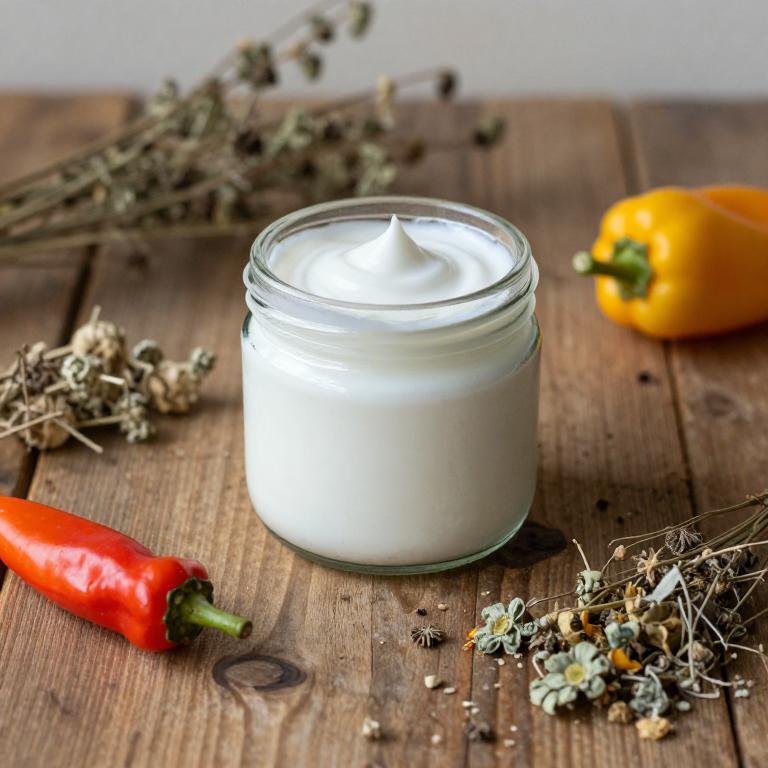
Capsicum annuum, commonly known as chili pepper, is a key ingredient in many herbal creams used to alleviate foot pain.
These creams work by delivering capsaicin, a compound that reduces pain signals by depleting substance P, a neurotransmitter involved in transmitting pain. When applied topically, the warming sensation from capsaicin can help improve blood circulation and reduce inflammation in the affected area. Capsicum annuum herbal creams are often recommended for conditions such as plantar fasciitis, arthritis, and neuropathy due to their natural analgesic properties.
However, they should be used with caution, as some individuals may experience skin irritation or a burning sensation, and a patch test is advisable before full application.
5. Blessed thistle (Cnicus benedictus)
Cnicus benedictus, also known as blessed thorn, is a traditional herbal remedy that has been used for centuries to alleviate foot pain and inflammation.
Its active compounds, including flavonoids and tannins, are believed to possess anti-inflammatory and analgesic properties that help reduce discomfort and promote healing. When formulated into creams, Cnicus benedictus can be applied topically to the affected areas of the feet, providing targeted relief for conditions such as plantar fasciitis, arthritis, and general foot soreness. These herbal creams are often preferred by individuals seeking natural alternatives to over-the-counter pain relievers.
However, it is important to consult a healthcare professional before use, especially for those with sensitive skin or existing medical conditions.
6. St. john's wort (Hypericum perforatum)
Hypericum perforatum, commonly known as St. John's wort, is a herbal remedy that has been traditionally used for its anti-inflammatory and analgesic properties.
When formulated into a cream, it can provide relief for foot pain by reducing inflammation and soothing sore tissues. The active compounds in hypericum perforatum, such as hypericin and flavonoids, are believed to contribute to its pain-relieving effects. This herbal cream is often used for conditions like plantar fasciitis, arthritis, and minor foot injuries.
However, it should be used with caution, as it may interact with certain medications and is not recommended for individuals with photosensitivity.
7. Eucalyptus (Eucalyptus globulus)
Eucalyptus globulus, commonly known as eucalyptus oil, is often incorporated into herbal creams designed to alleviate foot pain due to its anti-inflammatory and analgesic properties.
These creams typically combine eucalyptus oil with other natural ingredients like menthol, camphor, and lavender to enhance their soothing effects. When applied topically, the cooling sensation from these ingredients can help reduce swelling and ease discomfort in the feet. Many users find relief from conditions such as plantar fasciitis, arthritis, or muscle strains by using eucalyptus globulus-based creams regularly.
However, it is important to consult a healthcare professional before use, especially for individuals with sensitive skin or existing medical conditions.
8. Chaste tree (Vitex agnus-castus)
Vitex agnus-castus, also known as chasteberry, is a herbal remedy that has been traditionally used to support hormonal balance and alleviate various ailments, including menstrual discomfort and mood disorders.
While it is commonly consumed as a tea or supplement, some formulations incorporate vitex into topical creams for localized relief. These herbal creams may offer soothing properties that can help reduce inflammation and ease pain in the feet, making them a potential option for individuals experiencing foot discomfort. However, it is important to note that scientific evidence supporting the efficacy of vitex in treating foot pain is limited, and results may vary among individuals.
As with any herbal product, it is advisable to consult a healthcare professional before use, especially if you have existing medical conditions or are taking other medications.
9. Peppermint (Mentha piperita)
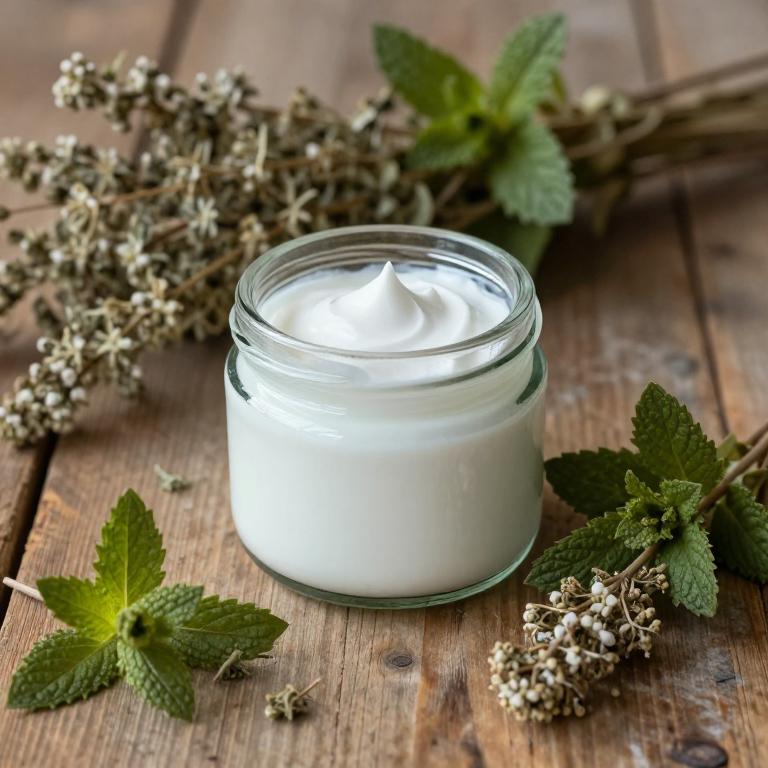
Mentha piperita, commonly known as peppermint, is often used in herbal creams to alleviate foot pain due to its cooling and analgesic properties.
These creams typically contain a concentrated form of peppermint oil, which can help reduce inflammation and numb the affected area, providing temporary relief from conditions like plantar fasciitis or muscle soreness. The menthol in peppermint oil stimulates cold receptors in the skin, creating a soothing sensation that can ease discomfort and improve circulation. When applied topically, these creams are generally safe for most people, though they should be avoided on broken or sensitive skin.
Overall, mentha piperita herbal creams offer a natural and accessible option for managing foot pain through localized relief and comfort.
10. English lavender (Lavandula angustifolia)
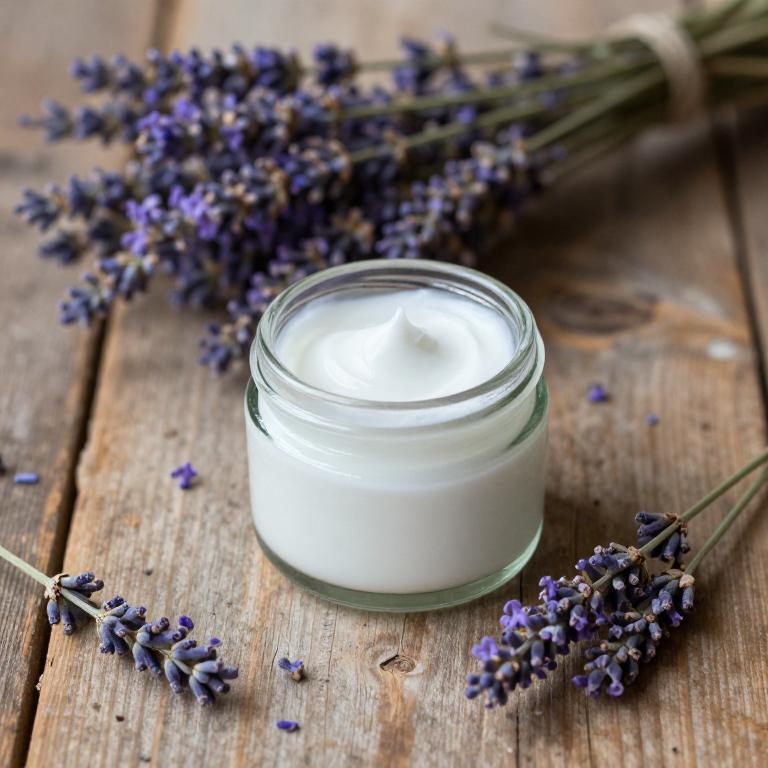
Lavandula angustifolia, commonly known as English lavender, is often used in herbal creams for its soothing and anti-inflammatory properties.
These creams typically contain lavender essential oil, which is known to help reduce swelling and ease discomfort in the feet. The calming aroma of lavender also promotes relaxation, which can be beneficial for individuals suffering from chronic foot pain. Many users report that regular application of lavender-infused creams provides relief from conditions such as plantar fasciitis and arthritis.
However, it is important to consult a healthcare professional before using lavender creams, especially if you have sensitive skin or are pregnant.