10 Best Herbal Baths For Foot Pain

Herbal baths can be an effective and soothing remedy for foot pain, offering natural relief through the use of plant-based ingredients known for their anti-inflammatory and analgesic properties.
Common herbs such as lavender, chamomile, eucalyptus, and ginger are often used in foot baths to reduce swelling, ease muscle tension, and promote relaxation. To prepare an herbal foot bath, simply steep a handful of dried herbs in hot water for about 10 minutes, then soak your feet for 15 to 20 minutes. This practice not only alleviates pain but also improves circulation and helps to relieve stress and fatigue.
Regular use of herbal foot baths can be a valuable addition to a holistic approach to managing foot discomfort and maintaining overall well-being.
Table of Contents
- 1. Yarrow (Achillea millefolium)
- 2. St. john's wort (Hypericum perforatum)
- 3. Mountain arnica (Arnica montana)
- 4. English lavender (Lavandula angustifolia)
- 5. Field horsetail (Equisetum arvense)
- 6. Poison ivy (Rhus toxicodendron)
- 7. Ginger (Zingiber officinale)
- 8. Salvia (Salvia officinalis)
- 9. Eucalyptus (Eucalyptus globulus)
- 10. Stinging nettle (Urtica dioica)
1. Yarrow (Achillea millefolium)
Achillea millefolium, commonly known as yarrow, has been traditionally used in herbal baths to alleviate foot pain due to its anti-inflammatory and analgesic properties.
When infused into warm water, yarrow can help soothe inflamed tissues and reduce discomfort associated with conditions like plantar fasciitis or arthritis. The essential oils and active compounds in yarrow, such as azulene and essential oils, contribute to its soothing effects on the skin and muscles. To prepare an herbal bath, steep a handful of dried yarrow flowers in boiling water for 15-20 minutes, then strain and add to warm bath water.
Regular use of yarrow baths can provide natural relief and promote healing for various types of foot pain.
2. St. john's wort (Hypericum perforatum)

Hypericum perforatum, commonly known as St. John's Wort, has been traditionally used in herbal baths to alleviate foot pain and promote healing.
When infused into warm water, the essential oils and compounds in St. John's Wort, such as hypericin and flavonoids, may help reduce inflammation and soothe nerve-related discomfort. These baths are often recommended for conditions like plantar fasciitis, neuropathy, or minor wounds on the feet. The mild antiseptic and analgesic properties of the herb can provide a calming effect, enhancing overall foot comfort.
However, it is important to consult a healthcare provider before using St. John's Wort, especially if you are on medication, due to potential interactions.
3. Mountain arnica (Arnica montana)
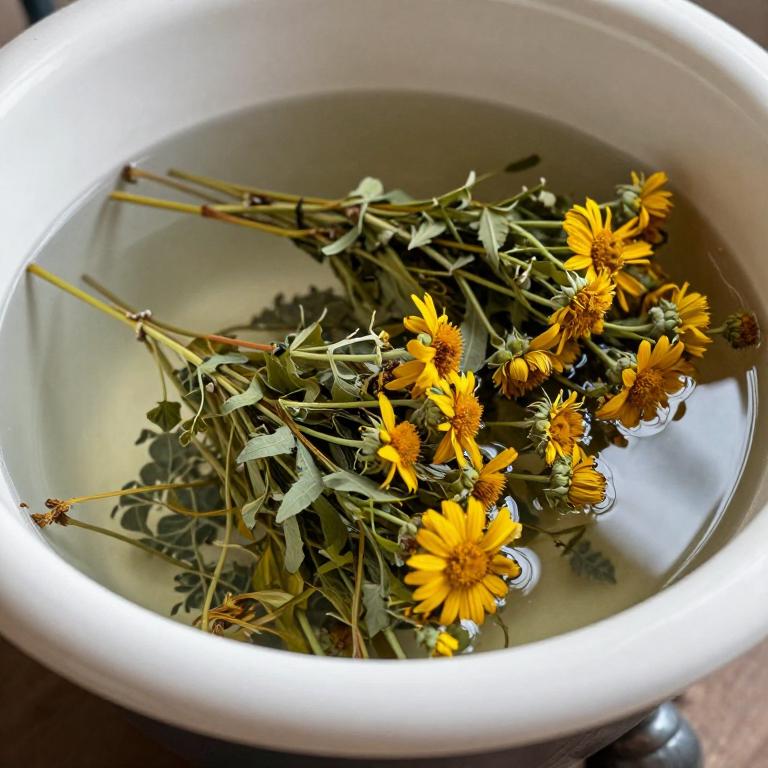
Arnica montana herbal baths are a popular natural remedy for alleviating foot pain, particularly from conditions like plantar fasciitis or arthritis.
The active compounds in arnica, such as helenalin and other sesquiterpene lactones, are believed to reduce inflammation and promote circulation when absorbed through the skin. To use arnica montana in a foot bath, a few drops of the essential oil or a diluted tincture are added to warm water, and the feet are soaked for 15 to 20 minutes. This method is often preferred over topical applications because it allows for deeper penetration of the active ingredients.
However, it is important to dilute arnica properly, as undiluted use can cause skin irritation or allergic reactions.
4. English lavender (Lavandula angustifolia)

Lavandula angustifolia, commonly known as English lavender, is often used in herbal baths to alleviate foot pain due to its soothing and anti-inflammatory properties.
When added to warm water, lavender essential oil or dried lavender flowers can help relax muscles and reduce swelling in the feet. The aromatic compounds in lavender also have a calming effect, which can ease tension and promote relaxation during a bath. Regular use of lavender-infused baths may help manage conditions such as plantar fasciitis or arthritis in the feet.
For best results, it is recommended to soak the feet for 15 to 20 minutes in a lavender bath, followed by gentle drying and moisturizing.
5. Field horsetail (Equisetum arvense)
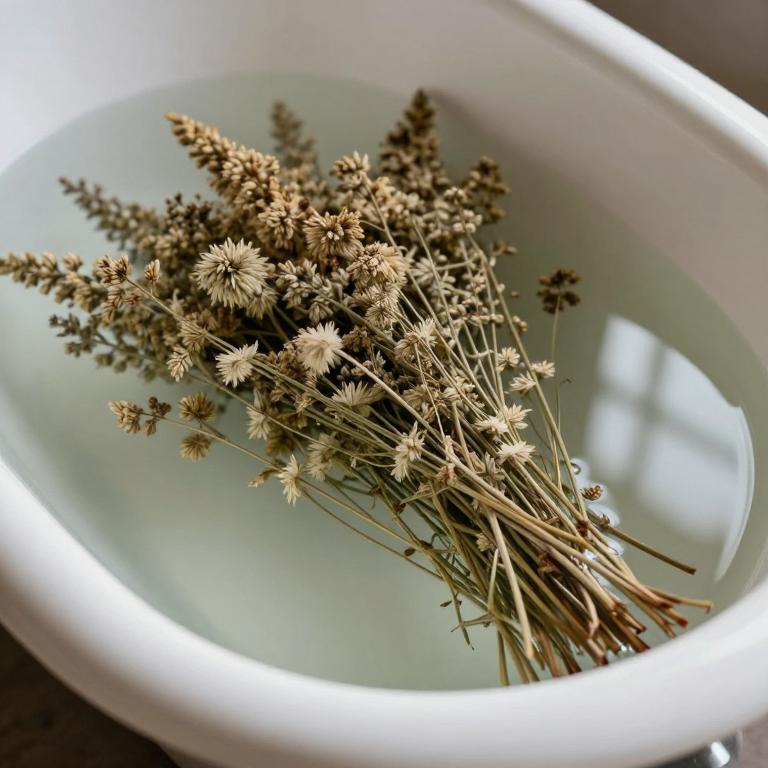
Equisetum arvense, commonly known as field horsetail, has been traditionally used in herbal baths to alleviate foot pain due to its high concentration of silica and anti-inflammatory compounds.
When used in warm water baths, the plant's astringent properties can help reduce swelling and soothe irritated tissues in the feet. The silica content may also support the repair of connective tissues, making it beneficial for conditions like plantar fasciitis or arthritis. To prepare the bath, a handful of dried horsetail can be steeped in hot water and then added to a foot soak, allowing the active compounds to be absorbed through the skin.
While generally safe, it is important to consult a healthcare professional before using horsetail, especially for individuals with kidney issues or allergies.
6. Poison ivy (Rhus toxicodendron)

Rhus Toxicodendron, commonly known as poison ivy, is often used in herbal baths to alleviate foot pain due to its anti-inflammatory and analgesic properties.
A herbal bath with Rhus Toxicodendron can help reduce swelling, redness, and discomfort associated with conditions like plantar fasciitis or arthritis. To prepare the bath, a small amount of the dried herb is steeped in hot water and then added to warm bath water for the feet. This treatment is believed to promote circulation and ease muscle tension, offering a natural alternative for those seeking relief without pharmaceuticals.
However, it is important to consult a healthcare professional before using Rhus Toxicodendron, especially if you have sensitive skin or allergies.
7. Ginger (Zingiber officinale)
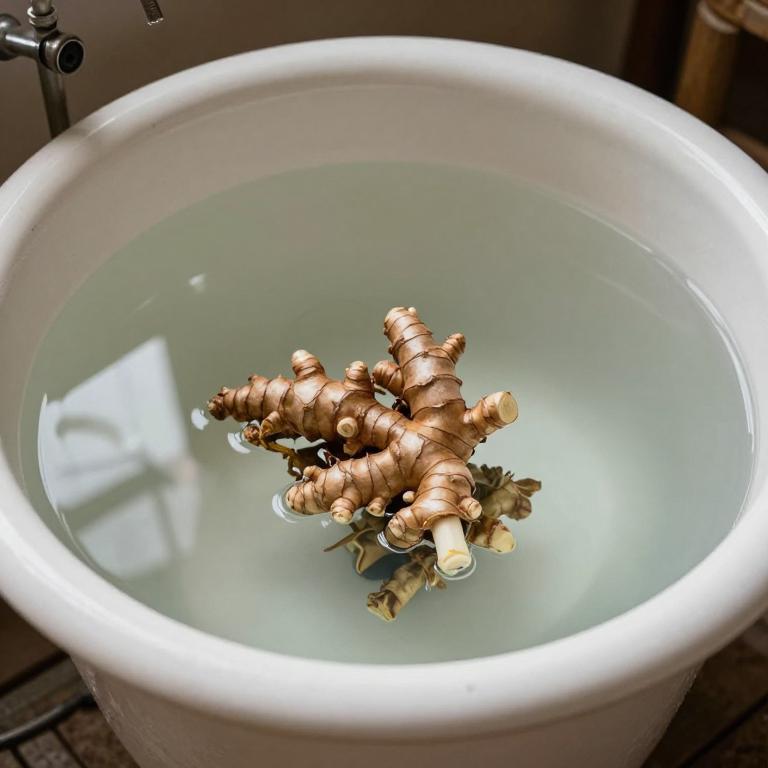
Zingiber officinale, commonly known as ginger, has been traditionally used for its anti-inflammatory and analgesic properties, making it a valuable ingredient in herbal baths for alleviating foot pain.
When infused into warm water, ginger can help soothe sore muscles, reduce swelling, and improve circulation in the feet, providing natural relief for conditions like plantar fasciitis or arthritis. The aromatic compounds in ginger also have a calming effect, which can help ease tension and promote relaxation during a bath. To prepare a ginger bath, freshly grated ginger root is typically added to warm water, allowing its active compounds to dissolve and release their therapeutic benefits.
Regular use of a zingiber officinale herbal bath may offer a gentle, holistic approach to managing foot pain and enhancing overall foot health.
8. Salvia (Salvia officinalis)
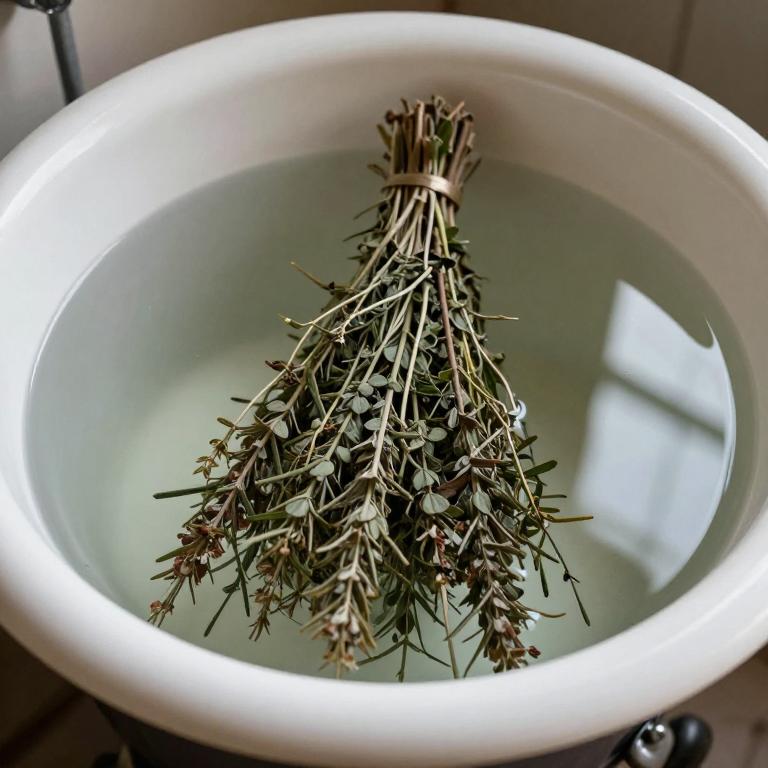
Salvia officinalis, commonly known as sage, has been traditionally used in herbal baths to alleviate foot pain due to its anti-inflammatory and antiseptic properties.
When infused into warm water, sage can help soothe sore muscles, reduce swelling, and ease discomfort associated with conditions like plantar fasciitis or arthritis. The essential oils in sage, such as thujone and camphor, contribute to its analgesic effects, promoting relaxation and improved circulation in the feet. To prepare a sage bath, simply steep dried sage leaves in hot water for several minutes before adding the liquid to a basin of warm water.
Regular use of sage herbal baths can provide a natural, soothing remedy for persistent foot pain, supporting overall foot health and comfort.
9. Eucalyptus (Eucalyptus globulus)

Eucalyptus globulus, commonly known as eucalyptus oil, is often used in herbal baths to alleviate foot pain due to its anti-inflammatory and analgesic properties.
When added to warm water, the essential oil helps to relax muscles and reduce swelling, providing relief for conditions like plantar fasciitis or arthritis. The aromatic compounds in eucalyptus oil also promote relaxation and improve blood circulation, enhancing the overall therapeutic effect of the bath. To use it safely, it should be diluted with a carrier oil or bath salts to avoid skin irritation.
Regular use of eucalyptus globulus herbal baths can be a soothing and natural remedy for persistent foot discomfort.
10. Stinging nettle (Urtica dioica)
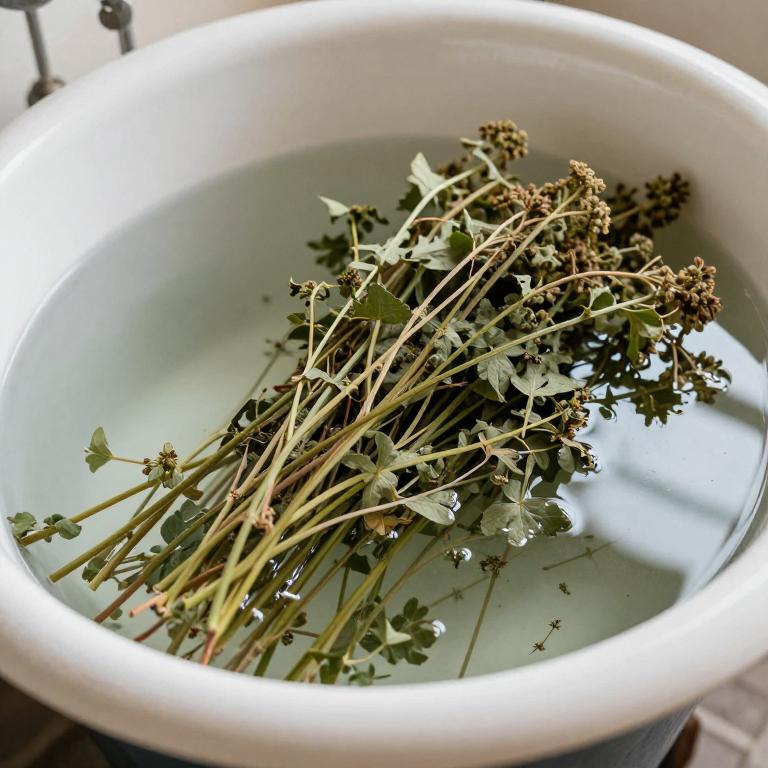
Urtica dioica, commonly known as stinging nettle, has been traditionally used in herbal baths to alleviate foot pain due to its anti-inflammatory and analgesic properties.
When prepared as a bath, the leaves of stinging nettle can be steeped in warm water to create a soothing soak that helps reduce swelling and discomfort in the feet. The plant contains compounds such as histamine and formic acid, which may contribute to its pain-relieving effects when applied externally. Regular use of stinging nettle baths can provide relief for conditions like plantar fasciitis, arthritis, or general foot soreness.
However, it is important to dilute the nettle properly to avoid skin irritation and consult a healthcare professional before use, especially for those with sensitive skin or underlying health conditions.