10 Best Herbal Tinctures For Foot Odor
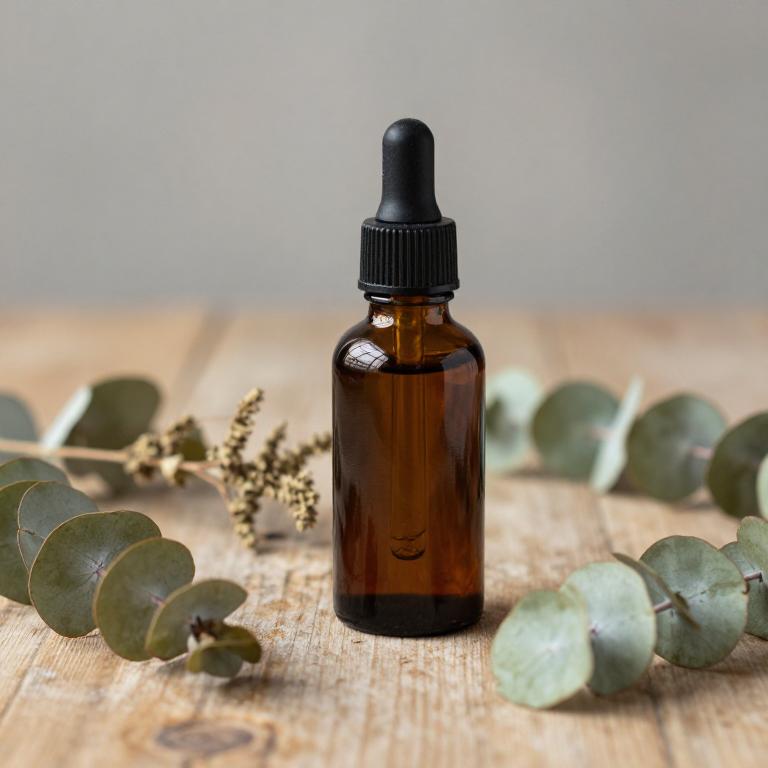
Herbal tinctures for foot odor are concentrated liquid extracts made from various herbs known for their antimicrobial and odor-neutralizing properties.
Common ingredients include tea tree oil, eucalyptus, lavender, and garlic, which help combat the bacteria and fungi that cause unpleasant smells. These tinctures can be applied directly to the feet or used as part of a foot soak to refresh and deodorize the skin. They are a natural alternative to commercial antifungal sprays and deodorants, offering a safer option for those with sensitive skin.
Regular use of herbal tinctures can help maintain fresh-smelling feet and prevent the recurrence of odor-causing infections.
Table of Contents
- 1. Eucalyptus (Eucalyptus globulus)
- 2. English lavender (Lavandula angustifolia)
- 3. Thyme (Thymus vulgaris)
- 4. Rosemary (Rosmarinus officinalis)
- 5. Black pepper (Piper nigrum)
- 6. Melaleuca (Melaleuca alternifolia)
- 7. Greek oregano (Satureja hortensis)
- 8. Ceylon cinnamon (Cinnamomum verum)
- 9. Ginger (Zingiber officinale)
- 10. Turmeric (Curcuma longa)
1. Eucalyptus (Eucalyptus globulus)
Eucalyptus globulus, commonly known as Australian eucalyptus, is a popular ingredient in herbal tinctures used to combat foot odor due to its potent antimicrobial and antifungal properties.
The essential oil derived from this plant contains compounds like cineole and eucalyptol, which help neutralize odor-causing bacteria and fungi on the skin. When applied topically, these tinctures can effectively reduce the buildup of sweat and bacteria in the feet, offering a natural alternative to conventional deodorants. Many users find that regular application of eucalyptus globulus tinctures not only eliminates existing odors but also prevents future foot odor by maintaining a clean and balanced microbial environment.
However, it is important to dilute the tincture properly before use to avoid skin irritation, as undiluted essential oils can be harsh on sensitive skin.
2. English lavender (Lavandula angustifolia)
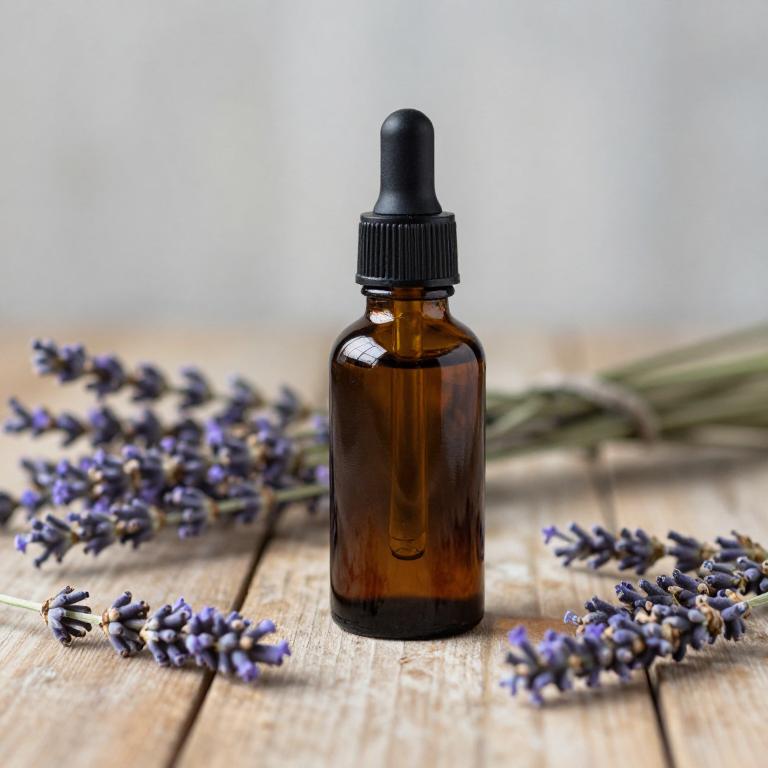
Lavandula angustifolia, commonly known as English lavender, is often used in herbal tinctures to combat foot odor due to its natural antimicrobial and antifungal properties.
The essential oils in lavender tinctures help neutralize the bacteria and fungi that contribute to unpleasant foot smells. When applied directly to the feet or used in foot baths, these tinctures can effectively reduce odor while also soothing skin irritation. The calming fragrance of lavender also provides a pleasant sensory experience, making it a popular choice for natural foot care.
Regular use of lavender tinctures can help maintain fresh-smelling feet and support overall foot hygiene.
3. Thyme (Thymus vulgaris)
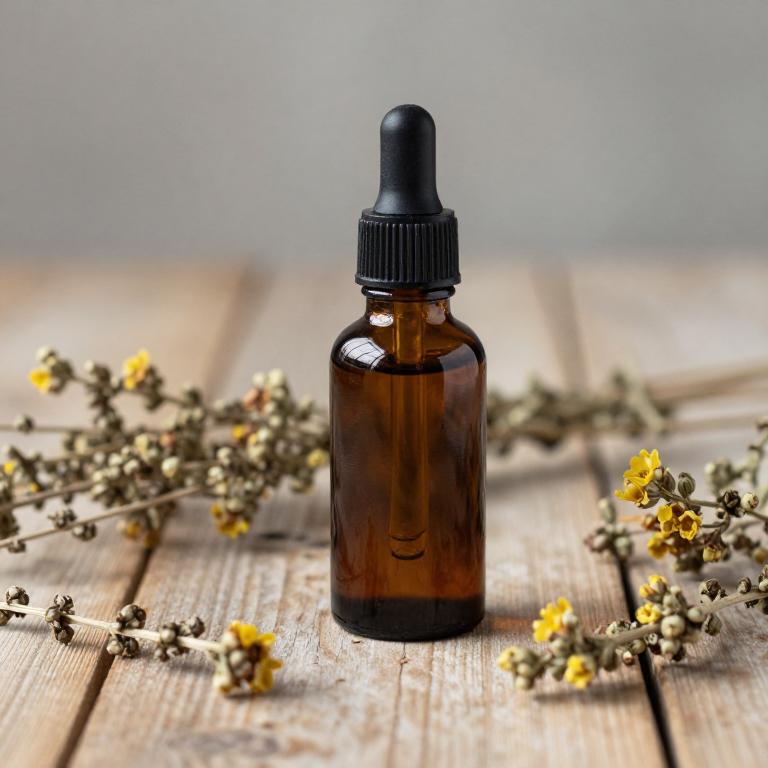
Thymus vulgaris, commonly known as thyme, is a herb often used in natural remedies due to its antimicrobial and antifungal properties.
Thymus vulgaris herbal tinctures are made by soaking the dried plant material in alcohol to extract its active compounds, such as thymol and carvacrol, which are known for their potent antimicrobial effects. These tinctures can be applied directly to the feet or used in foot soaks to combat bacteria and fungi that contribute to foot odor. The strong aroma of thyme may also help mask unpleasant smells, offering a dual benefit of treatment and deodorization.
While generally safe, it is advisable to perform a patch test and consult with a healthcare provider before using thyme tinctures, especially for those with sensitive skin or existing medical conditions.
4. Rosemary (Rosmarinus officinalis)
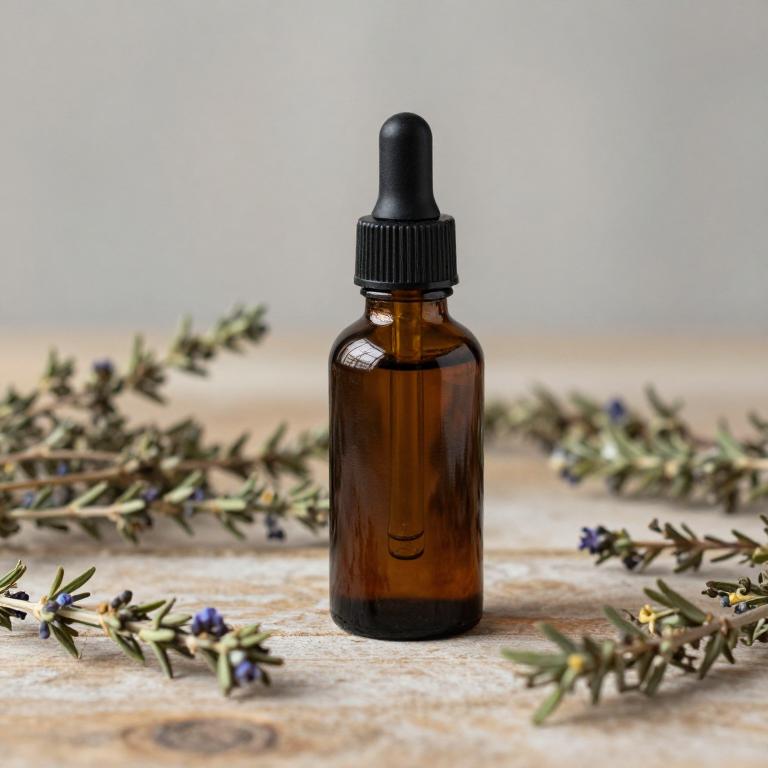
Rosmarinus officinalis, commonly known as rosemary, is a powerful herb that has been traditionally used for its aromatic and therapeutic properties.
Rosemary herbal tinctures are particularly effective in combating foot odor due to their natural antimicrobial and antifungal properties, which help eliminate the bacteria and fungi responsible for unpleasant smells. These tinctures can be applied directly to the feet or used as a natural foot spray, providing a refreshing and long-lasting effect. The essential oils in rosemary also promote circulation and soothe tired feet, making them a holistic solution for foot care.
Incorporating rosemary tinctures into a daily routine can be a safe and effective alternative to synthetic deodorants, offering both fragrance and health benefits.
5. Black pepper (Piper nigrum)
Piper nigrum, commonly known as black pepper, contains essential oils and compounds like piperine that have natural antimicrobial and antifungal properties, making it a promising ingredient in herbal tinctures for foot odor.
These tinctures work by inhibiting the growth of bacteria and fungi that thrive in the warm, moist environment of the feet, which are primary causes of persistent foot odor. When applied topically, the tincture can help neutralize unpleasant smells and promote a fresher, more hygienic foot environment. Many users report a noticeable reduction in odor after consistent use, though results may vary based on individual conditions and severity of the issue.
As a natural alternative to commercial deodorants, Piper nigrum tinctures offer a potentially safer and more holistic approach to managing foot odor.
6. Melaleuca (Melaleuca alternifolia)
Melaleuca alternifolia, commonly known as tea tree oil, is a popular natural remedy used in herbal tinctures to combat foot odor.
These tinctures are typically made by diluting tea tree oil with alcohol or another suitable solvent, making them safe for topical application. The antibacterial and antifungal properties of tea tree oil help reduce the growth of odor-causing bacteria and fungi on the skin. When applied regularly to the feet, these tinctures can effectively neutralize unpleasant smells and promote a fresher, healthier scent.
However, it is important to ensure proper dilution to avoid skin irritation and to consult a healthcare professional if persistent foot odor is experienced.
7. Greek oregano (Satureja hortensis)
Satureja hortensis, also known as summer savory, is a versatile herb that has been traditionally used for its antimicrobial and antifungal properties.
When formulated into a tincture, it can be an effective natural remedy for foot odor, as it helps to neutralize odor-causing bacteria and fungi that thrive in damp environments. The essential oils in satureja hortensis, such as carvacrol and thymol, have strong antimicrobial effects that inhibit the growth of odor-producing microorganisms. To use the tincture, it can be applied directly to the feet or diluted with water and used as a foot soak, providing a refreshing and odor-fighting treatment.
Regular use of satureja hortensis tincture may help maintain fresh-smelling feet and support overall foot hygiene.
8. Ceylon cinnamon (Cinnamomum verum)
Cinnamomum verum, also known as true cinnamon, contains essential oils and compounds like cinnamaldehyde that have natural antimicrobial properties, making it a popular ingredient in herbal tinctures for combating foot odor.
These tinctures work by inhibiting the growth of odor-causing bacteria and fungi on the skin, helping to reduce unpleasant smells. When applied topically to the feet, the aromatic compounds in the tincture not only neutralize odor but also provide a soothing and refreshing effect. Many users find that regular application of cinnamon tincture can significantly improve foot hygiene and prevent the recurrence of foot odor.
However, it is important to dilute the tincture properly to avoid skin irritation and to consult a healthcare provider if sensitive skin is a concern.
9. Ginger (Zingiber officinale)
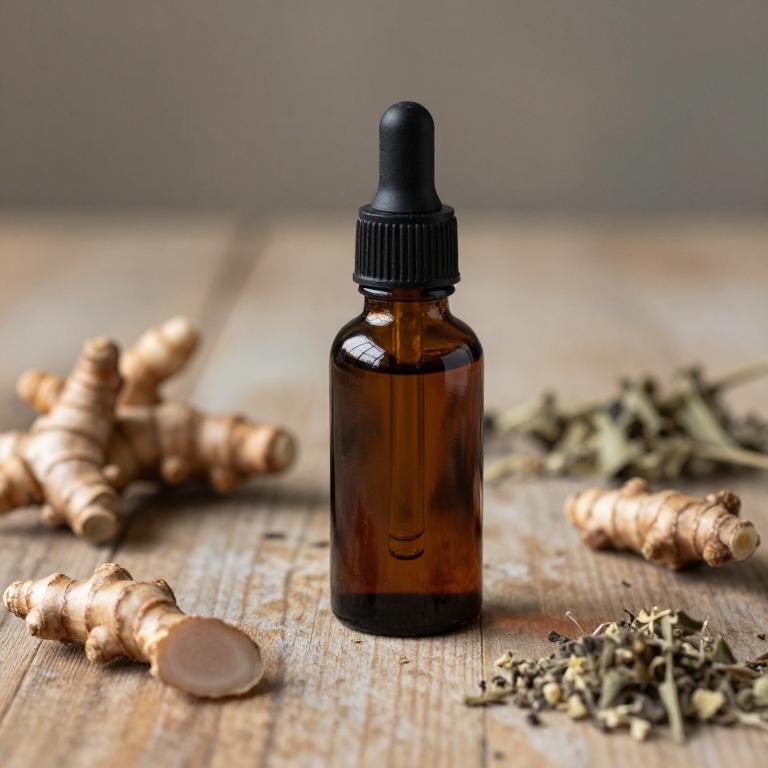
Zingiber officinale, commonly known as ginger, has been traditionally used for its medicinal properties, and its herbal tinctures are increasingly being explored for their potential in combating foot odor.
The tinctures harness the active compounds in ginger, such as gingerol and shogaol, which possess antimicrobial and anti-inflammatory effects that can inhibit the growth of odor-causing bacteria on the feet. When applied topically, these tinctures may help reduce the presence of fungi and bacteria responsible for persistent foot odor, offering a natural alternative to conventional antifungal treatments. Additionally, the warming and stimulating properties of ginger can improve circulation, further supporting foot health and reducing sweat buildup.
While more research is needed, initial studies and anecdotal evidence suggest that zingiber officinale tinctures may provide a safe and effective solution for managing foot odor.
10. Turmeric (Curcuma longa)
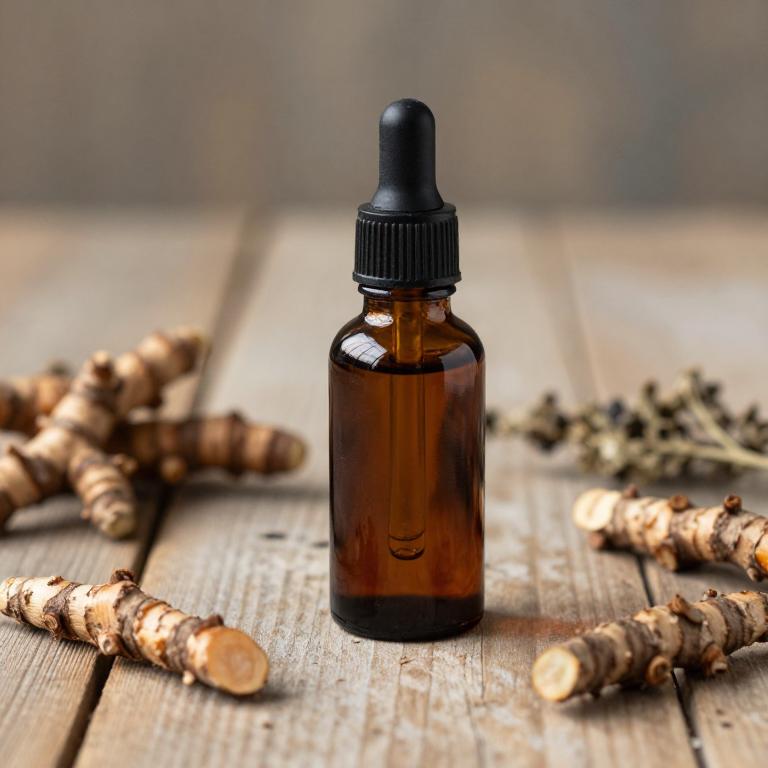
Curcuma longa, commonly known as turmeric, is a popular herbal remedy that has been used for centuries in traditional medicine for its anti-inflammatory and antimicrobial properties.
When formulated into a tincture, curcuma longa can be applied topically to the feet to help combat foot odor by inhibiting the growth of odor-causing bacteria. The active compound, curcumin, possesses natural antifungal and antibacterial qualities that make it effective in reducing the unpleasant smell associated with sweaty or fungal infections. Using a turmeric tincture as part of a daily foot care routine may offer a natural and safe alternative to commercial deodorants.
However, it is important to consult with a healthcare professional before use, especially if you have sensitive skin or existing foot conditions.