10 Best Herbal Juices For Foot Odor
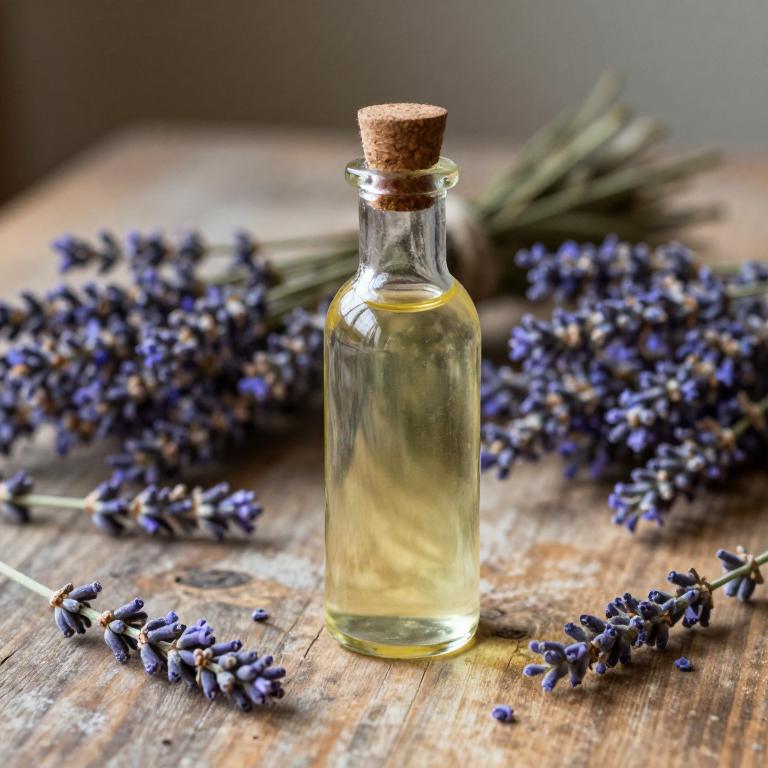
Herbal juices can be a natural and effective way to combat foot odor by promoting healthy sweating and balancing the moisture levels on the feet.
Certain herbs such as garlic, ginger, and turmeric are known for their antimicrobial and deodorizing properties, which can help reduce the growth of odor-causing bacteria. Applying these juices directly to the feet or soaking the feet in a mixture of herbal juices can help freshen the odor and improve overall foot hygiene. Regular use of herbal foot soaks may also enhance circulation and prevent fungal infections that often accompany persistent foot odor.
While herbal juices can be a complementary remedy, they should be used in conjunction with proper hygiene practices like keeping feet clean and dry.
Table of Contents
- 1. English lavender (Lavandula angustifolia)
- 2. Rosemary (Rosmarinus officinalis)
- 3. Thyme (Thymus vulgaris)
- 4. Eucalyptus (Eucalyptus globulus)
- 5. Ginger (Zingiber officinale)
- 6. Turmeric (Curcuma longa)
- 7. Geranium (Pelargonium graveolens)
- 8. Peppermint (Mentha piperita)
- 9. Greek oregano (Satureja hortensis)
- 10. Citrus sinensis
1. English lavender (Lavandula angustifolia)
Lavandula angustifolia, commonly known as English lavender, is often used in herbal remedies for its pleasant aroma and antimicrobial properties.
When infused into juices, lavender can help combat foot odor by reducing the growth of odor-causing bacteria on the skin. The essential oils in lavender, such as linalool and lavandin, have natural deodorizing and antiseptic effects that may neutralize unpleasant smells. Drinking lavender-infused juice can support overall foot health by improving circulation and reducing sweat buildup.
However, it is important to consult a healthcare professional before using lavender for persistent or severe foot odor issues.
2. Rosemary (Rosmarinus officinalis)
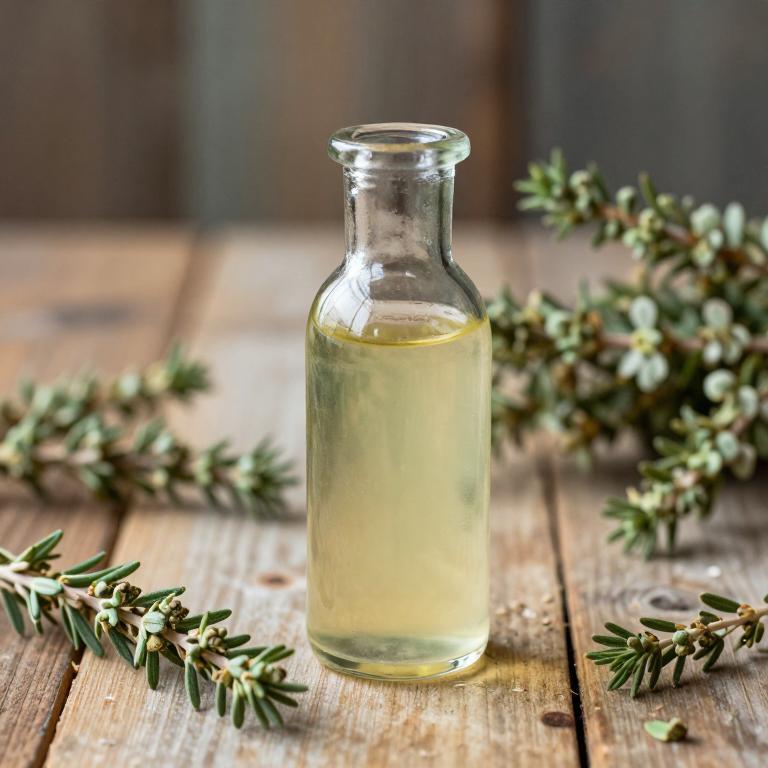
Rosmarinus officinalis, commonly known as rosemary, is a versatile herbal plant that has been traditionally used for its aromatic and therapeutic properties.
Rosemary herbal juices, derived from its fresh or dried leaves, are rich in antioxidants and essential oils that may help combat foot odor by inhibiting the growth of odor-causing bacteria. These juices can be applied topically to the feet or used in foot soaks to promote freshness and cleanliness. The natural antibacterial and antifungal compounds in rosemary may help reduce the buildup of moisture and bacteria that lead to unpleasant foot odors.
Incorporating rosemary herbal juices into a daily foot care routine may offer a natural and effective alternative to conventional deodorants for managing foot odor.
3. Thyme (Thymus vulgaris)
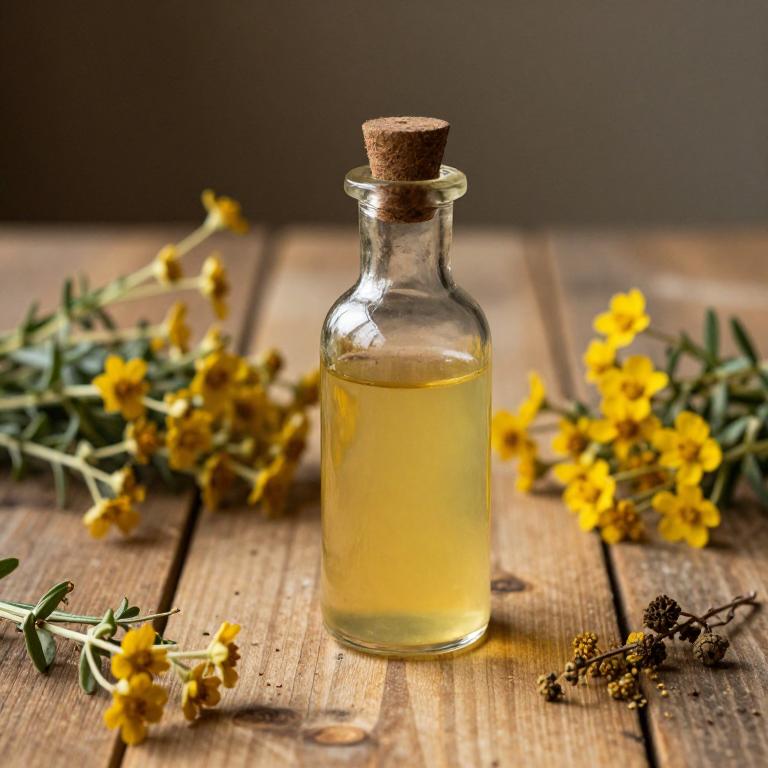
Thymus vulgaris, commonly known as thyme, is a popular herb often used in herbal remedies for its antimicrobial and antifungal properties.
When incorporated into herbal juices, thymus vulgaris can help combat the bacteria and fungi that contribute to foot odor by reducing their growth on the skin. These juices are typically made by blending fresh or dried thyme leaves with other complementary herbs like garlic, lemon, or mint, enhancing their effectiveness. Regular use of thyme-based herbal juices can promote a cleaner and fresher-smelling environment on the feet.
However, it is advisable to consult a healthcare professional before using any herbal remedy, especially if you have existing health conditions or are taking medications.
4. Eucalyptus (Eucalyptus globulus)

Eucalyptus globulus, commonly known as the Australian eucalyptus, is often used in herbal juices to combat foot odor due to its natural antimicrobial and deodorizing properties.
The essential oil of eucalyptus globulus contains compounds like cineole and limonene, which help neutralize bacteria that contribute to unpleasant foot smells. When incorporated into herbal juices, these properties can be delivered through topical application or oral consumption, offering a holistic approach to odor control. Regular use of eucalyptus globulus-based juices may help reduce the buildup of odor-causing microorganisms on the feet.
However, it is important to consult a healthcare professional before using such remedies, especially for individuals with sensitive skin or existing health conditions.
5. Ginger (Zingiber officinale)

Zingiber officinale, commonly known as ginger, has been traditionally used for its medicinal properties, and recent interest has emerged in its potential to combat foot odor through herbal juices.
The essential oils in ginger, such as gingerol and shogaol, possess antimicrobial and anti-inflammatory properties that may help reduce the growth of odor-causing bacteria on the feet. When consumed as a juice, ginger can support overall digestive health, which in turn may reduce the production of smelly toxins that contribute to foot odor. Some studies suggest that regular intake of ginger juice can improve circulation and detoxification, further aiding in the prevention of foot odor.
While more research is needed, ginger herbal juice shows promise as a natural and holistic approach to managing foot odor.
6. Turmeric (Curcuma longa)

Curcuma longa, commonly known as turmeric, is a natural herb that has been used for centuries in traditional medicine for its anti-inflammatory and antioxidant properties.
Recent studies suggest that curcumin, the active compound in turmeric, may help reduce foot odor by inhibiting the growth of odor-causing bacteria on the skin. When incorporated into herbal juices, curcuma longa can provide a refreshing and natural remedy for those struggling with persistent foot odor. These juices are typically made by combining turmeric with other beneficial ingredients like ginger, lemon, and garlic, which enhance both flavor and effectiveness.
However, it is important to consult with a healthcare professional before using turmeric-based remedies, especially if you have existing health conditions or are taking medications.
7. Geranium (Pelargonium graveolens)
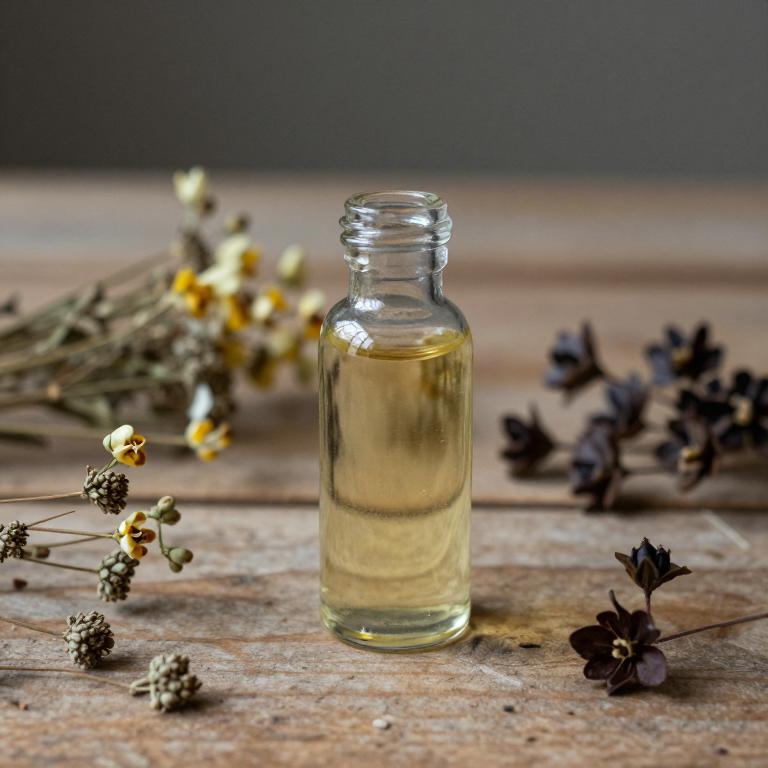
Pelargonium graveolens, commonly known as geranium, is a herb that has been traditionally used for its aromatic and medicinal properties.
While it is more commonly associated with essential oils, some formulations of Pelargonium graveolens have been explored for their potential in natural remedies, including the management of foot odor. The plant contains various bioactive compounds that may help in reducing bacterial growth, which is a primary cause of foot odor. When used in the form of herbal juices, it can provide a refreshing and natural alternative to conventional deodorants.
However, it is important to consult with a healthcare professional before using it for persistent or severe foot odor issues.
8. Peppermint (Mentha piperita)
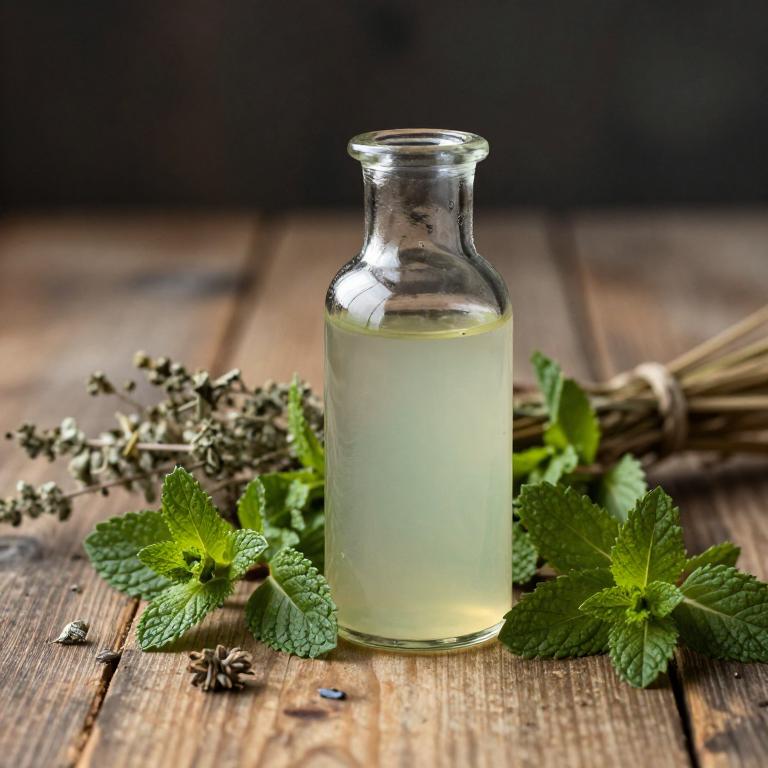
Mentha piperita, commonly known as peppermint, is a popular herbal ingredient used in natural remedies for foot odor due to its strong antibacterial and deodorizing properties.
Peppermint essential oil or herbal juices derived from the plant can help neutralize odor-causing bacteria on the feet, providing a refreshing and clean scent. These herbal juices are often used in foot soaks, sprays, or foot powders to combat persistent foot odor without the use of harsh chemicals. The cooling effect of peppermint also helps soothe tired feet and improve circulation, making it a multifunctional remedy.
Incorporating mentha piperita into foot care routines can be an effective and natural way to maintain fresh-smelling feet.
9. Greek oregano (Satureja hortensis)
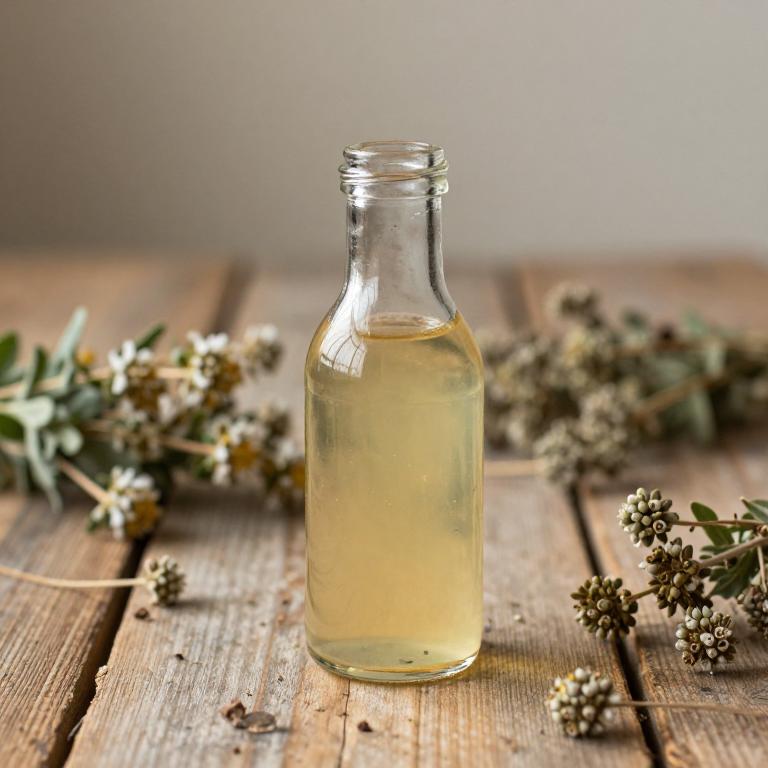
Satureja hortensis, commonly known as summer savory, is a versatile herb that has been traditionally used for its aromatic and medicinal properties.
When incorporated into herbal juices, it can help combat foot odor by promoting foot hygiene and reducing bacterial growth. The essential oils in satureja hortensis possess antimicrobial and antifungal properties that may inhibit the odor-causing microbes on the skin. Drinking satureja hortensis juice can support overall detoxification and improve circulation, which in turn may reduce foot odor naturally.
However, it is advisable to consult with a healthcare professional before using it as a remedy, especially for persistent or severe cases of foot odor.
10. Citrus sinensis

Citrus sinensis, commonly known as the sweet orange, contains essential oils and bioflavonoids that have natural antimicrobial properties, making it a potential ingredient in herbal juices for addressing foot odor.
These juices can help combat the bacteria and fungi that thrive in damp, warm environments like shoes, which are primary causes of persistent foot odor. By incorporating citrus sinensis into foot care routines, individuals may experience reduced odor due to its ability to neutralize odor-causing compounds. The refreshing scent of orange juice also provides a pleasant, invigorating effect that can mask unpleasant smells.
However, while citrus sinensis may offer some benefits, it is most effective when used in conjunction with proper foot hygiene and breathable footwear.