10 Best Herbal Essential Oils For Foot Odor
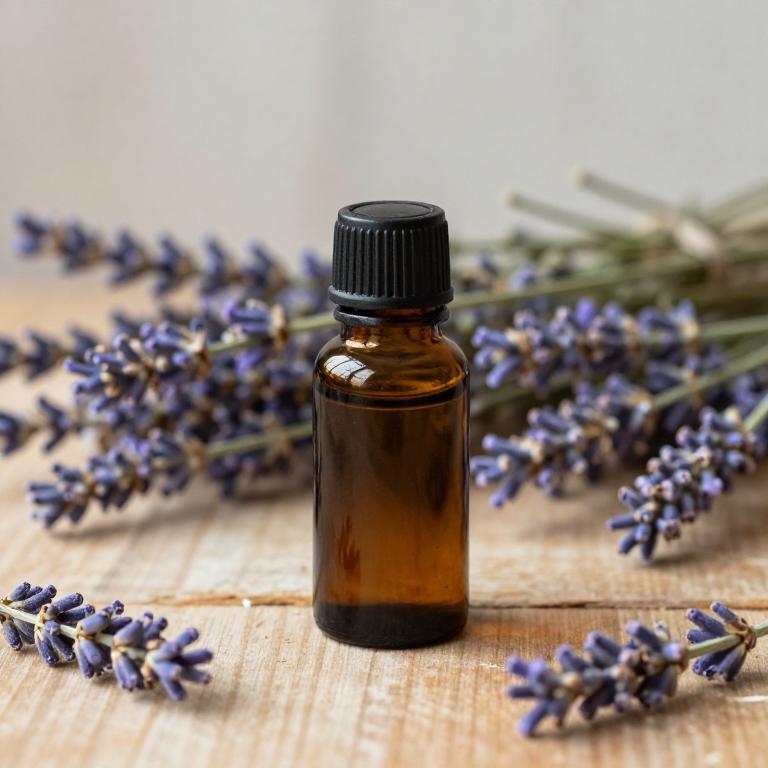
Herbal essential oils are natural extracts derived from various plants and are commonly used to combat foot odor due to their antimicrobial and deodorizing properties.
Oils such as tea tree, lavender, and peppermint are particularly effective in reducing bacteria that cause unpleasant smells. These oils can be applied directly to the feet or mixed with a carrier oil like coconut oil for safe and effective use. They not only help neutralize odor but also soothe the skin and provide a refreshing scent.
Regular use of herbal essential oils can be a natural and safe alternative to synthetic antifungal or deodorant products for managing foot odor.
Table of Contents
- 1. English lavender (Lavandula angustifolia)
- 2. Rosemary (Rosmarinus officinalis)
- 3. Eucalyptus (Eucalyptus globulus)
- 4. Thyme (Thymus vulgaris)
- 5. Ceylon cinnamon (Cinnamomum zeylanicum)
- 6. Black pepper (Piper nigrum)
- 7. Melaleuca (Melaleuca alternifolia)
- 8. Common teucrium (Teucrium marum)
- 9. Greek oregano (Satureja hortensis)
- 10. Oregano (Origanum vulgare)
1. English lavender (Lavandula angustifolia)
Lavandula angustifolia, commonly known as English lavender, is widely recognized for its calming properties and pleasant fragrance, making it a popular choice for essential oils.
Its essential oil contains compounds like linalool and linalyl acetate, which have natural antibacterial and antifungal properties that can help combat the bacteria and fungi responsible for foot odor. When applied topically, lavender oil can help reduce the unpleasant smell by inhibiting the growth of odor-causing microorganisms on the skin. It is often used in foot soaks, sprays, or as a foot powder to maintain freshness and hygiene.
Additionally, its soothing aroma can provide a relaxing effect, making it not only effective but also enjoyable for daily use.
2. Rosemary (Rosmarinus officinalis)
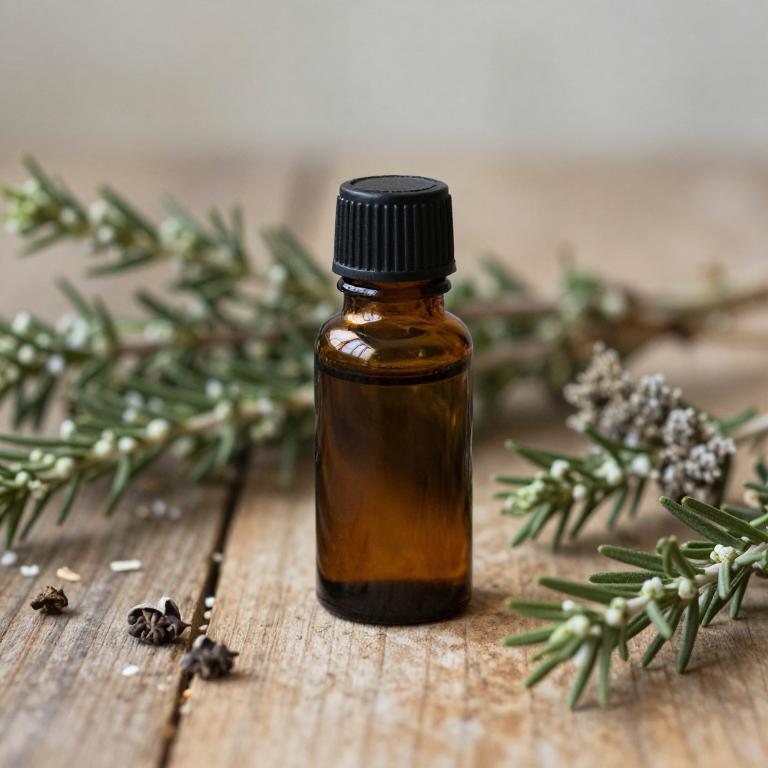
Rosmarinus officinalis, commonly known as rosemary, is a popular herb whose essential oil is widely used for its aromatic and therapeutic properties.
The essential oil of rosemary contains compounds like camphor and pinene, which have natural antimicrobial and antifungal properties that can help combat the bacteria and fungi responsible for foot odor. When applied topically, rosemary essential oil can help reduce the buildup of odor-causing microorganisms on the skin. Its refreshing and invigorating scent also provides a pleasant aroma that can mask and neutralize unpleasant foot odors.
However, it is important to dilute the essential oil with a carrier oil before applying it to the skin to avoid irritation.
3. Eucalyptus (Eucalyptus globulus)
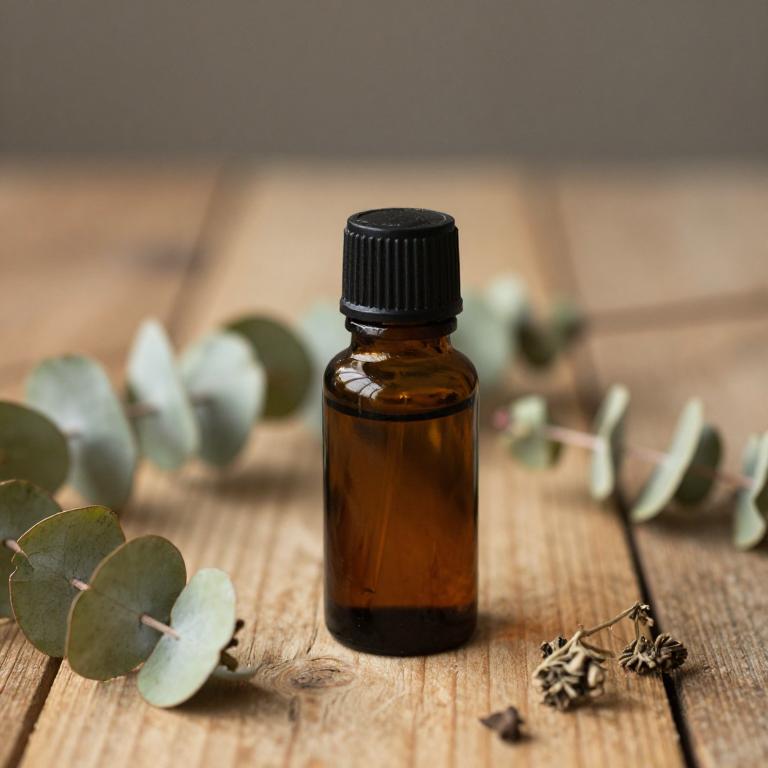
Eucalyptus globulus, also known as Australian eucalyptus, is a popular source of essential oil widely used for its refreshing and antimicrobial properties.
When applied to the feet, this essential oil can help combat foot odor by inhibiting the growth of bacteria and fungi that thrive in moist environments. Its cooling and deodorizing effects make it an effective natural remedy for persistent or recurring foot odor. To use it safely, it should always be diluted with a carrier oil before applying to the skin.
Additionally, regular use of eucalyptus globulus essential oil can contribute to maintaining fresh and clean-smelling feet throughout the day.
4. Thyme (Thymus vulgaris)
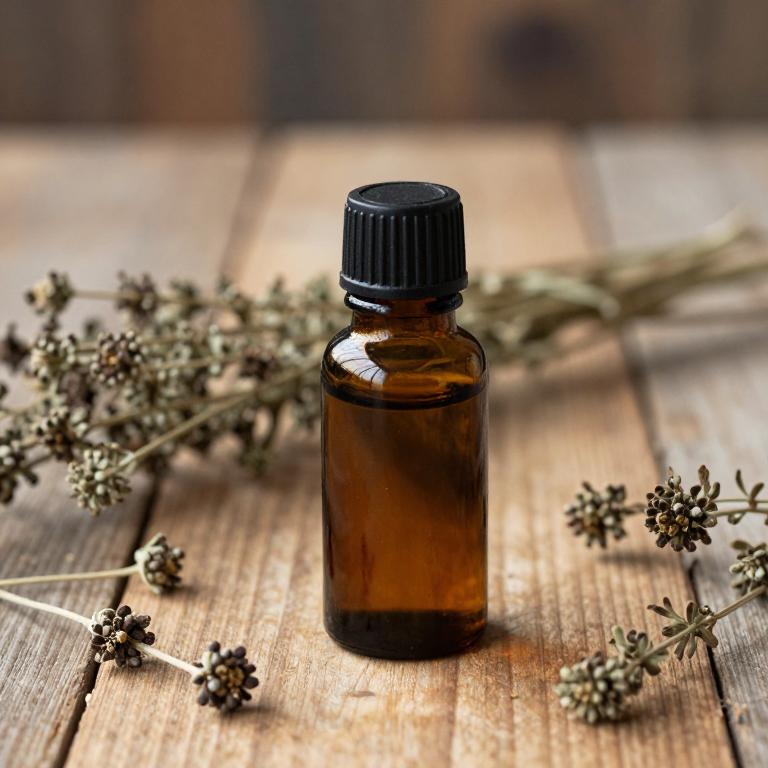
Thymus vulgaris, commonly known as thyme, is a herb widely used in aromatherapy for its potent antibacterial and antifungal properties.
Its essential oil is particularly effective in combating foot odor due to its ability to inhibit the growth of odor-causing bacteria and fungi on the skin. When applied topically or used in foot sprays, thyme essential oil helps neutralize unpleasant smells and promote a fresh, clean scent. It is often blended with other essential oils like lavender or tea tree for enhanced effectiveness and a more pleasant aroma.
Regular use of thymus vulgaris essential oil can be a natural and safe alternative to conventional deodorants for managing persistent foot odor.
5. Ceylon cinnamon (Cinnamomum zeylanicum)
Cinnamomum zeylanicum, also known as cinnamon bark, is a popular source of essential oils that can help combat foot odor due to its natural antimicrobial and antifungal properties.
The essential oil derived from this plant contains compounds like cinnamaldehyde, which inhibit the growth of bacteria and fungi that contribute to unpleasant odors. When used in foot sprays or soaks, cinnamon essential oil can effectively reduce the buildup of odor-causing microorganisms on the skin. Its warm, spicy aroma also provides a pleasant sensory experience, making it a favored choice for natural foot care.
However, it should be diluted properly before applying to the skin to avoid irritation.
6. Black pepper (Piper nigrum)
Piper nigrum, commonly known as black pepper, contains essential oils that have been explored for their potential to combat foot odor due to their antimicrobial and antifungal properties.
These oils help inhibit the growth of bacteria and fungi, which are primary contributors to unpleasant foot odor. The active compounds in black pepper essential oil, such as piperine, may help neutralize odor-causing agents and promote a fresher smelling environment. When used in foot sprays or soaks, these oils can provide a natural and effective alternative to conventional deodorants.
However, it is important to dilute the essential oil properly to avoid skin irritation and ensure safe application.
7. Melaleuca (Melaleuca alternifolia)
Melaleuca alternifolia, commonly known as tea tree oil, is a popular herbal essential oil known for its potent antimicrobial properties.
When used for foot odor, it helps combat the bacteria and fungi that thrive in warm, moist environments like shoes. Its natural antifungal and antibacterial effects can reduce the unpleasant smells caused by sweat and microbial growth. To use it effectively, dilute a few drops in a carrier oil or apply it directly to the feet after thorough drying.
Regular application can help maintain fresh, odor-free feet and promote overall foot health.
8. Common teucrium (Teucrium marum)
Teucrium marum, also known as germander, is a herb that contains essential oils with potential antimicrobial properties that may help combat foot odor.
These essential oils can inhibit the growth of odor-causing bacteria and fungi, making them a natural alternative for managing foot hygiene. When used in foot soaks or as part of a foot care routine, teucrium marum essential oils can help reduce unpleasant smells without the use of harsh chemicals. However, it is important to dilute the essential oils properly before applying them to the skin to avoid irritation.
While more research is needed, some holistic health practitioners recommend teucrium marum as a complementary treatment for persistent foot odor.
9. Greek oregano (Satureja hortensis)
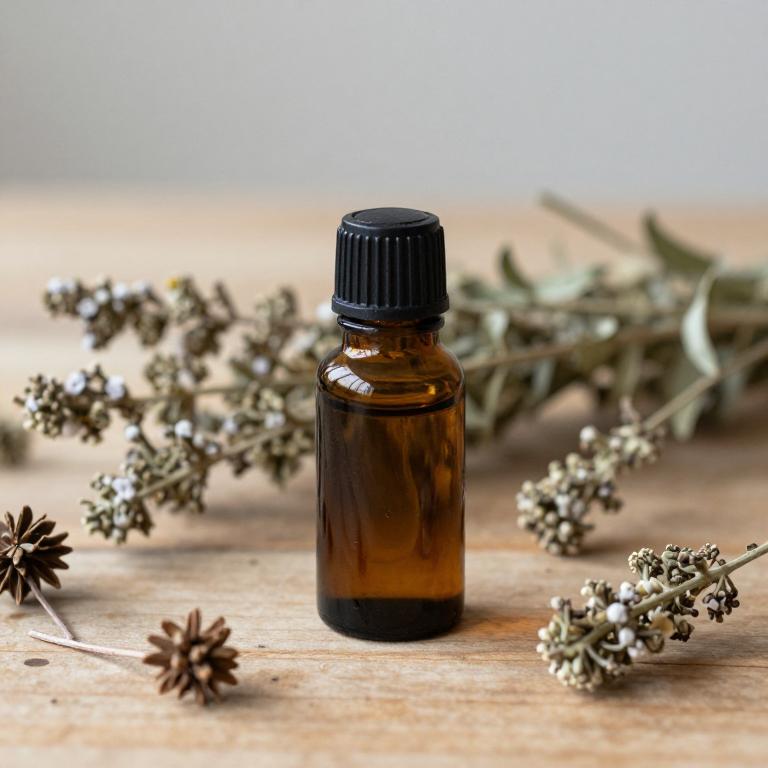
Satureja hortensis, also known as summer savory, is a herb whose essential oil has gained attention for its potential in combating foot odor.
The oil contains compounds like carvacrol and thymol, which possess strong antimicrobial properties that can help eliminate the bacteria responsible for bad odors. When applied topically to the feet, the essential oil can help neutralize odor-causing microorganisms and promote a fresher scent. Its natural and refreshing aroma also makes it a pleasant addition to foot care routines.
However, it is important to dilute the essential oil properly before use to avoid skin irritation and ensure safe application.
10. Oregano (Origanum vulgare)
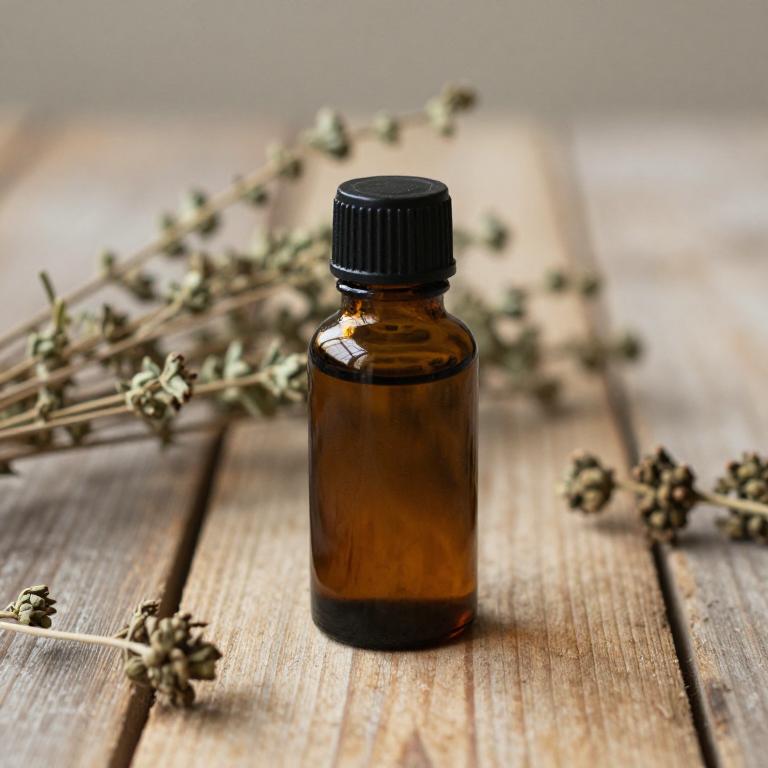
Oreganum vulgare, commonly known as oregano, is a herb widely used for its aromatic essential oils, which have natural antimicrobial and antifungal properties.
These properties make oregano essential oil a promising natural remedy for combating foot odor, as it can help eliminate the bacteria and fungi that contribute to unpleasant smells. When diluted properly, oregano essential oil can be applied to the feet to freshen and deodorize them, offering a safe and effective alternative to conventional deodorants. Its strong scent may also act as a natural deterrent to the microorganisms that thrive in damp, sweaty environments.
Overall, oregano essential oil provides a holistic and aromatic solution for managing foot odor through its potent plant-based compounds.