10 Best Herbal Lotions For Flu
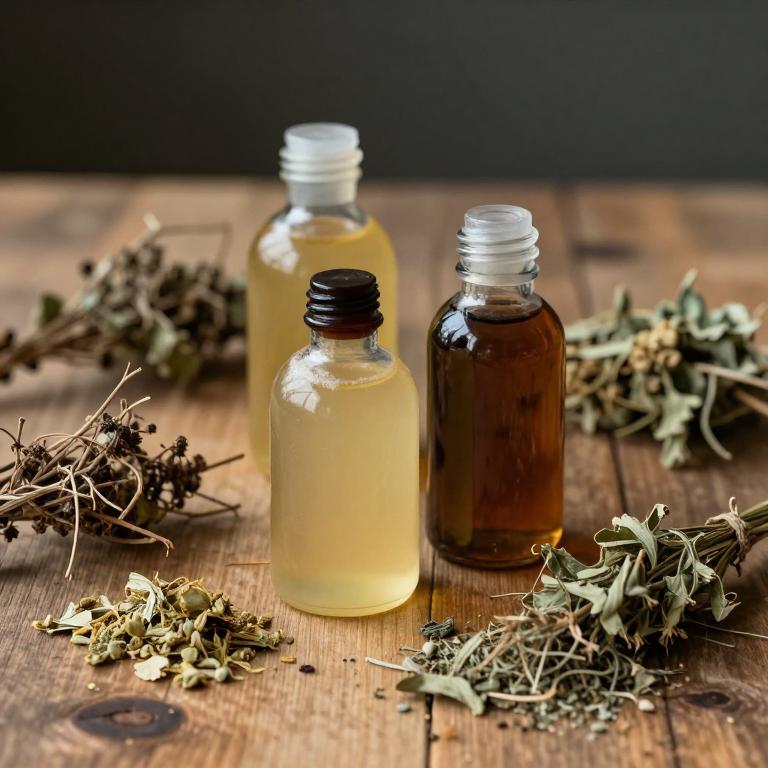
Herbal lotions for flu are natural remedies that combine plant-based ingredients with soothing properties to support recovery from flu symptoms.
These lotions often contain herbs like eucalyptus, ginger, and lavender, which are known for their anti-inflammatory and immune-boosting benefits. They are typically applied topically to the skin, providing relief from muscle aches, congestion, and general discomfort associated with the flu. While they are not a cure for the flu, they can help alleviate symptoms and promote relaxation.
It is important to consult with a healthcare professional before using herbal lotions, especially for individuals with allergies or existing medical conditions.
Table of Contents
- 1. Ginger (Zingiber officinale)
- 2. Thyme (Thymus vulgaris)
- 3. Echinacea (Echinacea purpurea)
- 4. Salvia (Salvia officinalis)
- 5. Stinging nettle (Urtica dioica)
- 6. Rosemary (Rosmarinus officinalis)
- 7. Black elderberry (Sambucus nigra)
- 8. Camellia (Camellia sinensis)
- 9. Peppermint (Mentha piperita)
- 10. Ceylon cinnamon (Cinnamomum zeylanicum)
1. Ginger (Zingiber officinale)
Zingiber officinale, commonly known as ginger, has been traditionally used for its medicinal properties, and ginger-based herbal lotions are gaining popularity for their potential benefits in alleviating flu symptoms.
These lotions often contain essential oils and extracts from fresh or dried ginger root, which are believed to have antiviral, anti-inflammatory, and warming effects. When applied topically, ginger lotion may help reduce muscle aches, congestion, and body pain associated with the flu by improving circulation and soothing the skin. Some users find the aromatic properties of ginger to be calming and helpful in promoting relaxation during illness.
However, while these lotions may offer complementary relief, they should not replace conventional medical treatments for the flu, especially in severe cases.
2. Thyme (Thymus vulgaris)
Thymus vulgaris, commonly known as thyme, is a popular herb used in traditional medicine for its antimicrobial and immune-boosting properties.
Thymus vulgaris herbal lotions are formulated to harness these benefits, offering a natural remedy for alleviating flu symptoms such as congestion, sore throat, and fatigue. These lotions often contain essential oils extracted from thyme leaves, which have been shown to possess antiviral and antibacterial effects. When applied topically, they may help reduce inflammation and support the body's natural defenses against viral infections.
As a complementary therapy, thymus vulgaris herbal lotions can be a soothing addition to a holistic approach to flu treatment.
3. Echinacea (Echinacea purpurea)
Echinacea purpurea, commonly known as purple coneflower, is a popular herbal remedy often used to support immune health and potentially reduce the severity of flu symptoms.
Herbal lotions containing echinacea purpurea are formulated to harness the plant's natural compounds, such as alkamides and caffeic acid derivatives, which may have anti-inflammatory and immunostimulant properties. These lotions are typically applied topically to the skin, offering a soothing effect while potentially enhancing the body's defenses against viral infections. While some studies suggest echinacea may help shorten the duration of colds, its effectiveness for flu remains a topic of ongoing research.
As with any herbal remedy, it is advisable to consult a healthcare professional before use, especially for individuals with allergies or existing medical conditions.
4. Salvia (Salvia officinalis)
Salvia officinalis, commonly known as sage, has been traditionally used in herbal medicine for its potential health benefits, including its role in supporting immune function.
Sage herbal lotions are often infused with essential oils and extracts from the plant, which may help alleviate symptoms associated with the flu, such as sore throat and congestion. These lotions can be applied topically to the skin for a soothing effect, or used in steam inhalation to ease respiratory discomfort. While they are not a substitute for medical treatment, they may offer complementary relief when used as part of a holistic approach to flu care.
However, it is important to consult with a healthcare professional before using any herbal remedy, especially for individuals with allergies or chronic health conditions.
5. Stinging nettle (Urtica dioica)
Urtica dioica, commonly known as stinging nettle, has been traditionally used in herbal remedies for its anti-inflammatory and immune-boosting properties.
Herbal lotions made from Urtica dioica can be applied topically to help alleviate symptoms of the flu, such as sore throat and muscle aches, by reducing inflammation and promoting circulation. These lotions are often infused with other herbs like echinacea or garlic to enhance their therapeutic effects. When used as part of a holistic approach, Urtica dioica lotions may support the body's natural defenses against viral infections.
However, it is important to consult with a healthcare professional before using these remedies, especially for individuals with allergies or existing health conditions.
6. Rosemary (Rosmarinus officinalis)
Rosmarinus officinalis, commonly known as rosemary, is a fragrant herb that has been traditionally used for its aromatic and therapeutic properties.
Rosemary herbal lotions infused with this plant are often used to support respiratory health and alleviate symptoms of the flu, such as congestion and fatigue. These lotions may contain essential oils extracted from rosemary leaves, which are believed to have antimicrobial and anti-inflammatory benefits. When applied topically, they can help soothe sore muscles and promote a sense of relaxation, complementing other flu remedies.
However, it is important to consult a healthcare professional before using rosemary lotions, especially for those with sensitive skin or underlying health conditions.
7. Black elderberry (Sambucus nigra)
Sambucus nigra, commonly known as European elderberry, has been traditionally used in herbal medicine for its potential immune-boosting properties.
When formulated into a herbal lotion, it may help alleviate symptoms associated with the flu, such as sore throat and congestion, due to its anti-inflammatory and antioxidant compounds. The lotion typically contains extracts of the elderberry fruit, which are rich in flavonoids and vitamin C, supporting the body's natural defenses. While it is not a substitute for medical treatment, some studies suggest that elderberry may reduce the duration and severity of flu symptoms.
However, it is important to consult a healthcare professional before using any herbal remedy, especially for those with underlying health conditions or allergies.
8. Camellia (Camellia sinensis)
Camellia sinensis herbal lotions, derived from the leaves of the Camellia sinensis plant, are traditionally used in herbal medicine for their potential health benefits.
These lotions often contain compounds such as polyphenols and catechins, which are believed to have anti-inflammatory and immune-supporting properties. While they are not a substitute for conventional flu treatments, some studies suggest that these natural ingredients may help alleviate symptoms like sore throat and congestion. Camellia sinensis lotions are typically applied topically, offering a gentle and holistic approach to supporting the body during a flu episode.
However, it is important to consult with a healthcare professional before using any herbal remedy, especially for those with underlying health conditions or who are taking other medications.
9. Peppermint (Mentha piperita)
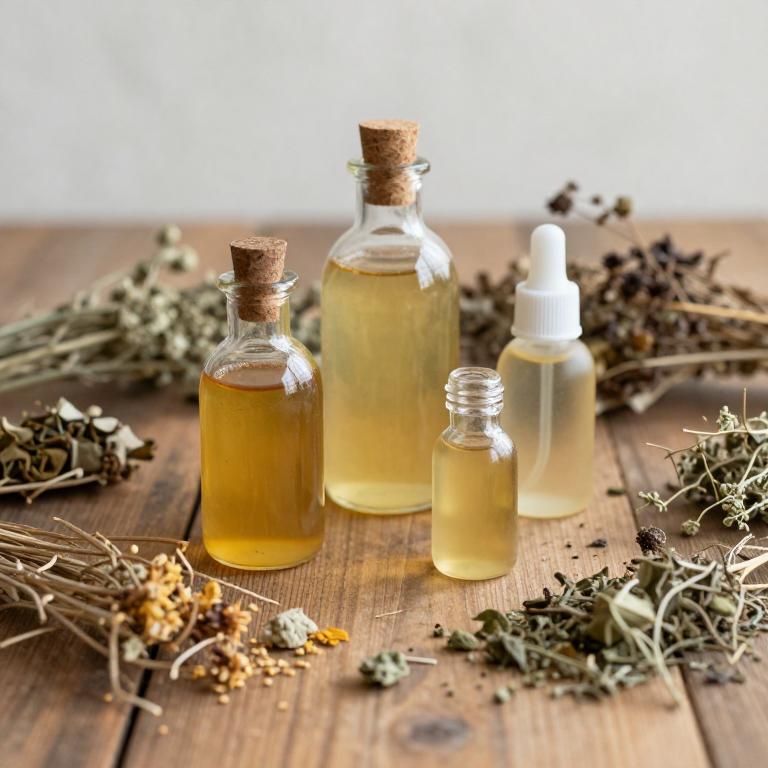
Mentha piperita, commonly known as peppermint, is a popular herb used in the formulation of herbal lotions for alleviating flu symptoms.
These lotions often combine peppermint oil with other soothing ingredients to provide a cooling and refreshing sensation on the skin. The menthol content in peppermint helps to ease nasal congestion and reduce throat irritation, making it a natural remedy for respiratory discomfort. When applied topically, these lotions can help relieve muscle aches and headaches often associated with the flu.
Peppermint herbal lotions are generally safe for most adults, though they should be used with caution on sensitive skin and avoided by children under certain ages.
10. Ceylon cinnamon (Cinnamomum zeylanicum)
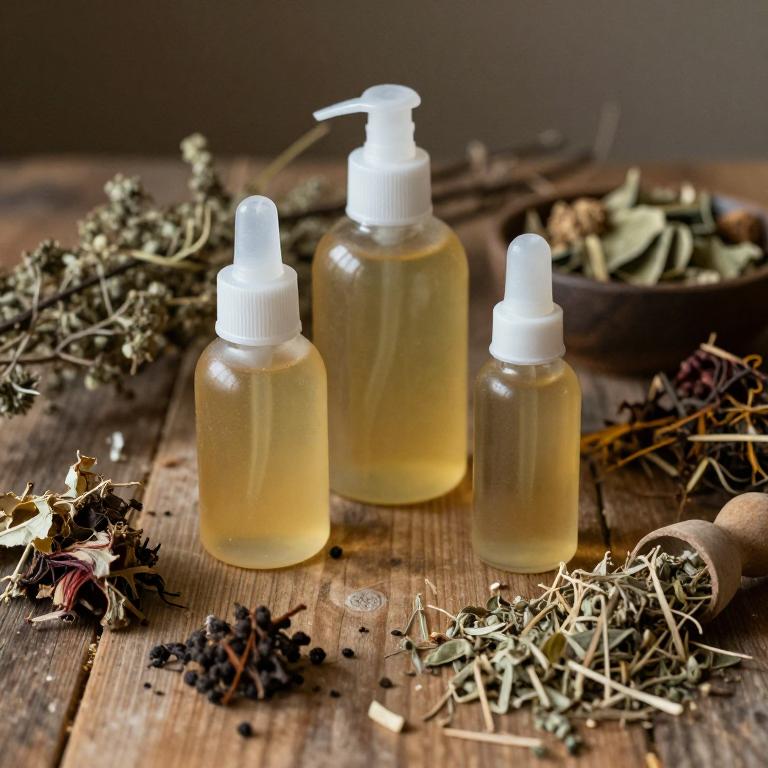
Cinnamomum zeylanicum, commonly known as cinnamon, is often used in herbal lotions for its warming and antiseptic properties, which may help alleviate symptoms of the flu.
These lotions typically combine ground cinnamon with carrier oils like coconut or almond oil, creating a soothing topical treatment that can be applied to the chest, throat, or feet to promote circulation and ease congestion. The aromatic compounds in cinnamon have been traditionally believed to support immune function and reduce inflammation, making it a popular natural remedy during cold and flu season. While herbal lotions are not a substitute for medical treatment, they can offer complementary relief for mild flu symptoms when used as part of a holistic care routine.
However, it is important to consult a healthcare professional before using cinnamon-based products, especially for individuals with allergies or sensitive skin.