10 Best Herbal Capsules For Flu
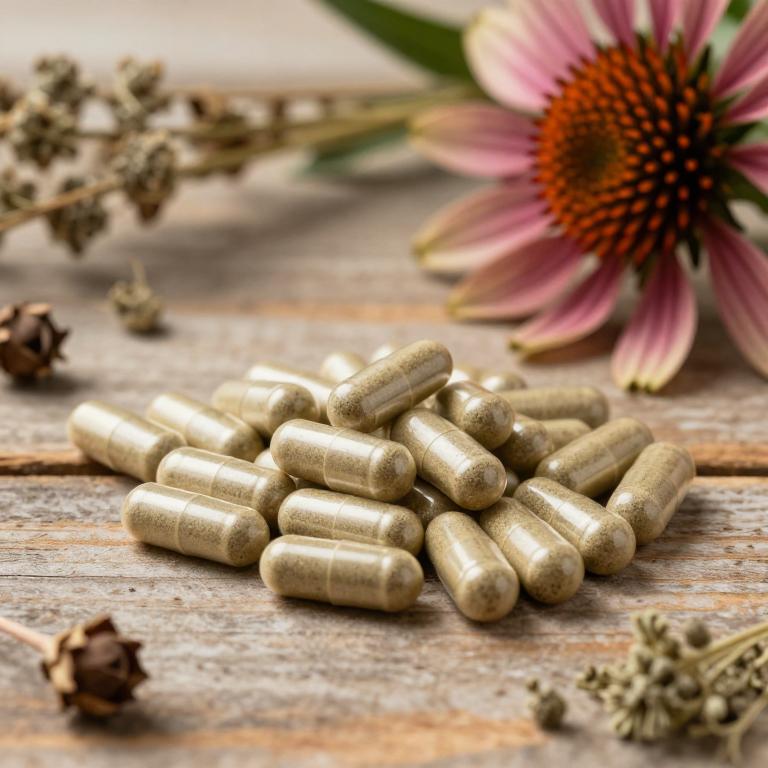
Herbal capsules for flu are dietary supplements that contain a blend of natural ingredients traditionally used to support the immune system and alleviate flu symptoms.
Common herbs found in these capsules include echinacea, elderberry, ginger, and vitamin C, which are believed to have antiviral and anti-inflammatory properties. These capsules offer a convenient and easy-to-consume alternative to traditional medications, making them popular among individuals seeking natural remedies. However, it is important to consult with a healthcare professional before using herbal capsules, especially for those with existing medical conditions or who are taking other medications.
While they may provide some relief, they should not replace conventional medical treatment for severe flu symptoms.
Table of Contents
- 1. Echinacea (Echinacea purpurea)
- 2. Ginger (Zingiber officinale)
- 3. Thyme (Thymus vulgaris)
- 4. Black elderberry (Sambucus nigra)
- 5. Chaste tree (Vitex agnus-castus)
- 6. Salvia (Salvia officinalis)
- 7. Peppermint (Mentha piperita)
- 8. Geranium (Pelargonium graveolens)
- 9. Camellia (Camellia sinensis)
- 10. St. john's wort (Hypericum perforatum)
1. Echinacea (Echinacea purpurea)
Echinacea purpurea, commonly known as purple coneflower, is a popular herbal remedy often used to support the immune system and may help alleviate symptoms of the flu.
Herbal capsules containing Echinacea purpurea are typically standardized to ensure consistent levels of active compounds, such as alkamides, caffeic acid derivatives, and polysaccharides, which are believed to contribute to its immune-boosting properties. Some studies suggest that Echinacea may reduce the duration and severity of cold and flu symptoms, although results can vary depending on the specific formulation and dosage. These capsules are generally considered safe for most adults when taken as directed, though they may not be suitable for individuals with allergies to plants in the daisy family.
As with any supplement, it is advisable to consult a healthcare provider before use, especially for those with pre-existing medical conditions or taking other medications.
2. Ginger (Zingiber officinale)
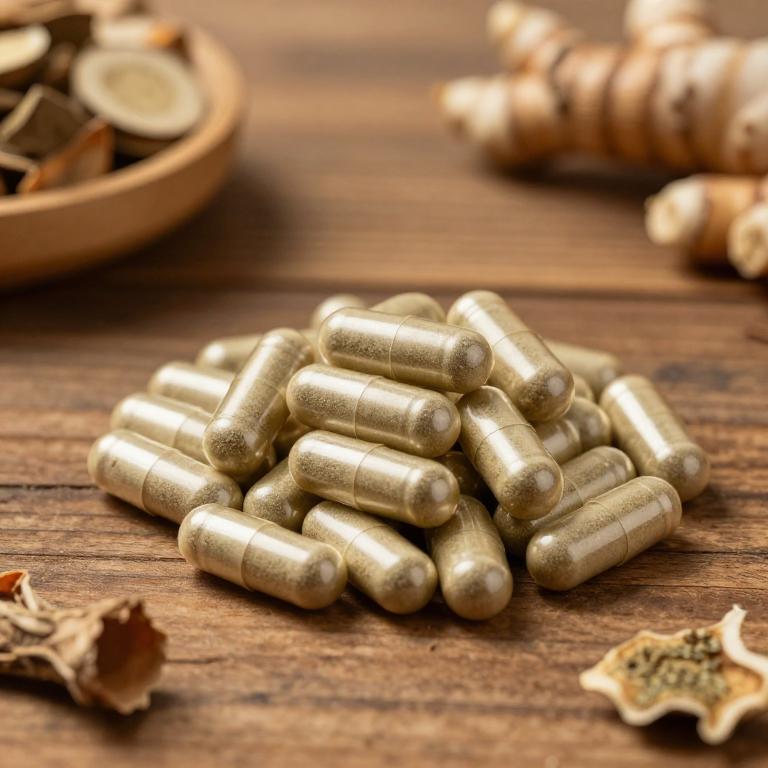
Zingiber officinale, commonly known as ginger, has been traditionally used for its anti-inflammatory and antioxidant properties, making it a popular herbal remedy for flu symptoms.
When formulated into herbal capsules, zingiber officinale provides a convenient and standardized way to consume ginger for its potential therapeutic benefits. These capsules may help alleviate symptoms such as nausea, sore throat, and congestion associated with the flu by supporting the body's immune response. The active compounds in ginger, including gingerol and shogaol, are believed to have antiviral and immune-boosting effects.
While ginger is generally safe, it is advisable to consult a healthcare professional before using it, especially for individuals with certain medical conditions or those taking other medications.
3. Thyme (Thymus vulgaris)
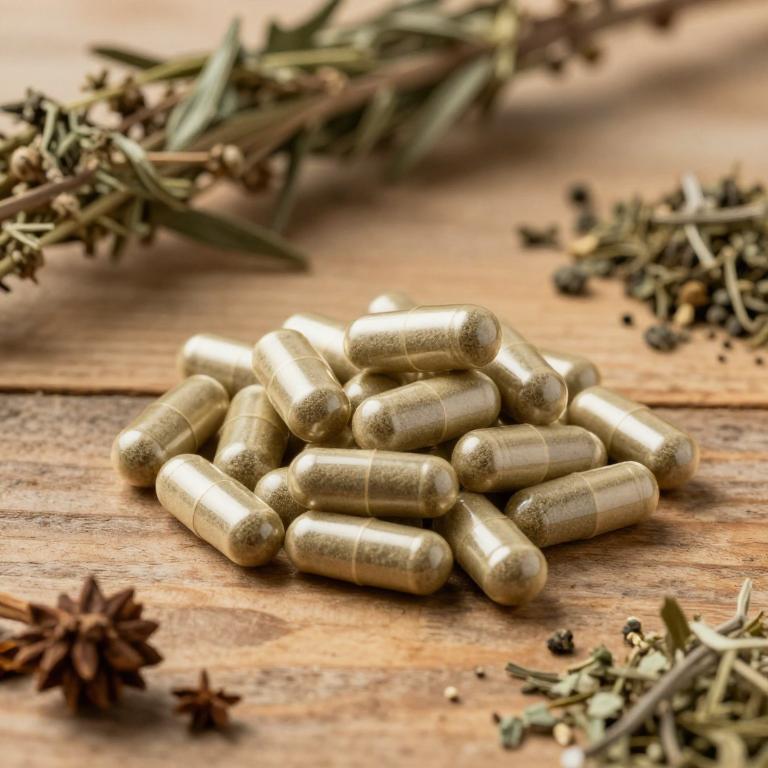
Thymus vulgaris, commonly known as thyme, is a herbal remedy that has been traditionally used to support immune health and alleviate symptoms of the flu.
Thymus vulgaris herbal capsules are made from the dried leaves and flowers of the thyme plant, which are rich in essential oils, antioxidants, and antimicrobial compounds. These capsules are often used to help reduce congestion, soothe sore throats, and boost the body's natural defenses against viral infections. The active components in thyme, such as thymol and carvacrol, are believed to have antiviral and anti-inflammatory properties.
While thyme can be a natural complement to flu care, it is advisable to consult a healthcare professional before using it, especially for individuals with existing medical conditions or those taking other medications.
4. Black elderberry (Sambucus nigra)
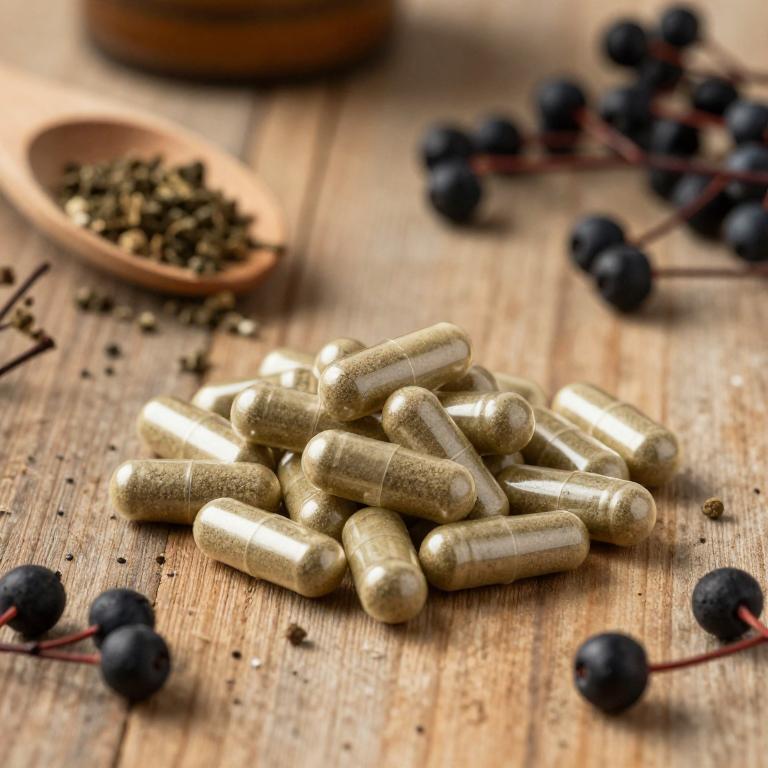
Sambucus nigra, commonly known as elderberry, is a popular herbal remedy often used to support the immune system and alleviate symptoms of the flu.
The berries of the Sambucus nigra plant are rich in antioxidants, vitamins, and flavonoids, which may help reduce inflammation and enhance immune function. When formulated into capsules, elderberry extract provides a convenient and standardized way to consume these beneficial compounds. Some studies suggest that elderberry may shorten the duration of flu symptoms and reduce their severity when taken at the onset of illness.
However, it is important to consult with a healthcare provider before using elderberry supplements, especially for individuals with chronic health conditions or those taking other medications.
5. Chaste tree (Vitex agnus-castus)
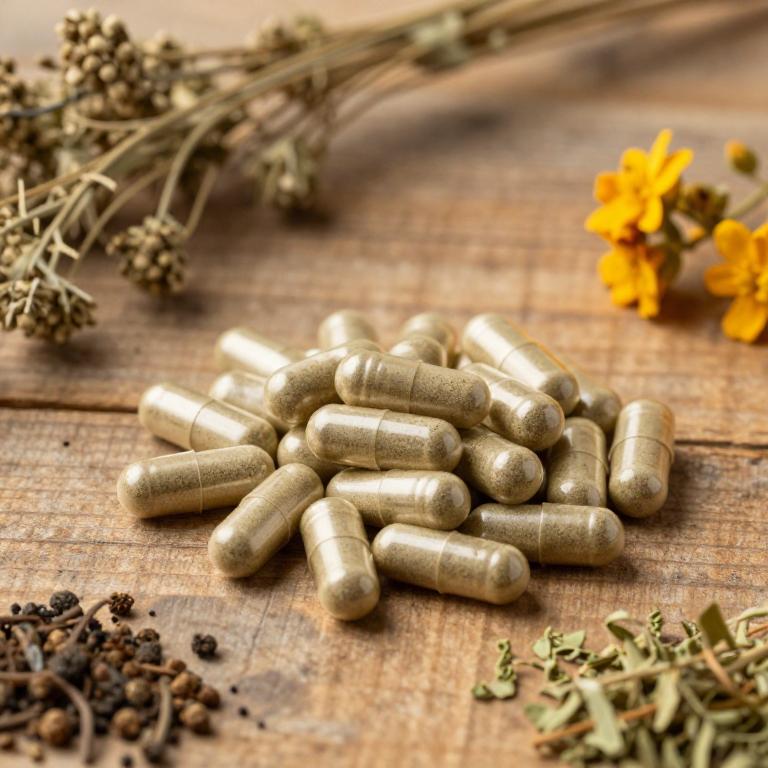
Vitex agnus-castus, commonly known as chaste tree, has been traditionally used in herbal medicine for its potential supportive role in immune function.
While it is not a cure for the flu, some studies suggest that its compounds may help modulate the immune system and reduce symptoms associated with viral infections. Vitex agnus-castus herbal capsules are often used as a complementary remedy to support the body's natural defenses during illness. They are generally considered safe when taken as directed, though they may interact with certain medications.
As with any supplement, it is advisable to consult a healthcare professional before use, especially for individuals with existing health conditions or those taking other medications.
6. Salvia (Salvia officinalis)
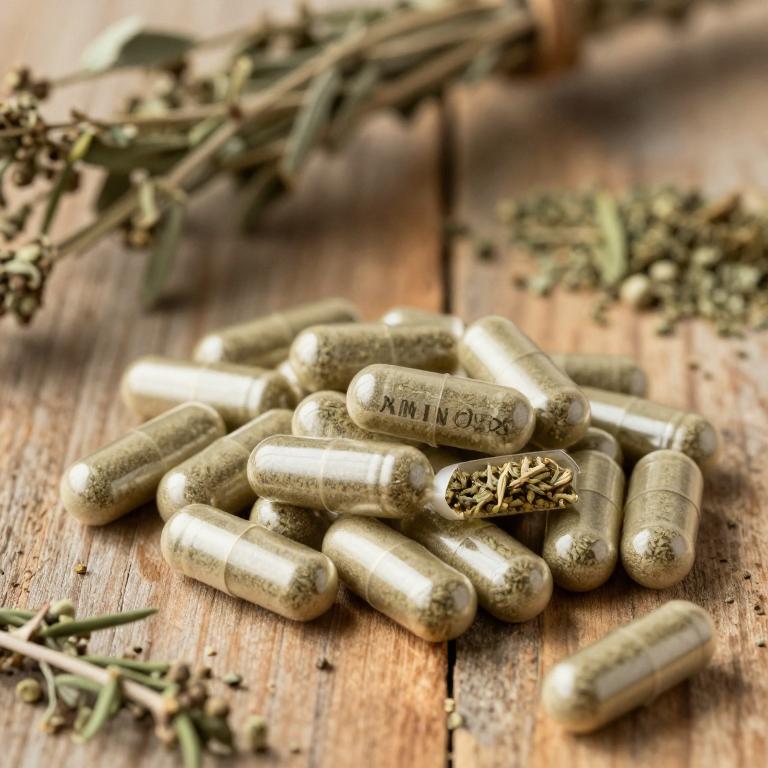
Salvia officinalis, commonly known as sage, has been traditionally used for its medicinal properties, including its potential to alleviate symptoms of the flu.
Herbal capsules containing salvia officinalis are often formulated to support respiratory health and reduce inflammation in the airways. These capsules may help ease coughing, sore throat, and congestion associated with flu symptoms due to the plant's antimicrobial and antiviral compounds. While scientific evidence supporting its efficacy for the flu is limited, many people use sage as a natural remedy to boost immunity and soothe flu-related discomfort.
As with any herbal supplement, it is advisable to consult a healthcare professional before use, especially for individuals with existing health conditions or those taking other medications.
7. Peppermint (Mentha piperita)
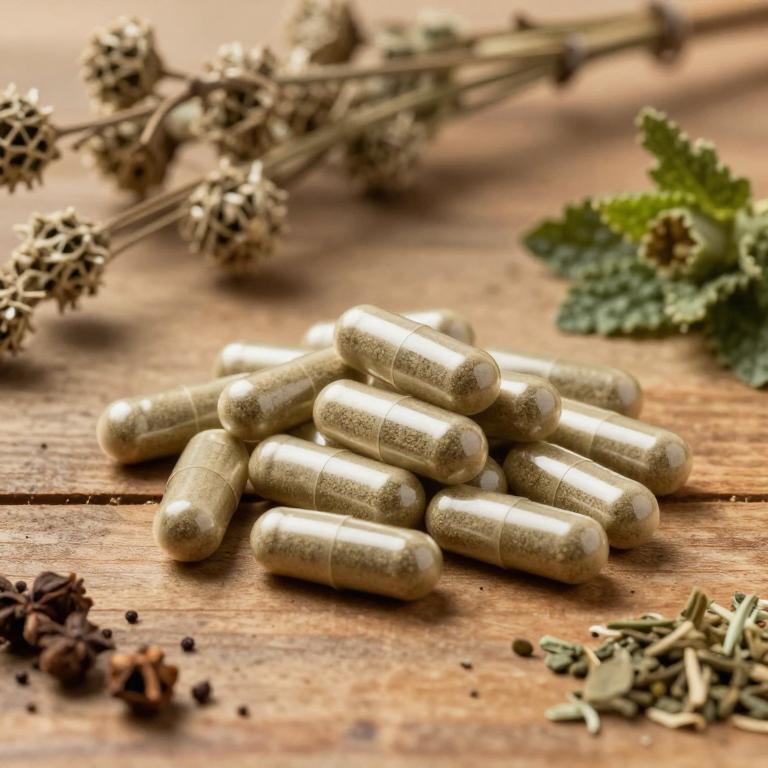
Mentha piperita, commonly known as peppermint, is a popular herbal remedy often used in the form of capsules to support recovery from the flu.
These capsules contain concentrated extracts of peppermint leaves, which are rich in menthol and other essential oils known for their soothing and decongestant properties. Peppermint capsules may help alleviate symptoms such as congestion, coughing, and sore throat by promoting clear breathing and reducing inflammation in the respiratory tract. They are generally considered safe for most adults when taken as directed, though they may interact with certain medications.
As a natural alternative, peppermint capsules can complement conventional flu treatments and provide gentle relief during recovery.
8. Geranium (Pelargonium graveolens)
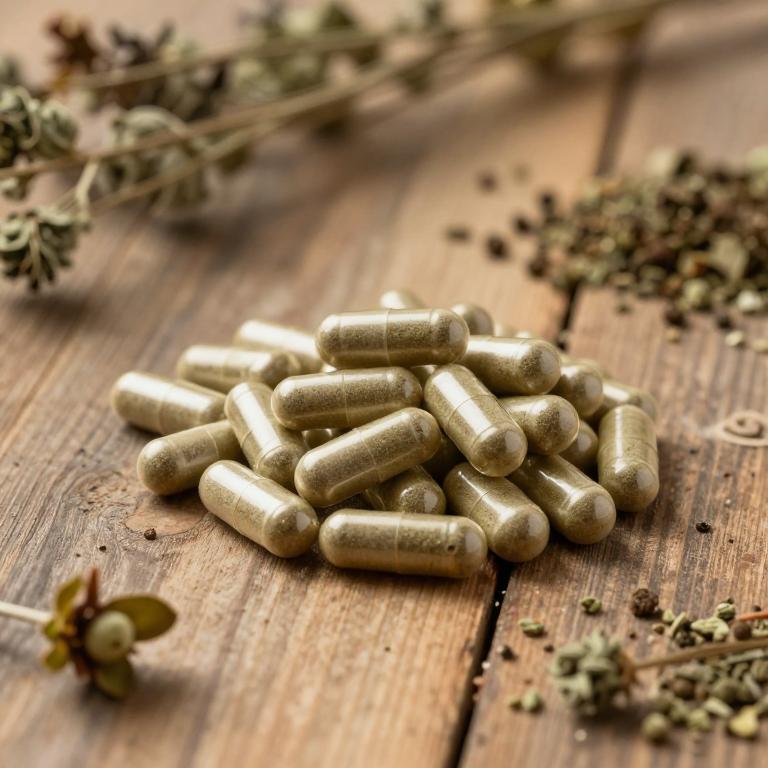
Pelargonium graveolens, commonly known as geranium, is a herb that has been traditionally used for its potential health benefits, including its use in supporting immune function.
Herbal capsules containing Pelargonium graveolens are often marketed for their ability to alleviate symptoms associated with the flu, such as congestion, sore throat, and fatigue. The active compounds in this herb, including essential oils and flavonoids, may contribute to its antimicrobial and anti-inflammatory properties. While some studies suggest that geranium may support respiratory health, it is important to consult with a healthcare professional before using it, especially for individuals with underlying health conditions or those taking other medications.
As with any herbal supplement, the efficacy and safety of Pelargonium graveolens capsules can vary, and they should not replace conventional medical treatments for flu.
9. Camellia (Camellia sinensis)
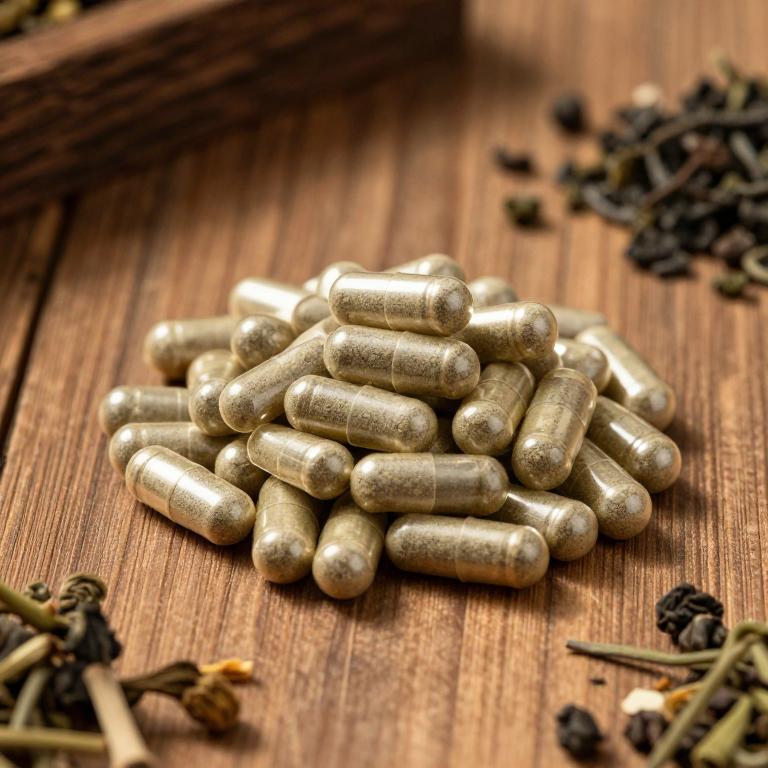
Camellia sinensis, commonly known as the plant from which green and black teas are derived, is often used in herbal capsules for its potential immune-boosting properties.
These capsules are believed to support the body’s natural defenses and may help alleviate some symptoms of the flu due to their high concentration of antioxidants and anti-inflammatory compounds. While they are not a substitute for medical treatment, they can be a complementary option for those seeking natural remedies. The active compounds in Camellia sinensis, such as catechins and polyphenols, may help reduce viral replication and enhance overall immune function.
However, it is important to consult with a healthcare professional before using these capsules, especially for individuals with preexisting health conditions or those taking other medications.
10. St. john's wort (Hypericum perforatum)
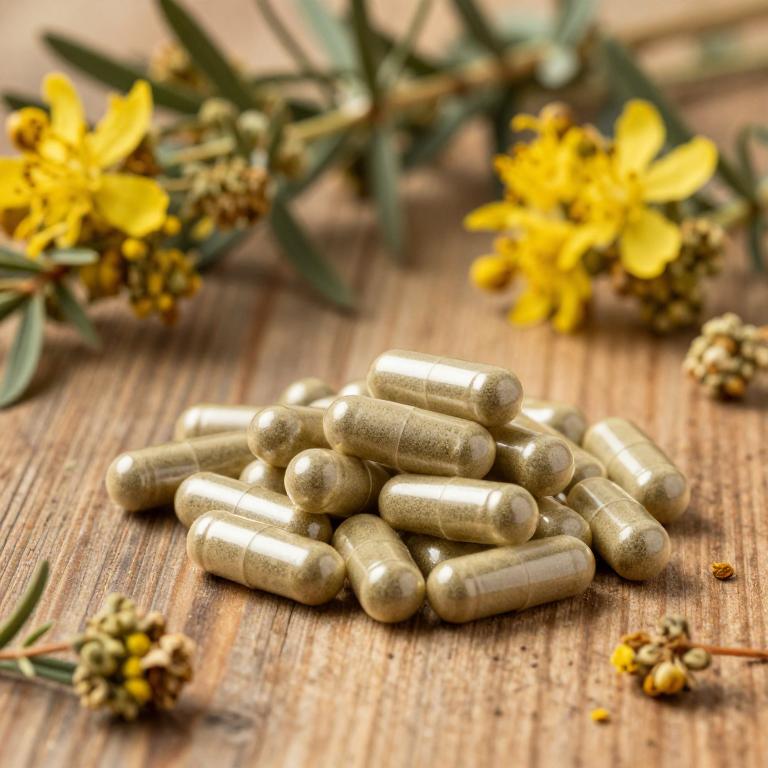
Hypericum perforatum, commonly known as St. John's Wort, is a herbal remedy that has been traditionally used for its potential mood-enhancing and anti-inflammatory properties.
While it is more widely recognized for its use in treating mild to moderate depression, some studies suggest it may also have antiviral and immunomodulatory effects that could support the body during a flu infection. Hypericum perforatum herbal capsules are often used as a complementary therapy to help alleviate symptoms such as fatigue and low mood associated with the flu. However, it is important to note that these capsules should not replace conventional medical treatment for the flu, and individuals should consult with a healthcare provider before use, especially if they are taking other medications.
The efficacy of St. John's Wort for flu specifically remains under investigation, and more research is needed to fully understand its role in supporting immune health during viral infections.