10 Best Herbal Lozenges For Feverish Feeling
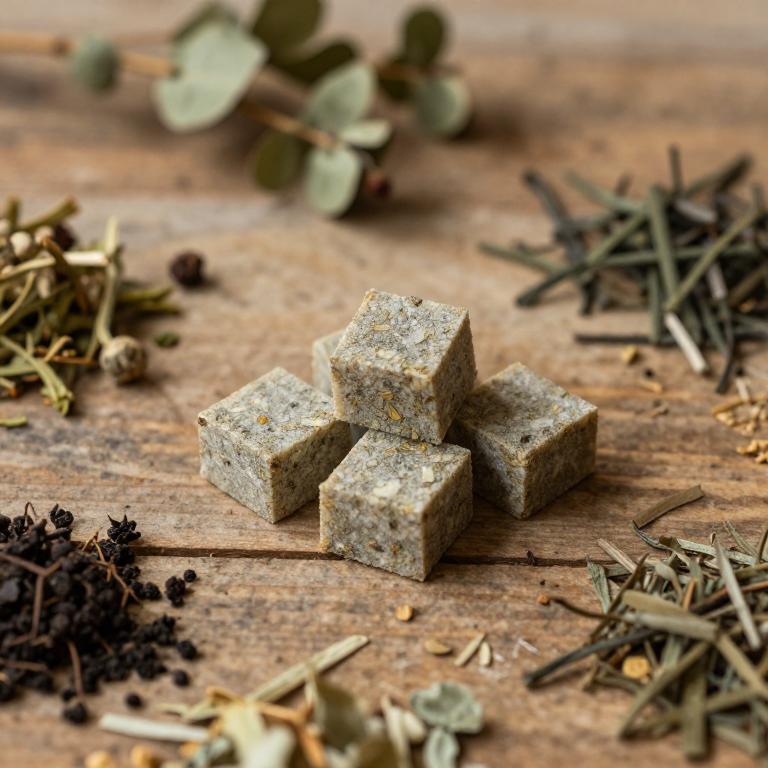
Herbal lozenges are natural remedies designed to alleviate symptoms associated with a feverish feeling, offering a gentler alternative to conventional medications.
These lozenges often contain ingredients like echinacea, ginger, and willow bark, which are known for their anti-inflammatory and fever-reducing properties. They work by soothing the throat, reducing inflammation, and promoting a cooling effect that can help lower body temperature. Many herbal lozenges are free from synthetic additives, making them a preferred choice for individuals seeking natural health solutions.
However, it is important to consult a healthcare professional before using them, especially for children or those with underlying health conditions.
Table of Contents
- 1. Echinacea (Echinacea purpurea)
- 2. Rosemary (Rosmarinus officinalis)
- 3. Ginger (Zingiber officinale)
- 4. Thyme (Thymus vulgaris)
- 5. Peppermint (Mentha piperita)
- 6. Black elderberry (Sambucus nigra)
- 7. Geranium (Pelargonium graveolens)
- 8. Licorice (Glycyrrhiza glabra)
- 9. Salvia (Salvia officinalis)
- 10. Ceylon cinnamon (Cinnamomum verum)
1. Echinacea (Echinacea purpurea)
Echinacea purpurea herbal lozenges are commonly used to alleviate symptoms associated with a feverish feeling, particularly during the early stages of a cold or flu.
These lozenges contain extracts from the purple coneflower, which is known for its immune-boosting properties. The active compounds in echinacea, such as polysaccharides and flavonoids, may help reduce inflammation and support the body's natural defenses. By soothing the throat and reducing mild feverish sensations, these lozenges can provide comfort and relief.
However, it is important to consult a healthcare professional before use, especially for individuals with allergies or chronic conditions.
2. Rosemary (Rosmarinus officinalis)
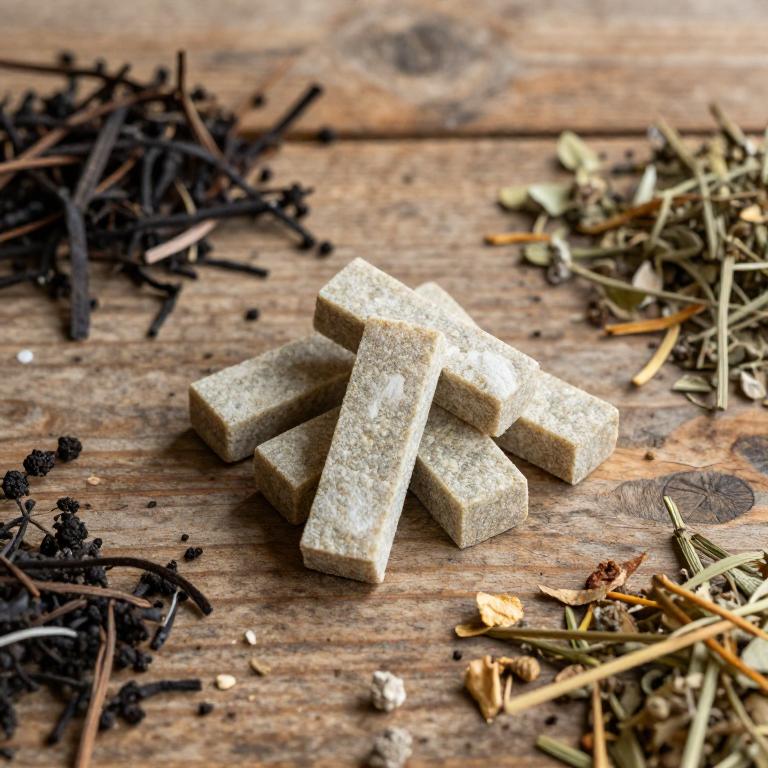
Rosmarinus officinalis, commonly known as rosemary, is a herbal remedy that has been traditionally used for its warming and stimulating properties.
Rosemary lozenges are formulated to help alleviate a feverish feeling by promoting circulation and clearing nasal congestion, which can contribute to a feeling of heat in the body. These lozenges contain essential oils like cineole and camphor, which have antiseptic and decongestant effects, supporting respiratory health. The aromatic compounds in rosemary may also have a calming effect, helping to reduce the discomfort associated with a feverish sensation.
When used as part of a holistic approach, rosemary lozenges can provide natural relief for those experiencing mild feverish symptoms.
3. Ginger (Zingiber officinale)
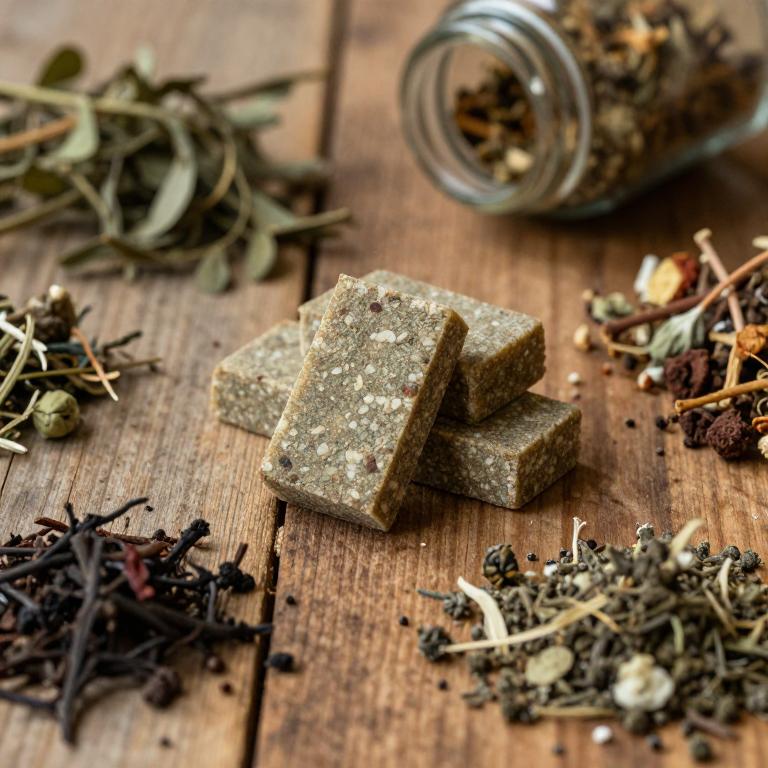
Zingiber officinale, commonly known as ginger, is often used in herbal lozenges to alleviate a feverish feeling due to its natural anti-inflammatory and antipyretic properties.
These lozenges work by soothing the throat and reducing inflammation, which can be particularly comforting when experiencing a feverish sensation. The active compounds in ginger, such as gingerol and shogaol, help promote sweating and reduce body temperature, supporting the body’s natural cooling process. Additionally, the warming effect of ginger can provide a sense of relief and comfort during mild fevers.
While not a substitute for medical treatment, ginger lozenges can be a useful complementary remedy for managing symptoms associated with a feverish feeling.
4. Thyme (Thymus vulgaris)
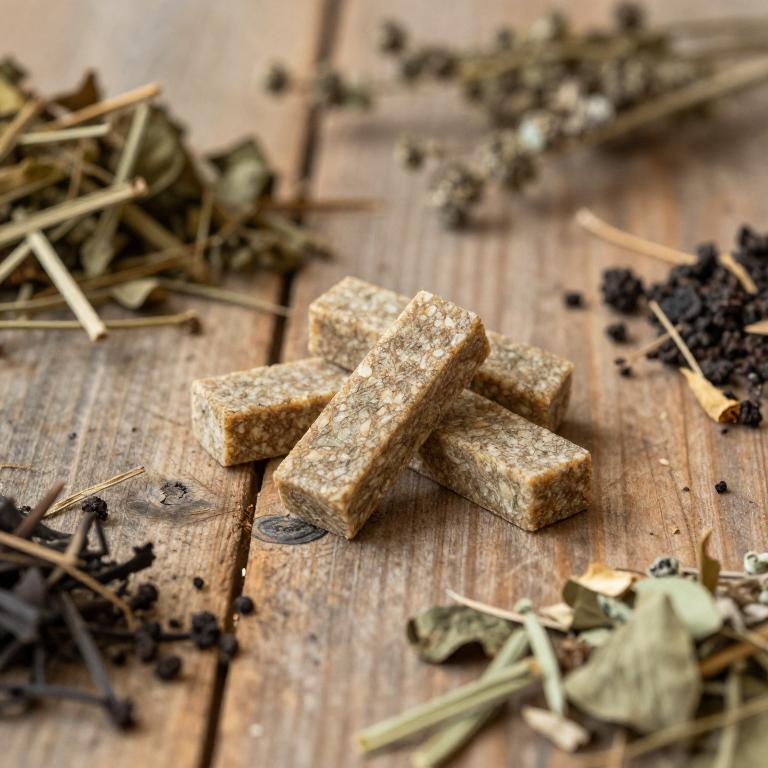
Thymus vulgaris herbal lozenges are formulated with thyme extract, a traditional remedy known for its antimicrobial and anti-inflammatory properties.
These lozenges are often used to alleviate symptoms associated with a feverish feeling, such as sore throat and general discomfort. The active compounds in thyme, including thymol and carvacrol, help to reduce inflammation and support the body's natural defenses. They are typically recommended for mild to moderate cases of feverish sensations, especially when accompanied by respiratory symptoms.
As a natural alternative, thymus vulgaris lozenges offer a soothing effect while promoting overall wellness during minor illnesses.
5. Peppermint (Mentha piperita)
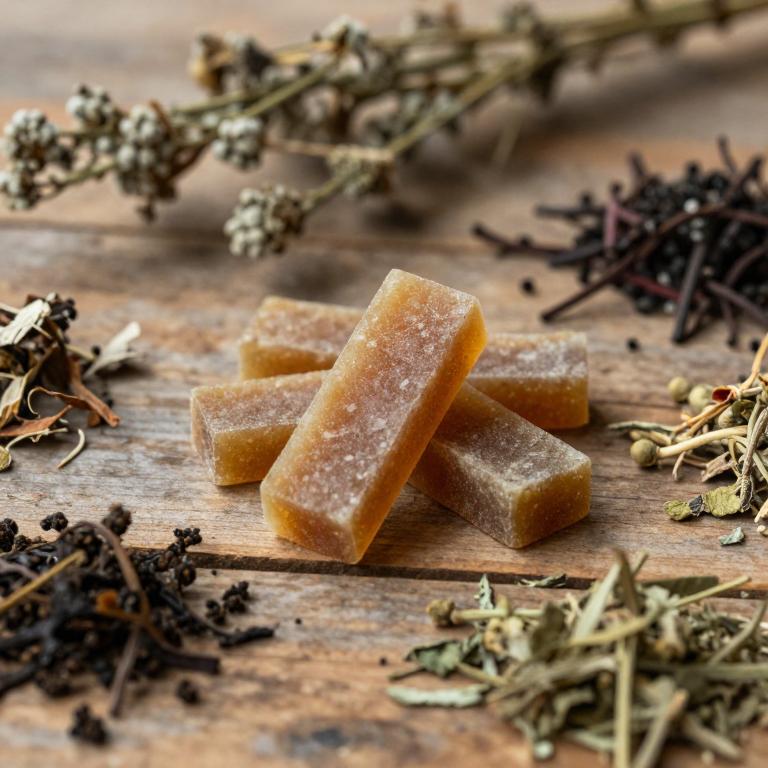
Mentha piperita, commonly known as peppermint, is often used in herbal lozenges to alleviate a feverish feeling due to its cooling and soothing properties.
These lozenges contain menthol, which provides a refreshing sensation that can help reduce the perception of heat and discomfort in the throat. Peppermint is also known for its ability to stimulate saliva production, which can ease dryness and irritation associated with fever. The aromatic qualities of peppermint may help calm the mind and reduce the overall feeling of sickness.
However, it is important to consult a healthcare professional before using peppermint lozenges, especially for individuals with certain medical conditions or allergies.
6. Black elderberry (Sambucus nigra)
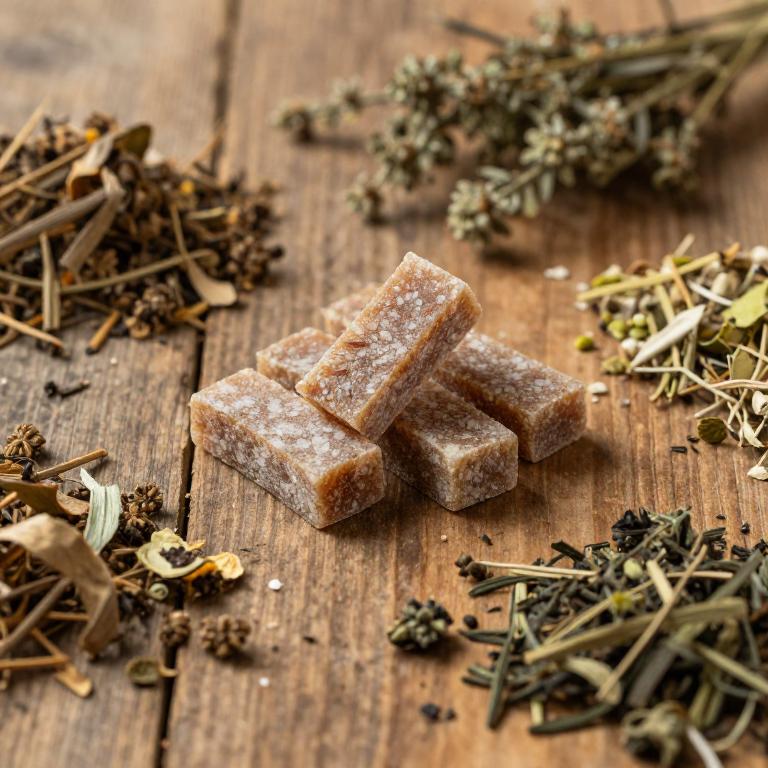
Sambucus nigra, commonly known as the European elderberry, is often used in herbal lozenges to alleviate symptoms associated with a feverish feeling.
These lozenges are traditionally valued for their high concentration of antioxidants and anti-inflammatory compounds, which may help reduce body temperature and ease discomfort. The berries are typically combined with other herbal ingredients to enhance their soothing and immune-supporting properties. Sambucus nigra lozenges are often recommended for mild fevers, sore throats, and respiratory discomfort, particularly during the flu season.
While they are not a substitute for medical treatment, they can serve as a natural complementary remedy to support the body’s recovery process.
7. Geranium (Pelargonium graveolens)
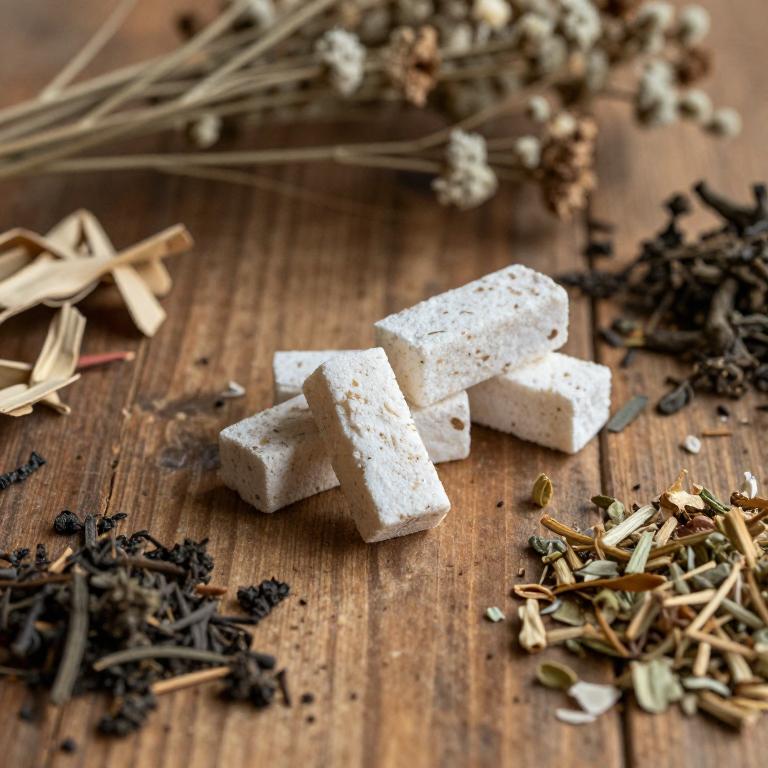
Pelargonium graveolens, commonly known as geranium, is often used in herbal medicine for its potential cooling and antipyretic properties.
Herbal lozenges made from Pelargonium graveolens are designed to provide a soothing effect on the throat and may help alleviate a feverish feeling by promoting a sense of coolness and reducing internal heat. These lozenges are typically prepared using dried leaves and essential oils extracted from the plant, which are known for their aromatic and medicinal qualities. The use of Pelargonium graveolens lozenges is believed to support the body's natural cooling mechanisms and may offer relief from symptoms associated with mild fevers or heat-related discomfort.
However, it is important to consult with a healthcare professional before using these lozenges, especially for individuals with existing health conditions or those taking other medications.
8. Licorice (Glycyrrhiza glabra)
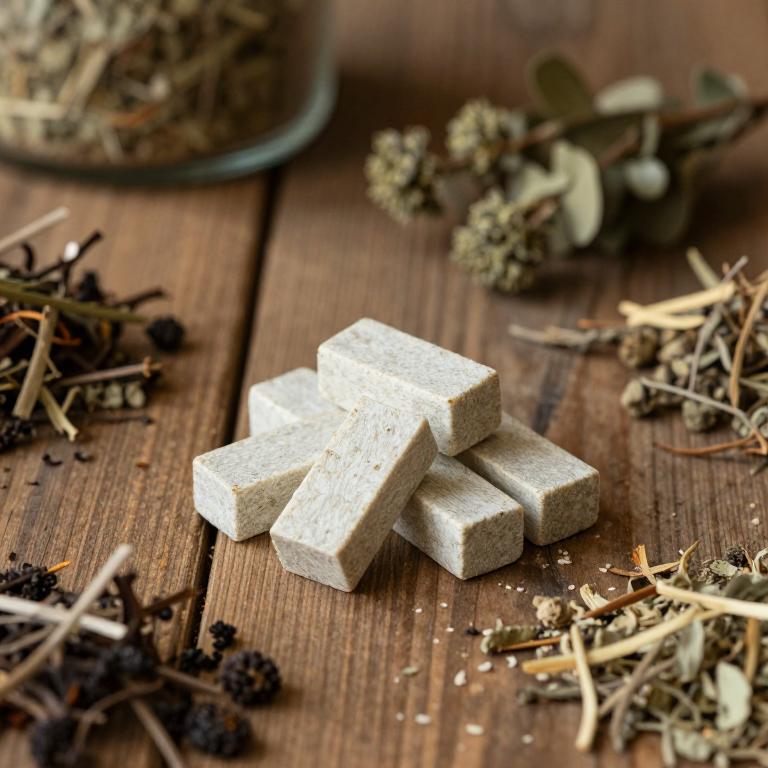
Glycyrrhiza glabra, commonly known as licorice root, is traditionally used in herbal medicine for its soothing and anti-inflammatory properties.
Glycyrrhiza glabra herbal lozenges are formulated to provide relief from a feverish feeling by calming the throat and reducing inflammation. The active compound, glycyrrhizin, has been shown to have antiviral and immunomodulatory effects, which may help in managing symptoms associated with fever. These lozenges are often used as a natural remedy to support the body's recovery during mild infections or inflammatory conditions.
However, long-term use should be monitored due to potential side effects related to cortisol-like effects.
9. Salvia (Salvia officinalis)
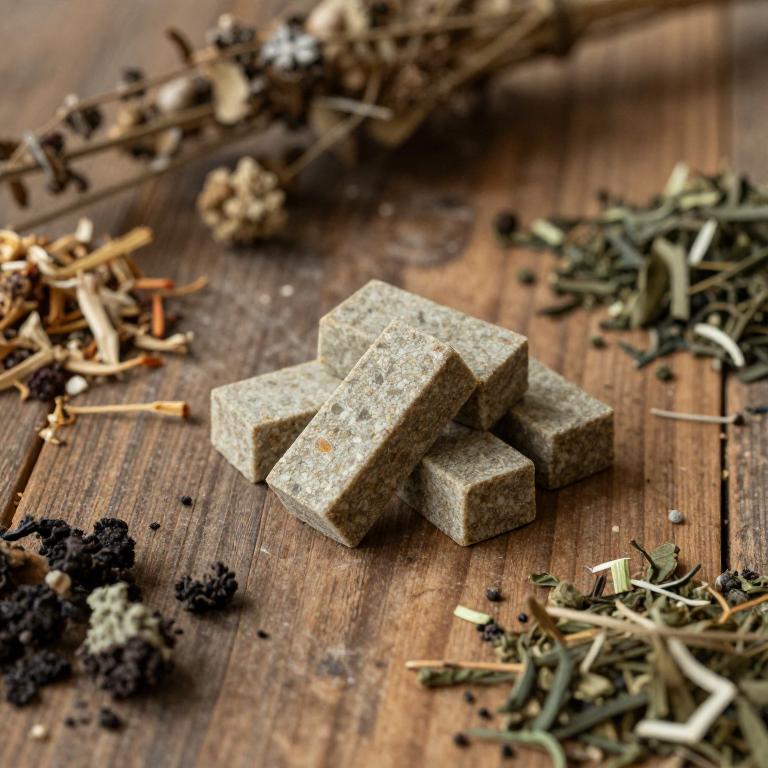
Salvia officinalis, commonly known as sage, has been traditionally used for its soothing and cooling properties, making it a popular ingredient in herbal lozenges designed to alleviate a feverish feeling.
These lozenges are often formulated with a blend of sage extract and other natural ingredients to provide a calming effect on the throat and reduce the sensation of heat. The active compounds in sage, such as flavonoids and essential oils, are believed to help regulate body temperature and ease discomfort associated with a feverish condition. By promoting a sense of coolness and reducing inflammation, sage lozenges offer a natural remedy for those experiencing mild fever symptoms.
They are particularly favored for their gentle yet effective approach to managing discomfort without the use of synthetic medications.
10. Ceylon cinnamon (Cinnamomum verum)
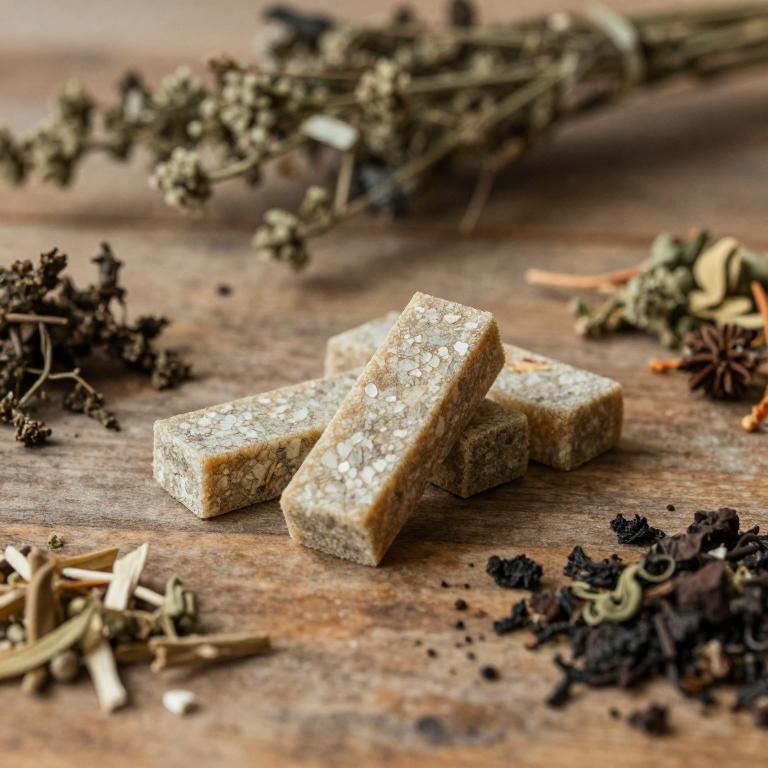
Cinnamomum verum, commonly known as true cinnamon, has been traditionally used in herbal medicine for its warming and soothing properties.
Cinnamon verum herbal lozenges are formulated to alleviate a feverish feeling by promoting perspiration and helping to reduce body temperature. These lozenges contain essential oils and aromatic compounds that can help ease congestion and soothe sore throats often associated with fevers. The natural anti-inflammatory and antiseptic properties of cinnamon may also support the body's natural defenses during mild illnesses.
When used as part of a holistic approach, these lozenges can provide gentle relief and comfort for those experiencing a feverish sensation.