10 Best Herbal Capsules For Feverish Feeling
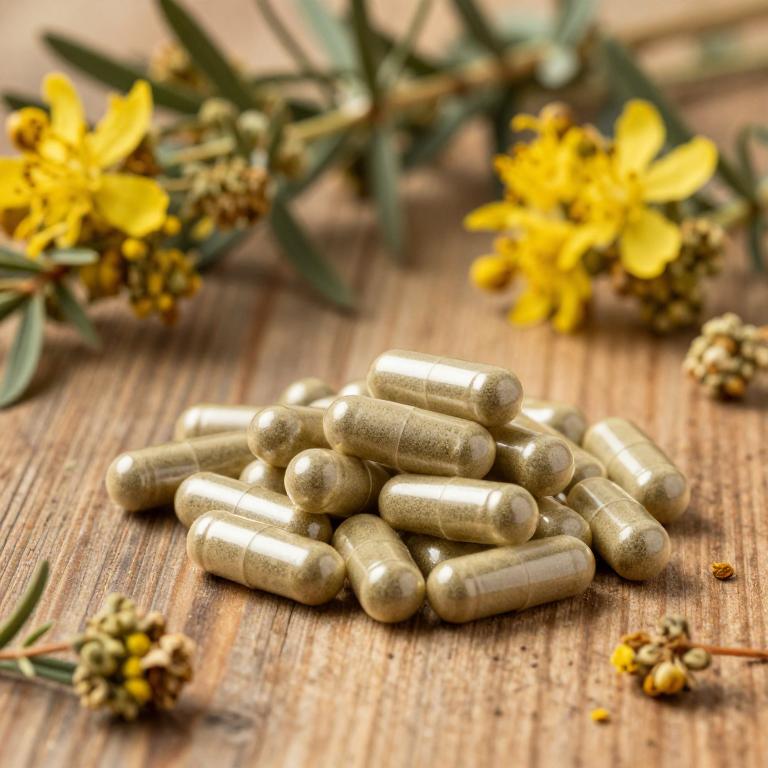
Herbal capsules are a popular natural remedy for alleviating a feverish feeling, often containing ingredients like willow bark, echinacea, and ginger, which are known for their anti-inflammatory and fever-reducing properties.
These capsules are typically made from plant-based extracts and are designed to be easy to swallow and convenient for daily use. Many people prefer herbal capsules over traditional pharmaceuticals due to their perceived gentler effects and fewer side effects. However, it is important to consult a healthcare professional before using them, especially if you have underlying health conditions or are taking other medications.
While they may provide relief for mild symptoms, they are not a substitute for medical treatment in cases of high fever or severe illness.
Table of Contents
- 1. St. john's wort (Hypericum perforatum)
- 2. Echinacea (Echinacea purpurea)
- 3. Black elderberry (Sambucus nigra)
- 4. Ceylon cinnamon (Cinnamomum verum)
- 5. Ginger (Zingiber officinale)
- 6. Chaste tree (Vitex agnus-castus)
- 7. Stinging nettle (Urtica dioica)
- 8. Salvia (Salvia officinalis)
- 9. Thyme (Thymus vulgaris)
- 10. Peppermint (Mentha piperita)
1. St. john's wort (Hypericum perforatum)
Hypericum perforatum, commonly known as St. John's Wort, is traditionally used in herbal medicine for its potential therapeutic effects.
While it is well-known for its use in treating mild to moderate depression, some individuals may experience a feverish feeling as a side effect, particularly when taking herbal capsules. This sensation is often attributed to the herb's anti-inflammatory and antiviral properties, which can influence body temperature regulation. However, it is important to consult a healthcare provider before using hypericum perforatum, especially if you have a history of fever or are taking other medications.
The feverish feeling is usually temporary and may subside as the body adjusts to the herb's active compounds.
2. Echinacea (Echinacea purpurea)
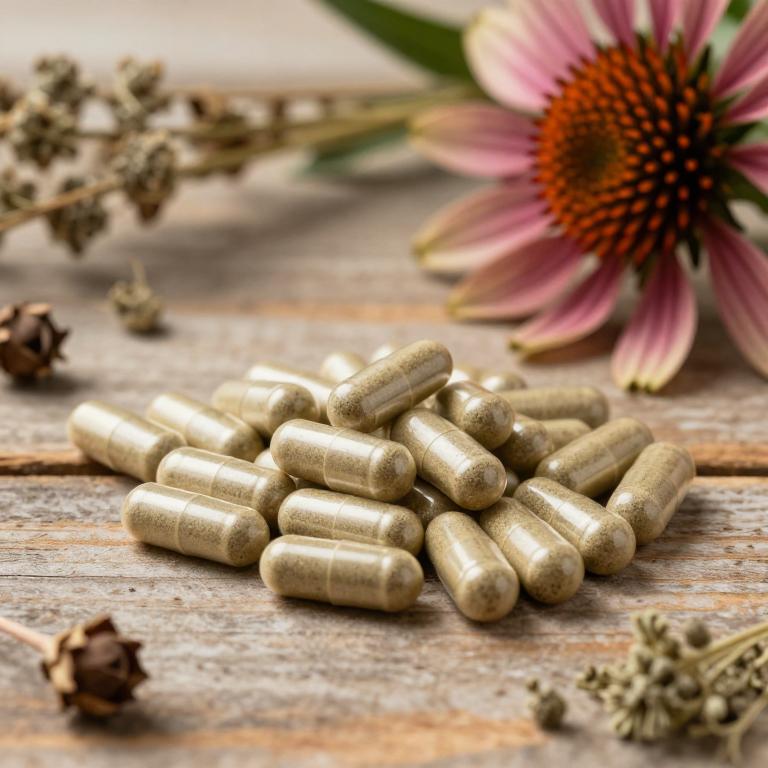
Echinacea purpurea, commonly known as purple coneflower, is a popular herbal remedy often used to support the immune system and alleviate symptoms of mild illnesses.
When taken in the form of herbal capsules, it may help reduce feverish feelings by promoting a natural response to infection and inflammation. Some studies suggest that echinacea can shorten the duration of colds and reduce the severity of symptoms, including those associated with a feverish sensation. However, it is important to note that while echinacea is generally considered safe for short-term use, its effectiveness can vary among individuals.
As with any supplement, it is advisable to consult with a healthcare professional before use, especially for those with allergies or chronic health conditions.
3. Black elderberry (Sambucus nigra)
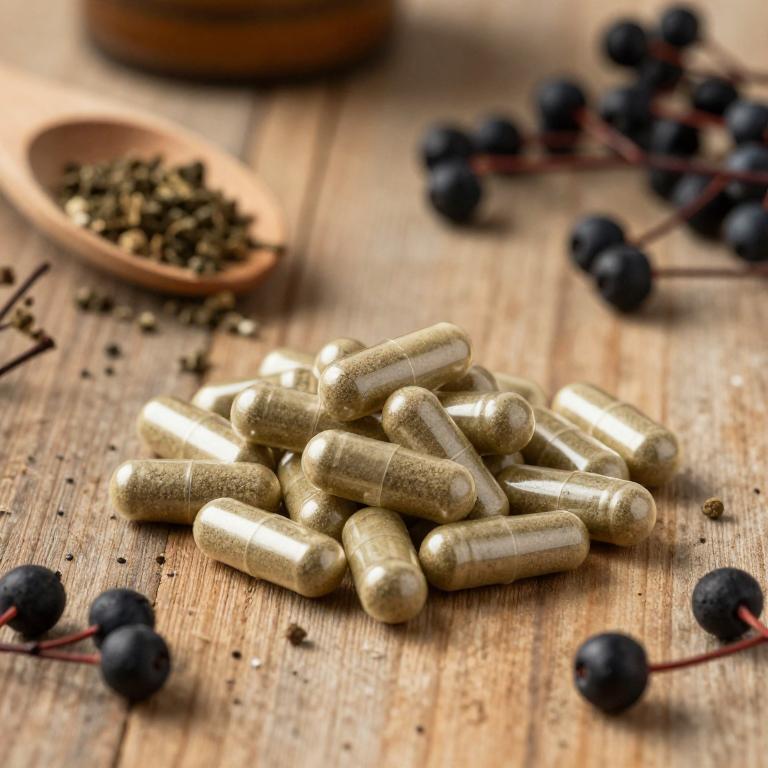
Sambucus nigra, commonly known as elderberry, is often used in herbal formulations to support the immune system and alleviate symptoms associated with colds and flu.
When taken in the form of capsules, Sambucus nigra may help reduce a feverish feeling by its antiviral and anti-inflammatory properties. These capsules are typically standardized to contain a specific amount of anthocyanins, which are powerful antioxidants that may help combat viral infections. They are often recommended as a natural remedy for mild fevers, especially when combined with other immune-boosting herbs.
However, it is important to consult with a healthcare provider before using Sambucus nigra, especially for individuals with chronic conditions or those taking other medications.
4. Ceylon cinnamon (Cinnamomum verum)
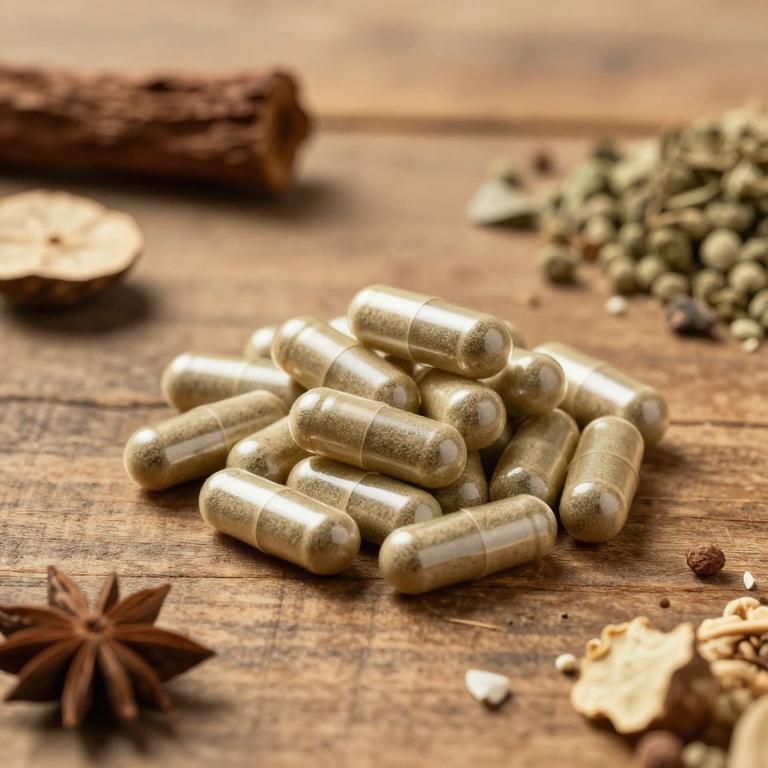
Cinnamomum verum, also known as true cinnamon, is often used in herbal formulations to address symptoms associated with a feverish feeling due to its warming properties and potential anti-inflammatory effects.
The essential oils found in cinnamon, particularly cinnamaldehyde, may help to stimulate circulation and support the body's natural cooling processes. Herbal capsules containing Cinnamomum verum are typically taken orally, often in combination with other herbs to enhance their therapeutic effects. While it may provide temporary relief from a mild feverish sensation, it is important to consult a healthcare professional for persistent or high fever symptoms.
As a complementary remedy, cinnamon capsules can be part of a holistic approach to managing mild discomfort associated with fever.
5. Ginger (Zingiber officinale)
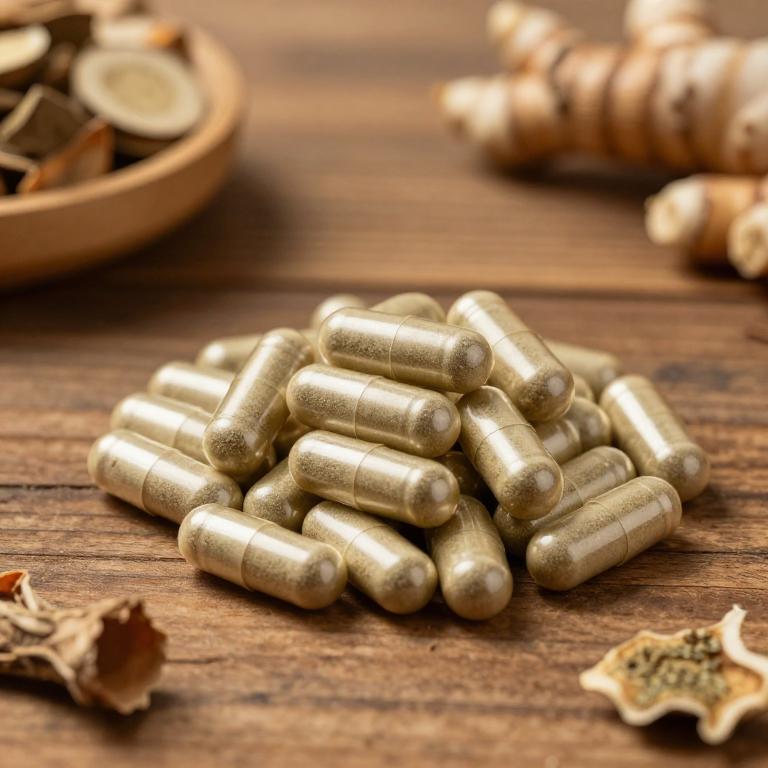
Zingiber officinale, commonly known as ginger, has been traditionally used for its warming properties and is often employed in herbal formulations to address a feverish feeling.
These herbal capsules typically contain concentrated ginger extract, which is believed to help reduce internal heat and promote a sense of coolness in the body. The active compounds in ginger, such as gingerol and shogaol, may contribute to its thermoregulatory effects by influencing metabolic processes and blood circulation. While ginger is generally considered safe for most individuals, it is advisable to consult a healthcare professional before use, especially for those with existing health conditions or taking medications.
Overall, zingiber officinale herbal capsules may offer a natural approach to alleviating a feverish sensation, though they should not replace medical advice or treatment.
6. Chaste tree (Vitex agnus-castus)
Vitex agnus-castus, commonly known as chaste tree, is a traditional herbal remedy that has been used for centuries to support hormonal balance and alleviate various symptoms, including a feverish feeling.
The herbal capsules containing vitex agnus-castus are typically standardized to ensure a consistent concentration of active compounds, such as flavonoids and essential oils. These capsules are often recommended for individuals experiencing hormonal fluctuations, which can manifest as a persistent feverish sensation, particularly during menstrual cycles or menopause. While not a substitute for medical treatment, vitex agnus-castus may help reduce internal heat and promote a sense of calm by regulating the hypothalamus and pituitary gland.
As with any herbal supplement, it is advisable to consult with a healthcare professional before use, especially for those with pre-existing conditions or taking other medications.
7. Stinging nettle (Urtica dioica)
Urtica dioica, commonly known as stinging nettle, is often used in herbal medicine for its potential health benefits, including its ability to alleviate feverish feelings.
The capsules are made from the dried leaves and stems of the plant, which are rich in nutrients such as vitamins, minerals, and antioxidants. These herbal capsules may help reduce internal heat and inflammation, supporting the body's natural cooling mechanisms. They are typically used as a natural remedy for mild fevers, particularly in cases where the body is struggling to regulate its temperature.
However, it is important to consult a healthcare professional before using urtica dioica capsules, especially for prolonged periods or in combination with other medications.
8. Salvia (Salvia officinalis)
Salvia officinalis, commonly known as sage, has been traditionally used for its potential health benefits, including its effects on feverish feelings.
Herbal capsules containing salvia officinalis are often used to support the body's natural cooling processes and may help alleviate symptoms associated with mild fevers. The plant contains compounds such as flavonoids and terpenes, which are believed to have anti-inflammatory and antioxidant properties. While not a substitute for medical treatment, these capsules may offer supportive relief when used as part of a holistic approach to managing feverish conditions.
It is important to consult with a healthcare professional before using sage supplements, especially for prolonged or severe symptoms.
9. Thyme (Thymus vulgaris)
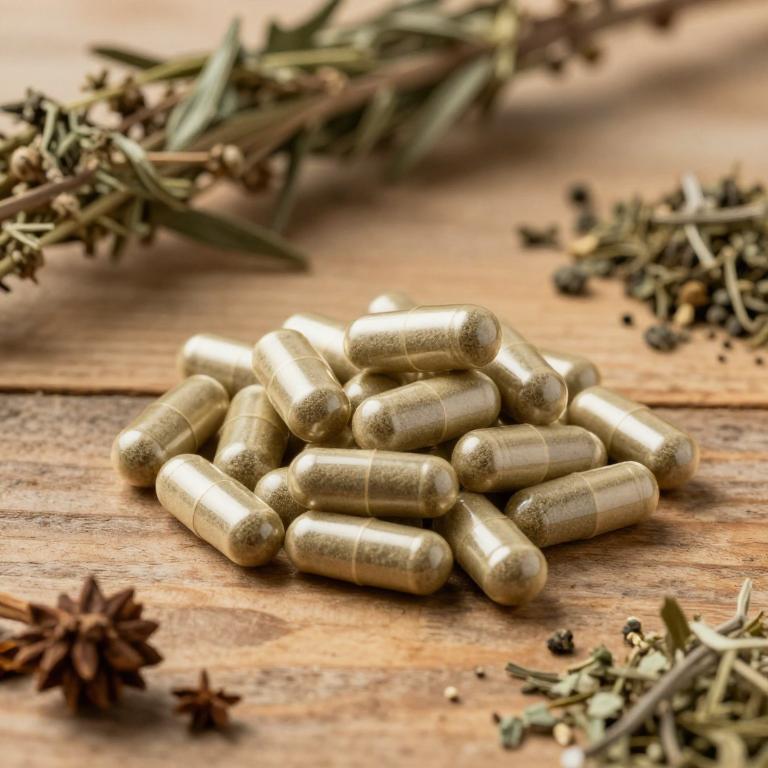
Thymus vulgaris, commonly known as thyme, is a herb often used in herbal medicine for its potential health benefits, including its ability to alleviate a feverish feeling.
Thymus vulgaris herbal capsules are formulated to support the body's natural defenses and may help reduce symptoms associated with mild fevers by promoting sweating and improving circulation. These capsules are typically made from standardized extracts of the herb, ensuring consistent potency and efficacy. They are often recommended as a natural alternative to conventional fever remedies, though they should not replace professional medical advice.
When taken as directed, thymus vulgaris capsules may provide gentle relief and support the body's recovery process during periods of mild fever.
10. Peppermint (Mentha piperita)
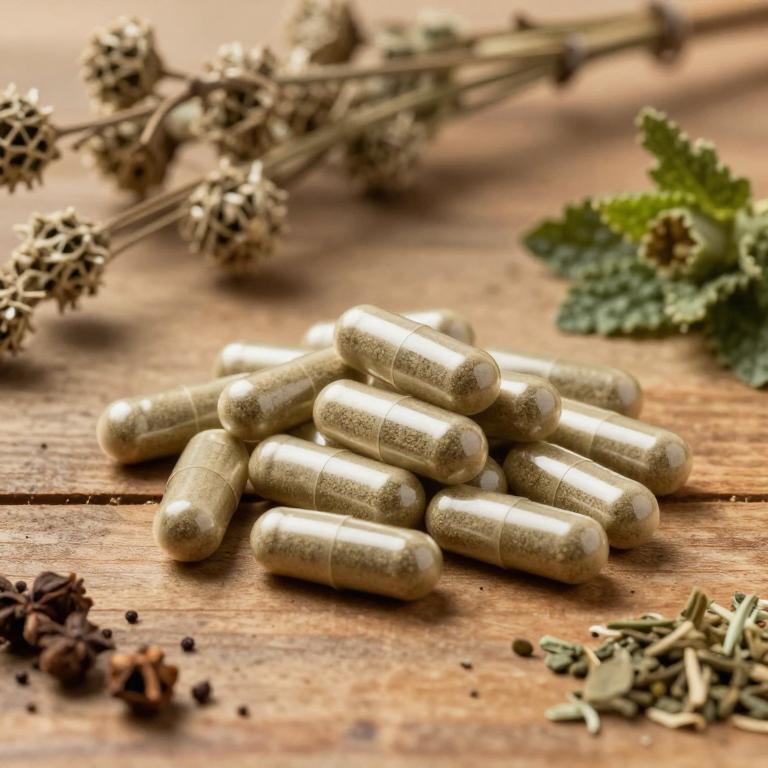
Mentha piperita, commonly known as peppermint, is often used in herbal formulations to help alleviate a feverish feeling due to its cooling and decongestant properties.
The essential oils in peppermint, particularly menthol, can provide a soothing effect on the body, helping to reduce the sensation of heat and discomfort associated with fever. Herbal capsules containing mentha piperita are typically made from dried leaves and are designed for easy consumption and consistent dosing. These capsules are often recommended as a natural remedy for mild fevers, especially when accompanied by symptoms like headaches or nasal congestion.
However, it is important to consult with a healthcare professional before using peppermint capsules, especially for children, pregnant women, or individuals with certain medical conditions.