10 Best Herbal Tinctures For Fatigue
Herbal tinctures for fatigue are concentrated liquid extracts made by soaking herbs in alcohol or glycerin, which helps preserve their active compounds.
These tinctures are often used to support energy levels and combat tiredness by leveraging the natural properties of herbs like ginseng, ashwagandha, and rhodiola. They are popular for their ease of use and ability to be customized to individual needs, making them a versatile option in natural health practices. Many people find them beneficial for managing chronic fatigue or enhancing overall vitality.
However, it's important to consult with a healthcare professional before use, especially if you have existing health conditions or are taking other medications.
Table of Contents
- 1. Golden root (Rhodiola rosea)
- 2. Ashwagandha (Withania somnifera)
- 3. Panax ginseng (Panax ginseng)
- 4. Heartworts (Leonurus cardiaca)
- 5. Ginkgo (Ginkgo biloba)
- 6. Chaste tree (Vitex agnus-castus)
- 7. Echinacea (Echinacea purpurea)
- 8. Stinging nettle (Urtica dioica)
- 9. Valerian (Valeriana officinalis)
- 10. St. john's wort (Hypericum perforatum)
1. Golden root (Rhodiola rosea)
Rhodiola rosea, also known as the "golden root," is a powerful adaptogenic herb that has been used for centuries in traditional medicine to combat fatigue and enhance physical and mental performance.
Rhodiola rosea herbal tinctures are concentrated liquid extracts made by soaking the dried root in alcohol, which helps preserve the active compounds and enhance bioavailability. These tinctures are commonly used to reduce feelings of exhaustion, increase energy levels, and improve resistance to stress. They are particularly beneficial for individuals experiencing chronic fatigue, burnout, or those looking to boost their overall vitality.
Due to their natural composition and wide range of benefits, rhodiola rosea tinctures have gained popularity as a complementary remedy for managing fatigue in modern wellness practices.
2. Ashwagandha (Withania somnifera)
Withania somnifera, commonly known as ashwagandha, is an adaptogenic herb widely used in Ayurvedic medicine for its ability to reduce stress and fatigue.
Herbal tinctures made from Withania somnifera are concentrated extracts that can be easily absorbed by the body, making them a convenient form of supplementation. These tinctures are believed to support energy levels by balancing the body's stress response and enhancing overall vitality. Research suggests that the active compounds in ashwagandha, such as withanolides, may help improve physical endurance and reduce feelings of exhaustion.
As a natural remedy, Withania somnifera tinctures are often recommended for individuals seeking to manage chronic fatigue without the side effects of conventional stimulants.
3. Panax ginseng (Panax ginseng)
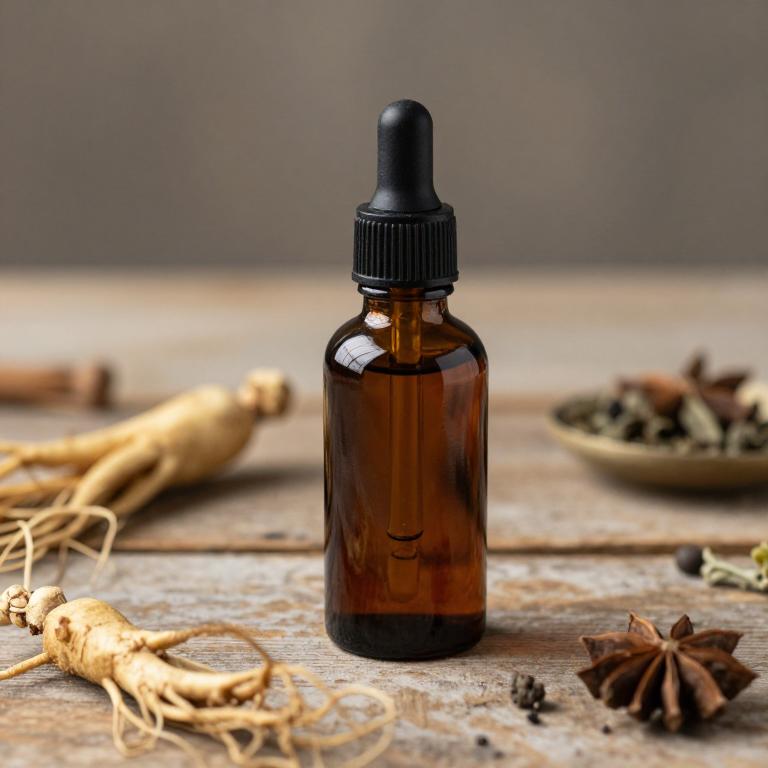
Panax ginseng herbal tinctures are widely used traditional remedies derived from the roots of the Panax ginseng plant, which is native to East Asia.
These tinctures are known for their adaptogenic properties, helping the body manage stress and enhance energy levels. They are commonly used to combat fatigue by improving mental clarity, boosting stamina, and supporting overall vitality. The active compounds, such as ginsenosides, are believed to interact with the body's hormonal systems to regulate energy production.
When used as part of a holistic approach, Panax ginseng tinctures may offer a natural and effective way to alleviate chronic fatigue and improve daily functioning.
4. Heartworts (Leonurus cardiaca)
Leonurus cardiaca, commonly known as heart herb or redweed, has been traditionally used in herbal medicine for its potential to alleviate fatigue and boost energy levels.
The plant contains various bioactive compounds, including flavonoids and tannins, which may support cardiovascular health and enhance stamina. Herbal tinctures made from Leonurus cardiaca are often prepared by soaking the dried plant material in alcohol to extract its active constituents. These tinctures are typically taken in small doses, either directly or diluted in water, to help combat exhaustion and promote overall vitality.
While more research is needed, many herbal practitioners recommend Leonurus cardiaca tinctures as a natural remedy for mild fatigue and energy support.
5. Ginkgo (Ginkgo biloba)
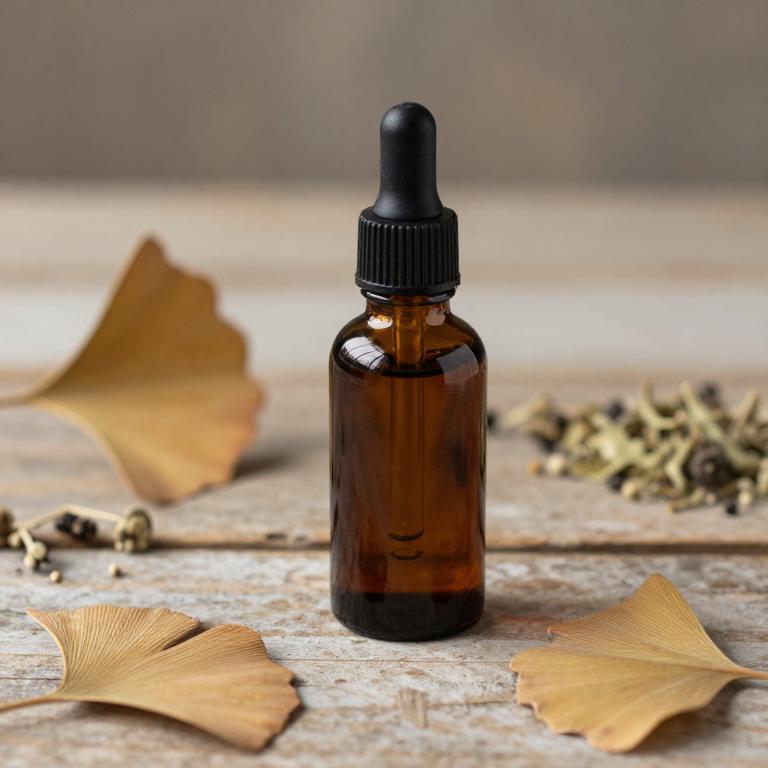
Ginkgo biloba herbal tinctures are derived from the leaves of the ancient ginkgo tree, known for their rich content of flavonoids and terpenoids, which are believed to support cognitive function and improve blood circulation.
These tinctures are commonly used to help alleviate symptoms of fatigue by enhancing oxygen delivery to the body's tissues and promoting mental clarity. Many people turn to ginkgo biloba tinctures as a natural remedy for both physical and mental exhaustion, particularly in cases of chronic fatigue or stress-related weariness. The tincture form allows for convenient and consistent dosing, making it a popular choice for those seeking herbal support for energy levels.
However, it is important to consult with a healthcare professional before use, especially for individuals with existing medical conditions or those taking other medications.
6. Chaste tree (Vitex agnus-castus)
Vitex agnus-castus, commonly known as chaste tree, has been traditionally used in herbal medicine to support hormonal balance and alleviate symptoms of fatigue.
Its tincture form is often prepared using alcohol to extract the active compounds, such as flavonoids and essential oils, which are believed to influence the hypothalamus and pituitary gland. Herbal tinctures of Vitex agnus-castus are typically taken in small doses, usually 20-40 drops daily, and are often recommended for women experiencing hormonal imbalances that contribute to exhaustion. While research on its efficacy for fatigue is limited, many practitioners suggest it as a complementary therapy for stress-related fatigue.
As with any herbal remedy, it is important to consult with a healthcare provider before use, especially for those with existing medical conditions or taking other medications.
7. Echinacea (Echinacea purpurea)
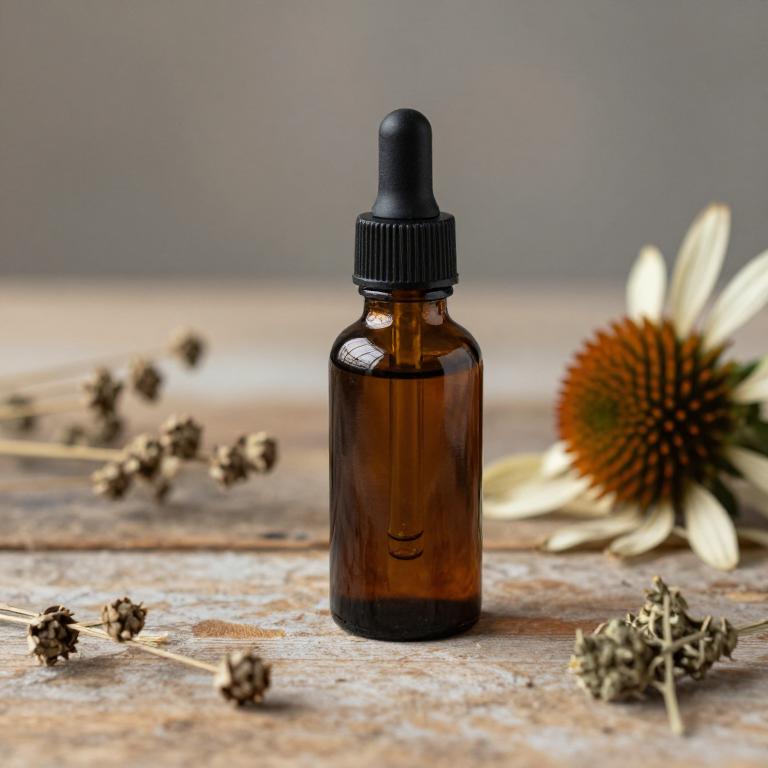
Echinacea purpurea, commonly known as purple coneflower, is a popular herbal remedy that has been traditionally used to support immune function and alleviate fatigue.
Echinacea purpurea herbal tinctures are concentrated extracts made by soaking the dried plant material in alcohol, which helps preserve the active compounds. These tinctures are often used to boost energy levels and combat feelings of exhaustion, particularly during periods of stress or illness. The active components in echinacea, such as alkamides, caffeic acid derivatives, and polysaccharides, are believed to enhance immune response and reduce fatigue.
While more research is needed, many individuals report improved vitality and reduced fatigue when using echinacea purpurea tinctures as part of a holistic health regimen.
8. Stinging nettle (Urtica dioica)
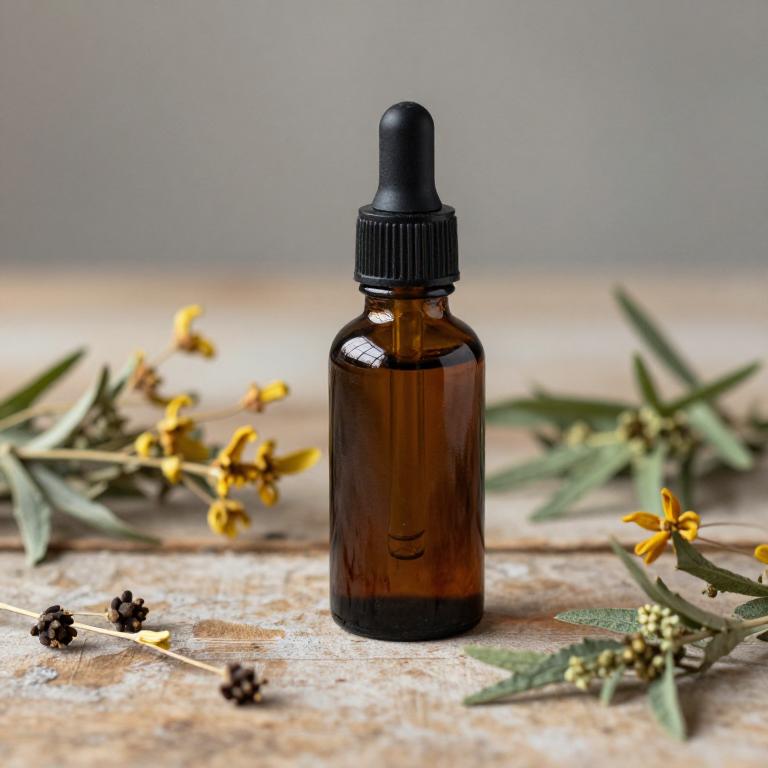
Urtica dioica, commonly known as stinging nettle, has been traditionally used in herbal medicine to support energy levels and combat fatigue.
Its tincture form is made by steeping the dried leaves in alcohol, allowing the active compounds such as flavonoids, vitamins, and minerals to be extracted. This herbal tincture is believed to help improve circulation, reduce inflammation, and enhance overall vitality. Many people use it as a natural remedy to boost energy and alleviate feelings of exhaustion.
However, it is important to consult with a healthcare professional before use, especially for those with allergies or existing health conditions.
9. Valerian (Valeriana officinalis)
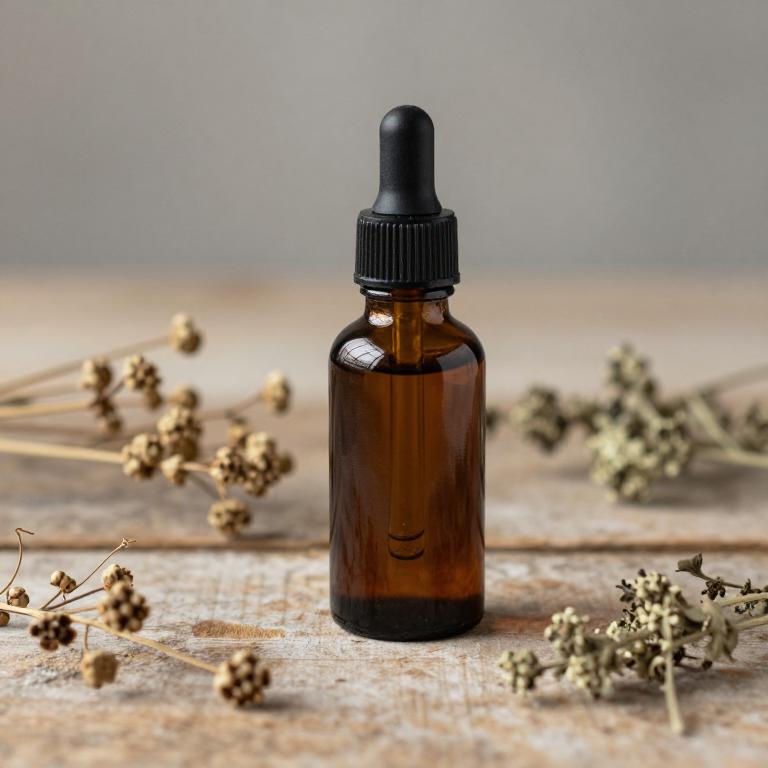
Valeriana officinalis, commonly known as valerian, is a traditional herbal remedy that has been used for centuries to address fatigue and promote relaxation.
Its root contains compounds such as valerenic acid and volatile oils, which are believed to interact with the central nervous system to reduce stress and enhance energy levels. Valerian tinctures are often used as a natural alternative to pharmaceutical sedatives, offering a calming effect without the drowsiness associated with some sleep aids. When taken in appropriate doses, valerian tinctures may help alleviate mental fatigue and improve overall well-being.
However, it is important to consult with a healthcare professional before use, especially for individuals with existing health conditions or those taking other medications.
10. St. john's wort (Hypericum perforatum)
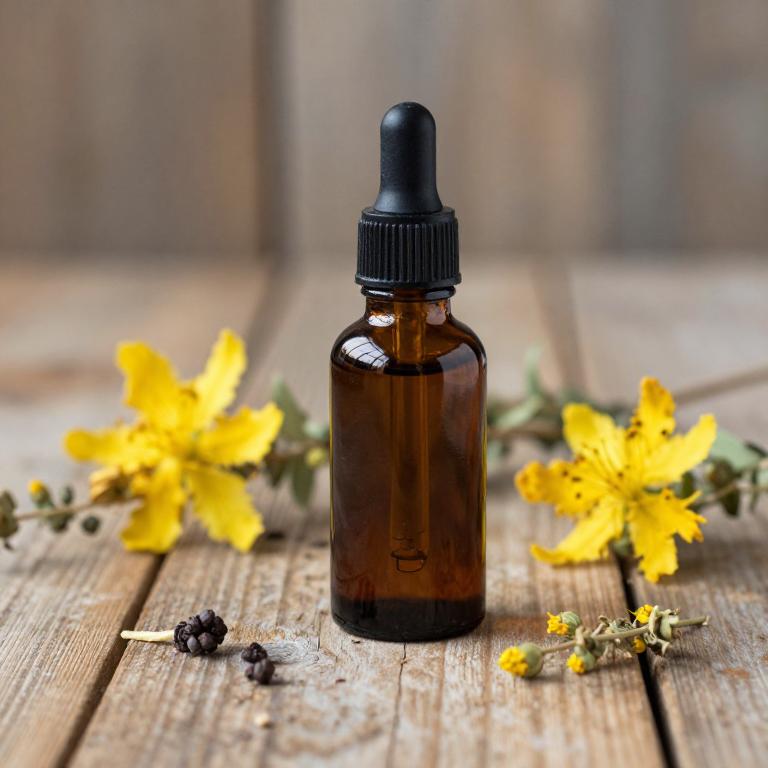
Hypericum perforatum, commonly known as St. John's Wort, is a traditional herbal remedy that has been used for centuries to support mental and physical well-being.
Its tincture form is particularly popular for its potential to alleviate symptoms of fatigue by enhancing mood and energy levels. The active compounds in St. John's Wort, such as hypericin and hyperforin, are believed to influence neurotransmitter activity in the brain, which may help reduce feelings of exhaustion. When used as a tincture, it is typically taken in small doses, often under the guidance of a healthcare professional, to ensure safety and effectiveness.
While some studies suggest its benefits for mild to moderate fatigue, it is important to note that it may interact with certain medications, so consulting a healthcare provider is recommended before use.