10 Best Herbal Syrups For Fatigue
Herbal syrups for fatigue are natural remedies that blend various herbs with sweeteners to provide energy and alleviate tiredness.
Common ingredients include ginseng, ashwagandha, and rhodiola rosea, which are known for their adaptogenic properties that help the body manage stress and boost stamina. These syrups are often used to support mental clarity, enhance physical endurance, and improve overall vitality. They are particularly popular among individuals seeking alternative or complementary treatments for chronic fatigue.
When used as part of a balanced lifestyle, herbal syrups can offer a gentle and effective way to combat fatigue without the side effects associated with stimulants.
Table of Contents
- 1. Golden root (Rhodiola rosea)
- 2. Ashwagandha (Withania somnifera)
- 3. Panax ginseng (Panax ginseng)
- 4. Ginkgo (Ginkgo biloba)
- 5. Chaste tree (Vitex agnus-castus)
- 6. Echinacea (Echinacea purpurea)
- 7. St. john's wort (Hypericum perforatum)
- 8. Blessed thistle (Cnicus benedictus)
- 9. Heartworts (Leonurus cardiaca)
- 10. Salvia (Salvia officinalis)
1. Golden root (Rhodiola rosea)
Rhodiola rosea, also known as the "golden root," is a powerful adaptogenic herb that has been traditionally used to combat fatigue and enhance physical and mental performance.
Herbal syrups containing rhodiola rosea are gaining popularity as natural supplements to support energy levels and reduce exhaustion, particularly in individuals experiencing chronic fatigue or stress. These syrups are typically made by extracting the active compounds from the plant's roots and dissolving them in a sweetened liquid for easy consumption. Clinical studies suggest that rhodiola rosea may help improve stamina, reduce mental fatigue, and enhance overall well-being by supporting the body's ability to cope with stress.
As a natural alternative to stimulants, rhodiola rosea syrups offer a gentle and sustainable way to boost energy without the jitters or crashes associated with caffeine or other artificial stimulants.
2. Ashwagandha (Withania somnifera)
Withania somnifera, commonly known as ashwagandha, is a traditional Ayurvedic herb that has gained popularity for its adaptogenic properties, which help the body manage stress and fatigue.
Herbal syrups made from Withania somnifera are often used to support energy levels and reduce mental and physical exhaustion, making them a popular natural remedy for fatigue. These syrups are typically formulated with other herbs and natural ingredients to enhance their efficacy and improve taste for easier consumption. Clinical studies suggest that ashwagandha may help regulate cortisol levels, thereby reducing the negative effects of chronic stress that contribute to fatigue.
As a result, Withania somnifera herbal syrups are increasingly being recommended as a complementary therapy for individuals seeking natural support for fatigue management.
3. Panax ginseng (Panax ginseng)

Panax ginseng herbal syrups are traditionally used to combat fatigue and enhance overall vitality by stimulating the central nervous system and improving energy levels.
These syrups contain standardized extracts of Panax ginseng, which are rich in ginsenosides, the active compounds responsible for their adaptogenic properties. Regular consumption of Panax ginseng syrup may help reduce mental and physical exhaustion, making it a popular remedy in traditional medicine. However, it is important to consult a healthcare provider before use, especially for individuals with pre-existing medical conditions or those taking other medications.
Overall, Panax ginseng herbal syrups offer a natural approach to managing fatigue and supporting energy balance.
4. Ginkgo (Ginkgo biloba)
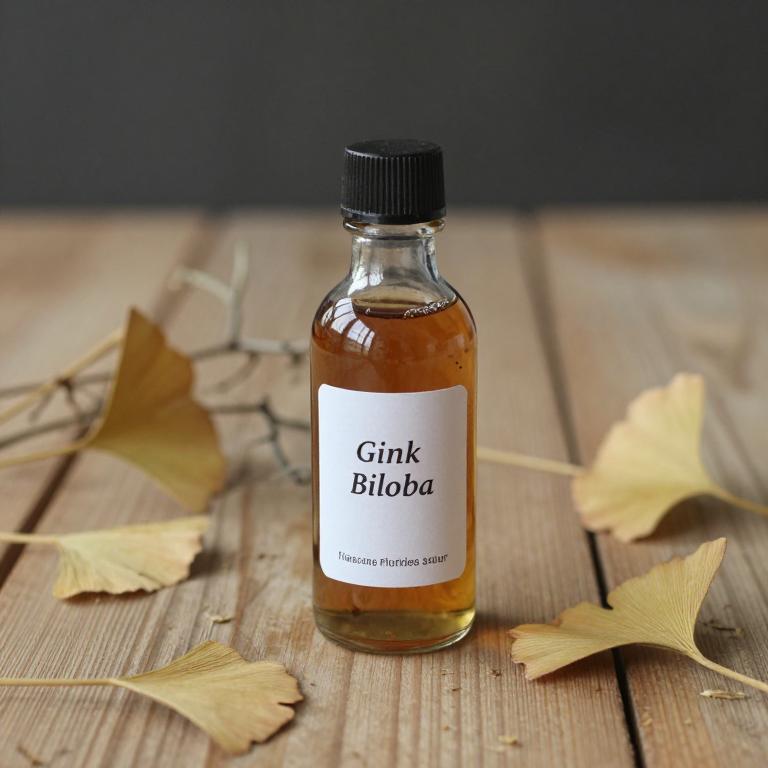
Ginkgo biloba herbal syrups are traditionally used to support cognitive function and alleviate symptoms of fatigue due to their rich content of antioxidants and flavonoids.
These compounds are believed to enhance blood circulation and improve oxygen delivery to the brain and muscles, which can help reduce mental and physical exhaustion. Ginkgo biloba syrups are often formulated with other herbal ingredients to provide a more comprehensive approach to energy support. They are typically available in natural, sugar-free versions to accommodate a wide range of dietary preferences.
As with any herbal supplement, it is advisable to consult a healthcare professional before use, especially for individuals with existing health conditions or those taking other medications.
5. Chaste tree (Vitex agnus-castus)
Vitex agnus-castus, commonly known as chasteberry, has been traditionally used to support hormonal balance and alleviate symptoms of fatigue.
Herbal syrups made from vitex are often formulated to promote adrenal function and reduce exhaustion, particularly in individuals experiencing stress-related fatigue. These syrups are typically made by extracting the dried berries with alcohol or glycerin, resulting in a concentrated, easy-to-consume form. Vitex agnus-castus is believed to help regulate the hypothalamic-pituitary-adrenal (HPA) axis, which plays a key role in managing energy levels and stress response.
While generally considered safe, it is advisable to consult a healthcare professional before use, especially for those with existing health conditions or taking other medications.
6. Echinacea (Echinacea purpurea)
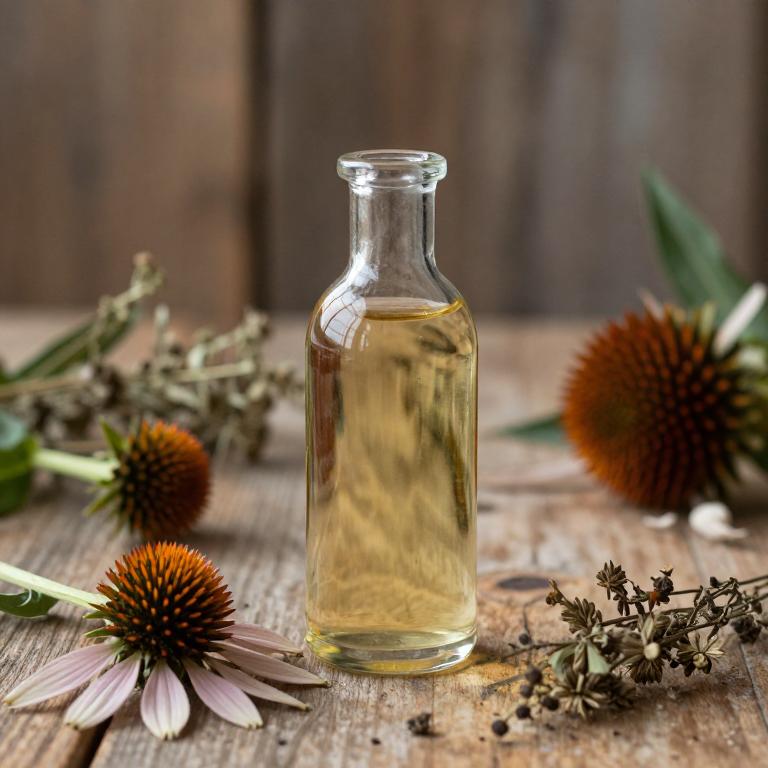
Echinacea purpurea, commonly known as purple coneflower, is a popular herbal remedy traditionally used to support immune function and alleviate fatigue.
When formulated into a herbal syrup, echinacea purpurea may help boost energy levels by promoting overall vitality and reducing feelings of exhaustion. This natural syrup is often made from the dried flowers and roots of the plant, which are rich in antioxidants and anti-inflammatory compounds. Many people use echinacea syrups during periods of stress or illness when fatigue is more pronounced.
However, it is important to consult with a healthcare provider before using echinacea, especially for individuals with allergies or those taking other medications.
7. St. john's wort (Hypericum perforatum)
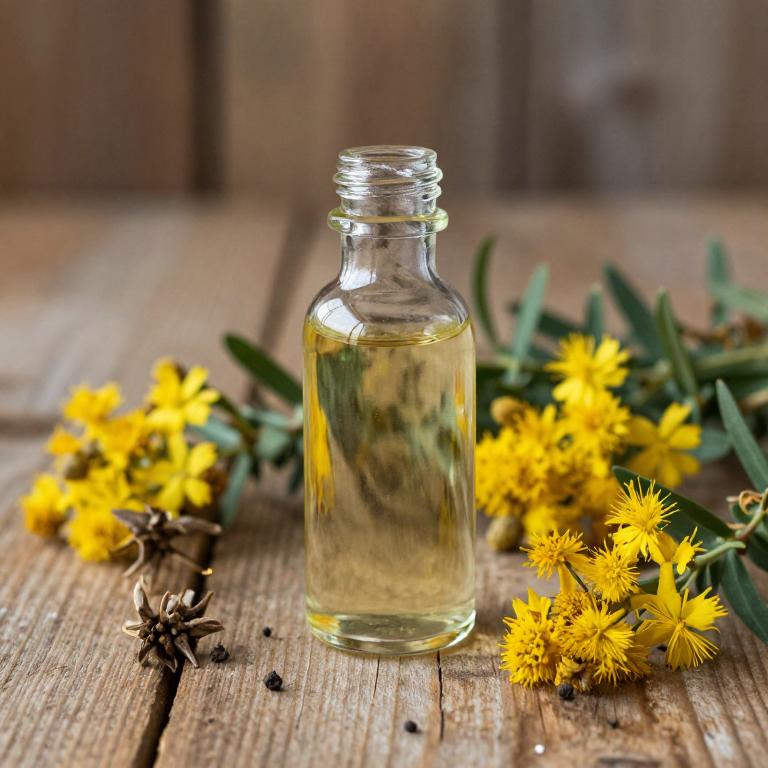
Hypericum perforatum, commonly known as St. John’s wort, is a traditional herbal remedy that has been used for centuries to support mental and physical well-being.
Herbal syrups made from Hypericum perforatum are often used to help alleviate symptoms of fatigue by promoting a sense of calm and improving mood. These syrups are typically prepared by steeping the dried herb in alcohol or glycerin, creating a concentrated form that can be easily absorbed by the body. The active compounds in Hypericum perforatum, such as hypericin and hyperforin, are believed to influence neurotransmitter levels, which may contribute to its energizing and mood-enhancing effects.
While generally considered safe for short-term use, it is important to consult a healthcare professional before using St. John’s wort, as it can interact with certain medications.
8. Blessed thistle (Cnicus benedictus)
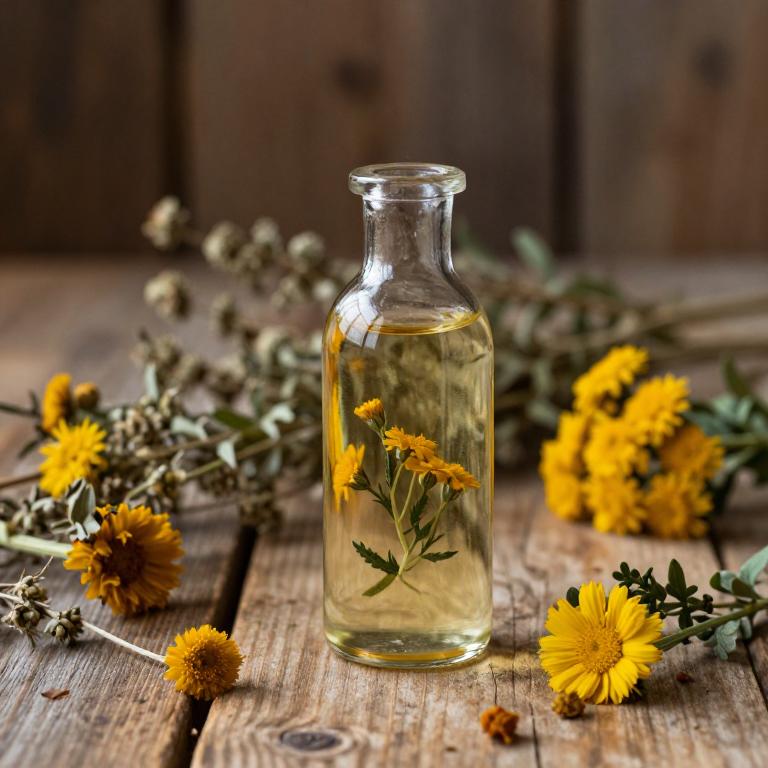
Cnicus benedictus, also known as blessed thorn, is a lesser-known herb that has been traditionally used for its potential health benefits, including its role in combating fatigue.
Herbal syrups made from Cnicus benedictus are believed to support energy levels by enhancing metabolic processes and improving overall vitality. These syrups are often prepared by combining the dried leaves and flowers of the plant with honey or other natural sweeteners to create a palatable and nourishing tonic. While scientific research on Cnicus benedictus is limited, historical and traditional use suggests it may aid in reducing exhaustion and boosting stamina.
As with any herbal remedy, it is advisable to consult a healthcare professional before incorporating it into one's routine, especially for those with existing health conditions or who are taking other medications.
9. Heartworts (Leonurus cardiaca)
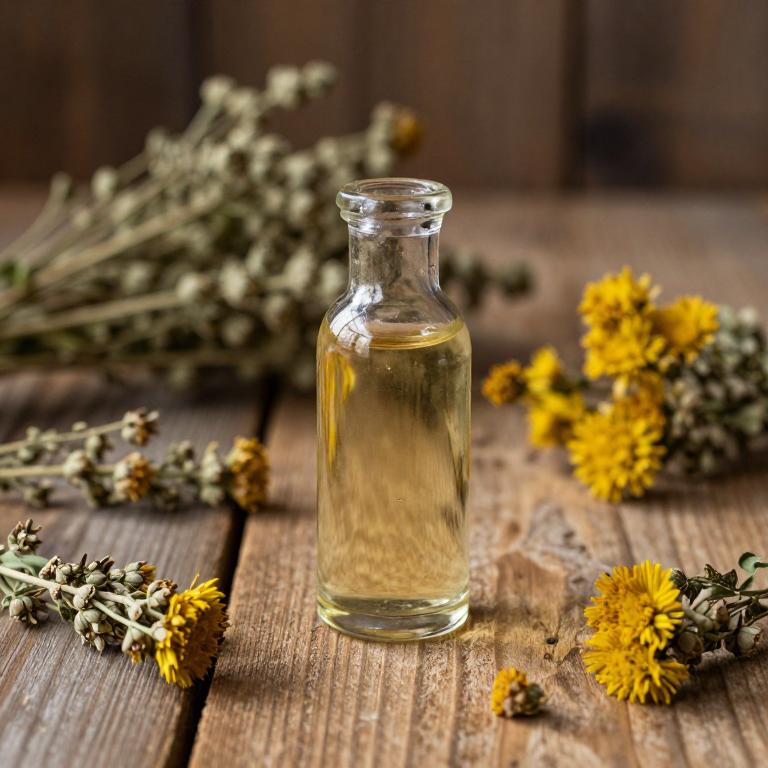
Leonurus cardiaca, commonly known as heart herb or hemlock weed, has been traditionally used in herbal medicine for its potential to combat fatigue and support cardiovascular health.
Herbal syrups made from Leonurus cardiaca are often prepared by combining the dried leaves and flowers with honey or other sweeteners, creating a palatable and easily absorbable form of the plant's active compounds. These syrups are believed to enhance energy levels by improving circulation and stimulating the nervous system, making them a popular remedy for individuals experiencing chronic fatigue or low vitality. The mild and warming properties of Leonurus cardiaca make it suitable for regular use, though it is important to consult with a healthcare professional before incorporating it into one's regimen.
Overall, Leonurus cardiaca herbal syrups offer a natural and holistic approach to managing fatigue, supporting both physical and mental well-being.
10. Salvia (Salvia officinalis)
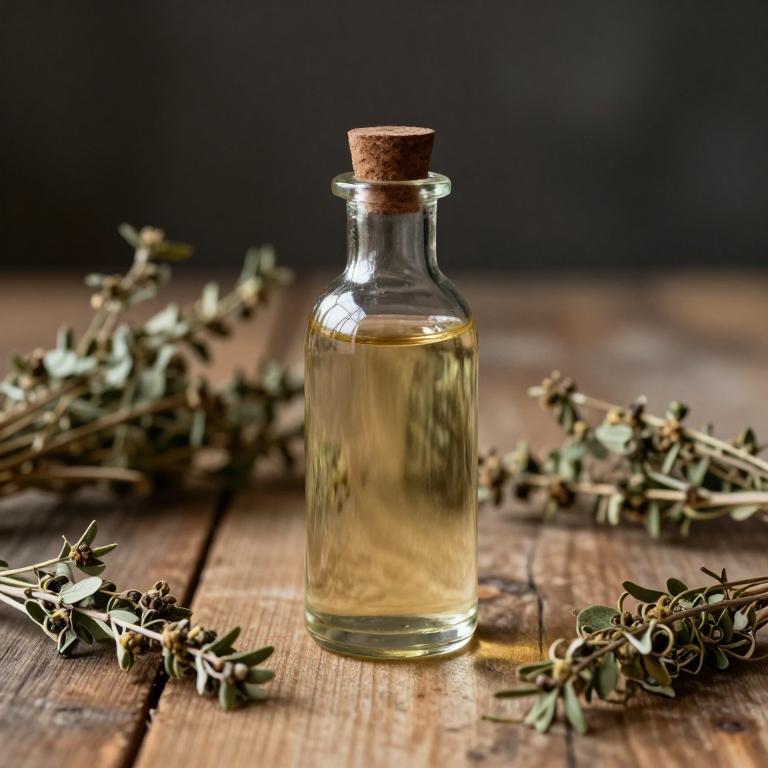
Salvia officinalis, commonly known as sage, has been traditionally used for its medicinal properties, and its herbal syrup is gaining recognition for its potential to alleviate fatigue.
The syrup is typically prepared by extracting the leaves of the plant, which contain compounds like rosmarinic acid and flavonoids, believed to support energy levels and mental clarity. Some studies suggest that sage may help regulate blood sugar and reduce oxidative stress, both of which can contribute to feelings of tiredness. While more research is needed to fully understand its effects, many people report increased alertness and reduced fatigue after using sage syrup.
As a natural alternative to stimulants, sage herbal syrup is often recommended for those seeking gentle support for everyday fatigue.