10 Best Herbal Juices For Fatigue
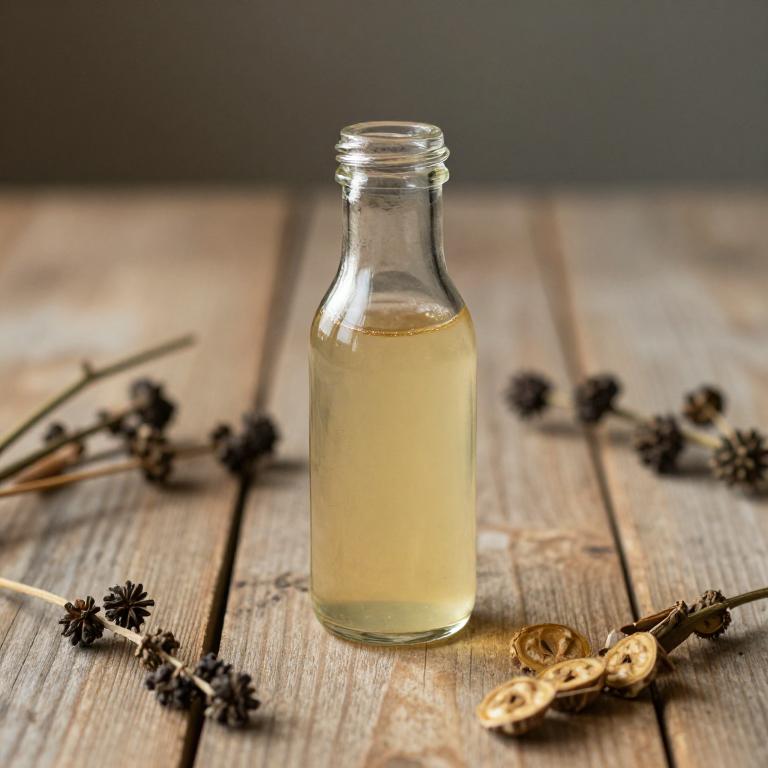
Herbal juices are natural beverages made from blending various herbs, fruits, and vegetables, known for their potential to boost energy and combat fatigue.
Ingredients like ginger, turmeric, and green tea are commonly included due to their antioxidant and anti-inflammatory properties, which can enhance vitality and reduce mental exhaustion. These juices are often consumed as a morning routine to kickstart the day with a nutrient-rich boost, supporting overall well-being. Unlike energy drinks, herbal juices offer a more balanced and sustainable source of energy without the negative side effects of caffeine or artificial stimulants.
Incorporating herbal juices into a healthy lifestyle can be an effective way to naturally manage fatigue and improve daily performance.
Table of Contents
- 1. Ashwagandha (Withania somnifera)
- 2. Golden root (Rhodiola rosea)
- 3. Echinacea (Echinacea purpurea)
- 4. Panax ginseng (Panax ginseng)
- 5. Ginkgo (Ginkgo biloba)
- 6. Chaste tree (Vitex agnus-castus)
- 7. Heartworts (Leonurus cardiaca)
- 8. Stinging nettle (Urtica dioica)
- 9. Turmeric (Curcuma longa)
- 10. Thistle (Silybum marianum)
1. Ashwagandha (Withania somnifera)
Withania somnifera, commonly known as ashwagandha, is an adaptogenic herb widely used in Ayurvedic medicine to combat fatigue and enhance overall vitality.
Its root extract, when formulated into herbal juices, is rich in bioactive compounds such as withanolides, which help regulate stress hormones and improve energy levels. These juices are known to support the body's ability to manage stress, thereby reducing mental and physical exhaustion. Regular consumption of ashwagandha herbal juice may also enhance sleep quality, which is essential for recovery from fatigue.
As a natural alternative to stimulants, ashwagandha juice offers a balanced approach to boosting energy without the adverse effects associated with synthetic supplements.
2. Golden root (Rhodiola rosea)
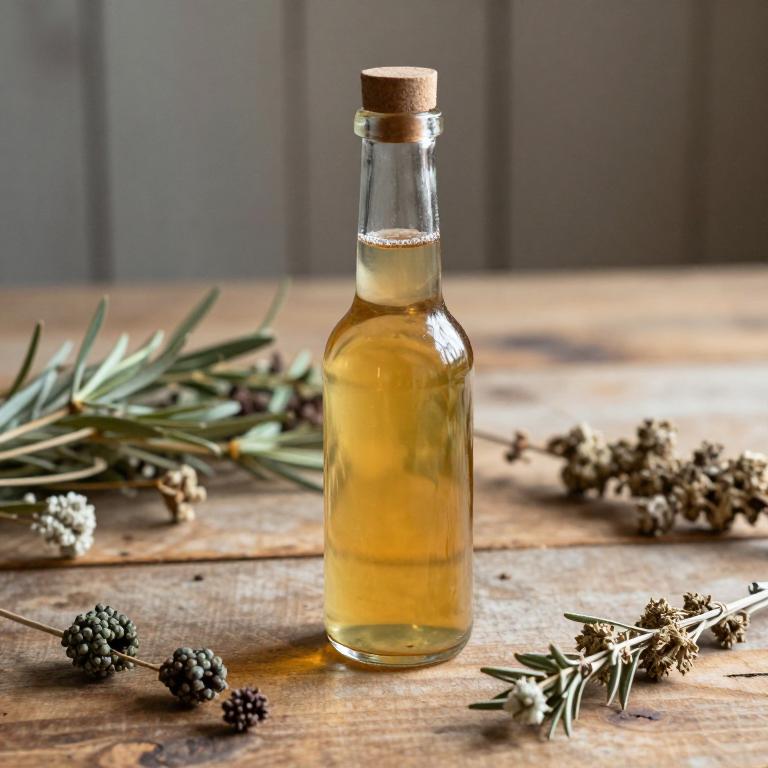
Rhodiola rosea, also known as the "golden root," is a adaptogenic herb that has been traditionally used to combat fatigue and enhance physical and mental performance.
Herbal juices made from Rhodiola rosea are gaining popularity as natural remedies for individuals experiencing chronic fatigue, stress, or burnout. These juices are believed to support energy levels by improving cellular function and reducing the effects of oxidative stress in the body. They are often consumed in the morning or before physical activity to boost stamina and cognitive clarity.
Scientific studies suggest that Rhodiola rosea may help regulate the body's stress response and enhance overall well-being, making it a valuable addition to a wellness routine.
3. Echinacea (Echinacea purpurea)
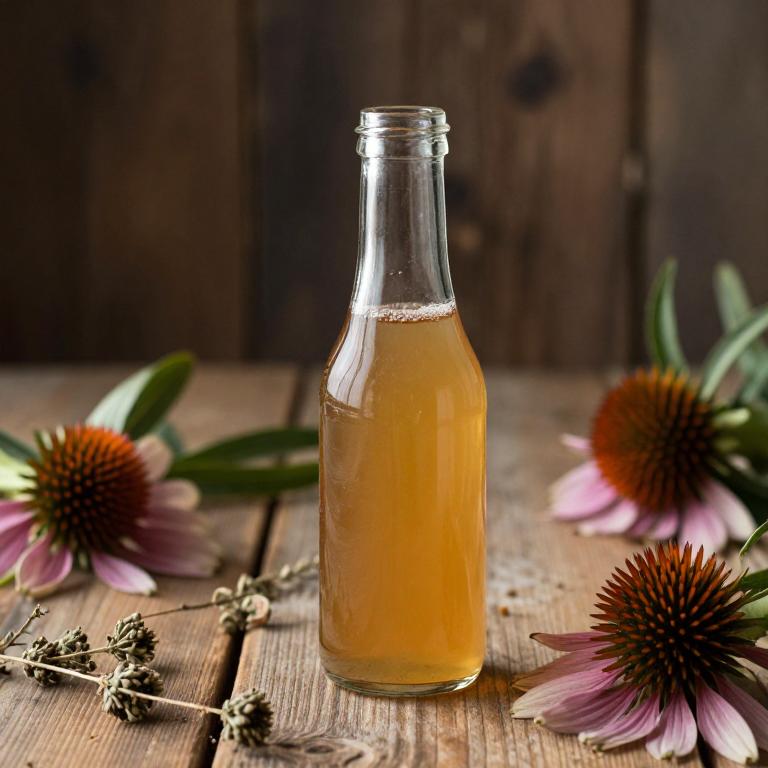
Echinacea purpurea, commonly known as purple coneflower, is a popular herbal remedy traditionally used to support immune health and combat fatigue.
When consumed as a juice, echinacea purpurea may provide a natural source of antioxidants and phytochemicals that help reduce oxidative stress and boost energy levels. Some studies suggest that echinacea can enhance vitality by improving circulation and supporting overall metabolic function. However, it is important to note that while some individuals report increased energy from echinacea juice, scientific evidence on its effectiveness for fatigue is limited and more research is needed.
As with any herbal supplement, it is advisable to consult a healthcare professional before incorporating echinacea purpurea juice into your routine, especially if you have existing health conditions or are taking other medications.
4. Panax ginseng (Panax ginseng)
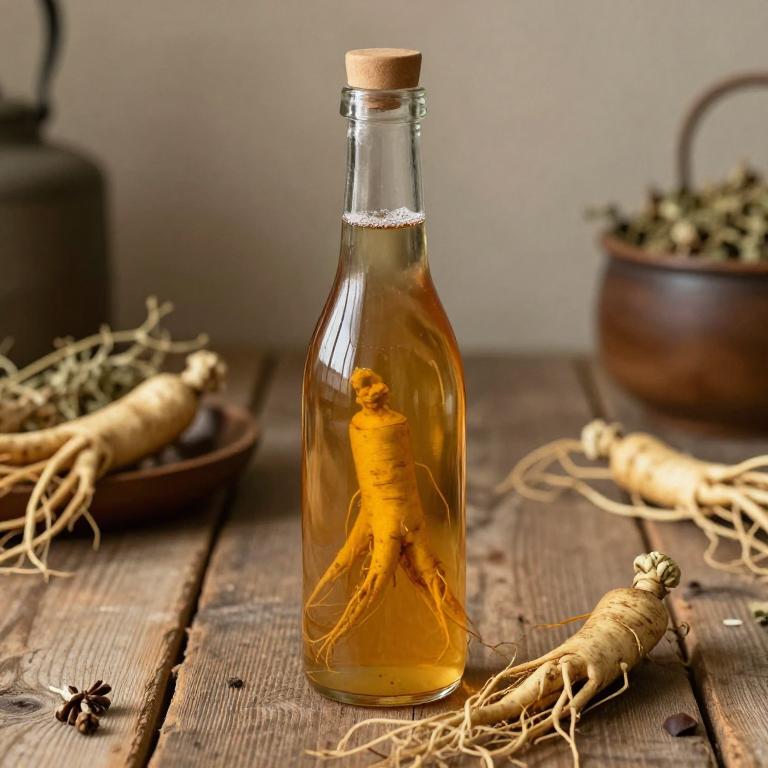
Panax ginseng, a widely revered adaptogenic herb, is commonly used in herbal juices to combat fatigue and enhance overall energy levels.
Rich in bioactive compounds such as ginsenosides, it supports the body's ability to manage stress and improve physical and mental stamina. These herbal juices often combine ginseng with other energizing ingredients like ginger, lemon, or green tea for a more balanced and refreshing drink. Regular consumption of panax ginseng herbal juice may help reduce feelings of exhaustion and improve cognitive function.
However, it is important to consult a healthcare provider before incorporating it into your routine, especially if you have underlying health conditions or are taking medications.
5. Ginkgo (Ginkgo biloba)
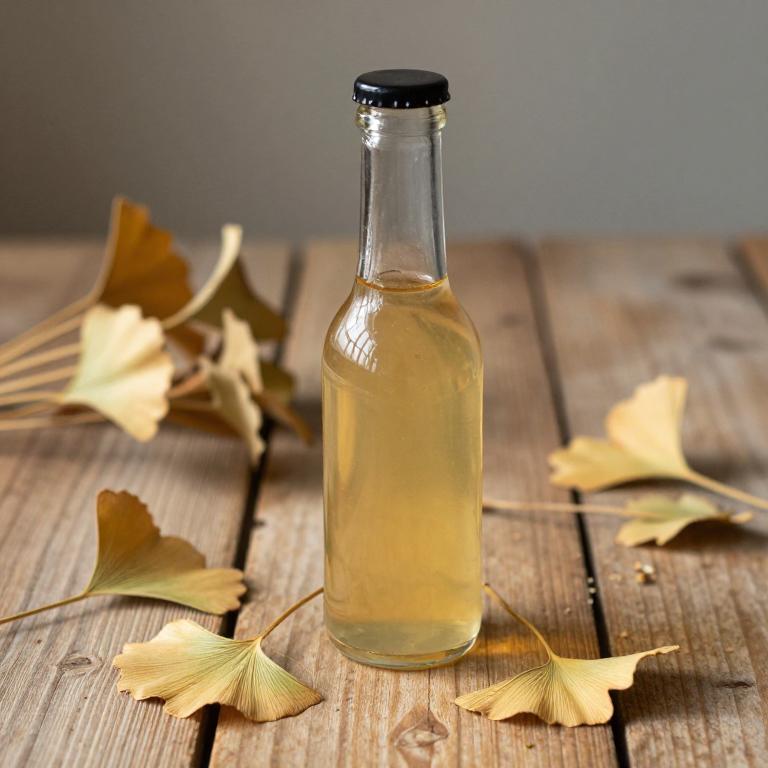
Ginkgo biloba herbal juices are traditionally used to support cognitive function and reduce fatigue due to their rich content of bioactive compounds such as flavonoids and terpenoids.
These compounds are believed to enhance blood circulation and improve oxygen delivery to tissues, which can help alleviate feelings of tiredness and mental exhaustion. Regular consumption of ginkgo biloba juice may also support the nervous system, potentially boosting energy levels and mental clarity. However, it is important to consult with a healthcare professional before incorporating ginkgo biloba into your routine, especially if you have existing medical conditions or are taking other medications.
While some studies suggest potential benefits, more research is needed to fully understand its efficacy and safety for fatigue relief.
6. Chaste tree (Vitex agnus-castus)
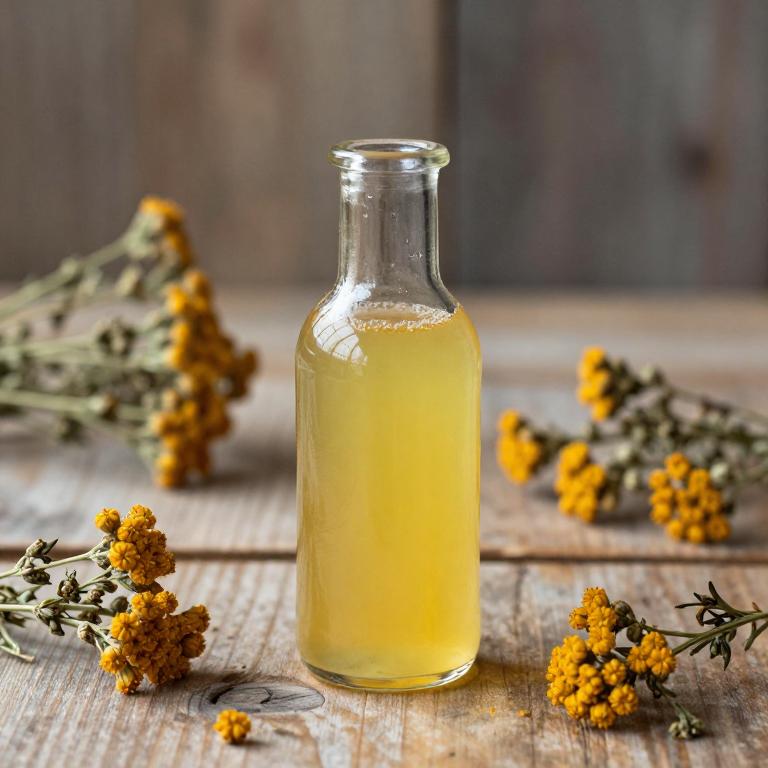
Vitex agnus-castus, commonly known as chasteberry, has been traditionally used in herbal medicine to support hormonal balance and alleviate symptoms of fatigue.
This herb is particularly noted for its potential to regulate menstrual cycles and reduce stress-related fatigue in women. When consumed as a herbal juice, vitex may provide a natural source of antioxidants and phytochemicals that support energy levels and overall well-being. Some studies suggest that it may help improve mood and reduce feelings of exhaustion by influencing neurotransmitter activity.
However, it is important to consult with a healthcare provider before using vitex agnus-castus, especially for individuals with existing health conditions or those taking medications.
7. Heartworts (Leonurus cardiaca)
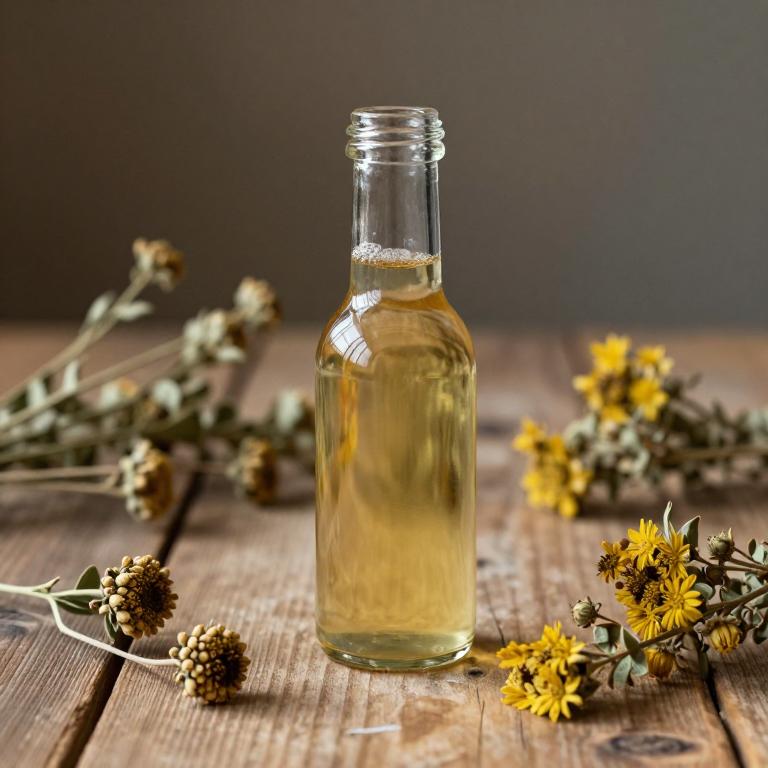
Leonurus cardiaca, commonly known as heartwort, is a traditional herbal plant that has been used for centuries to support energy levels and combat fatigue.
Its herbal juices, often prepared from fresh leaves and flowers, are believed to enhance vitality by stimulating circulation and nourishing the body's energy systems. Rich in bioactive compounds such as flavonoids and tannins, heartwort juice may help reduce mental and physical exhaustion by improving cellular respiration and metabolic efficiency. Many herbalists recommend it as a natural remedy for individuals experiencing chronic fatigue or low stamina, particularly when combined with a balanced diet and lifestyle.
However, it is important to consult with a healthcare professional before incorporating heartwort juice into one's regimen, especially for those with existing health conditions or on medication.
8. Stinging nettle (Urtica dioica)
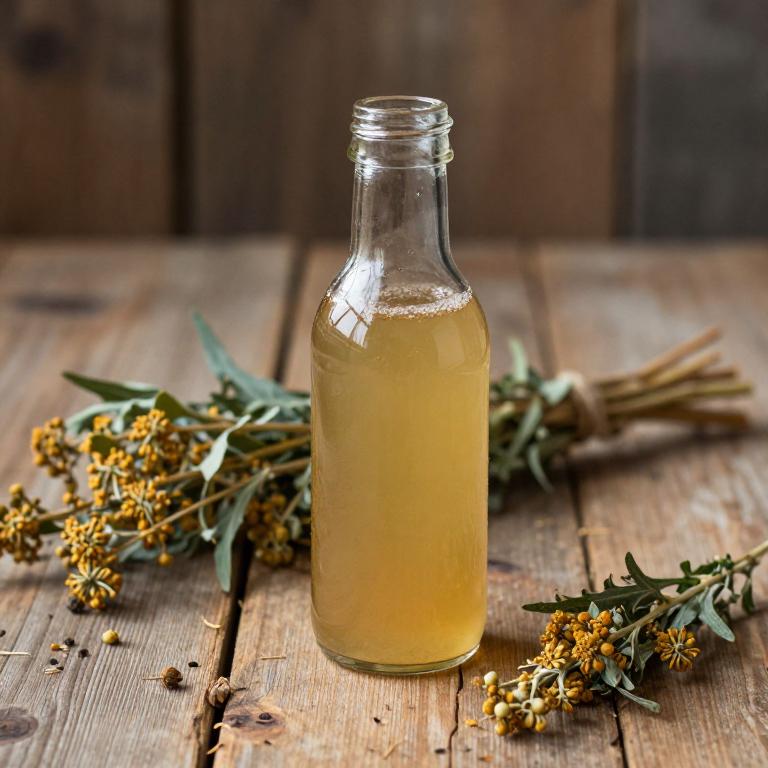
Urtica dioica, commonly known as stinging nettle, has been traditionally used to help alleviate fatigue due to its high nutrient content, including iron, vitamins A, C, and K, as well as amino acids.
Herbal juices made from fresh or dried Urtica dioica leaves are believed to support energy levels by improving circulation and reducing oxidative stress in the body. These juices can be consumed raw or blended with other herbs to enhance their nutritional profile and taste. Some studies suggest that the compounds in stinging nettle may help regulate blood sugar and reduce inflammation, which can contribute to feelings of fatigue.
However, it is important to consult with a healthcare provider before using nettle juice, especially for individuals with allergies or those taking medications.
9. Turmeric (Curcuma longa)
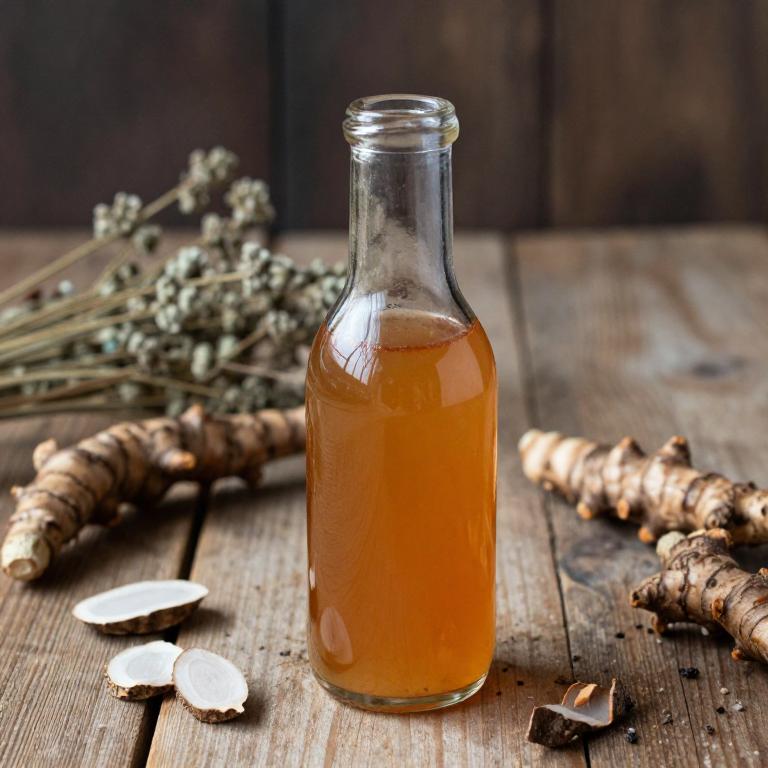
Curcuma longa, commonly known as turmeric, is a widely used herbal plant renowned for its potent anti-inflammatory and antioxidant properties.
Turmeric-based herbal juices are increasingly popular for their potential to combat fatigue by enhancing energy levels and improving overall vitality. The active compound in turmeric, curcumin, has been studied for its ability to support mitochondrial function and reduce oxidative stress, which are often linked to feelings of tiredness. When consumed as a juice, turmeric can be combined with other energizing ingredients like ginger, lemon, and honey to enhance its bioavailability and effectiveness.
Regular consumption of turmeric juice may contribute to sustained energy and a sense of well-being, making it a natural remedy for those seeking to alleviate fatigue.
10. Thistle (Silybum marianum)
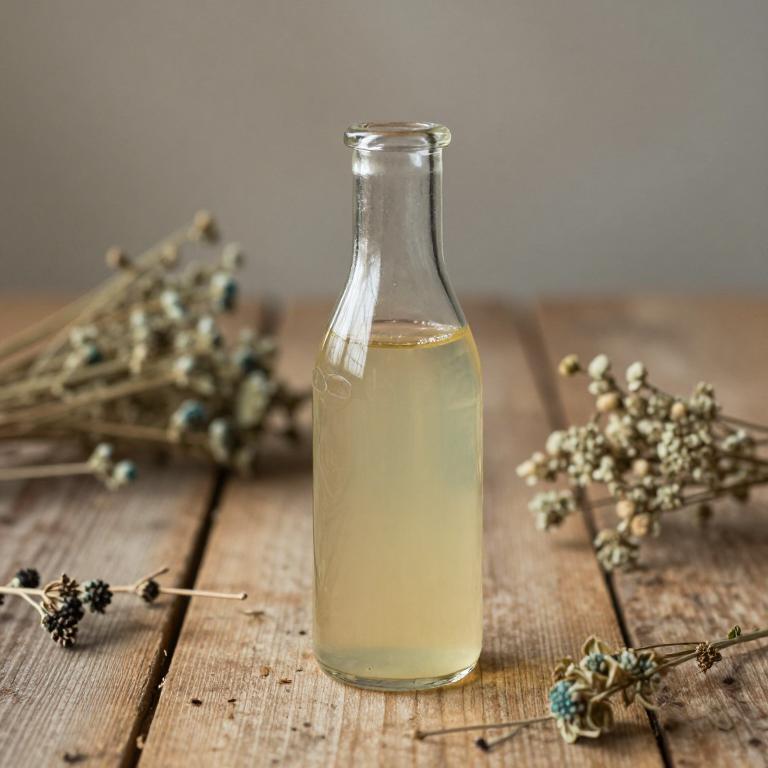
Silybum marianum, commonly known as milk thistle, is a herbal remedy that has been traditionally used to support liver health and reduce fatigue.
The active compound in milk thistle, silymarin, is believed to have antioxidant and anti-inflammatory properties that may help combat fatigue by improving cellular function and detoxification processes. Herbal juices made from silybum marianum are often consumed to enhance energy levels and support overall vitality, particularly in individuals with chronic fatigue or liver-related conditions. These juices are typically prepared by extracting the seeds or leaves of the plant, often combined with other energizing herbs for enhanced effects.
While research on its efficacy for fatigue is ongoing, many users report improved stamina and reduced exhaustion when incorporating silybum marianum into their wellness routine.