10 Best Herbal Essential Oils For Fatigue
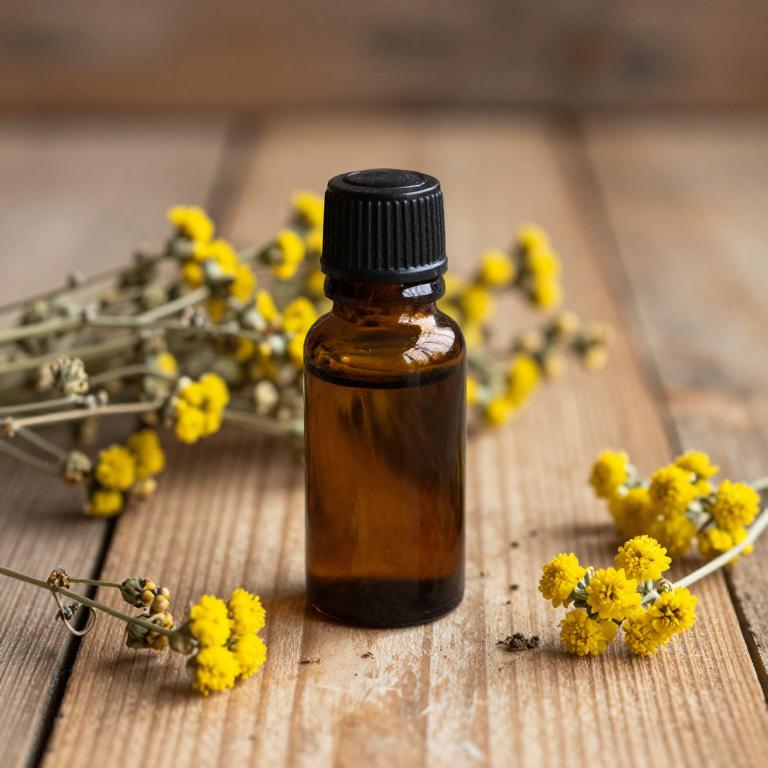
Herbal essential oils, derived from plants through distillation or cold pressing, have gained popularity for their potential to alleviate fatigue by promoting relaxation and improving mood.
Oils such as lavender, peppermint, and basil are commonly used due to their calming and invigorating properties. When diffused, inhaled, or applied topically, these oils can help reduce mental and physical exhaustion by stimulating the nervous system or encouraging restful sleep. Some studies suggest that certain essential oils may enhance alertness and energy levels, making them a natural alternative to stimulants.
However, it is important to use these oils safely, as they should be diluted and used appropriately to avoid skin irritation or allergic reactions.
Table of Contents
- 1. Lemon balm (Melissa officinalis)
- 2. Valerian (Valeriana officinalis)
- 3. Rosemary (Rosmarinus officinalis)
- 4. English lavender (Lavandula angustifolia)
- 5. Salvia (Salvia officinalis)
- 6. Black pepper (Piper nigrum)
- 7. Stinging nettle (Urtica dioica)
- 8. Ceylon cinnamon (Cinnamomum verum)
- 9. Ginkgo (Ginkgo biloba)
- 10. Ceylon cinnamon (Cinnamomum zeylanicum)
1. Lemon balm (Melissa officinalis)
Melissa officinalis, commonly known as lemon balm, is a popular herb used in the production of essential oils that are valued for their calming and uplifting properties.
The essential oil derived from Melissa officinalis is often used to help alleviate symptoms of fatigue by promoting relaxation and improving mood. Its soothing aroma can help reduce mental exhaustion and enhance overall well-being. When used in aromatherapy or applied topically, this essential oil may support the body's natural ability to manage stress and energy levels.
Due to its mild and pleasant scent, Melissa officinalis essential oil is a versatile and gentle option for those seeking natural remedies for fatigue.
2. Valerian (Valeriana officinalis)
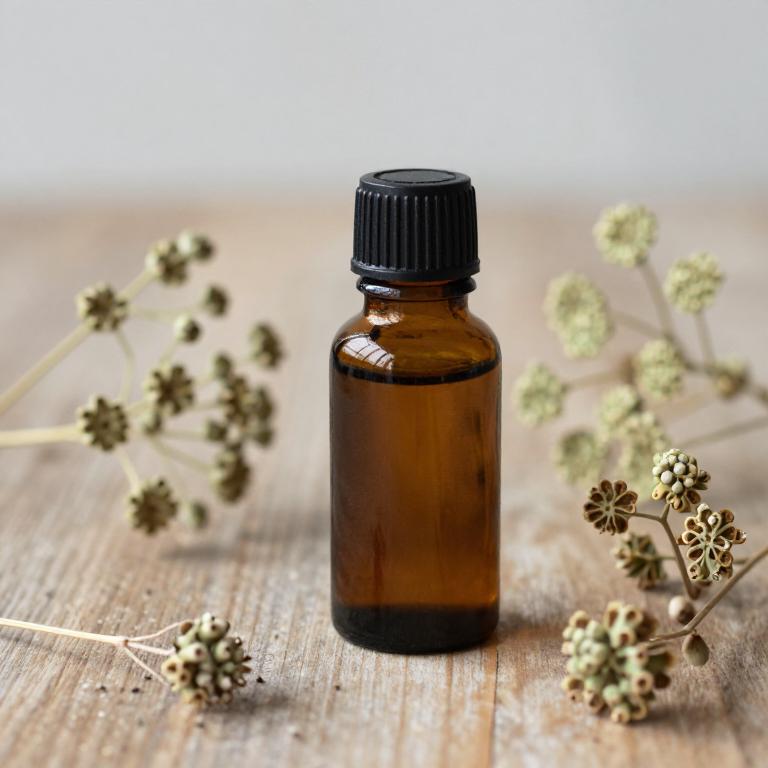
Valeriana officinalis, commonly known as valerian, is a perennial flowering plant whose essential oil has been traditionally used for its calming and sedative properties.
The essential oil is extracted through steam distillation of the roots and rhizomes, yielding a potent blend of compounds such as valerenic acid and sesquiterpenes. Valerian essential oil is often used in aromatherapy to alleviate symptoms of fatigue by promoting relaxation and improving sleep quality. Its ability to reduce mental and physical exhaustion makes it a popular choice for those seeking natural remedies for stress-related fatigue.
However, it is important to use the oil in diluted form and consult with a healthcare professional, especially for individuals with sensitive skin or existing health conditions.
3. Rosemary (Rosmarinus officinalis)
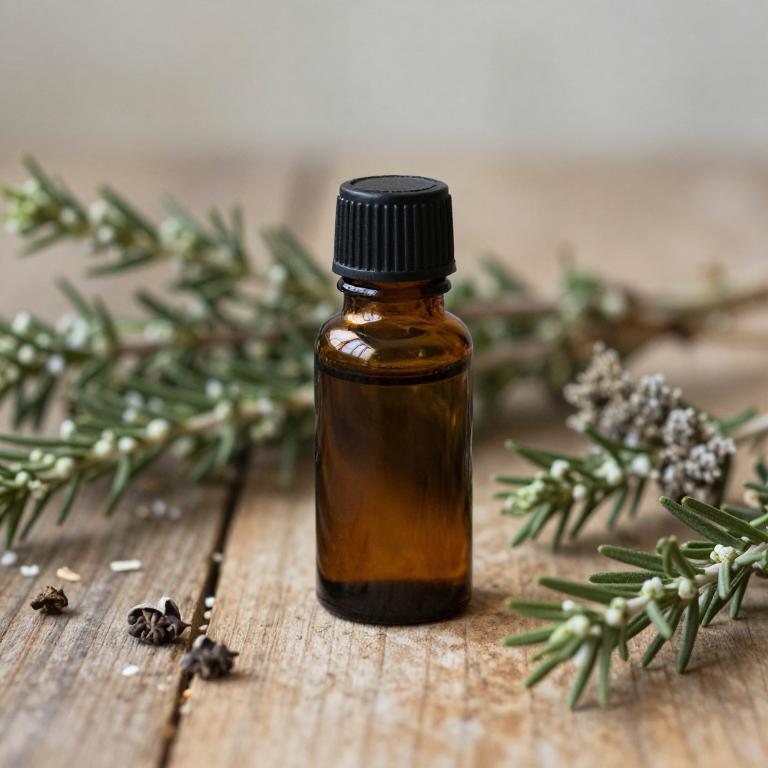
Rosmarinus officinalis, commonly known as rosemary, is a popular herb whose essential oil is widely used for its stimulating and invigorating properties.
The essential oil of rosemary contains compounds such as 1,8-cineole and camphor, which are known to enhance mental clarity and reduce feelings of fatigue. When used in aromatherapy or through topical application, rosemary essential oil can help improve circulation and increase alertness, making it a valuable natural remedy for combating exhaustion. Its refreshing aroma is also believed to support cognitive function and reduce mental fatigue, making it ideal for use during long work hours or study sessions.
Overall, rosemary essential oil offers a natural and effective way to combat fatigue and promote a sense of vitality and well-being.
4. English lavender (Lavandula angustifolia)
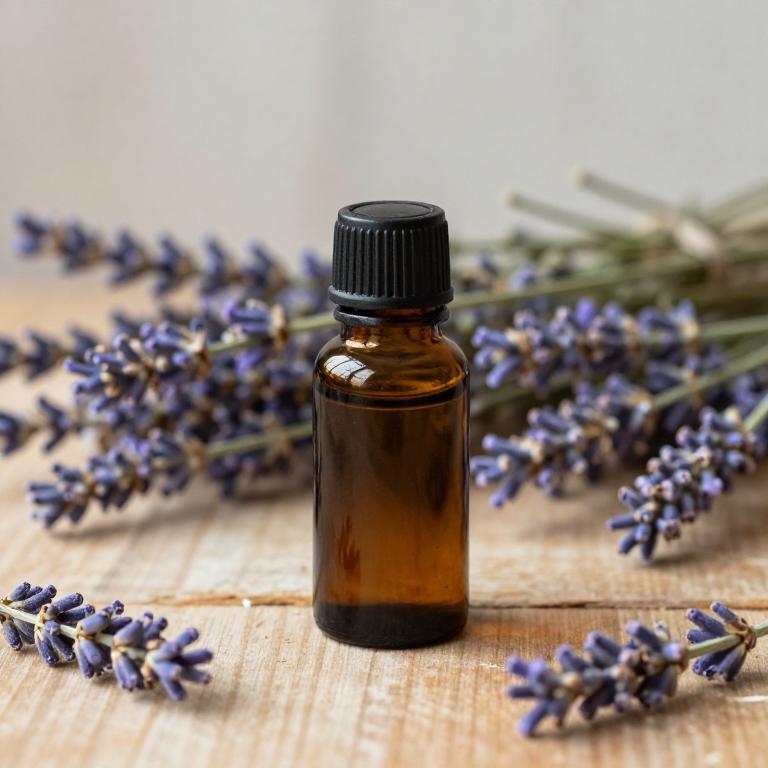
Lavandula angustifolia, commonly known as English lavender, is widely recognized for its calming and soothing properties, making its essential oil a popular choice for alleviating fatigue.
The essential oil is derived through steam distillation of the flowering tops of the plant, resulting in a fragrant, pale yellow liquid rich in compounds like linalool and linalyl acetate, which are known for their relaxing effects. When used aromatically, topically, or in diffusion, lavender essential oil can help reduce mental and physical exhaustion by promoting relaxation and improving sleep quality. Its ability to ease stress and anxiety makes it particularly effective for combating fatigue caused by overwork or emotional strain.
As a versatile and natural remedy, lavender essential oil offers a gentle yet powerful way to support overall well-being and energy balance.
5. Salvia (Salvia officinalis)
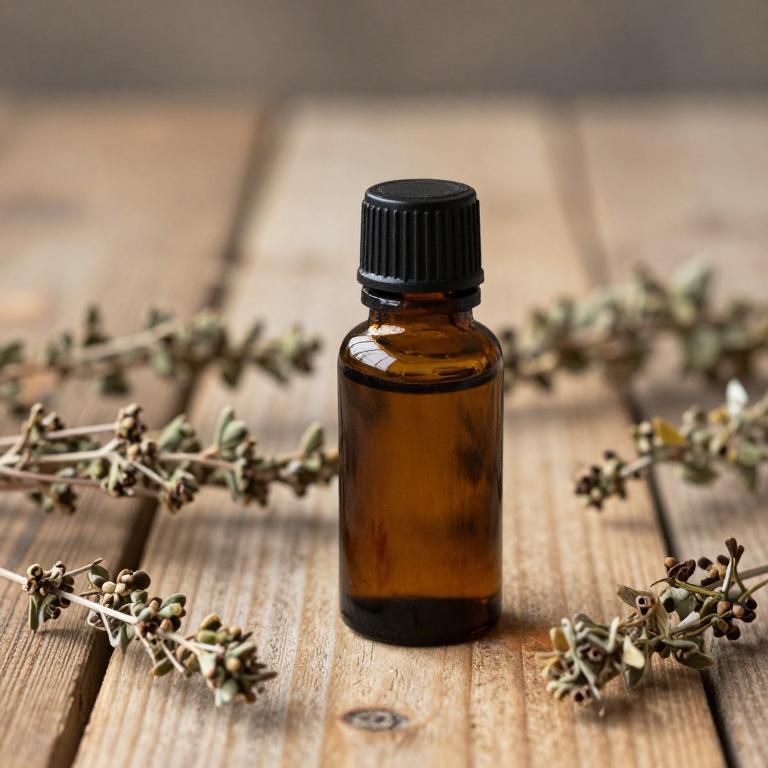
Salvia officinalis, commonly known as sage, is a versatile herb whose essential oil has been traditionally used for its aromatic and therapeutic properties.
The essential oil of sage contains compounds such as thujone, camphor, and cineole, which contribute to its stimulating and invigorating effects. When used in aromatherapy, sage essential oil can help alleviate mental fatigue by enhancing alertness and concentration. It is often diffused or applied topically to promote mental clarity and reduce feelings of exhaustion.
However, due to its potency, it should be used with caution and diluted properly to avoid skin irritation or adverse reactions.
6. Black pepper (Piper nigrum)
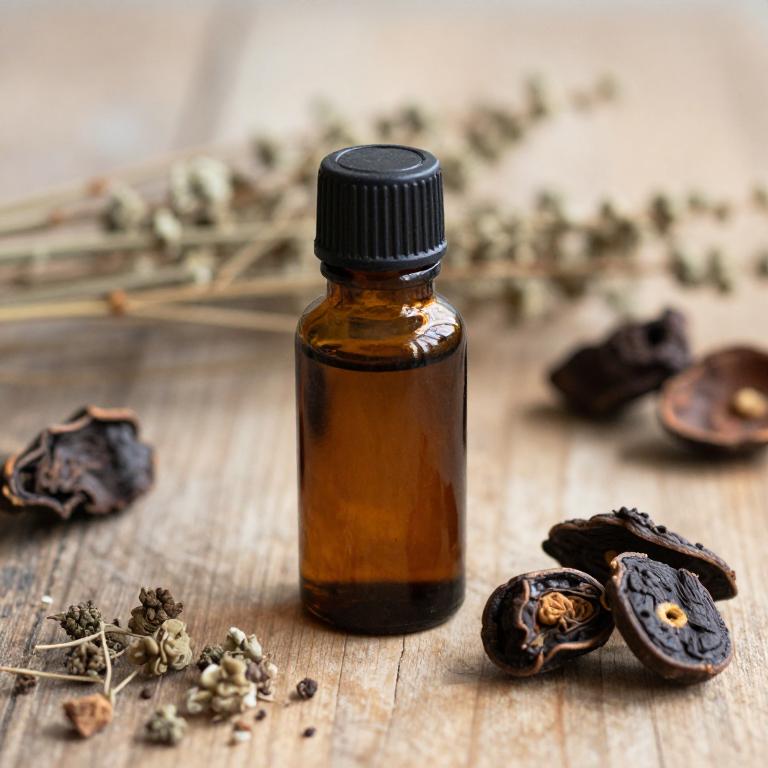
Piper nigrum, commonly known as black pepper, contains essential oils that have been explored for their potential to alleviate fatigue.
The essential oils derived from black pepper, particularly those containing compounds like piperine, may support energy levels by enhancing metabolic processes and improving nutrient absorption. These oils are often used in aromatherapy to stimulate the nervous system and promote a sense of alertness. While research on their direct effects on fatigue is limited, some studies suggest that piperine may have mood-enhancing properties that could indirectly reduce feelings of tiredness.
As with any essential oil, it is important to use Piper nigrum essential oil safely, often diluted with a carrier oil, and consult with a healthcare professional before use, especially for individuals with existing health conditions.
7. Stinging nettle (Urtica dioica)
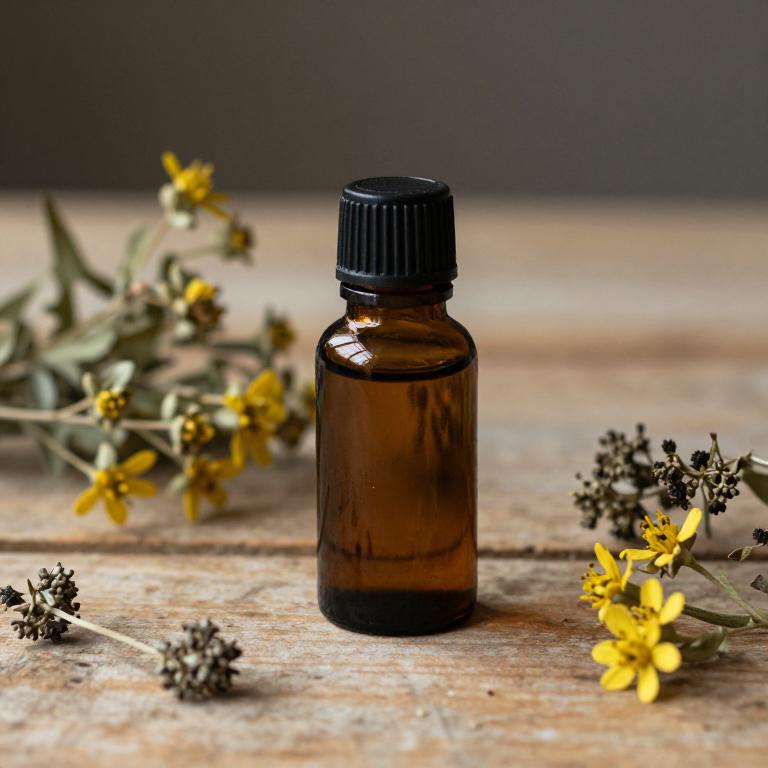
Urtica dioica, commonly known as stinging nettle, is a plant that has been used for centuries in traditional medicine for its various health benefits.
Its essential oils, extracted through steam distillation, contain bioactive compounds such as flavonoids, phenolic acids, and terpenoids, which are believed to contribute to its therapeutic properties. These essential oils are often used in aromatherapy and topical applications to help alleviate symptoms of fatigue by promoting circulation and reducing inflammation. The stimulating and invigorating effects of urtica dioica essential oils may help enhance energy levels and support overall vitality.
However, due to its potency, it is typically diluted before use and should be handled with care to avoid skin irritation.
8. Ceylon cinnamon (Cinnamomum verum)
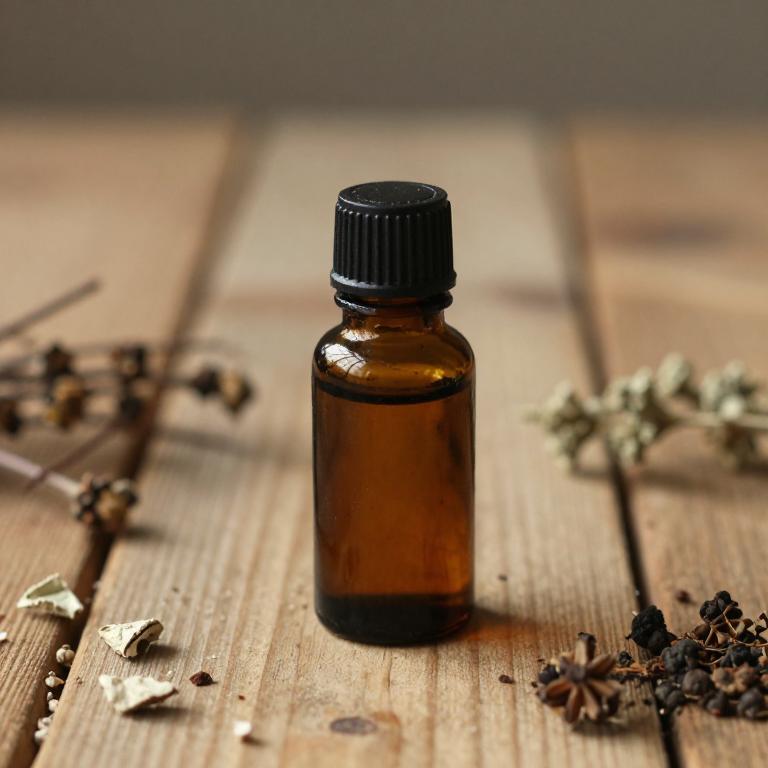
Cinnamomum verum, commonly known as true cinnamon, produces an essential oil that is widely used for its aromatic and therapeutic properties.
This oil is derived from the bark of the tree through steam distillation, resulting in a rich, warm, and spicy scent that is both invigorating and calming. The essential oil of Cinnamomum verum is believed to help alleviate fatigue by stimulating circulation and enhancing mental clarity. Its aromatic compounds may also promote relaxation and reduce stress, which can contribute to feelings of tiredness.
As a natural remedy, cinnamon essential oil is often used in aromatherapy to support energy levels and overall well-being.
9. Ginkgo (Ginkgo biloba)
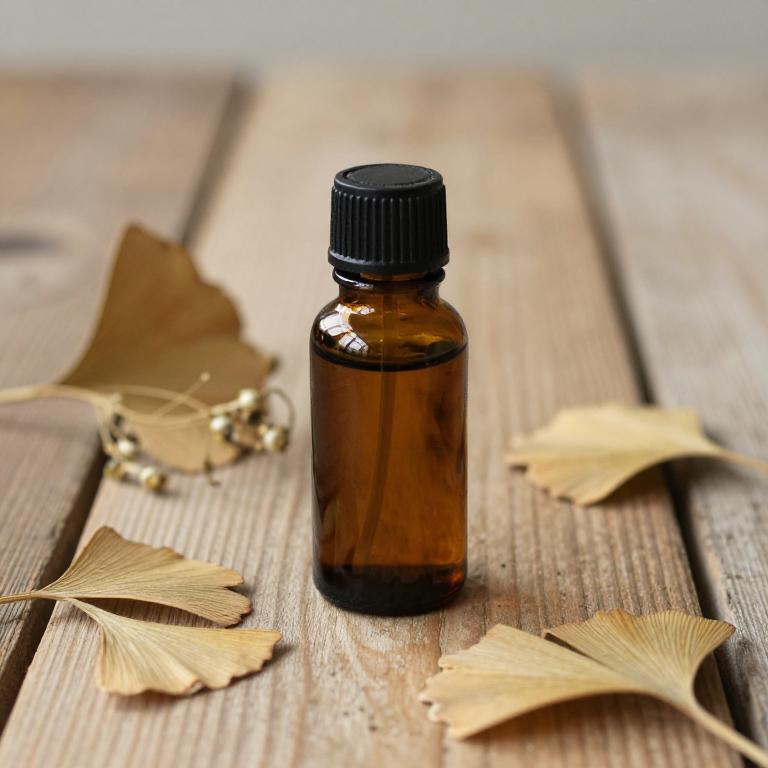
Ginkgo biloba herbal essential oils are derived from the leaves of the ginkgo tree, a plant known for its ancient lineage and potential cognitive and circulatory benefits.
These oils are often used in aromatherapy to help alleviate symptoms of fatigue by promoting mental clarity and improving blood flow. The active compounds in ginkgo biloba, such as flavonoids and terpenoids, are believed to enhance oxygen delivery to the brain and support cellular function. When diffused or applied topically, the essential oil may help reduce mental exhaustion and boost energy levels.
However, it is important to use ginkgo biloba essential oils with caution, as they can interact with certain medications and may cause allergic reactions in some individuals.
10. Ceylon cinnamon (Cinnamomum zeylanicum)
Cinnamomum zeylanicum, commonly known as Ceylon cinnamon, produces a valuable essential oil that is often used for its potential to alleviate fatigue.
The oil contains compounds like cinnamaldehyde and eugenol, which are believed to have stimulating and mood-enhancing properties. When diffused or applied topically, the essential oil may help increase alertness and energy levels by promoting circulation and reducing mental exhaustion. It is also known to support respiratory function, which can further contribute to a sense of revitalization.
However, it should be used with caution, as it may cause skin irritation in some individuals, and it is advisable to consult a healthcare professional before use.