10 Best Herbal Creams For Fatigue
Herbal creams for fatigue are topical treatments that incorporate natural ingredients known for their energizing and restorative properties.
These creams often contain herbs like ginseng, ginger, and lavender, which are believed to enhance circulation, reduce stress, and promote overall well-being. They are typically used to alleviate feelings of tiredness and improve mental clarity by stimulating the body’s natural energy processes. Unlike traditional pharmaceuticals, herbal creams are generally considered safe with fewer side effects, making them a popular choice for those seeking natural remedies.
However, it is important to consult with a healthcare professional before using these products, especially if you have underlying health conditions or are taking other medications.
Table of Contents
- 1. Ashwagandha (Withania somnifera)
- 2. Golden root (Rhodiola rosea)
- 3. Panax ginseng (Panax ginseng)
- 4. Echinacea (Echinacea purpurea)
- 5. Valerian (Valeriana officinalis)
- 6. Heartworts (Leonurus cardiaca)
- 7. St. john's wort (Hypericum perforatum)
- 8. Blessed thistle (Cnicus benedictus)
- 9. Ginkgo (Ginkgo biloba)
- 10. Stinging nettle (Urtica dioica)
1. Ashwagandha (Withania somnifera)
Withania somnifera, commonly known as ashwagandha, is an adaptogenic herb traditionally used in Ayurvedic medicine to reduce stress and enhance energy levels.
When formulated into herbal creams, Withania somnifera can provide localized relief for muscle fatigue and joint discomfort, making it a popular choice for individuals seeking natural remedies. These creams often contain extracts that help regulate cortisol levels and improve sleep quality, both of which are essential for combating fatigue. The application of ashwagandha-based creams may also promote circulation and reduce inflammation, supporting overall physical recovery.
While generally safe, it is advisable to consult a healthcare professional before using these products, especially for those with sensitive skin or existing medical conditions.
2. Golden root (Rhodiola rosea)
Rhodiola rosea, a adaptogenic herb, is often incorporated into herbal creams designed to alleviate fatigue and enhance energy levels.
These creams typically combine the extract of Rhodiola rosea with other nourishing ingredients such as essential oils, vitamins, and moisturizers to provide a soothing and revitalizing effect on the skin. The active compounds in Rhodiola rosea, including rosavins and salidrosides, are believed to support the body's ability to cope with stress and improve mental clarity. When applied topically, these creams may help reduce feelings of exhaustion by promoting circulation and calming the nervous system.
While they are not a substitute for medical treatment, Rhodiola rosea herbal creams can serve as a complementary natural remedy for those seeking to manage fatigue in a holistic manner.
3. Panax ginseng (Panax ginseng)
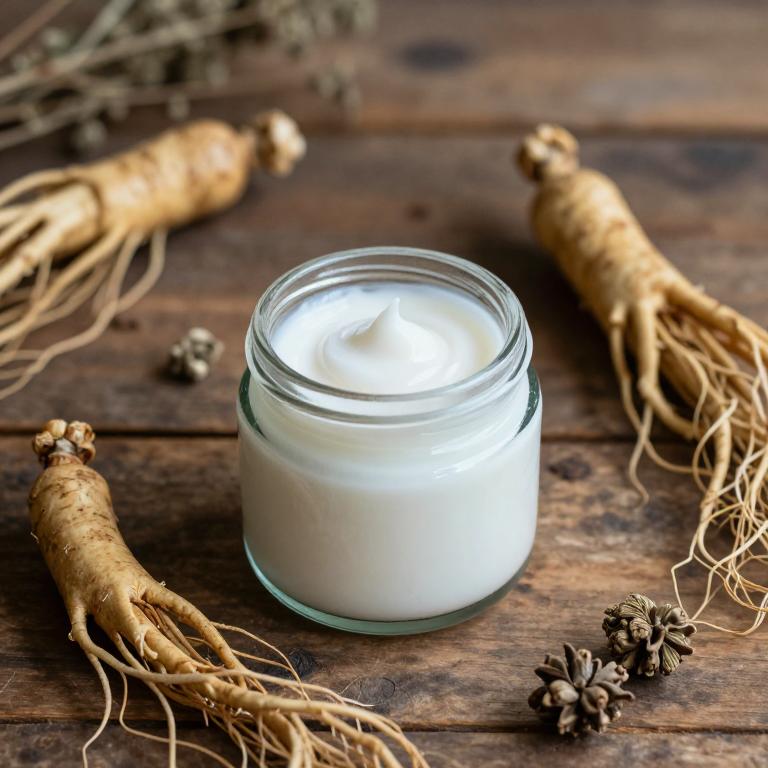
Panax ginseng herbal creams are topical formulations that incorporate the active compounds of Panax ginseng, a well-known adaptogenic herb, to help alleviate fatigue and enhance energy levels.
These creams are typically applied to the skin, where the ginseng extract is absorbed into the bloodstream to support cellular energy production and reduce mental and physical exhaustion. The herbal ingredients in these creams are believed to stimulate circulation, improve oxygen delivery to tissues, and promote a sense of revitalization. They are often used as a natural alternative to stimulants for those seeking to manage chronic fatigue without relying on pharmaceuticals.
However, individuals should consult a healthcare professional before use, especially if they have allergies or are taking other medications.
4. Echinacea (Echinacea purpurea)
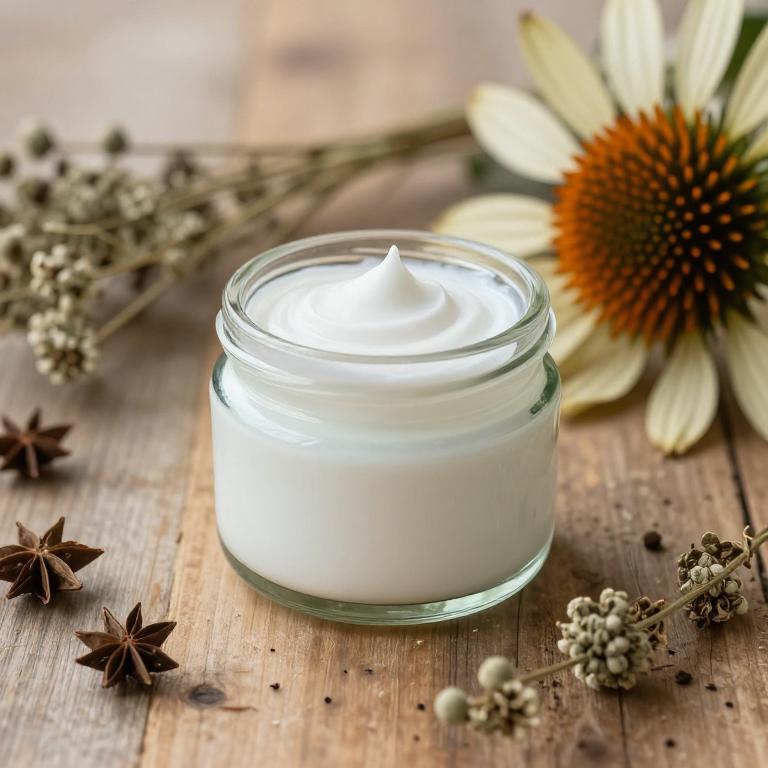
Echinacea purpurea, commonly known as purple coneflower, is a popular herbal remedy often used to support immune function and reduce fatigue.
When formulated into creams, echinacea purpurea may provide localized relief by promoting circulation and reducing inflammation in the skin. These creams are typically applied topically to areas of the body where fatigue is felt, such as the neck, shoulders, or back. While some studies suggest that echinacea may help alleviate mild fatigue, more research is needed to confirm its effectiveness in this context.
As with any herbal product, it is important to consult a healthcare professional before use, especially if you have allergies or are taking other medications.
5. Valerian (Valeriana officinalis)
Valeriana officinalis, commonly known as valerian, is a herb traditionally used for its calming properties and is now incorporated into various herbal creams designed to alleviate fatigue.
These creams often combine valerian root extract with other soothing ingredients like chamomile or lavender to promote relaxation and reduce mental and physical exhaustion. The active compounds in valerian, such as valerenic acid, are believed to support nervous system function and improve sleep quality, which can help combat fatigue. When applied topically, these creams may provide localized relief by reducing muscle tension and enhancing overall well-being.
While they are not a substitute for medical treatment, valeriana officinalis herbal creams can serve as a natural complement to managing fatigue, particularly when used as part of a holistic self-care routine.
6. Heartworts (Leonurus cardiaca)
Leonurus cardiaca, commonly known as heart herb or red clover, is a traditional medicinal plant that has been used for centuries to support vitality and reduce fatigue.
Herbal creams infused with Leonurus cardiaca are formulated to promote circulation and enhance energy levels by stimulating the body's natural rejuvenation processes. These creams are often applied topically to areas such as the wrists, feet, and chest to absorb the plant’s beneficial properties through the skin. While they are not a substitute for medical treatment, they can complement a holistic approach to managing fatigue and improving overall well-being.
Users may experience a sense of relaxation and increased stamina when incorporating Leonurus cardiaca herbal creams into their self-care routine.
7. St. john's wort (Hypericum perforatum)
Hypericum perforatum, commonly known as St. John's Wort, is a herbal remedy often used in the form of creams to address fatigue and support overall well-being.
These creams typically contain extracts of the plant’s dried flowers and leaves, which are believed to have anti-inflammatory and mood-enhancing properties. When applied topically, the cream may help reduce physical and mental exhaustion by improving circulation and promoting relaxation. While some studies suggest that St. John's Wort can alleviate symptoms of mild depression, its effectiveness for fatigue specifically may vary among individuals.
As with any herbal remedy, it is important to consult with a healthcare professional before use, especially if taking other medications, due to potential interactions.
8. Blessed thistle (Cnicus benedictus)
Cnicus benedictus, also known as blessed thistle, is a traditional herbal remedy that has been used for centuries to support energy levels and combat fatigue.
When incorporated into herbal creams, it is believed to help soothe tired muscles and enhance overall vitality by promoting circulation and reducing inflammation. These creams are often formulated with other energizing herbs like ginseng or ashwagandha to amplify their fatigue-relieving properties. However, individuals should consult with a healthcare professional before using these products, especially if they have allergies or are taking medications.
Despite their natural origins, herbal creams containing Cnicus benedictus should be used as part of a holistic approach to managing fatigue, rather than a standalone solution.
9. Ginkgo (Ginkgo biloba)
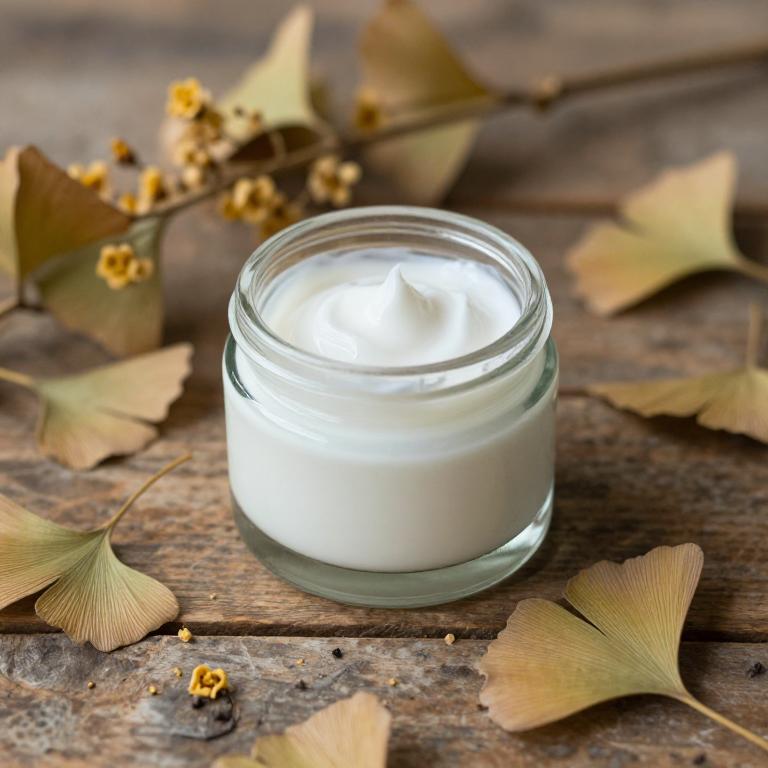
Ginkgo biloba herbal creams are formulated with extracts from the leaves of the ginkgo tree, a plant known for its potential cognitive and circulatory benefits.
These creams are often used to alleviate fatigue by improving blood flow and enhancing oxygen delivery to the cells, which can help boost energy levels. The active compounds in ginkgo biloba, such as flavonoids and terpene lactones, are believed to support cellular function and reduce oxidative stress. While some users report increased alertness and reduced mental fatigue after applying these creams, their effectiveness can vary depending on individual physiology and the specific formulation.
As with any herbal remedy, it is advisable to consult a healthcare professional before use, especially for those with existing medical conditions or taking other medications.
10. Stinging nettle (Urtica dioica)
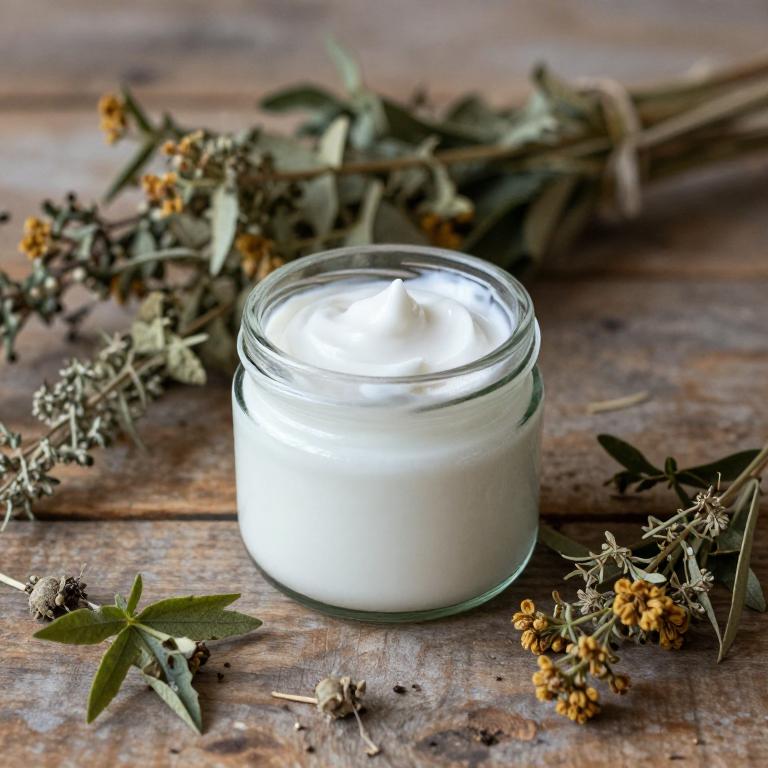
Urtica dioica, commonly known as stinging nettle, is a plant that has been traditionally used for its medicinal properties, including its potential to alleviate fatigue.
Herbal creams made from Urtica dioica are often formulated to harness the plant’s anti-inflammatory and nutrient-rich compounds, which may support energy levels and overall vitality. These creams are typically applied topically to the skin, where they can help improve circulation and reduce muscle soreness associated with fatigue. While some studies suggest that nettle may help with fatigue by supporting nutrient absorption and reducing oxidative stress, more research is needed to confirm its effectiveness.
As a natural remedy, Urtica dioica herbal creams offer a complementary approach to managing fatigue, though they should be used in conjunction with other lifestyle and medical interventions as advised by a healthcare professional.