10 Best Herbal Essential Oils For Eye Bags
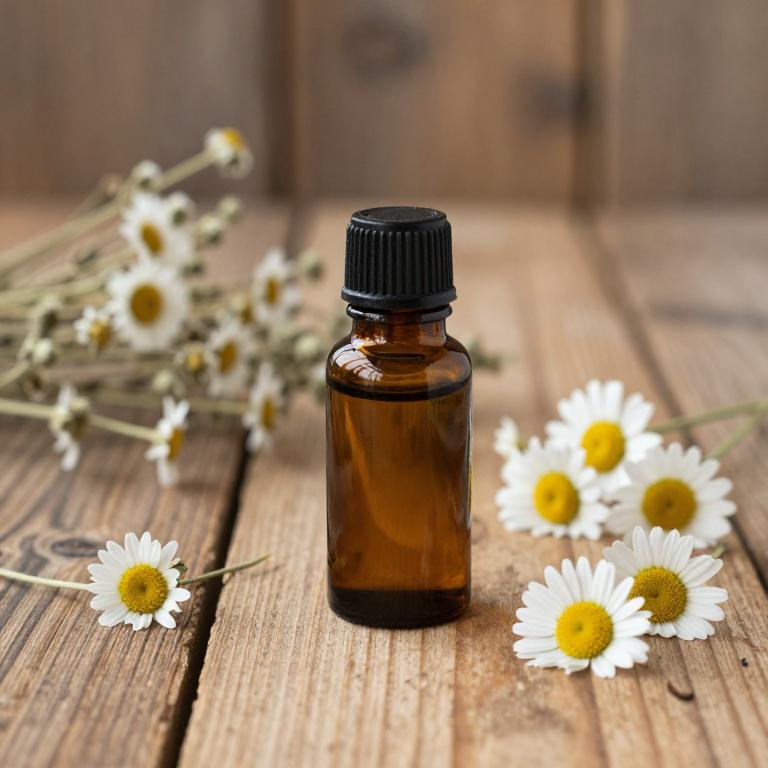
Herbal essential oils, such as chamomile, lavender, and rosemary, are often used in natural remedies for reducing the appearance of eye bags due to their anti-inflammatory and circulatory-stimulating properties.
These oils can help soothe irritation, reduce puffiness, and improve the overall appearance of the under-eye area when applied properly. They are typically diluted with a carrier oil like jojoba or almond oil to ensure safety and prevent skin irritation. Many people incorporate these oils into eye masks or cold compresses for a refreshing and calming effect.
While they may offer some benefits, it's important to consult a healthcare professional before using essential oils, especially if you have sensitive skin or underlying medical conditions.
Table of Contents
- 1. Chamomile (Matricaria chamomilla)
- 2. German chamomile (Chamomilla recutita)
- 3. Chaste tree (Vitex agnus-castus)
- 4. Yarrow (Achillea millefolium)
- 5. Stinging nettle (Urtica dioica)
- 6. Camellia (Camellia sinensis)
- 7. Thistle (Silybum marianum)
- 8. Dog rose (Rosa canina)
- 9. Lemon balm (Melissa officinalis)
- 10. English lavender (Lavandula angustifolia)
1. Chamomile (Matricaria chamomilla)
Matricaria chamomilla, commonly known as German chamomile, is a popular herb used in the production of essential oils that are valued for their calming and anti-inflammatory properties.
When distilled into essential oil, chamomile contains compounds like bisabolol and chamazulene, which have been shown to reduce redness and irritation around the eyes. This essential oil is often used in skincare formulations targeting eye bags due to its ability to soothe the delicate skin and promote a more rested appearance. However, it should be diluted properly before applying to the eye area to avoid irritation.
Its gentle nature makes it a favored ingredient in natural remedies for reducing puffiness and dark circles.
2. German chamomile (Chamomilla recutita)
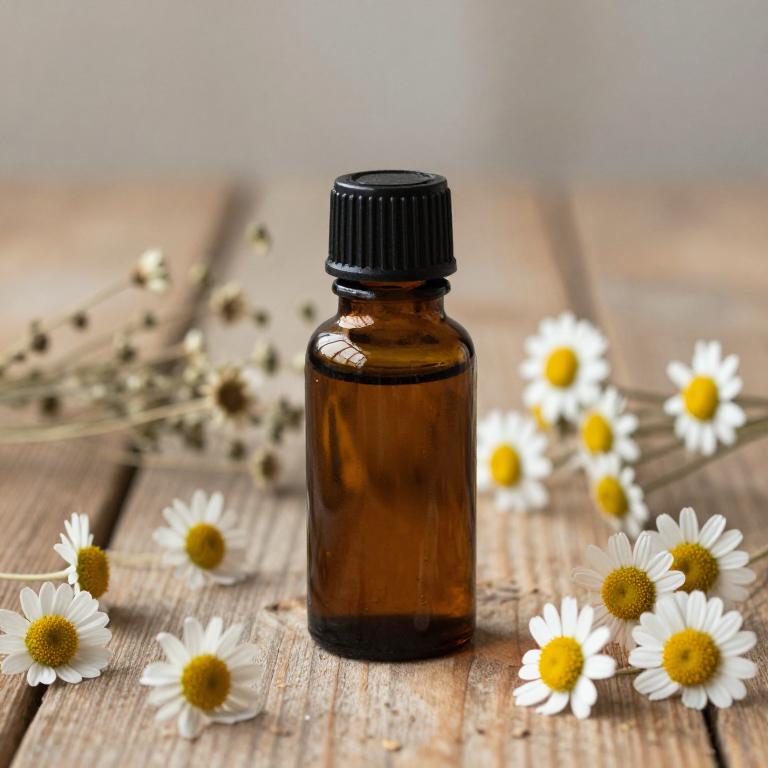
Chamomilla recutita, commonly known as German chamomile, is a popular herbal source for essential oils that are often used in natural remedies for eye bags.
The essential oil derived from this plant contains compounds like bisabolol and chamazulene, which are known for their anti-inflammatory and soothing properties. When applied topically, chamomile essential oil can help reduce puffiness and dark circles around the eyes by improving circulation and calming irritation. It is typically diluted with a carrier oil before use to avoid skin sensitivity.
Due to its calming effects, chamomile essential oil is also valued for its ability to promote relaxation, making it a versatile ingredient in skincare and aromatherapy routines.
3. Chaste tree (Vitex agnus-castus)
Vitex agnus-castus, commonly known as chasteberry, is a herbal plant that has been traditionally used for its medicinal properties, including its potential benefits for the skin and eyes.
While it is not typically used as an essential oil for eye bags, some aromatherapists may incorporate it into blends for its calming and balancing effects. The essential oil of vitex is believed to support hormonal balance, which can indirectly influence the appearance of under-eye puffiness and dark circles. However, it is important to note that direct application of vitex essential oil to the delicate eye area should be avoided without proper dilution and consultation with a qualified aromatherapist.
For targeted relief of eye bags, essential oils such as chamomile, lavender, or frankincense are more commonly recommended due to their anti-inflammatory and soothing properties.
4. Yarrow (Achillea millefolium)
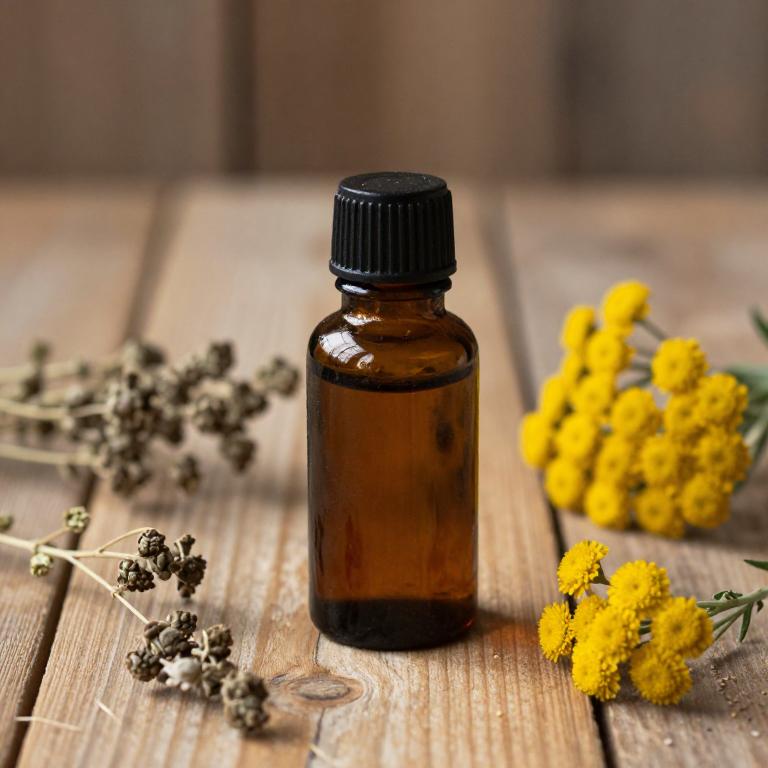
Achillea millefolium, commonly known as yarrow, is a herb that has been traditionally used for its anti-inflammatory and astringent properties.
Its essential oil, derived through steam distillation of the dried aerial parts of the plant, contains compounds such as chamazulene and bisabolol, which are known for their soothing and calming effects. When used topically, Achillea millefolium essential oil may help reduce the appearance of eye bags by tightening the skin and diminishing puffiness. It is often diluted with a carrier oil before application to prevent skin irritation.
Due to its mild nature, it can be a gentle and effective alternative for those seeking natural remedies for under-eye concerns.
5. Stinging nettle (Urtica dioica)
Urtica dioica, commonly known as stinging nettle, contains essential oils that have been explored for their potential benefits in reducing the appearance of eye bags.
These essential oils are rich in antioxidants and anti-inflammatory compounds, which may help to diminish dark circles and puffiness around the eyes. When used in topical formulations, such as eye creams or serums, the essential oils from urtica dioica may support skin renewal and improve circulation in the delicate under-eye area. However, it is important to note that while preliminary research suggests possible benefits, more clinical studies are needed to fully validate their efficacy for eye bags.
As with any herbal remedy, it is advisable to consult a healthcare professional before incorporating urtica dioica essential oils into a skincare routine.
6. Camellia (Camellia sinensis)
Camellia sinensis, commonly known as the tea plant, is the source of various herbal essential oils that are increasingly being explored for their potential benefits in skincare, particularly for reducing the appearance of eye bags.
These essential oils, derived from the leaves of the plant, contain bioactive compounds such as polyphenols and antioxidants that may help to strengthen capillaries and reduce inflammation around the delicate eye area. When used in topical applications, such as eye creams or serums, these oils may promote circulation and support skin elasticity, potentially minimizing puffiness and dark circles. However, it is important to note that while preliminary research suggests these oils may offer some benefits, more clinical studies are needed to fully understand their efficacy and safety for long-term use.
As with any essential oil, proper dilution and patch testing are recommended to avoid irritation, especially given the sensitive nature of the skin around the eyes.
7. Thistle (Silybum marianum)
Silybum marianum, also known as milk thistle, is a herbal plant traditionally used for its potential liver-protecting properties, but its essential oils are increasingly being explored for their benefits in addressing eye bags.
The essential oils derived from Silybum marianum contain compounds such as flavonoids and lignans, which may help reduce inflammation and promote skin rejuvenation. When applied topically, these oils may help tighten the skin around the eyes and diminish the appearance of dark circles and puffiness. However, it is important to note that while preliminary studies suggest potential benefits, more research is needed to confirm their efficacy for eye bags.
As with any herbal treatment, it is advisable to consult a healthcare professional before use, especially for those with sensitive skin or existing medical conditions.
8. Dog rose (Rosa canina)
Rosa canina, also known as rosehip, is a natural remedy that has been used for centuries for its potent anti-inflammatory and regenerative properties.
When extracted into an essential oil, Rosa canina offers a rich source of vitamins A and C, as well as essential fatty acids, which are beneficial for skin health. This essential oil is particularly effective in reducing the appearance of eye bags due to its ability to improve circulation and reduce fluid retention around the delicate eye area. It can be diluted with a carrier oil and applied gently around the eyes to help diminish dark circles and puffiness.
Regular use of Rosa canina essential oil may promote a more youthful and refreshed appearance by supporting skin elasticity and overall eye health.
9. Lemon balm (Melissa officinalis)
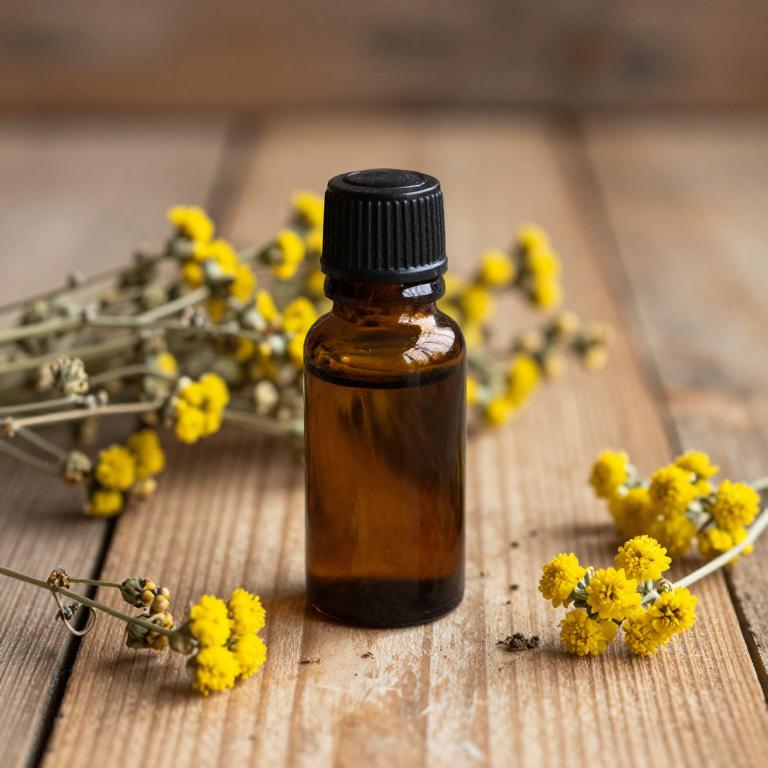
Melissa officinalis, also known as lemon balm, is a herb commonly used in aromatherapy for its calming and soothing properties.
Its essential oil is often utilized in skincare routines due to its potential benefits for the delicate skin around the eyes. When applied topically, Melissa officinalis essential oil may help reduce the appearance of eye bags by promoting circulation and reducing inflammation. It is typically diluted with a carrier oil before use to avoid irritation, as the skin under the eyes is particularly sensitive.
This essential oil is also believed to have a mild uplifting effect, making it a versatile ingredient in both skincare and aromatherapy practices.
10. English lavender (Lavandula angustifolia)
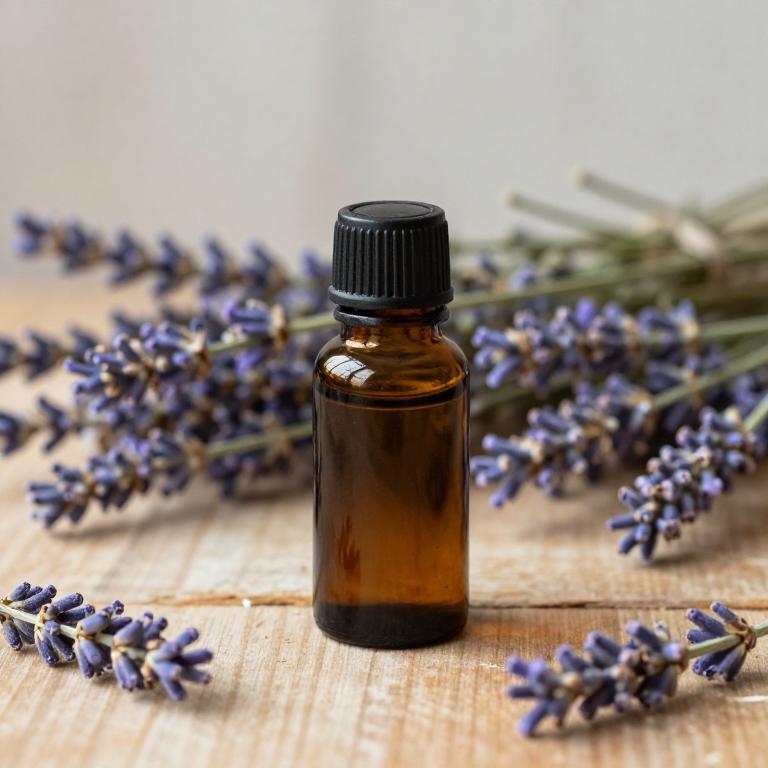
Lavandula angustifolia, commonly known as English lavender, is renowned for its calming and soothing properties, making its essential oil a popular choice for addressing eye bags.
The essential oil contains compounds like linalool and linalyl acetate, which have anti-inflammatory and antioxidant effects that can help reduce swelling and darkening around the eyes. When diluted properly, lavender essential oil can be applied topically around the eyes to promote circulation and diminish the appearance of puffiness. Its gentle nature makes it suitable for sensitive skin, offering a natural alternative to conventional eye treatments.
Regular use of lavender essential oil may contribute to a more refreshed and youthful appearance by supporting skin health and reducing the signs of fatigue around the eyes.