10 Best Herbal Decoctions For Erectile Dysfunction
Herbal decoctions have been traditionally used to address erectile dysfunction by enhancing blood flow and sexual vitality.
Common herbs such as ginseng, ashwagandha, and tribulus terrestris are often included in these formulations due to their purported ability to improve libido and support erectile function. These decoctions typically involve simmering dried herbs in water to extract their active compounds, which are believed to have adaptogenic and aphrodisiac properties. While some studies suggest potential benefits, the effectiveness of herbal decoctions can vary, and they should be used with caution and under professional guidance.
As with any health treatment, it is important to consult a healthcare provider before starting herbal therapy for erectile dysfunction.
Table of Contents
- 1. Velvet bean (Mucuna pruriens)
- 2. Tongkat ali (Eurycoma longifolia)
- 3. Puncture vine (Tribulus terrestris)
- 4. Barrenwort (Epimedium grandiflorum)
- 5. Horse radish (Cnidium monnieri)
- 6. Ginger (Zingiber officinale)
- 7. Ashwagandha (Withania somnifera)
- 8. Black henbane (Hyoscyamus niger)
- 9. Long pepper (Piper longum)
- 10. Ginkgo (Ginkgo biloba)
1. Velvet bean (Mucuna pruriens)
Mucuna pruriens, commonly known as the velvet bean, has been traditionally used in Ayurvedic medicine for its potential benefits in treating erectile dysfunction.
The herb contains significant amounts of L-dopa, a precursor to dopamine, which may help improve sexual function by enhancing libido and arousal. Herbal decoctions made from Mucuna pruriens are prepared by boiling the seeds in water, and the resulting infusion is consumed as a supplement. Studies suggest that these decoctions may support sexual health by improving blood flow and nerve function in the genital area.
However, it is important to consult a healthcare provider before using Mucuna pruriens, as it may interact with certain medications and have side effects in some individuals.
2. Tongkat ali (Eurycoma longifolia)
Eurycoma longifolia, commonly known as Tongkat Ali, is a traditional herbal remedy widely used in Southeast Asia for its purported benefits in enhancing male sexual health.
Herbal decoctions made from the roots of Eurycoma longifolia are often prepared by boiling the dried roots in water, resulting in a concentrated tonic that is consumed regularly. Studies suggest that the plant contains bioactive compounds such as alkaloids and quassinoids, which may help improve libido and support erectile function by influencing hormone levels and reducing stress. While some clinical trials have shown promising results, more rigorous research is needed to fully establish its efficacy and safety for treating erectile dysfunction.
As with any herbal remedy, it is advisable to consult a healthcare professional before use, especially for individuals with pre-existing medical conditions or those taking other medications.
3. Puncture vine (Tribulus terrestris)
Tribulus terrestris, commonly known as puncture vine, is a herbal remedy that has been traditionally used to support sexual health and enhance libido.
Its herbal decoctions are believed to improve erectile function by increasing testosterone levels and enhancing blood flow to the genital area. While some studies suggest potential benefits for men with mild erectile dysfunction, the evidence remains inconclusive and varies across different research findings. Many users report improved sexual performance and increased energy, though these effects may not be consistent for everyone.
As with any herbal supplement, it is important to consult a healthcare provider before use, especially for individuals with pre-existing medical conditions or those taking other medications.
4. Barrenwort (Epimedium grandiflorum)
Epimedium grandiflorum, commonly known as barbatan or bishop's hat, has been traditionally used in herbal medicine for its potential benefits in treating erectile dysfunction.
The plant contains compounds such as icariin, which is believed to enhance nitric oxide production and improve blood flow to the penis. Herbal decoctions made from Epimedium grandiflorum are often prepared by boiling the dried leaves or roots in water, and they are consumed as a tonic to support sexual health. These decoctions are thought to work by improving endothelial function and increasing libido, making them a popular remedy in traditional Chinese medicine.
However, while some studies suggest possible efficacy, more clinical research is needed to fully understand their safety and effectiveness for erectile dysfunction.
5. Horse radish (Cnidium monnieri)
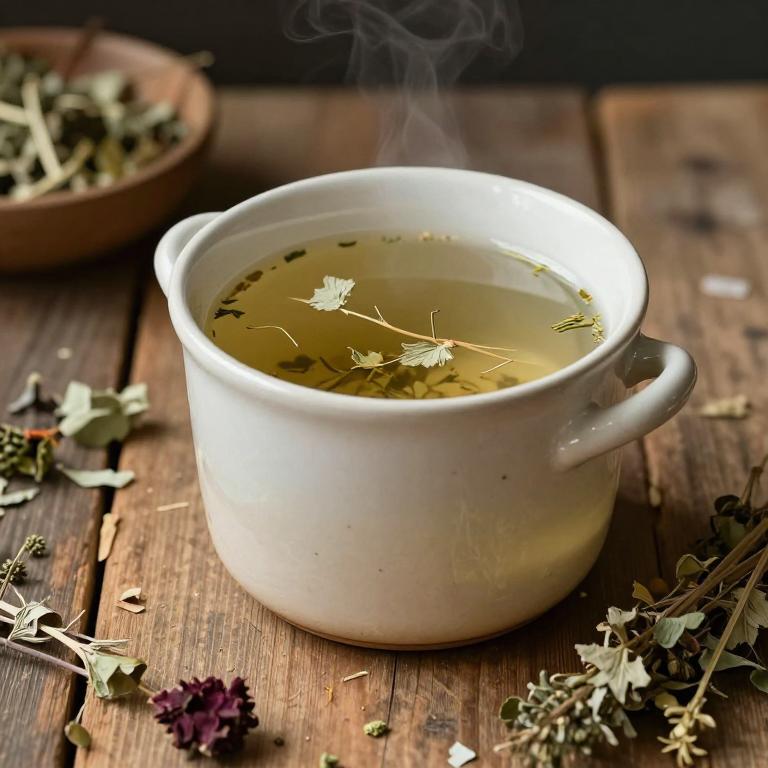
Cnidium monnieri, a traditional Chinese medicinal herb, has been used for centuries to address various health issues, including erectile dysfunction.
Its active compounds, such as alkaloids and flavonoids, are believed to enhance blood flow and improve sexual function by promoting nitric oxide production. Herbal decoctions made from Cnidium monnieri are often prepared by boiling the roots in water, resulting in a potent remedy that is consumed regularly. Studies suggest that these decoctions may help increase libido and support penile erection by improving vascular health.
However, while some anecdotal evidence supports its efficacy, more clinical research is needed to fully validate its role in treating erectile dysfunction.
6. Ginger (Zingiber officinale)
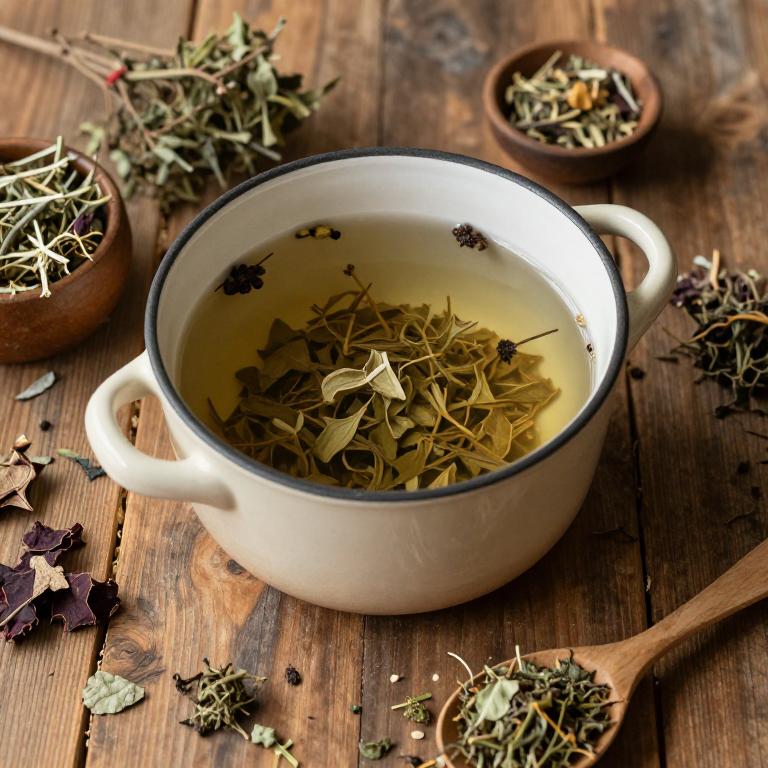
Zingiber officinale, commonly known as ginger, has been traditionally used in herbal medicine for its potential health benefits, including its possible role in addressing erectile dysfunction.
Herbal decoctions made from fresh or dried ginger roots are believed to enhance blood circulation, which is crucial for achieving and maintaining an erection. The active compounds in ginger, such as gingerols and shogaols, may help improve vascular function and reduce inflammation, contributing to better sexual health. While some studies suggest that ginger may support overall cardiovascular health, more clinical research is needed to confirm its efficacy specifically for erectile dysfunction.
As with any herbal remedy, it is important to consult a healthcare professional before using ginger decoctions, especially if you are taking other medications or have underlying health conditions.
7. Ashwagandha (Withania somnifera)
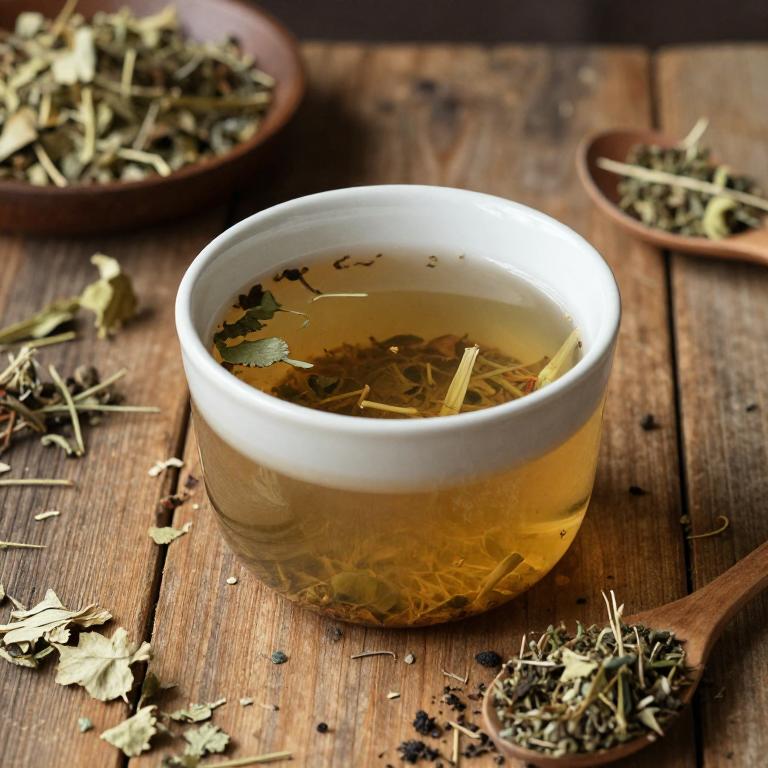
Withania somnifera, commonly known as ashwagandha, has been traditionally used in Ayurvedic medicine for its adaptogenic properties, which may support overall health and stress reduction.
Recent studies suggest that ashwagandha herbal decoctions may help improve erectile function by enhancing testosterone levels and reducing oxidative stress in the body. The active compounds in ashwagandha, such as withanolides, are believed to modulate hormone production and improve blood flow, both of which are critical for achieving and maintaining an erection. While some clinical trials show promising results, more research is needed to fully understand its efficacy and safety for treating erectile dysfunction.
As with any herbal remedy, it is advisable to consult a healthcare provider before use, especially if other medications are being taken.
8. Black henbane (Hyoscyamus niger)
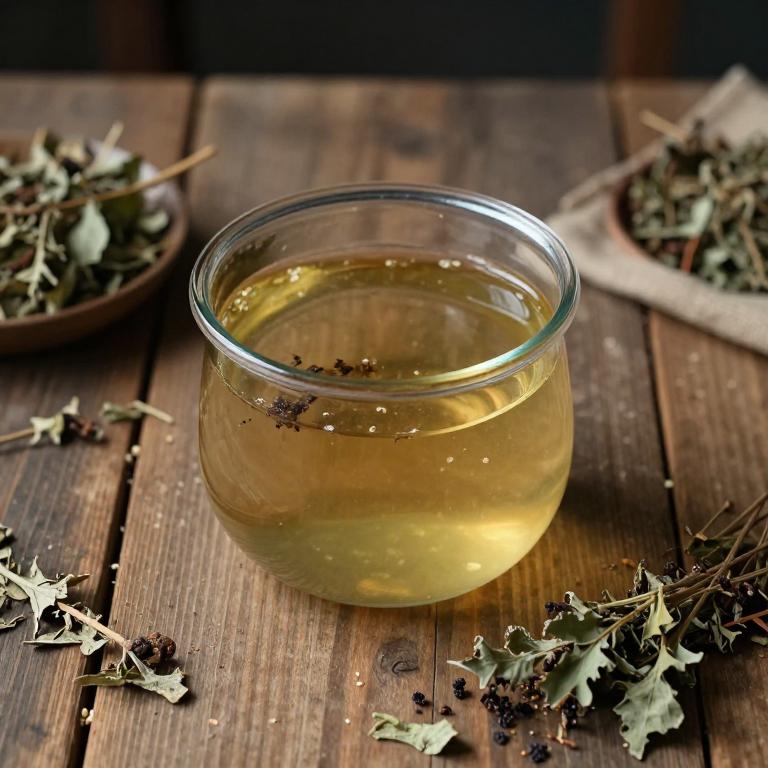
Hyoscyamus niger, commonly known as black henbane, is a traditional herbal remedy that has been used historically for various medicinal purposes, including the treatment of erectile dysfunction.
Its herbal decoctions are prepared by boiling the dried leaves and seeds in water to extract its active compounds, which include alkaloids such as hyoscyamine and scopolamine. These compounds are believed to have anticholinergic properties that may influence the nervous system and improve blood flow, potentially aiding in erectile function. However, due to its potent effects and potential for toxicity, the use of Hyoscyamus niger decoctions should be approached with caution and under the guidance of a qualified healthcare professional.
While some studies suggest possible benefits, more rigorous clinical research is needed to establish its safety and efficacy for treating erectile dysfunction.
9. Long pepper (Piper longum)
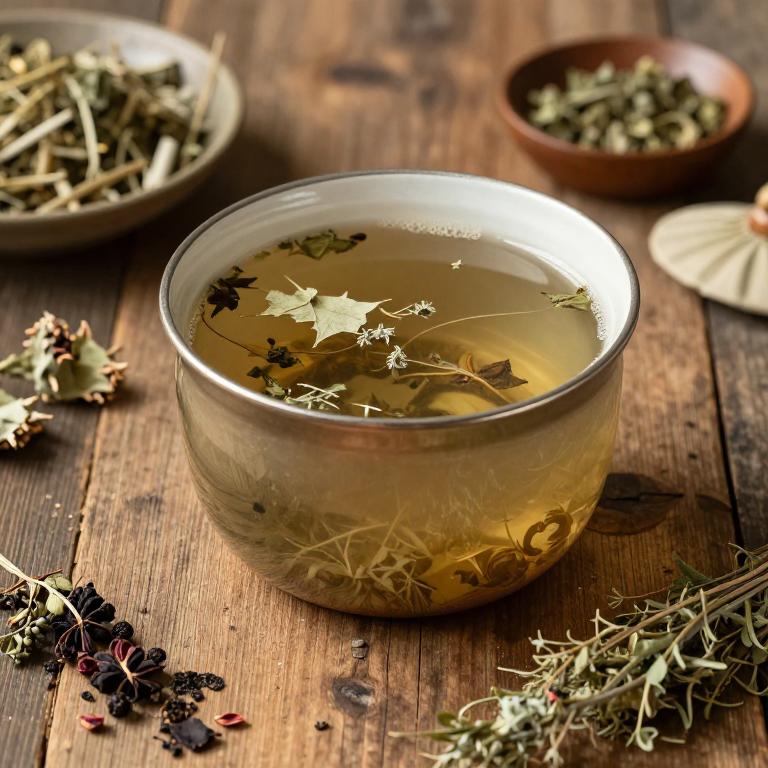
Piper longum, commonly known as long pepper, has been traditionally used in Ayurvedic medicine for its purported health benefits, including its potential role in addressing erectile dysfunction.
Herbal decoctions made from Piper longum are believed to enhance blood flow and stimulate nerve function, which may contribute to improved sexual health. The active compounds in long pepper, such as piperine, are thought to have antioxidant and anti-inflammatory properties that support overall vascular health. However, while some studies suggest possible benefits, more rigorous clinical research is needed to confirm its efficacy and safety for treating erectile dysfunction.
As with any herbal remedy, it is important to consult a healthcare professional before use, especially for individuals with pre-existing medical conditions or those on medication.
10. Ginkgo (Ginkgo biloba)
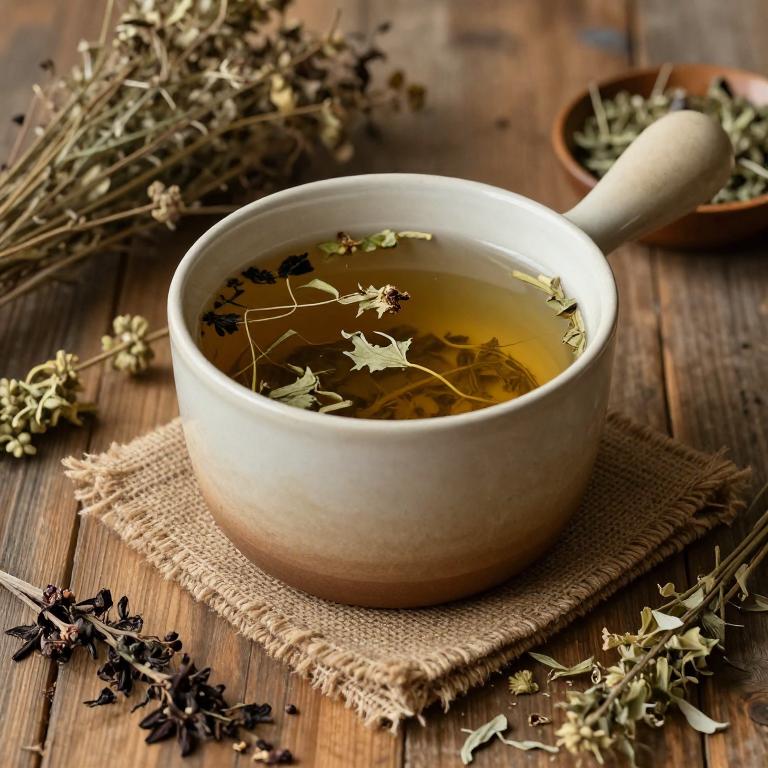
Ginkgo biloba, a traditional herbal remedy, has been studied for its potential benefits in improving erectile dysfunction (ED) due to its ability to enhance blood flow and support vascular health.
The herb contains flavonoids and terpenoids, which are believed to act as antioxidants and improve circulation by dilating blood vessels. Some clinical studies suggest that ginkgo biloba may help increase nitric oxide production, a key factor in achieving and maintaining an erection. However, more rigorous research is needed to confirm its efficacy and safety for treating ED, as results have been inconsistent.
While it is generally considered safe, individuals should consult with a healthcare provider before using ginkgo biloba, especially if they are taking other medications or have underlying health conditions.