10 Best Herbal Creams For Enlarged Spleen
Herbal creams are often used as a complementary approach to support overall health, including conditions like an enlarged spleen, though they are not a substitute for medical treatment.
These creams typically contain natural ingredients such as turmeric, ginger, and arnica, which are believed to have anti-inflammatory and circulatory benefits. While some traditional remedies suggest applying these creams to the abdomen or chest area to promote healing, there is limited scientific evidence supporting their effectiveness for spleen-related issues. It is important to consult a healthcare professional before using any herbal products, especially if the enlargement is due to an underlying condition such as infection or disease.
Always ensure that the products are safe, properly formulated, and free from harmful additives.
Table of Contents
- 1. St. john's wort (Hypericum perforatum)
- 2. Thistle (Silybum marianum)
- 3. Salvia (Salvia officinalis)
- 4. Blessed thistle (Cnicus benedictus)
- 5. Turmeric (Curcuma longa)
- 6. Chaste tree (Vitex agnus-castus)
- 7. Dandelion (Taraxacum officinale)
- 8. Stinging nettle (Urtica dioica)
- 9. Echinacea (Echinacea purpurea)
- 10. English lavender (Lavandula angustifolia)
1. St. john's wort (Hypericum perforatum)
Hypericum perforatum, commonly known as St. John's wort, is primarily recognized for its use in treating mild to moderate depression, but it has also been explored for its potential benefits in supporting overall health, including conditions affecting the spleen.
While there is limited scientific evidence specifically linking St. John's wort to the treatment of an enlarged spleen, some traditional herbal practices have used it for its anti-inflammatory and immune-modulating properties. Herbal creams containing Hypericum perforatum may be used topically to support skin health and reduce inflammation, but they are not a direct treatment for spleen enlargement. It is important to consult a healthcare professional before using any herbal remedy, as the spleen is a vital organ and improper treatment can lead to serious complications.
Always ensure that any herbal product is used under the guidance of a qualified practitioner, especially when dealing with internal health conditions like an enlarged spleen.
2. Thistle (Silybum marianum)
Silybum marianum, commonly known as milk thistle, is a herbal remedy often used in the formulation of creams and topical treatments.
While it is well-known for its liver-protective properties, its potential benefits for conditions involving the spleen, such as an enlarged spleen, are less widely studied. Some proponents suggest that the anti-inflammatory and antioxidant compounds in milk thistle may help reduce inflammation and support overall spleen function. However, there is limited scientific evidence to confirm its effectiveness in treating an enlarged spleen specifically.
It is important to consult a healthcare professional before using any herbal cream for spleen-related conditions, as it may not be a substitute for conventional medical treatment.
3. Salvia (Salvia officinalis)
Salvia officinalis, commonly known as sage, has been traditionally used in herbal medicine for its anti-inflammatory and immune-boosting properties.
While there is limited scientific evidence directly linking sage to the treatment of an enlarged spleen, some herbal creams containing sage may help reduce inflammation and support overall immune function, which could indirectly aid in managing spleen-related conditions. These creams typically combine sage with other herbs like chamomile or calendula to enhance their therapeutic effects. However, it is important to consult a healthcare professional before using any herbal remedies for an enlarged spleen, as the condition can be a symptom of more serious underlying health issues.
Always ensure that the products used are safe, properly labeled, and suitable for your specific health needs.
4. Blessed thistle (Cnicus benedictus)
Cnicus benedictus, also known as St. Benedict's herb, has been traditionally used in herbal medicine for its potential health benefits, including support for liver and spleen function.
While there is limited scientific evidence directly linking Cnicus benedictus to the treatment of an enlarged spleen, some practitioners believe it may help reduce inflammation and improve detoxification processes in the body. Herbal creams containing Cnicus benedictus are sometimes used topically to support overall organ health and promote healing. However, it is important to consult a healthcare professional before using any herbal remedy, especially for conditions like an enlarged spleen, which may require medical intervention.
Always ensure that herbal products are sourced from reputable manufacturers and used as part of a comprehensive treatment plan.
5. Turmeric (Curcuma longa)
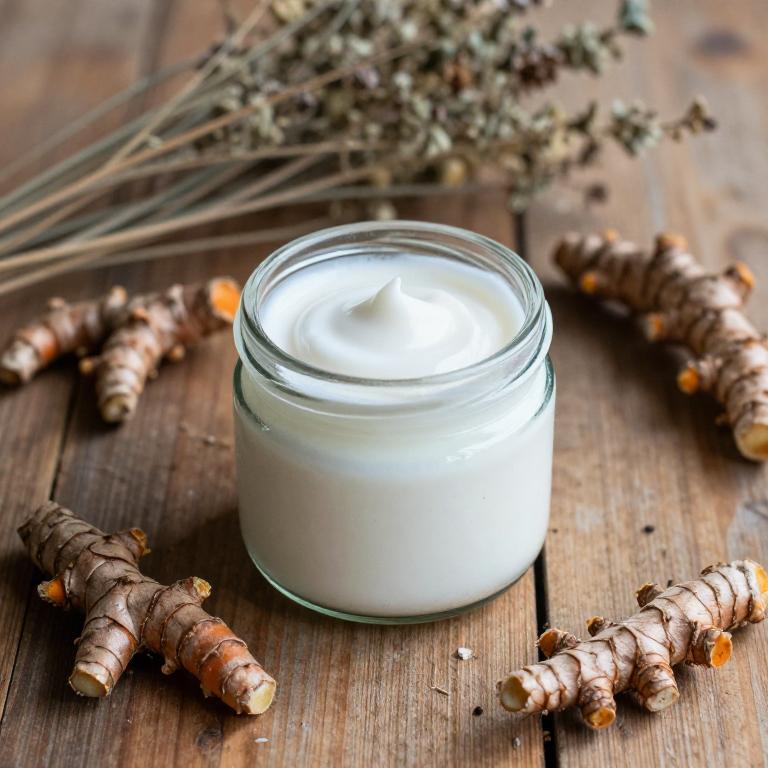
Curcuma longa, commonly known as turmeric, has been traditionally used in herbal medicine for its anti-inflammatory and antioxidant properties.
While there is limited scientific evidence directly linking curcuma longa to the treatment of an enlarged spleen, some studies suggest that its active compound, curcumin, may help reduce inflammation and support liver function, which could indirectly benefit spleen health. Herbal creams containing curcuma longa are often applied topically to alleviate pain and inflammation associated with various conditions, but they are not a substitute for medical treatment of an enlarged spleen.
It is important to consult a healthcare professional before using any herbal remedy for a condition like an enlarged spleen, as it may indicate an underlying health issue that requires proper diagnosis and treatment.
6. Chaste tree (Vitex agnus-castus)
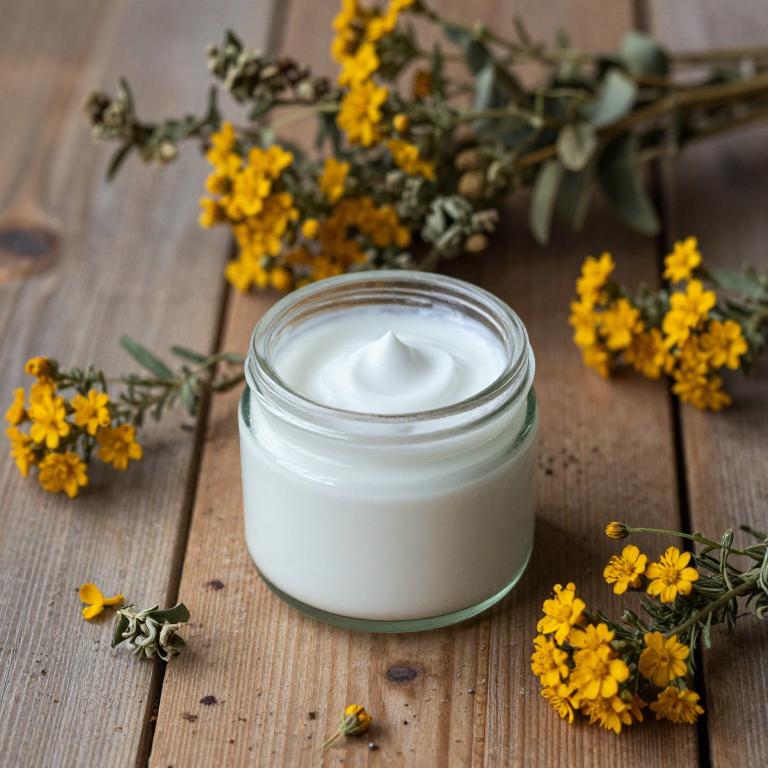
Vitex agnus-castus, commonly known as chaste tree, is a herbal remedy that has been traditionally used to support hormonal balance and overall wellness.
While there is limited scientific evidence directly linking vitex to the treatment of an enlarged spleen, some practitioners suggest that its anti-inflammatory and immune-modulating properties may indirectly support spleen health. Herbal creams containing vitex are often marketed for their potential to reduce inflammation and promote tissue healing, which may offer some benefit in managing symptoms associated with spleen enlargement. However, it is important to consult with a healthcare professional before using any herbal remedy, as the spleen is a vital organ and improper treatment can be dangerous.
Overall, while vitex may support general immune function, it should not be considered a primary treatment for an enlarged spleen without medical supervision.
7. Dandelion (Taraxacum officinale)
Taraxacum officinale, commonly known as dandelion, has been traditionally used in herbal medicine for its detoxifying properties and potential benefits for liver and spleen health.
Dandelion-based herbal creams are formulated to support the body's natural detoxification processes, which may help in reducing the size of an enlarged spleen by promoting lymphatic drainage and reducing inflammation. These creams often contain extracts from the leaves and roots of the dandelion plant, which are rich in antioxidants, vitamins, and minerals. While they are not a substitute for medical treatment, some studies suggest that dandelion may aid in improving spleen function when used as part of a holistic approach.
It is important to consult a healthcare professional before using herbal creams, especially if you have a diagnosed medical condition like an enlarged spleen.
8. Stinging nettle (Urtica dioica)
Urtica dioica, commonly known as stinging nettle, has been traditionally used in herbal medicine for its potential health benefits.
While there is limited scientific evidence directly linking Urtica dioica herbal creams to the treatment of an enlarged spleen, some proponents suggest that its anti-inflammatory and detoxifying properties may support overall lymphatic system health. These creams are often applied topically to reduce inflammation and promote circulation, which may indirectly benefit conditions affecting the spleen. However, it is important to note that Urtica dioica should not be considered a substitute for medical treatment for an enlarged spleen, and individuals should consult with a healthcare professional before using it.
Further research is needed to fully understand the efficacy and safety of these creams in addressing spleen-related conditions.
9. Echinacea (Echinacea purpurea)
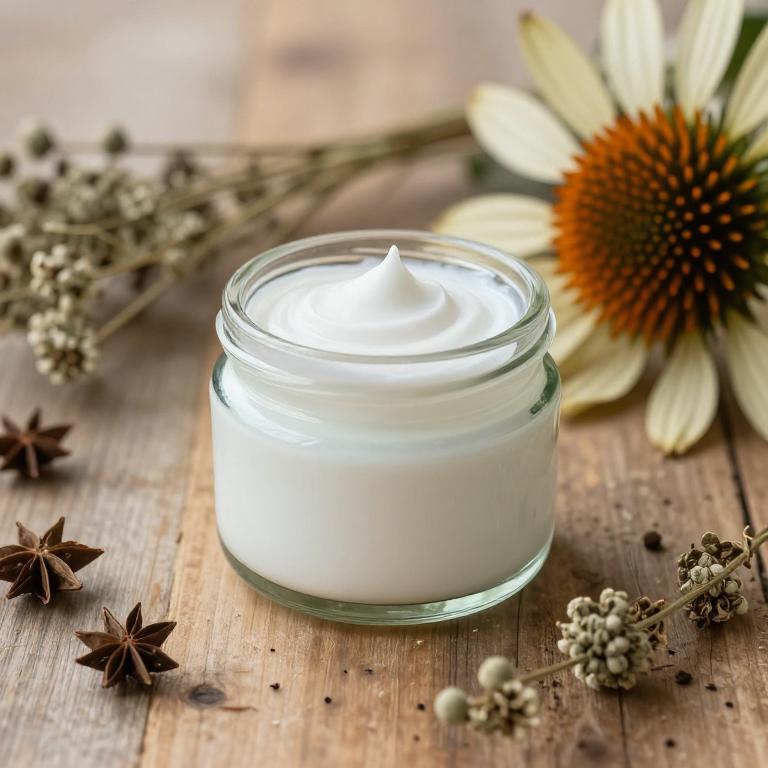
Echinacea purpurea, commonly known as purple coneflower, is a popular herbal remedy often used for its immune-boosting properties.
While it is widely recognized for supporting the immune system, there is limited scientific evidence directly linking echinacea-based creams to the treatment of an enlarged spleen. Some traditional herbal practices suggest that echinacea may have anti-inflammatory and antioxidant effects that could potentially aid in reducing spleen size by mitigating underlying inflammation. However, it is important to note that echinacea creams should not be considered a substitute for medical treatment, especially for conditions like splenomegaly, which may indicate more serious underlying health issues.
Individuals with an enlarged spleen should consult with a healthcare professional before using any herbal remedies to ensure safety and appropriate care.
10. English lavender (Lavandula angustifolia)
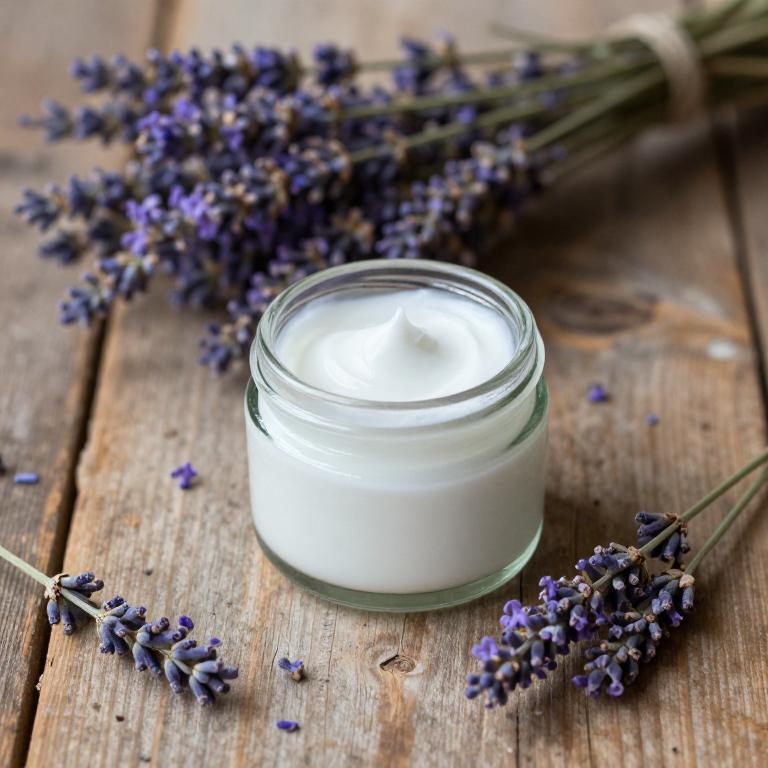
Lavandula angustifolia, commonly known as English lavender, has been traditionally used in herbal medicine for its soothing and anti-inflammatory properties.
While there is no direct scientific evidence that lavender cream can shrink an enlarged spleen, some herbal practitioners suggest that its calming effects may help reduce stress and inflammation, which could indirectly support overall immune function. Lavender essential oil, when diluted and applied topically, may help alleviate discomfort and promote relaxation in individuals with spleen-related symptoms. However, it is important to consult a healthcare professional before using any herbal remedy for an enlarged spleen, as this condition may indicate an underlying medical issue.
Combining lavender-based creams with conventional treatments may offer a holistic approach to managing spleen health.