10 Best Herbal Creams For Earache
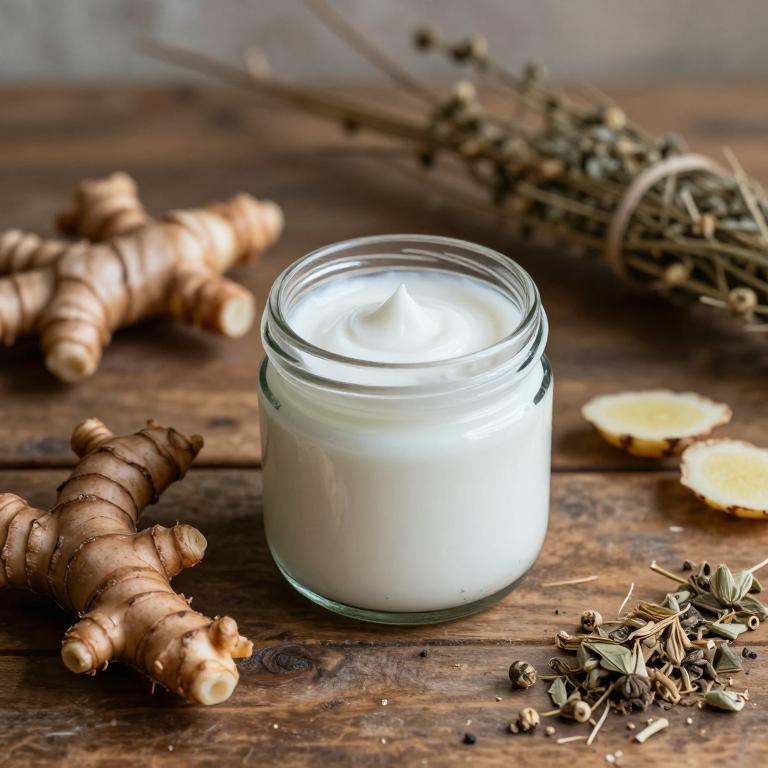
Herbal creams for earache are natural topical treatments that often contain ingredients like garlic, eucalyptus, and menthol, which are known for their soothing and anti-inflammatory properties.
These creams are commonly used to alleviate pain and reduce inflammation in the ear, particularly in cases of mild infections or irritation. Unlike traditional pharmaceutical creams, herbal alternatives are generally considered safer for sensitive areas and may offer a gentler approach to relief. However, it is important to consult a healthcare professional before using any herbal cream, especially if the earache is persistent or severe.
While some people find herbal creams effective, their efficacy can vary, and they may not replace medical treatment for more serious ear conditions.
Table of Contents
- 1. Ginger (Zingiber officinale)
- 2. St. john's wort (Hypericum perforatum)
- 3. Yarrow (Achillea millefolium)
- 4. Chamomile (Matricaria chamomilla)
- 5. Chaste tree (Vitex agnus-castus)
- 6. German chamomile (Chamomilla recutita)
- 7. Mountain arnica (Arnica montana)
- 8. Eucalyptus (Eucalyptus globulus)
- 9. Lemon balm (Melissa officinalis)
- 10. Dog rose (Rosa canina)
1. Ginger (Zingiber officinale)
Zingiber officinale, commonly known as ginger, has been traditionally used for its anti-inflammatory and analgesic properties, making it a potential ingredient in herbal creams for alleviating earache.
These creams often combine ginger extract with other natural components like beeswax, essential oils, and herbal infusions to create a soothing topical treatment. The warming effect of ginger can help reduce pain and inflammation in the ear canal, offering relief from conditions such as otitis media or ear infections. However, it is important to consult a healthcare professional before using such creams, especially if the earache is severe or persistent.
While some studies suggest the efficacy of ginger in pain management, more research is needed to fully understand its effectiveness for ear-related ailments.
2. St. john's wort (Hypericum perforatum)
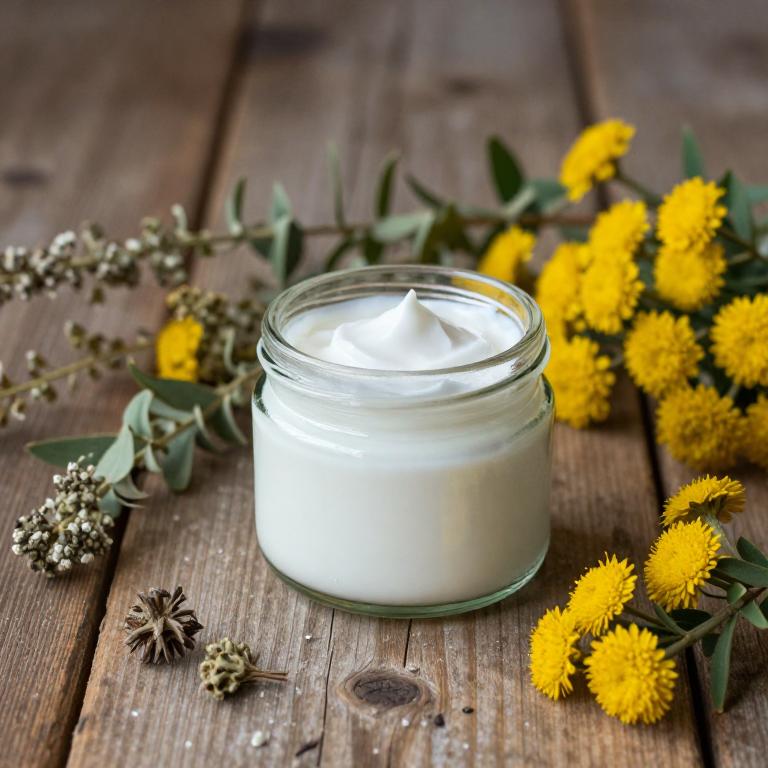
Hypericum perforatum, commonly known as St. John's Wort, is a herbal remedy that has been traditionally used for its anti-inflammatory and analgesic properties.
When formulated into a cream, it may provide relief for earaches by reducing inflammation and soothing the affected area. The active compounds in hypericum perforatum, such as hyperforin and flavonoids, are believed to contribute to its pain-relieving effects. However, it is important to consult a healthcare professional before using such creams, especially if there is an underlying infection or if the user is taking other medications.
While some individuals may find relief with hypericum perforatum cream, its effectiveness for earache can vary, and it should not replace medical treatment when necessary.
3. Yarrow (Achillea millefolium)
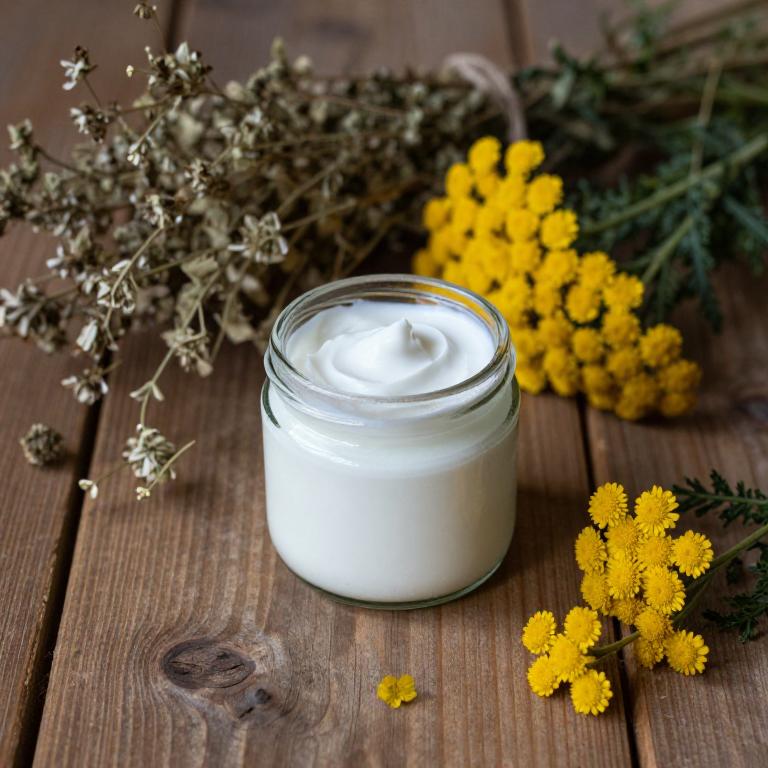
Achillea millefolium, commonly known as yarrow, has been traditionally used in herbal medicine for its anti-inflammatory and astringent properties.
When incorporated into herbal creams, it may provide relief for earache by reducing inflammation and soothing irritated tissues in the ear canal. These creams often combine yarrow with other soothing herbs like chamomile or calendula to enhance their therapeutic effects. However, it is important to consult a healthcare professional before using any herbal remedy for earache, especially if there is an underlying infection or condition.
While some people find relief with yarrow-based creams, scientific evidence supporting their efficacy for earache is limited, and they should not replace conventional medical treatments.
4. Chamomile (Matricaria chamomilla)
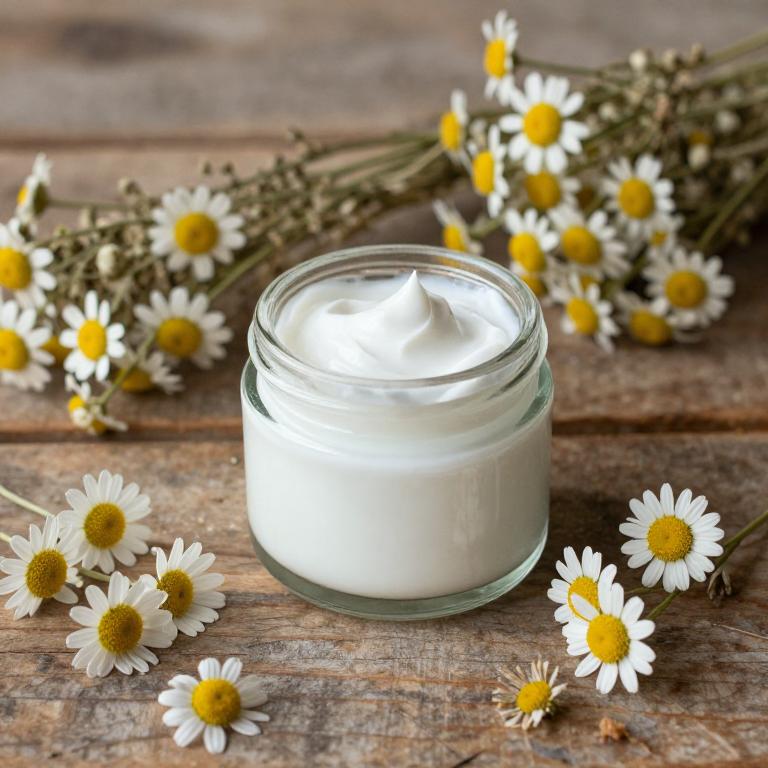
Matricaria chamomilla, commonly known as chamomile, is often used in herbal creams for its soothing and anti-inflammatory properties.
These creams are typically formulated with chamomile extract, which has been traditionally used to relieve discomfort and reduce irritation. When applied to the affected area, the cooling effect of chamomile can provide temporary relief from earache by numbing the pain and reducing inflammation. However, it is important to consult a healthcare professional before using such creams, especially if the earache is persistent or accompanied by other symptoms.
While herbal creams may offer some relief, they should not replace medical treatment for more severe or persistent ear conditions.
5. Chaste tree (Vitex agnus-castus)
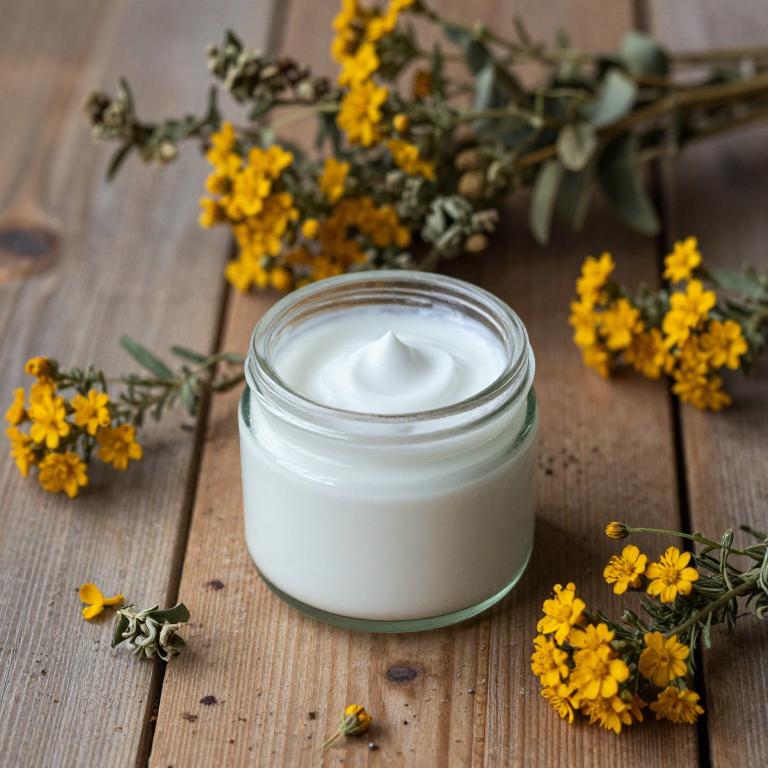
Vitex agnus-castus, commonly known as chasteberry, is often used in herbal remedies for its potential anti-inflammatory and analgesic properties.
While it is more commonly associated with hormonal balance and menstrual health, some herbal creams containing vitex may be applied topically to alleviate symptoms of earache by reducing inflammation and soothing the affected area. These creams are typically made from a blend of herbs, including vitex, and are marketed as natural alternatives to conventional pain relief products. However, it is important to note that there is limited scientific research specifically supporting the effectiveness of vitex-containing creams for earache.
As with any herbal remedy, it is advisable to consult a healthcare professional before use, especially if the earache persists or is accompanied by other symptoms.
6. German chamomile (Chamomilla recutita)
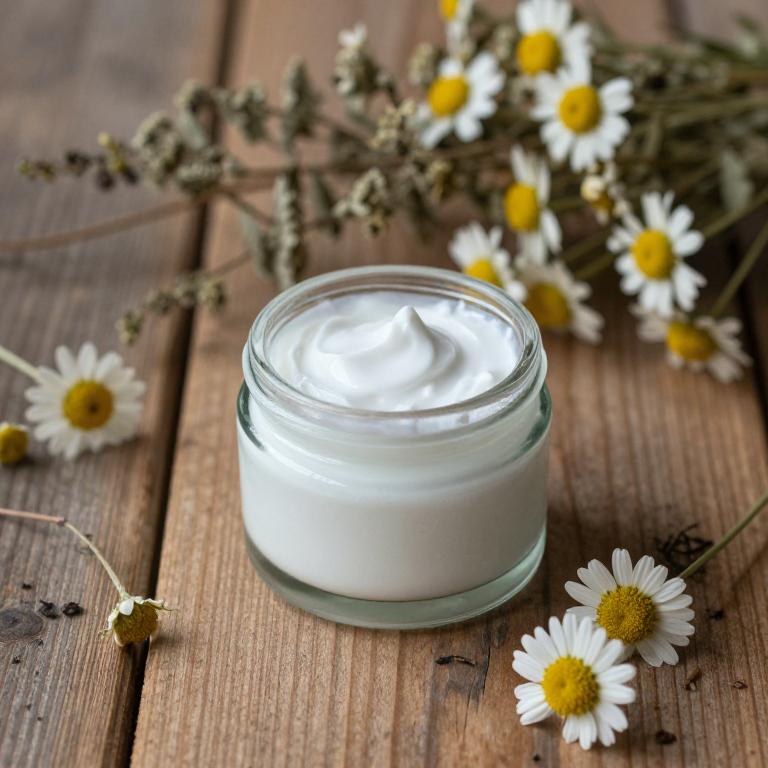
Chamomilla recutita, commonly known as German chamomile, is often used in herbal creams to alleviate earache due to its anti-inflammatory and analgesic properties.
These creams typically contain chamomile extract, which can help reduce inflammation and soothe the pain associated with ear infections or irritation. The soothing effect of chamomile is believed to work by calming the nervous system and reducing irritation in the ear canal. When applied topically, the cream can provide localized relief without the need for systemic medications.
However, it is important to consult a healthcare professional before using chamomile creams, especially if the earache is persistent or severe, to rule out more serious underlying conditions.
7. Mountain arnica (Arnica montana)
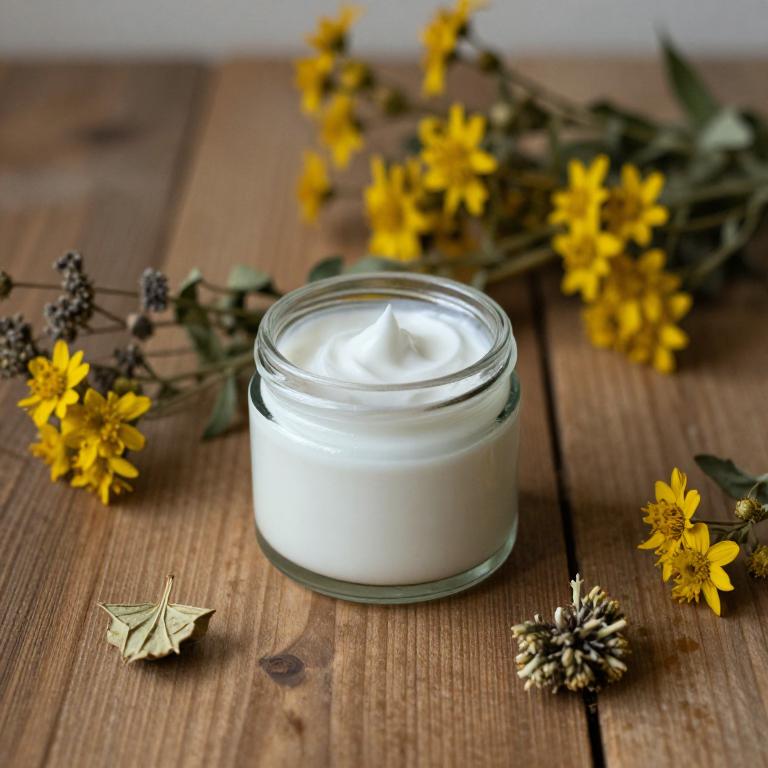
Arnica montana herbal creams are often used as a natural remedy for various types of pain, including earache, due to their anti-inflammatory and analgesic properties.
These creams contain a concentrated form of the Arnica montana plant, which is known for its ability to reduce swelling and soothe inflammation. While some people find relief from applying arnica cream to the affected area of the ear, it is important to note that it may not be suitable for all types of ear pain, especially those caused by infections. The effectiveness of arnica montana creams for earache can vary, and it is advisable to consult a healthcare professional before use, particularly if symptoms persist or worsen.
Additionally, these creams should not be applied directly into the ear canal, as they may cause irritation or other complications.
8. Eucalyptus (Eucalyptus globulus)
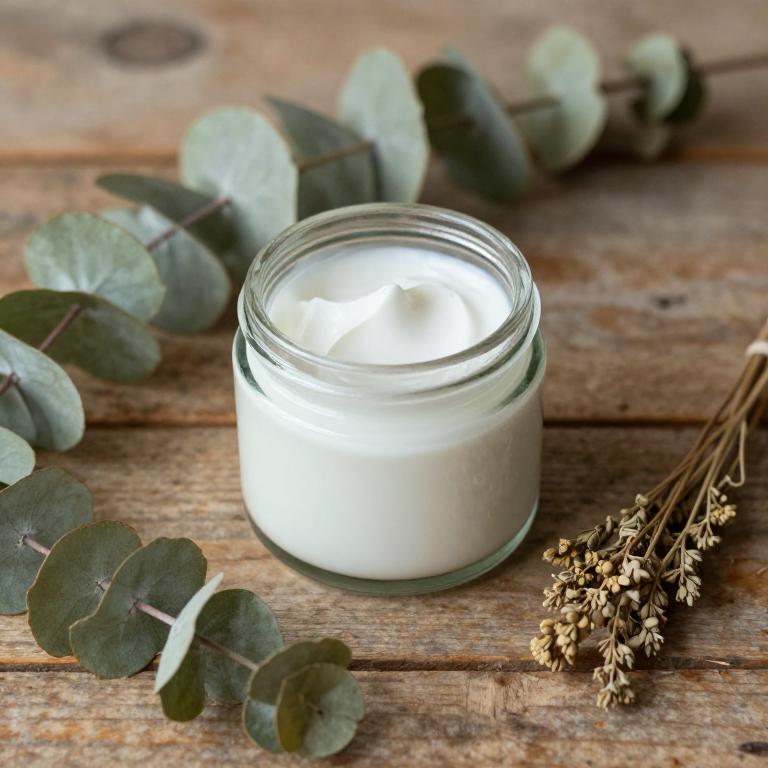
Eucalyptus globulus, commonly known as eucalyptus oil, is often used in herbal creams to provide relief from earache due to its anti-inflammatory and analgesic properties.
These creams typically combine eucalyptus oil with other soothing ingredients like menthol, camphor, and coconut oil to enhance their effectiveness. The cooling sensation from the ingredients can help reduce pain and inflammation in the ear canal, offering temporary relief from discomfort. However, it is important to consult a healthcare professional before using such creams, especially if the earache persists or is accompanied by other symptoms like discharge or fever.
While herbal creams can be a natural alternative for mild earaches, they should not replace medical treatment for more serious conditions.
9. Lemon balm (Melissa officinalis)
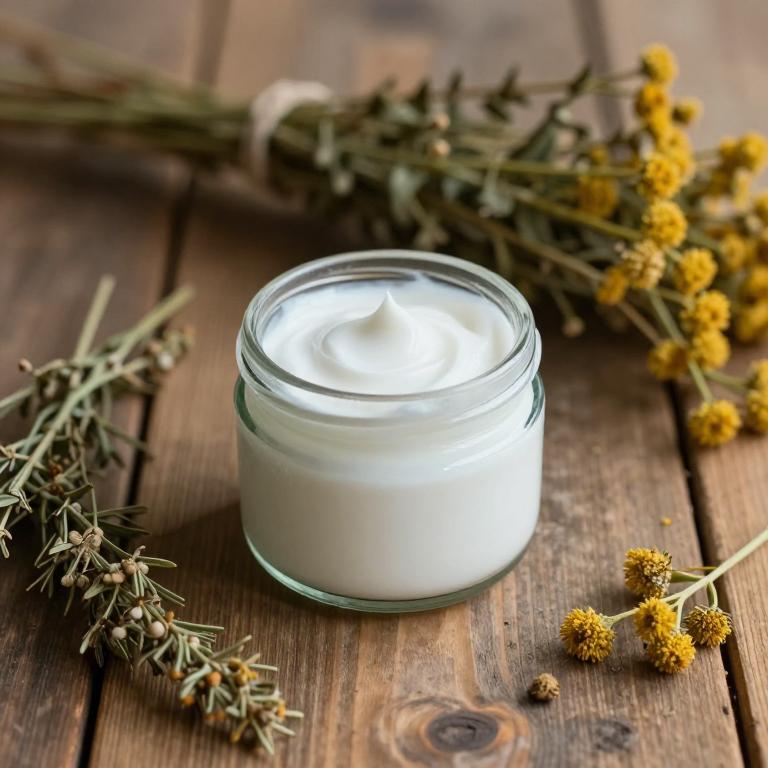
Melissa officinalis, commonly known as lemon balm, is a versatile herb often used in the formulation of herbal creams for alleviating earache.
These creams typically combine the soothing properties of lemon balm with other natural ingredients like calendula, lavender, or chamomile to provide a calming effect on the ear area. The anti-inflammatory and analgesic properties of lemon balm may help reduce pain and inflammation associated with ear infections or irritations. When applied topically, these creams can offer a gentle and non-invasive remedy for those seeking natural relief from ear discomfort.
However, it is important to consult a healthcare professional before using such creams, especially if the earache is severe or persistent.
10. Dog rose (Rosa canina)
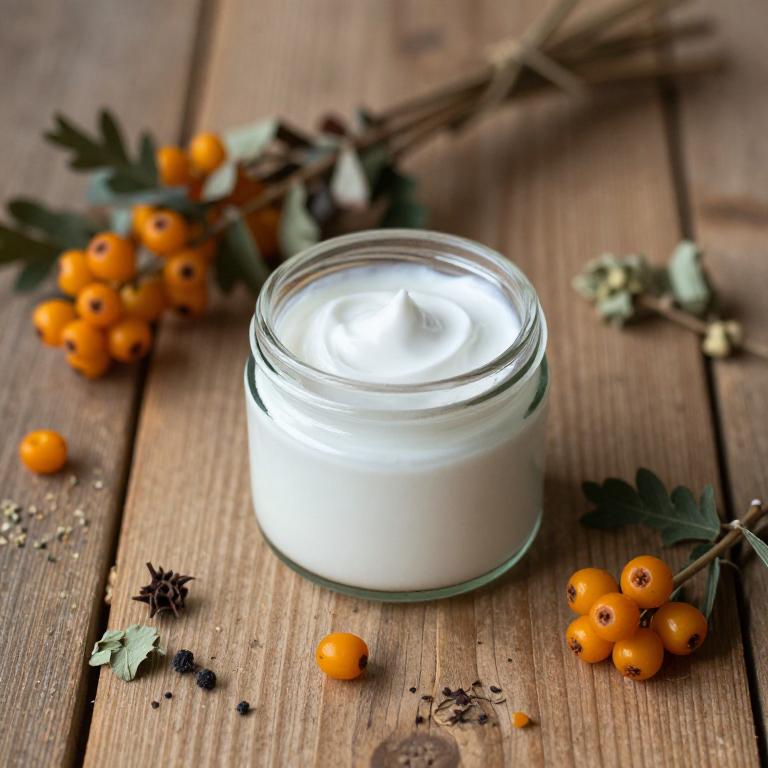
Rosa canina, commonly known as rosehip, is a natural ingredient often used in herbal creams for its anti-inflammatory and regenerative properties.
These creams are believed to help alleviate earache by reducing inflammation and promoting healing in the ear canal. The high concentration of essential fatty acids and antioxidants in rosehip oil may support tissue repair and soothe irritation. While some users report relief from using rosehip-based creams for earache, it is important to consult a healthcare professional before using them, especially if the earache is persistent or accompanied by other symptoms.
Overall, rosa canina herbal creams can be a complementary option for mild ear discomfort, but they should not replace medical treatment when necessary.