10 Best Herbal Capsules For Ear Blockage

Herbal capsules for ear blockage are commonly used as natural remedies to alleviate symptoms such as ear pressure, muffled hearing, and discomfort associated with conditions like Eustachian tube dysfunction or middle ear infections.
These capsules typically contain a blend of herbal ingredients such as garlic, ginger, turmeric, or eucalyptus, which are believed to possess anti-inflammatory, antimicrobial, and decongestant properties. While some people find relief from these herbal formulations, it is important to note that their effectiveness can vary and they may not replace professional medical treatment for persistent or severe ear blockage. Always consult a healthcare provider before using herbal capsules, especially if symptoms persist or worsen.
Additionally, proper usage and dosage are crucial to avoid potential side effects or interactions with other medications.
Table of Contents
- 1. Ginger (Zingiber officinale)
- 2. Salvia (Salvia officinalis)
- 3. Black pepper (Piper nigrum)
- 4. Eucalyptus (Eucalyptus globulus)
- 5. Chaste tree (Vitex agnus-castus)
- 6. Yarrow (Achillea millefolium)
- 7. Ginkgo (Ginkgo biloba)
- 8. Rosemary (Rosmarinus officinalis)
- 9. Ceylon cinnamon (Cinnamomum zeylanicum)
- 10. Ceylon cinnamon (Cinnamomum verum)
1. Ginger (Zingiber officinale)
Zingiber officinale, commonly known as ginger, has been traditionally used for its anti-inflammatory and circulatory benefits.
Herbal capsules containing zingiber officinale may help alleviate ear blockage by reducing inflammation in the Eustachian tube and improving blood flow. Some studies suggest that ginger's active compounds, such as gingerol and shogaol, can have a mild decongestant effect. While not a substitute for medical treatment, these capsules may offer natural relief for mild ear discomfort.
It is important to consult a healthcare professional before using ginger supplements, especially if symptoms persist or worsen.
2. Salvia (Salvia officinalis)
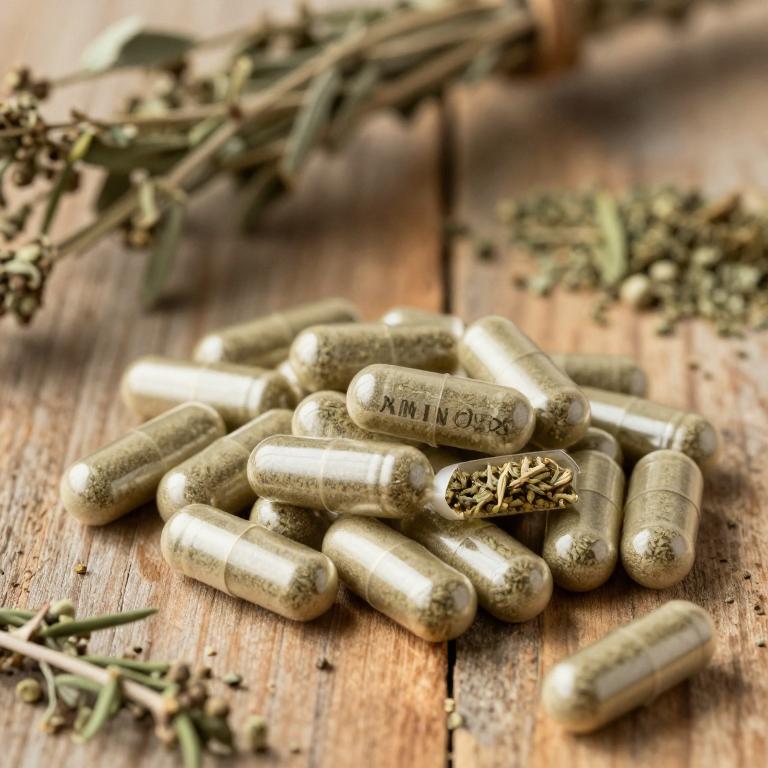
Salvia officinalis, commonly known as sage, has been traditionally used for its medicinal properties, and some herbal formulations containing sage in capsule form have been explored for their potential to alleviate ear blockage.
The herb is believed to possess anti-inflammatory and antimicrobial properties that may help reduce congestion and infection in the ear canal. While scientific evidence supporting its efficacy for ear blockage is limited, some users report relief from symptoms such as pressure and fullness when using sage-based supplements. It is important to consult a healthcare professional before using sage capsules, especially if symptoms persist or are accompanied by pain, as ear blockage can sometimes indicate a more serious condition.
As with any herbal remedy, the quality and purity of the product can vary, so choosing a reputable brand is essential for safety and effectiveness.
3. Black pepper (Piper nigrum)

Piper nigrum, commonly known as black pepper, has been traditionally used in herbal medicine for its potential therapeutic properties.
While primarily known for its role in digestion and as a spice, some alternative medicine practitioners suggest that Piper nigrum herbal capsules may help alleviate symptoms of ear blockage due to their anti-inflammatory and decongestant effects. These capsules are believed to improve circulation and reduce mucus buildup, which could potentially ease pressure in the ears. However, it is important to note that there is limited scientific research supporting the use of black pepper for ear blockage, and it should not replace professional medical advice or treatment.
Always consult a healthcare provider before using any herbal remedy for ear-related issues.
4. Eucalyptus (Eucalyptus globulus)

Eucalyptus globulus, commonly known as eucalyptus or gum tree, is often used in herbal remedies for its decongestant and anti-inflammatory properties.
Herbal capsules containing eucalyptus globulus may help alleviate symptoms of ear blockage by reducing mucus buildup and improving drainage in the Eustachian tubes. These capsules are typically made from concentrated extracts of the leaves, which contain compounds like cineole and limonene that have soothing effects on the respiratory and ear passages. While they are generally considered safe for short-term use, it is important to consult a healthcare professional before using them, especially if symptoms persist or worsen.
Eucalyptus globulus herbal capsules are often used as a complementary therapy alongside other treatments for ear blockage caused by colds, allergies, or infections.
5. Chaste tree (Vitex agnus-castus)

Vitex agnus-castus, commonly known as chasteberry, is a traditional herbal remedy that has been used for various health purposes, including hormonal balance and menstrual regulation.
While it is primarily associated with female health, some people use vitex agnus-castus herbal capsules for ear blockage, believing that it may support ear health through its anti-inflammatory and circulatory properties. However, there is limited scientific evidence directly linking vitex to the treatment of ear blockage, and its effectiveness for this condition remains largely anecdotal. It is important to consult a healthcare professional before using vitex for ear issues, especially if other underlying conditions are present.
As with any herbal supplement, vitex agnus-castus may interact with medications or have side effects, so caution is advised.
6. Yarrow (Achillea millefolium)
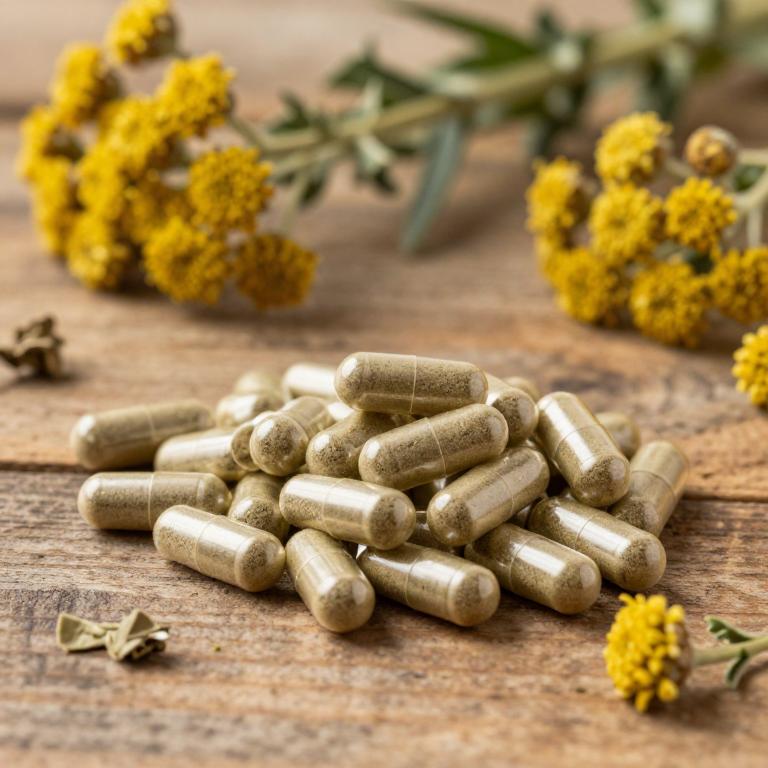
Achillea millefolium, commonly known as yarrow, is a herb that has been traditionally used for its anti-inflammatory and circulatory benefits.
Some individuals may use yarrow herbal capsules to help alleviate symptoms of ear blockage, believing that its properties can reduce inflammation and improve fluid drainage in the ears. While there is limited scientific evidence specifically supporting its efficacy for ear blockage, some studies suggest that yarrow may help reduce congestion and support ear health. It is important to consult a healthcare professional before using yarrow or any herbal supplement, especially if you have underlying health conditions or are taking other medications.
As with any supplement, the quality and purity of the herbal capsules can vary, so choosing a reputable brand is essential for safety and effectiveness.
7. Ginkgo (Ginkgo biloba)

Ginkgo biloba herbal capsules are often used as a natural remedy to alleviate symptoms of ear blockage, which can result from conditions such as Eustachian tube dysfunction or middle ear inflammation.
The herb is believed to improve blood circulation and reduce inflammation, which may help relieve pressure and discomfort in the ears. While some studies suggest that ginkgo biloba may support auditory health, its effectiveness for ear blockage specifically has not been conclusively proven by large-scale clinical trials. It is generally considered safe when taken in recommended doses, though it can interact with certain medications and may cause side effects in some individuals.
As with any supplement, it is advisable to consult a healthcare professional before using ginkgo biloba for ear-related issues.
8. Rosemary (Rosmarinus officinalis)
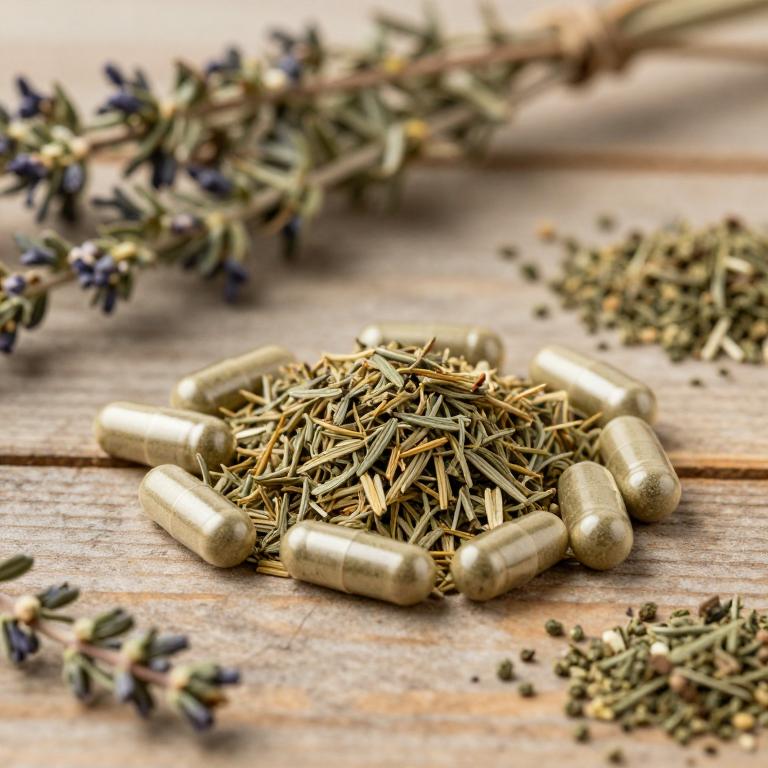
Rosmarinus officinalis, commonly known as rosemary, has been traditionally used for its potential therapeutic properties, and rosemary herbal capsules may offer relief for ear blockage due to their anti-inflammatory and antioxidant effects.
The essential oils in rosemary, such as cineole, are believed to help reduce congestion and improve circulation, which can alleviate pressure in the ears. While not a substitute for medical treatment, these capsules may support natural ear health when used as part of a holistic approach. However, it is important to consult a healthcare professional before using rosemary capsules, especially for persistent or severe ear issues.
Overall, rosemary herbal capsules may provide a complementary remedy for mild ear blockage, though their efficacy can vary among individuals.
9. Ceylon cinnamon (Cinnamomum zeylanicum)
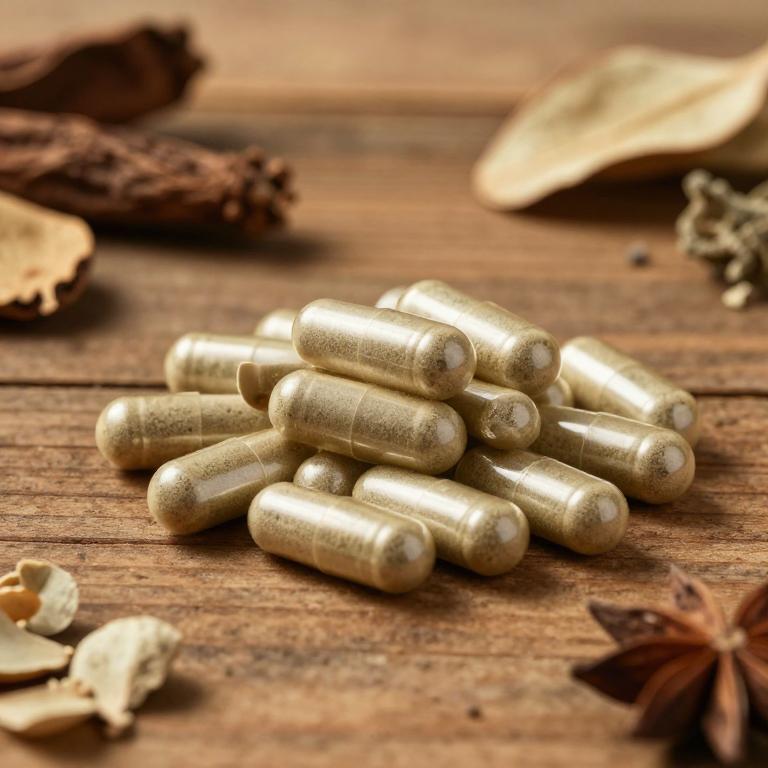
Cinnamomum zeylanicum, commonly known as cinnamon, has been traditionally used in herbal medicine for its potential therapeutic properties.
While primarily known for its aromatic and culinary uses, some studies suggest that cinnamon may help alleviate symptoms of ear blockage due to its anti-inflammatory and antimicrobial effects. Herbal capsules containing Cinnamomum zeylanicum are often marketed as natural remedies to reduce congestion and improve ear drainage. However, it is important to consult a healthcare professional before using these capsules, especially if the ear blockage is persistent or accompanied by other symptoms.
Although preliminary research is promising, more scientific evidence is needed to fully understand its efficacy for ear-related conditions.
10. Ceylon cinnamon (Cinnamomum verum)

Cinnamomum verum, commonly known as true cinnamon, has been traditionally used in herbal medicine for its anti-inflammatory and antimicrobial properties.
Some people use cinnamon capsules to alleviate symptoms of ear blockage, believing that its warming effects may help reduce congestion in the ear canal. However, there is limited scientific evidence supporting the effectiveness of cinnamon for treating ear issues, and its safety for ear application remains uncertain. While cinnamon is generally safe when consumed in typical dietary amounts, using it as a topical or oral remedy for ear blockage should be approached with caution.
It is always recommended to consult a healthcare professional before using any herbal remedy for ear-related conditions.