10 Best Herbal Juices For Dry Throat
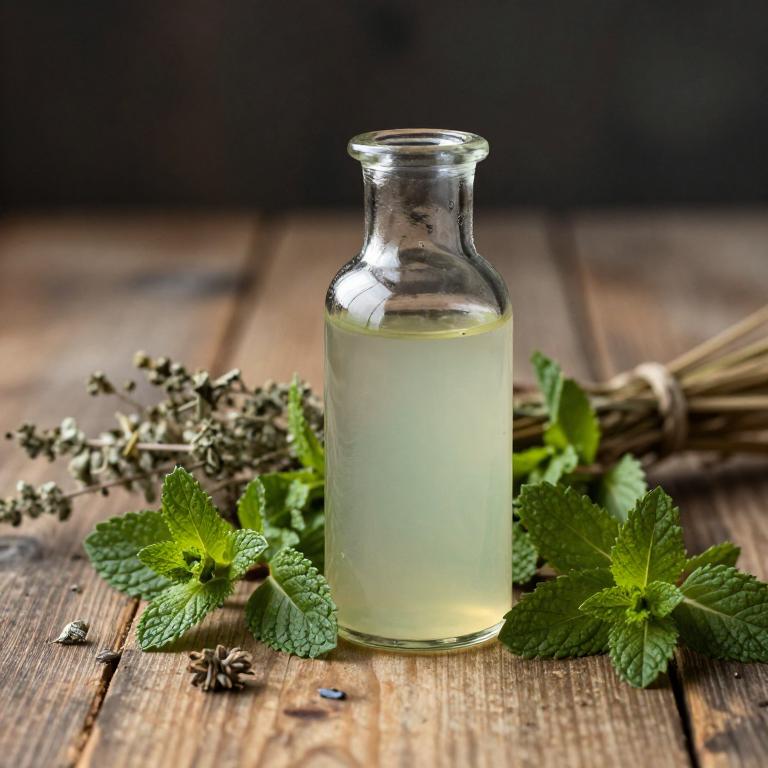
Herbal juices can be a soothing and natural remedy for a dry throat, offering hydration and relief without the need for artificial medications.
Ingredients like ginger, licorice root, and slippery elm are commonly used in herbal juices due to their anti-inflammatory and demulcent properties, which help coat and protect the throat lining. These juices not only provide moisture but also contain antioxidants and nutrients that support overall immune function and throat health. To maximize their benefits, it's best to consume them warm or at room temperature, as cold liquids can sometimes irritate a dry throat further.
Incorporating herbal juices into a daily routine can be an effective way to manage chronic dryness and promote a more comfortable, healthier throat environment.
Table of Contents
- 1. Peppermint (Mentha piperita)
- 2. Licorice (Glycyrrhiza glabra)
- 3. Stinging nettle (Urtica dioica)
- 4. Ginger (Zingiber officinale)
- 5. Fennel (Foeniculum vulgare)
- 6. Rosemary (Rosmarinus officinalis)
- 7. Salvia (Salvia officinalis)
- 8. Black elderberry (Sambucus nigra)
- 9. Cumin (Cuminum cyminum)
- 10. Eucalyptus (Eucalyptus globulus)
1. Peppermint (Mentha piperita)
Mentha piperita, commonly known as peppermint, is a popular herb used in herbal juices to soothe a dry throat due to its cooling and anti-inflammatory properties.
The essential oils in peppermint, particularly menthol, help to reduce irritation and ease the sensation of dryness by stimulating saliva production. When consumed as a juice, peppermint can provide a refreshing and hydrating effect, making it ideal for individuals experiencing chronic dry throat or throat discomfort. Its natural antimicrobial properties may also help prevent infections that can exacerbate throat dryness.
Overall, peppermint herbal juice is a safe and effective natural remedy for alleviating dry throat symptoms when consumed in moderation.
2. Licorice (Glycyrrhiza glabra)
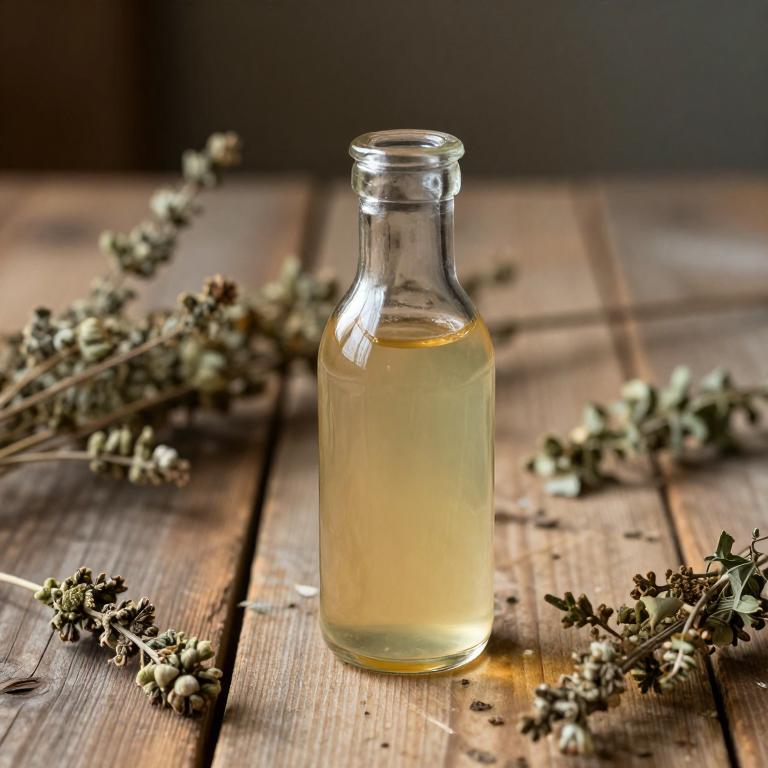
Glycyrrhiza glabra, commonly known as licorice root, has been traditionally used in herbal medicine for its soothing effects on the throat.
The herbal juices derived from this plant contain compounds like glycyrrhizin and flavonoids, which have anti-inflammatory and demulcent properties that can help alleviate dry throat symptoms. These juices work by forming a protective layer over the mucous membranes, reducing irritation and promoting hydration of the throat tissues. Many people find relief from chronic dryness or irritation by consuming licorice root juice, often in combination with honey or other soothing ingredients.
However, it is important to use licorice root in moderation, as excessive consumption may lead to side effects such as hypertension due to its effect on sodium retention.
3. Stinging nettle (Urtica dioica)
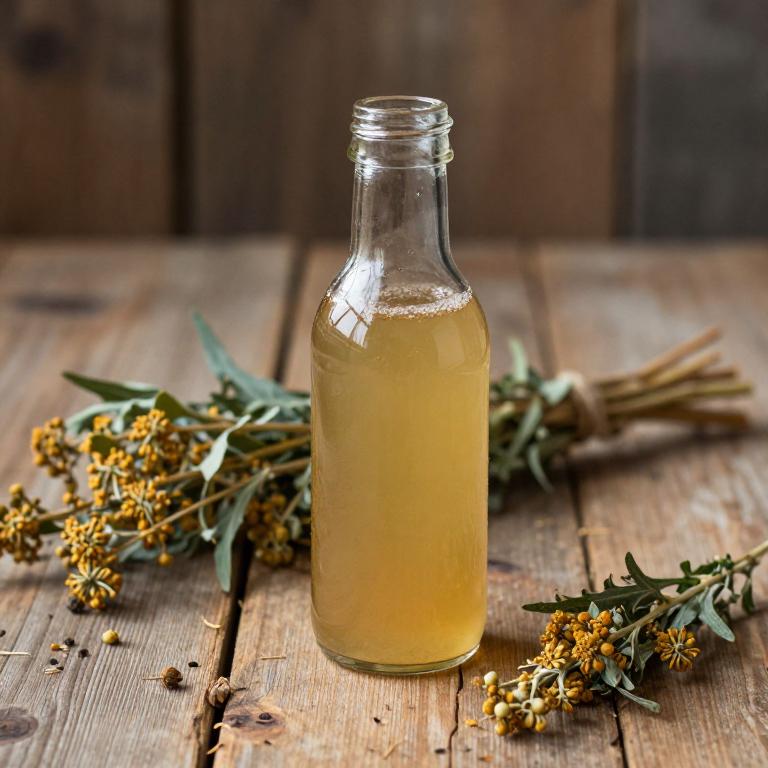
Urtica dioica, commonly known as stinging nettle, has been traditionally used in herbal medicine for its various health benefits, including its potential to soothe a dry throat.
The leaves of the plant contain high levels of minerals, antioxidants, and anti-inflammatory compounds that may help reduce irritation and inflammation in the throat. When prepared as a herbal juice, stinging nettle can provide a gentle, nourishing effect that supports throat health. To make the juice, fresh or dried nettle leaves are typically blended with water or a mild juice like apple juice, then strained for a smooth texture.
While it is generally considered safe, it is advisable to consult a healthcare professional before using stinging nettle juice, especially for those with allergies or existing medical conditions.
4. Ginger (Zingiber officinale)
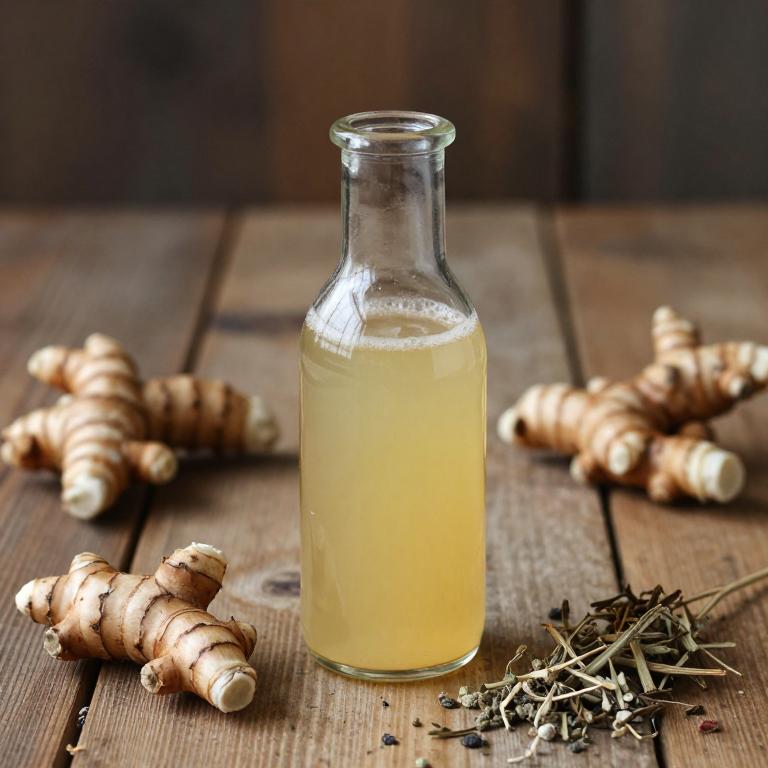
Zingiber officinale, commonly known as ginger, is a popular herbal remedy used to alleviate symptoms of a dry throat due to its anti-inflammatory and soothing properties.
When consumed as a juice, fresh ginger can help reduce irritation and inflammation in the throat, providing relief from discomfort. The active compounds in ginger, such as gingerol and shogaol, contribute to its ability to stimulate mucus production and ease swallowing. To prepare a ginger juice for a dry throat, simply blend fresh ginger root with a small amount of honey or lemon juice for added flavor and therapeutic benefits.
Regular consumption of ginger juice can support overall throat health and may be a natural alternative to conventional remedies for mild dry throat conditions.
5. Fennel (Foeniculum vulgare)
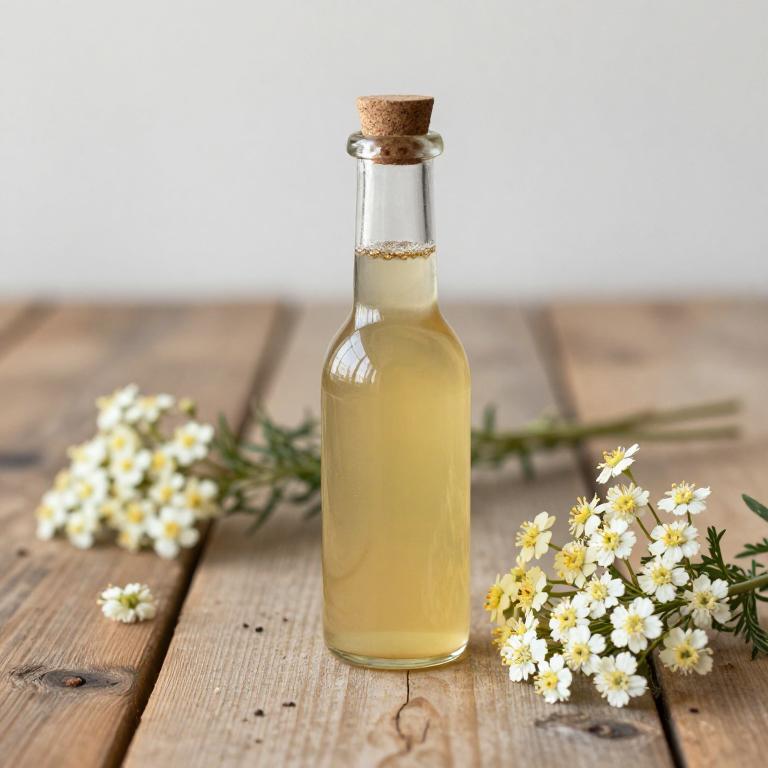
Foeniculum vulgare, commonly known as fennel, is a herb often used to soothe a dry throat due to its mild antispasmodic and expectorant properties.
Fennel herbal juices can help reduce inflammation and irritation in the throat, making them a natural remedy for dryness and discomfort. The essential oils in fennel, particularly anethol, have been shown to have a calming effect on the respiratory tract. To prepare fennel juice, fresh fennel seeds or leaves can be juiced and consumed in small quantities, ideally warm.
However, it is important to consult with a healthcare provider before using fennel juice, especially for those with allergies or existing medical conditions.
6. Rosemary (Rosmarinus officinalis)
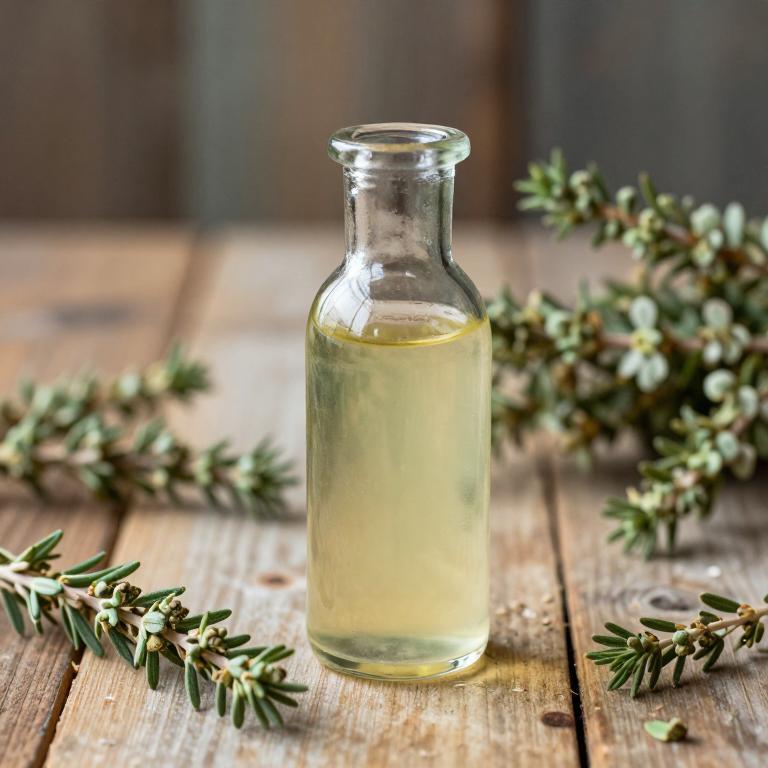
Rosmarinus officinalis, commonly known as rosemary, is a fragrant herb that has been traditionally used for its medicinal properties, including its ability to soothe a dry throat.
Rosemary herbal juices are often prepared by steeping fresh or dried rosemary leaves in water or a base of fruit juice, creating a refreshing and aromatic beverage. The essential oils in rosemary, such as camphor and rosmarinic acid, have anti-inflammatory and antiseptic properties that may help reduce throat irritation and promote healing. Drinking rosemary juice can provide a natural remedy for dry throat symptoms, offering both comfort and potential therapeutic benefits.
However, it is advisable to consult with a healthcare professional before incorporating rosemary into a regular health routine, especially for individuals with existing medical conditions or allergies.
7. Salvia (Salvia officinalis)
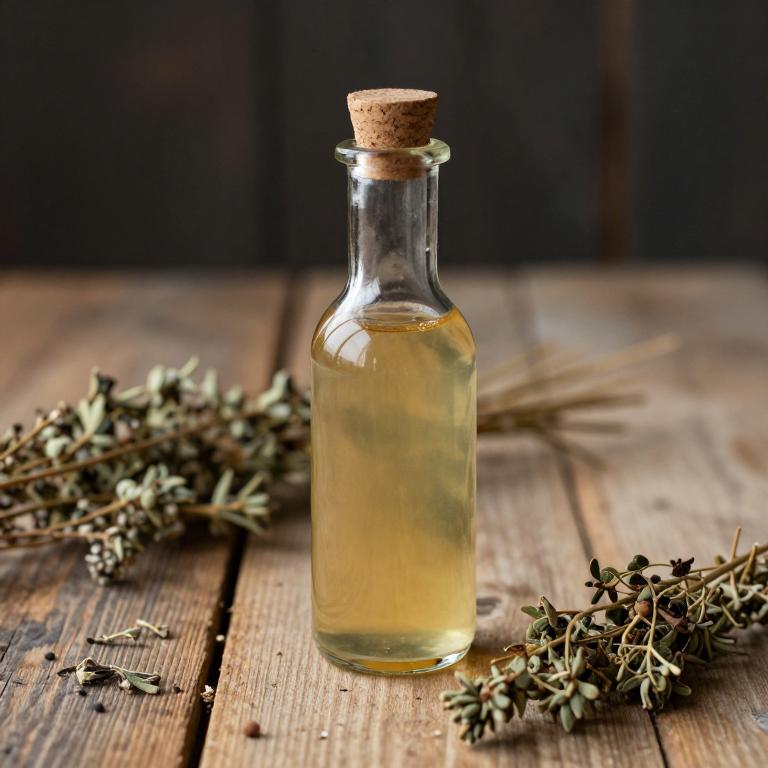
Salvia officinalis, commonly known as sage, has been traditionally used to soothe a dry throat due to its anti-inflammatory and antimicrobial properties.
Herbal juices made from fresh or dried sage leaves can help reduce irritation and inflammation in the throat, providing natural relief for soreness and dryness. These juices are often prepared by steeping the leaves in water or blending them with other soothing herbs like licorice or ginger. Sage juice can be consumed directly or mixed with honey to enhance its comforting effects.
Regular consumption of sage herbal juice may support overall throat health and reduce the frequency of dry throat symptoms.
8. Black elderberry (Sambucus nigra)

Sambucus nigra, commonly known as elderberry, is often used in herbal juices to soothe a dry throat due to its high antioxidant content and anti-inflammatory properties.
These juices can help reduce irritation and inflammation in the throat lining, providing relief from persistent dryness and discomfort. The natural sugars in elderberries also contribute to a comforting, mild sweetness that enhances the palatability of the juice. While not a substitute for medical treatment, sambucus nigra juice may be a beneficial complementary remedy for those experiencing occasional dry throat symptoms.
It is important to consult with a healthcare provider before using elderberry products, especially for individuals with existing health conditions or those taking medications.
9. Cumin (Cuminum cyminum)
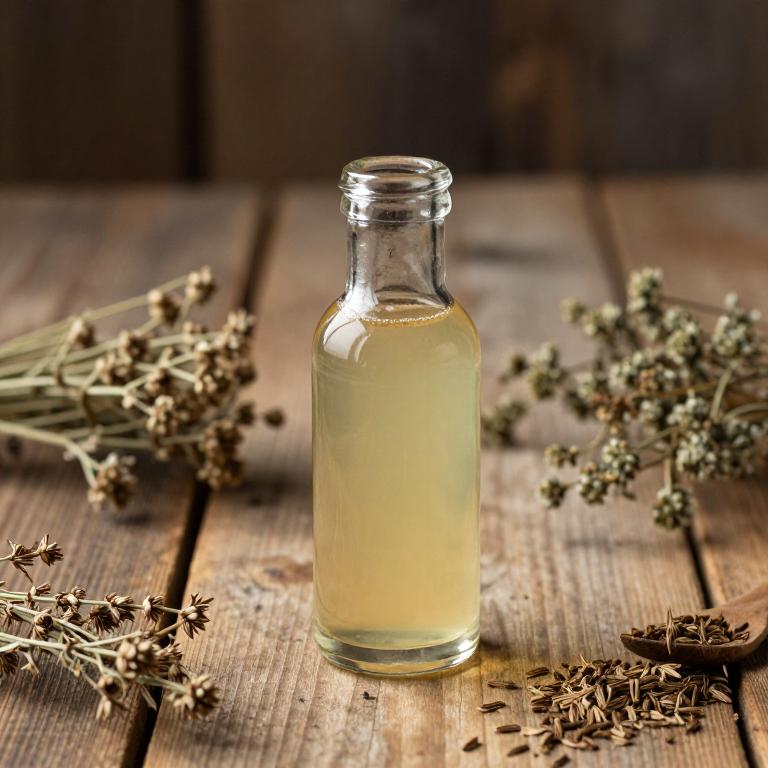
Cuminum cyminum, commonly known as cumin, is a versatile herb that has been used for centuries in traditional medicine for its soothing properties.
When prepared as a herbal juice, cumin can help alleviate symptoms of a dry throat by providing a natural source of hydration and nutrients. The essential oils in cumin, such as limonene and pinene, possess anti-inflammatory and antimicrobial effects that can reduce irritation and infection in the throat. To prepare the juice, fresh cumin seeds are typically ground and mixed with water or a mild citrus juice for better absorption.
Regular consumption of cumin juice can support overall throat health and provide relief from chronic dryness and discomfort.
10. Eucalyptus (Eucalyptus globulus)
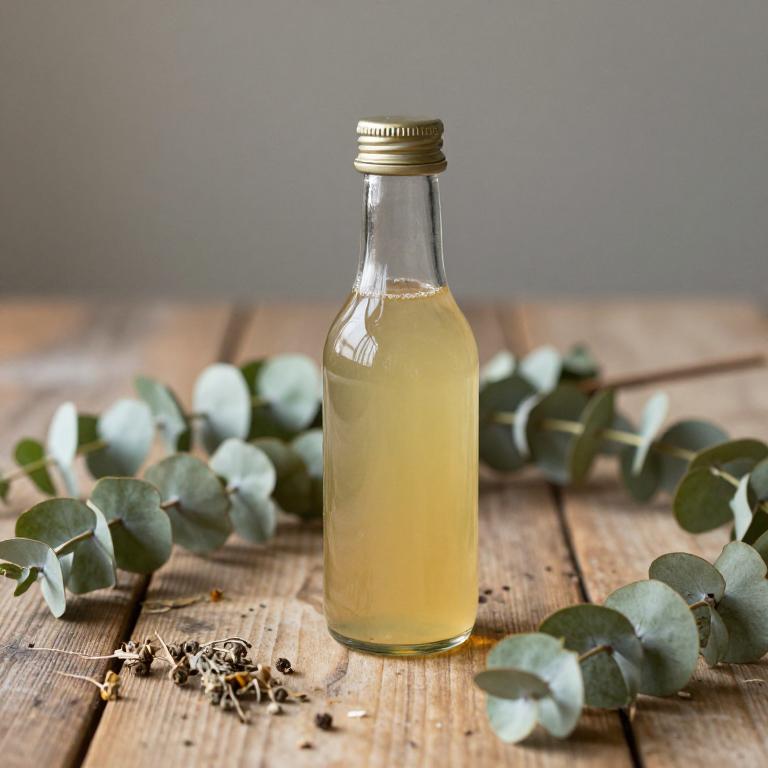
Eucalyptus globulus, commonly known as the Australian eucalyptus, is widely used in herbal juices to soothe dry throats due to its anti-inflammatory and antimicrobial properties.
These juices often combine eucalyptus oil with other soothing ingredients like honey, ginger, or lemon to enhance their effectiveness. The menthol-like compounds in eucalyptus help reduce irritation and promote a sense of coolness in the throat. Regular consumption of eucalyptus globulus herbal juice can provide relief from persistent dryness and discomfort.
However, it is advisable to consult a healthcare professional before incorporating it into a daily routine, especially for those with allergies or existing medical conditions.