10 Best Herbal Creams For Dry Skin
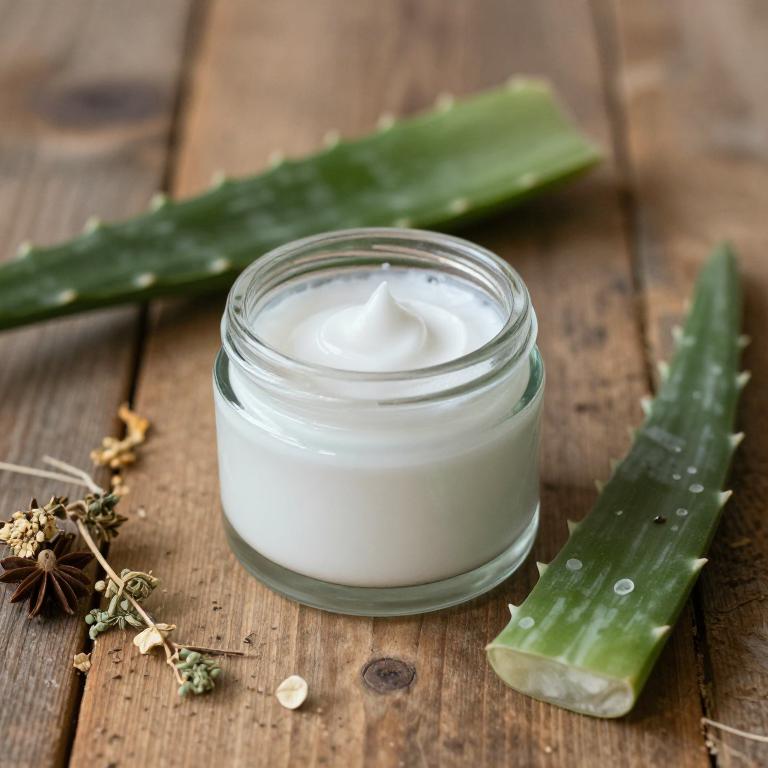
Herbal creams for dry skin are formulated with natural ingredients such as aloe vera, chamomile, and calendula, which are known for their soothing and hydrating properties.
These creams are often free from harsh chemicals, making them gentle on sensitive skin and ideal for those seeking a natural alternative to conventional moisturizers. They help to replenish moisture, reduce redness, and promote skin healing by leveraging the anti-inflammatory and antioxidant benefits of their plant-based components. Many herbal creams also contain oils like coconut or jojoba, which enhance their moisturizing effect and improve skin texture.
Overall, they offer a calming and nourishing solution for maintaining healthy, hydrated skin without the risk of irritation.
Table of Contents
- 1. Aloe vera (Aloe barbadensis)
- 2. Stinging nettle (Urtica dioica)
- 3. Pumpkin (Cucurbita pepo)
- 4. Field horsetail (Equisetum arvense)
- 5. Ginger (Zingiber officinale)
- 6. Marigold (Calendula officinalis)
- 7. Centella (Centella asiatica)
- 8. European plum (Prunus domestica)
- 9. Cancer bush (Sutherlandia frutescens)
- 10. Dog rose (Rosa canina)
1. Aloe vera (Aloe barbadensis)
Aloe barbadensis, commonly known as aloe vera, is a popular herbal ingredient used in creams designed to soothe and moisturize dry skin.
These creams are formulated with aloe vera gel, which is known for its hydrating and anti-inflammatory properties. The natural compounds in aloe vera help to restore the skin’s moisture barrier, making it particularly effective for those with dry, flaky, or irritated skin. Many aloe-based creams also include additional moisturizers like shea butter or glycerin to enhance their hydrating effects.
Regular use of aloe barbadensis herbal creams can help improve skin texture, reduce redness, and promote a healthier, more supple complexion.
2. Stinging nettle (Urtica dioica)
Urtica dioica, commonly known as stinging nettle, is a plant that has been traditionally used in herbal medicine for its soothing and anti-inflammatory properties.
Urtica dioica herbal creams are formulated with extracts from the leaves and roots of this plant, which are rich in vitamins, minerals, and antioxidants. These creams are particularly beneficial for dry skin, as they help to hydrate, nourish, and restore the skin’s natural moisture barrier. The anti-inflammatory compounds in stinging nettle can also reduce redness and irritation, making these creams suitable for sensitive or eczema-prone skin.
Overall, urtica dioica herbal creams offer a natural and effective solution for improving the texture and appearance of dry, flaky skin.
3. Pumpkin (Cucurbita pepo)
Cucurbita pepo, commonly known as the pumpkin plant, has been traditionally used in herbal remedies for its nourishing and soothing properties.
Extracts from Cucurbita pepo are often incorporated into herbal creams designed to alleviate dry skin due to their high content of vitamins, minerals, and antioxidants. These creams help to moisturize and restore the skin's natural barrier, promoting hydration and reducing flakiness. The anti-inflammatory properties of pumpkin-based creams can also help calm irritated skin, making them suitable for sensitive or eczema-prone skin.
Overall, Cucurbita pepo herbal creams offer a natural and effective solution for those seeking gentle, nourishing skincare without harsh chemicals.
4. Field horsetail (Equisetum arvense)
Equisetum arvense, commonly known as field horsetail, is a rich source of silica and has been traditionally used in herbal remedies for its skin-repairing properties.
When incorporated into herbal creams, it helps to strengthen the skin's structure and improve its resilience, making it particularly beneficial for dry skin. These creams often combine horsetail with other moisturizing ingredients like shea butter or lavender oil to enhance hydration and soothe irritation. The high concentration of antioxidants in Equisetum arvense also helps to protect the skin from environmental stressors.
Overall, equisetum arvense herbal creams offer a natural and effective solution for nourishing and rejuvenating dry skin.
5. Ginger (Zingiber officinale)
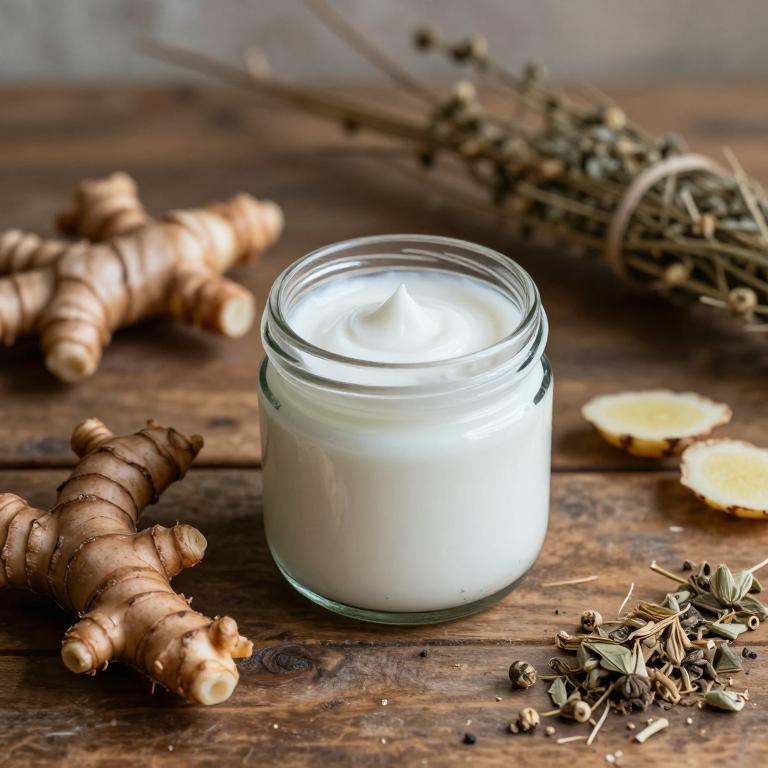
Zingiber officinale, commonly known as ginger, is a popular herbal ingredient used in the formulation of creams designed to nourish and rejuvenate dry skin.
These creams often contain ginger extract, which is rich in anti-inflammatory and antioxidant properties that help improve skin texture and reduce redness. The warming effect of ginger can enhance blood circulation, promoting better hydration and a healthy glow to the skin. When applied topically, zingiber officinale creams can provide long-lasting moisture while soothing dryness and irritation.
These natural remedies are ideal for those seeking gentle, plant-based solutions for dry skin care without harsh chemicals.
6. Marigold (Calendula officinalis)
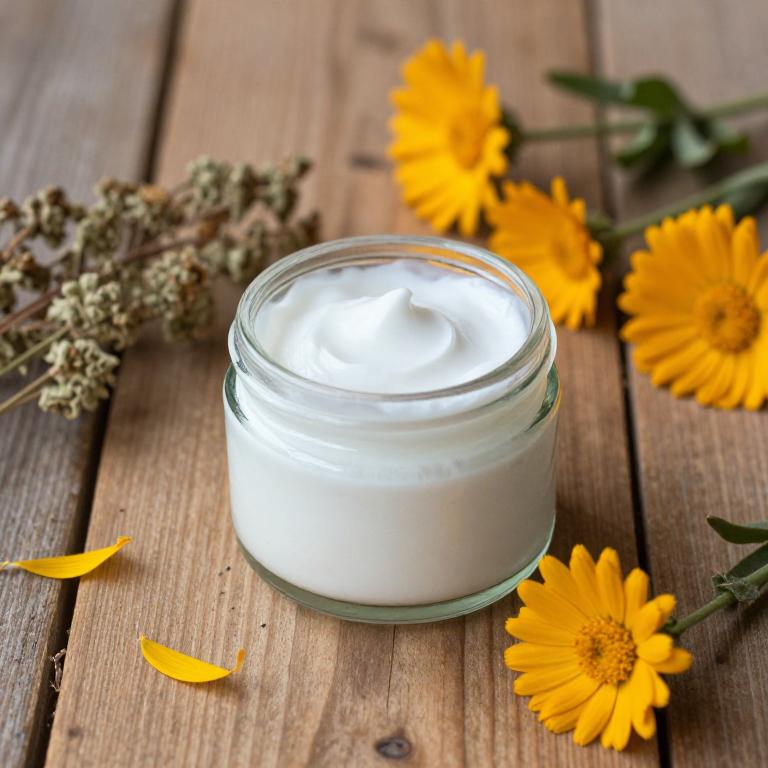
Calendula officinalis, commonly known as garden marigold, is a popular herbal ingredient used in the formulation of creams for dry skin due to its soothing and anti-inflammatory properties.
These creams often contain calendula extract, which helps to moisturize and protect the skin by promoting the regeneration of skin cells. The anti-microbial and antioxidant properties of calendula can also help reduce redness and irritation, making it ideal for sensitive or dry skin conditions. When applied topically, calendula-based creams can provide a calming effect and improve the overall texture and appearance of dry, flaky skin.
Many people find these natural creams to be a gentle and effective alternative to conventional moisturizers, especially for those seeking plant-based skincare solutions.
7. Centella (Centella asiatica)
Centella asiatica, also known as tiger grass, is a traditional herbal ingredient widely used in skincare for its soothing and healing properties.
Centella asiatica herbal creams are particularly beneficial for dry skin due to their high content of active compounds like asiatic acid and madecassol, which promote skin repair and hydration. These creams help strengthen the skin’s barrier function, reducing dryness and flakiness while improving overall skin texture. They are often formulated with other moisturizing ingredients such as glycerin and shea butter to enhance their hydrating effects.
As a natural and gentle alternative to chemical-laden products, centella asiatica creams are suitable for sensitive and dry skin types seeking a holistic approach to skincare.
8. European plum (Prunus domestica)
Prunus domestica, commonly known as the European plum, is often used in herbal creams for its nourishing and soothing properties.
These creams are particularly beneficial for dry skin due to their high content of vitamins, antioxidants, and essential fatty acids. The natural compounds in Prunus domestica help to hydrate, soften, and restore the skin's natural barrier. When applied topically, these creams can alleviate dryness, reduce flakiness, and promote a smoother texture.
They are a gentle, plant-based alternative for those seeking natural skincare solutions without harsh chemicals.
9. Cancer bush (Sutherlandia frutescens)
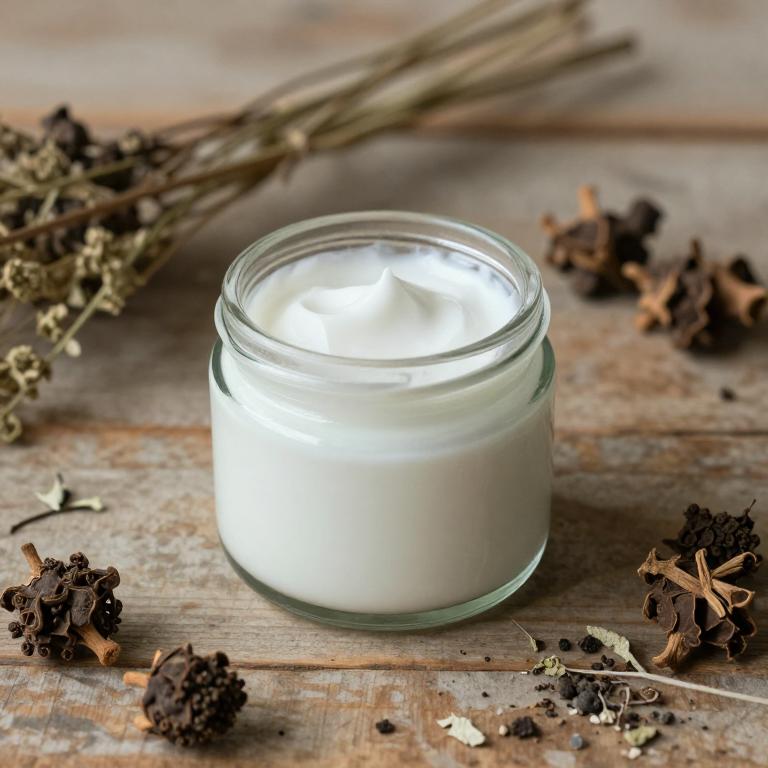
Sutherlandia frutescens, also known as "cancer bush," is a traditional African herbal remedy that has been used for its potential skin-healing properties.
Herbal creams containing Sutherlandia frutescens are often marketed for their ability to nourish and moisturize dry skin, thanks to the plant's high concentration of antioxidants and anti-inflammatory compounds. These creams are typically formulated with natural oils and other soothing ingredients to enhance their hydrating effects. While some studies suggest that Sutherlandia may support skin health, more research is needed to confirm its efficacy for dry skin conditions.
As with any herbal product, it's advisable to consult a healthcare professional before use, especially for those with sensitive or eczema-prone skin.
10. Dog rose (Rosa canina)
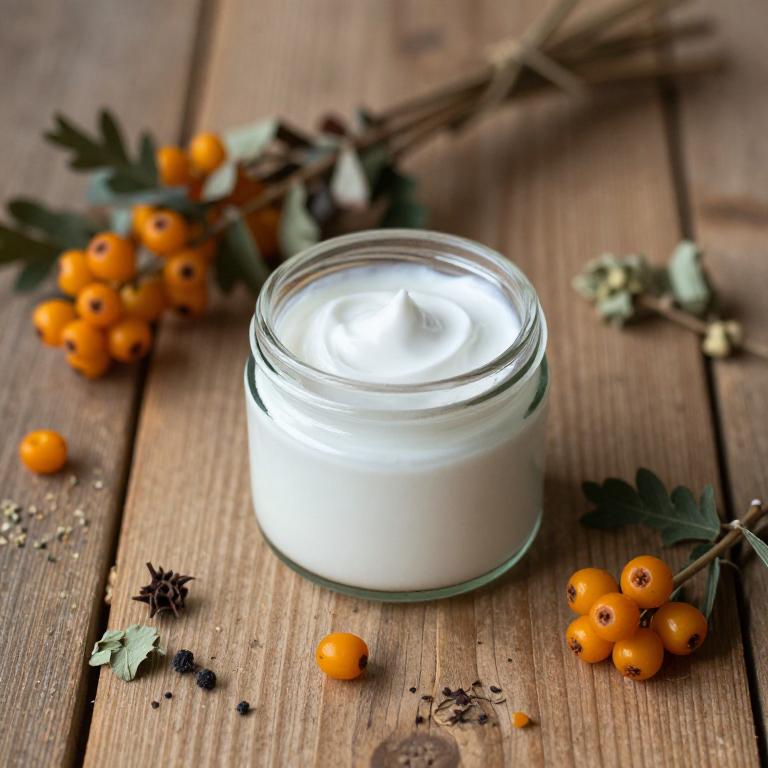
Rosa canina, also known as rosehip, is a natural ingredient widely used in herbal creams for its rich content of essential fatty acids, vitamins, and antioxidants.
These creams are particularly beneficial for dry skin, as they help to deeply moisturize and restore the skin’s natural barrier. The anti-inflammatory properties of rosehip oil can also soothe irritated or sensitive skin, making it a gentle yet effective choice. Many users report improved skin texture and a more radiant complexion after regular use of rosa canina-based products.
Overall, these herbal creams offer a natural and nourishing solution for those seeking to hydrate and rejuvenate dry skin.