10 Best Herbal Juices For Dry Scalp
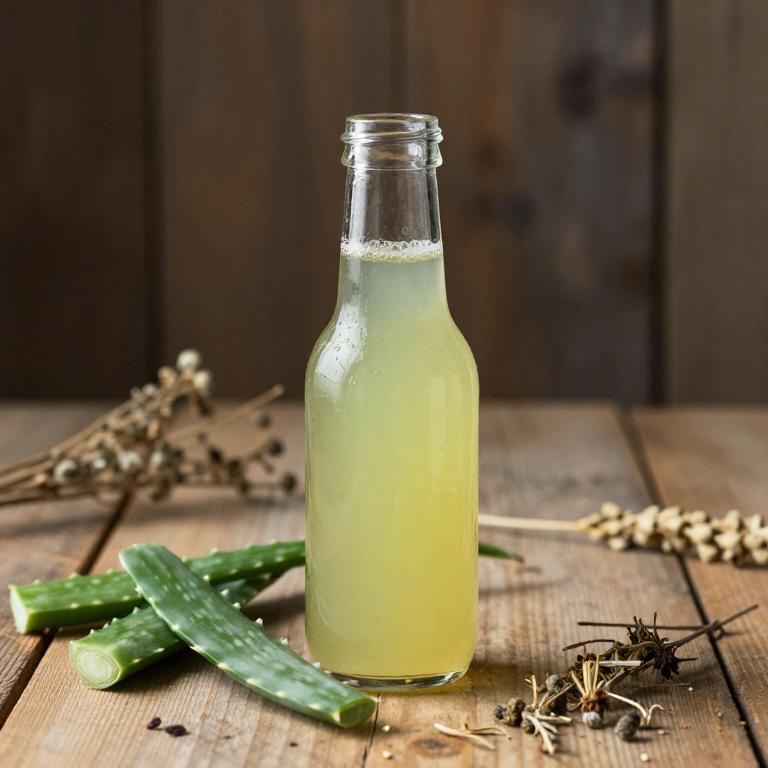
Herbal juices can be a natural and effective remedy for a dry scalp, offering soothing and nourishing benefits without the harsh side effects of chemical treatments.
Ingredients like aloe vera, chamomile, and licorice root are commonly used in herbal juices due to their anti-inflammatory and moisturizing properties. These juices help to hydrate the scalp, reduce irritation, and promote a healthier environment for hair growth. Regular application of herbal juices can alleviate dryness, flakiness, and itchiness associated with a dry scalp.
For best results, it is recommended to use these juices consistently and in conjunction with a gentle scalp care routine.
Table of Contents
- 1. Aloe vera (Aloe barbadensis)
- 2. Stinging nettle (Urtica dioica)
- 3. Field horsetail (Equisetum arvense)
- 4. Rosemary (Rosmarinus officinalis)
- 5. Salvia (Salvia officinalis)
- 6. English lavender (Lavandula angustifolia)
- 7. St. john's wort (Hypericum perforatum)
- 8. Ginger (Zingiber officinale)
- 9. Lemon grass (Cymbopogon citratus)
- 10. Melaleuca (Melaleuca alternifolia)
1. Aloe vera (Aloe barbadensis)
Aloe barbadensis, commonly known as aloe vera, is a natural remedy that has been widely used for its soothing and healing properties, particularly for skin and scalp conditions.
When used in the form of herbal juices, aloe vera can provide deep hydration and nourishment to a dry scalp, helping to alleviate irritation and flakiness. Its anti-inflammatory and antimicrobial properties help reduce redness and prevent infections that may contribute to scalp dryness. Regular application of aloe vera juice can also promote scalp health by encouraging the growth of healthy hair follicles and improving overall scalp texture.
Incorporating aloe barbadensis juice into a regular scalp care routine can be an effective and gentle way to address dryness and enhance the overall health of the scalp.
2. Stinging nettle (Urtica dioica)
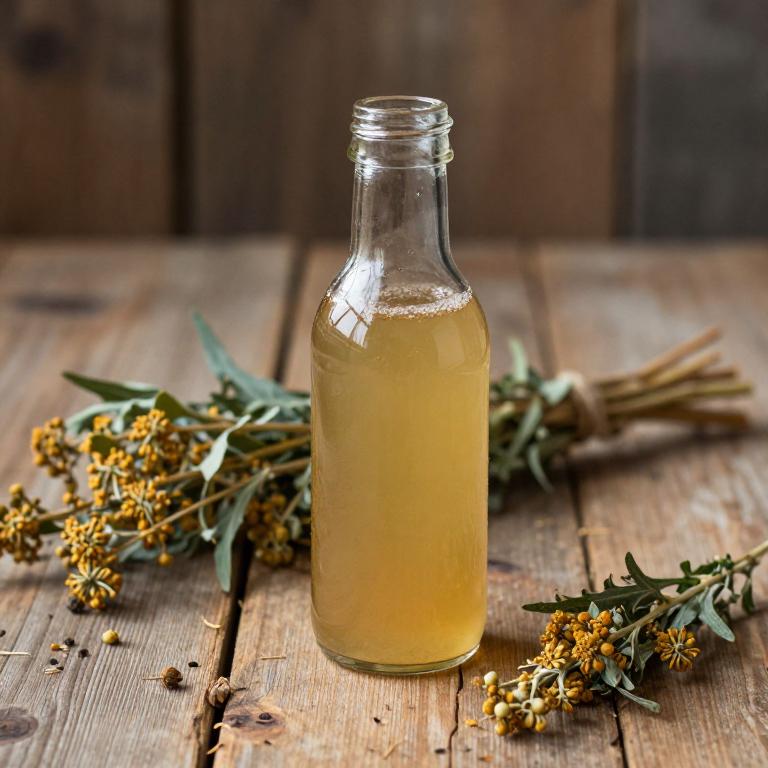
Urtica dioica, commonly known as stinging nettle, is a versatile herb that has been traditionally used for its potential benefits on scalp health.
When prepared as a herbal juice, it can help alleviate dry scalp by providing essential nutrients and anti-inflammatory properties. The juice is rich in vitamins, minerals, and antioxidants that promote scalp hydration and reduce irritation. To use it for dry scalp, the fresh leaves are typically juiced and applied topically or consumed internally.
Regular use of urtica dioica herbal juice may help improve scalp condition and support overall hair health.
3. Field horsetail (Equisetum arvense)
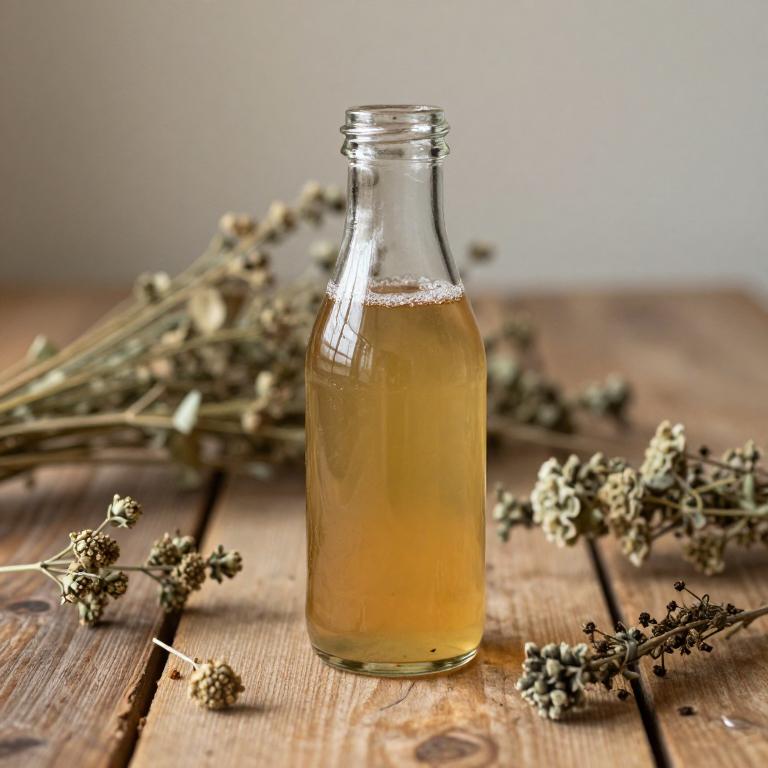
Equisetum arvense, commonly known as field horsetail, is a traditional herbal remedy often used to prepare juices that may benefit individuals with a dry scalp.
The plant is rich in silica, which is believed to strengthen hair and improve scalp health by promoting moisture retention. When juiced, equisetum arvense can help exfoliate the scalp, remove buildup, and enhance circulation, leading to a healthier scalp environment. However, it is important to use the juice in moderation and consult with a healthcare professional before incorporating it into a skincare routine.
Despite its potential benefits, some individuals may experience irritation, so a patch test is recommended before regular use.
4. Rosemary (Rosmarinus officinalis)
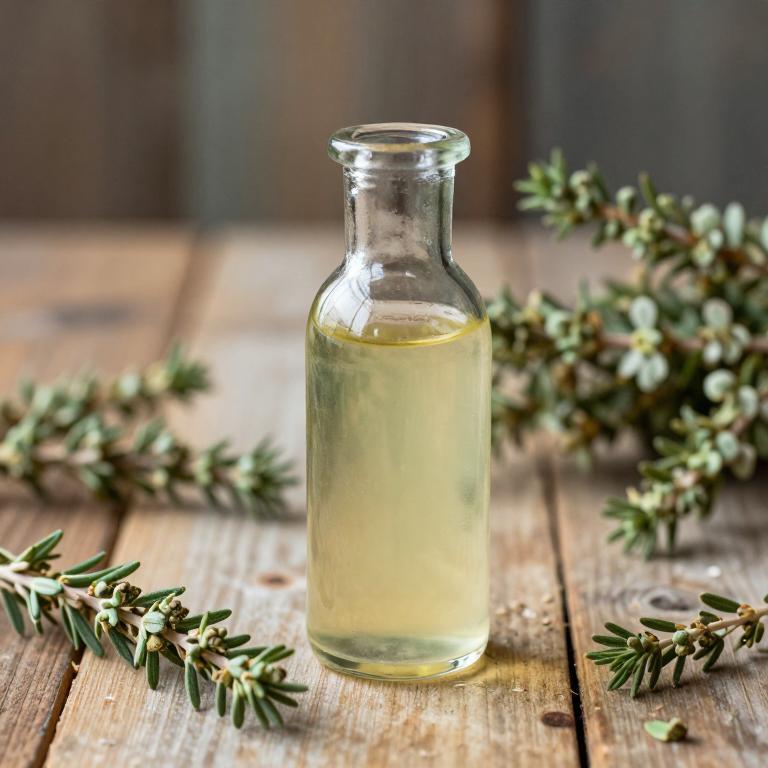
Rosmarinus officinalis, commonly known as rosemary, is a powerful herb that has been traditionally used for its therapeutic properties, including its potential benefits for scalp health.
Rosemary herbal juices, derived from the leaves of this aromatic plant, are rich in antioxidants, anti-inflammatory compounds, and essential oils that may help soothe and rejuvenate a dry scalp. These juices can help improve blood circulation to the scalp, reduce dandruff, and promote healthier hair growth by nourishing the scalp's natural oils. When applied regularly, rosemary juice can alleviate dryness, itchiness, and flakiness, offering a natural alternative to conventional treatments.
Incorporating rosemary herbal juice into a scalp care routine may provide long-term relief and enhance overall scalp vitality.
5. Salvia (Salvia officinalis)
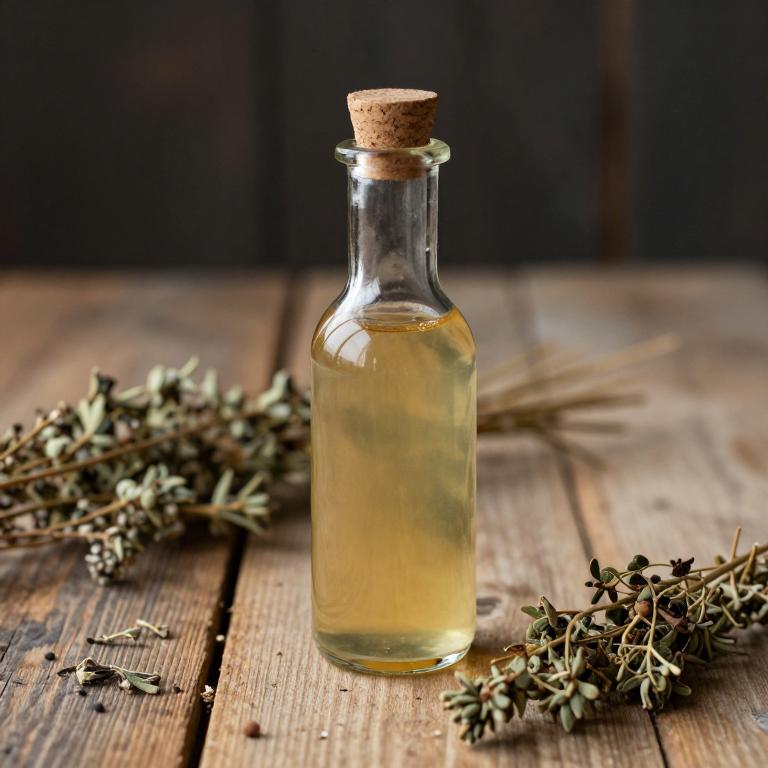
Salvia officinalis, commonly known as sage, is a traditional herb that has been used for centuries for its therapeutic properties, including its potential benefits for scalp health.
When used in the form of herbal juices, sage can help soothe a dry scalp by reducing inflammation and balancing the skin's natural oils. The anti-inflammatory and antimicrobial compounds in sage juice, such as rosmarinic acid and flavonoids, may help alleviate irritation and promote a healthier scalp environment. To use sage juice for a dry scalp, it can be applied directly to the scalp after being diluted with a carrier oil or water to avoid irritation.
Regular application of sage herbal juice may support overall scalp hydration and may be a natural alternative to commercial treatments for dry scalp conditions.
6. English lavender (Lavandula angustifolia)
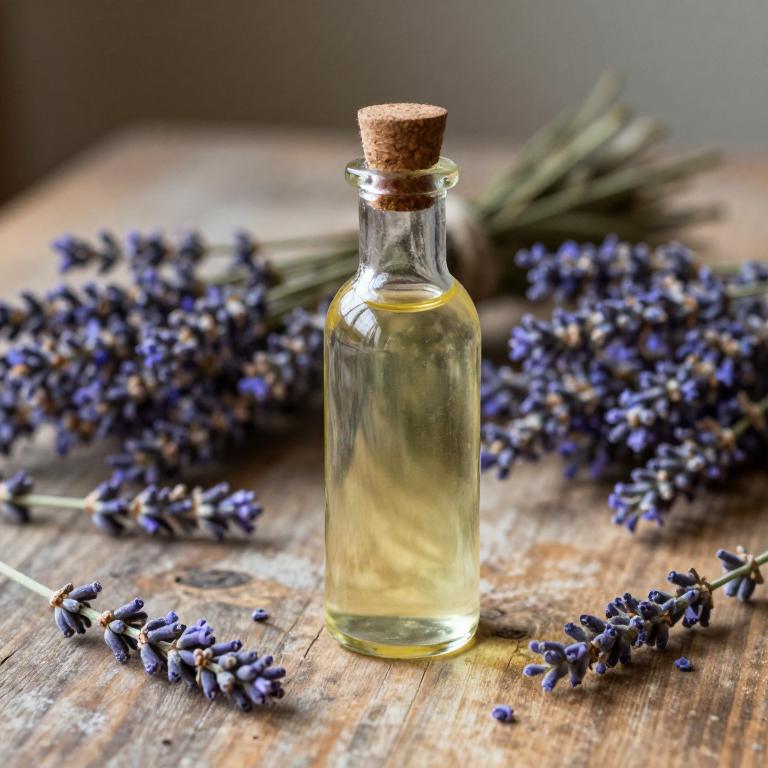
Lavandula angustifolia, commonly known as English lavender, is widely used in herbal remedies for its soothing and anti-inflammatory properties.
When incorporated into herbal juices, lavender can help alleviate symptoms of a dry scalp by reducing itchiness and irritation. The essential oils in lavender have antimicrobial and calming effects that may promote scalp health and reduce dandruff. To prepare a lavender herbal juice, fresh or dried lavender flowers are typically blended with other beneficial herbs like calendula or nettle.
Regular consumption of lavender-infused juices may support overall scalp health and provide a natural alternative to commercial treatments.
7. St. john's wort (Hypericum perforatum)
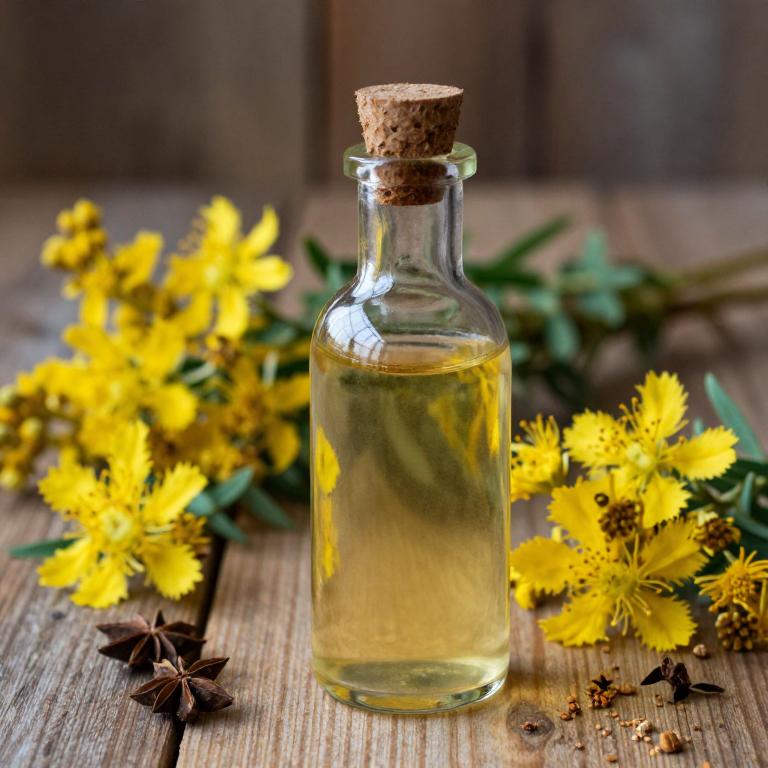
Hypericum perforatum, commonly known as St. John's Wort, has been traditionally used for its potential benefits in promoting scalp health.
When prepared as a herbal juice, it may help alleviate dry scalp by reducing inflammation and soothing irritation. The active compounds in hypericum perforatum, such as hypericin and flavonoids, are believed to have antimicrobial and anti-inflammatory properties that can support a healthy scalp environment. However, it is important to consult with a healthcare professional before using St. John's Wort, as it can interact with certain medications.
While some individuals may find relief from dry scalp symptoms with hypericum perforatum herbal juice, individual results may vary, and it should be used as part of a holistic scalp care routine.
8. Ginger (Zingiber officinale)
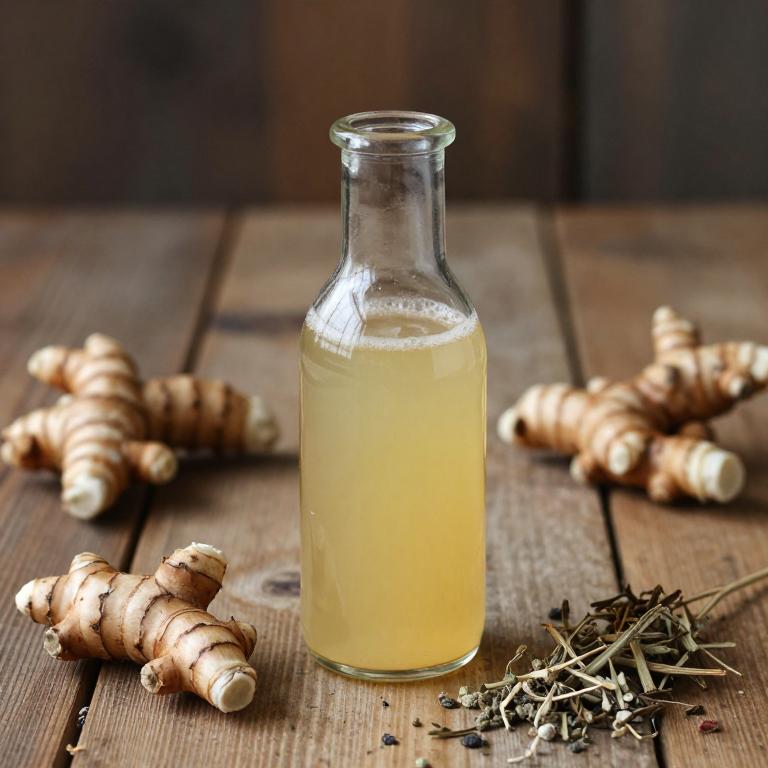
Zingiber officinale, commonly known as ginger, has been traditionally used for its therapeutic properties, including its ability to promote scalp health.
When incorporated into herbal juices, ginger can help alleviate dry scalp by improving circulation and reducing inflammation. The anti-inflammatory and antioxidant compounds in ginger may help soothe irritation and nourish the scalp. To prepare a ginger-based herbal juice, fresh ginger root is typically blended with other scalp-friendly ingredients like coconut water, aloe vera, or apple cider vinegar.
Regular consumption of this juice may support overall scalp hydration and prevent flakiness, making it a natural and effective remedy for dry scalp issues.
9. Lemon grass (Cymbopogon citratus)
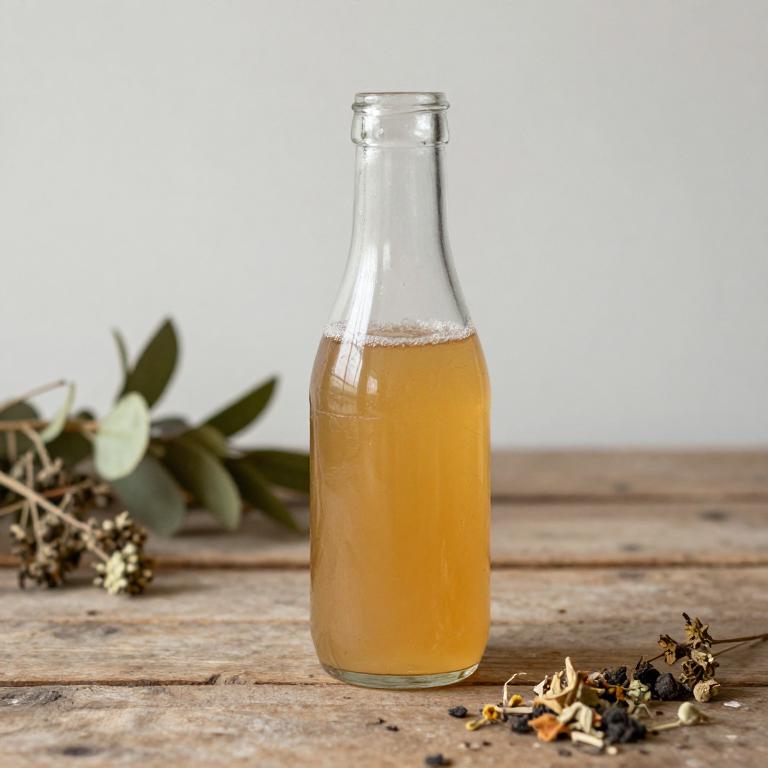
Cymbopogon citratus, commonly known as lemon grass, is a versatile herb that has been used for centuries in traditional medicine for its soothing and anti-inflammatory properties.
When infused into herbal juices, it can be an effective natural remedy for dry scalp conditions, helping to reduce itchiness and flakiness. The essential oils in lemon grass possess antimicrobial and antioxidant qualities that promote scalp health and may help prevent infections. Regular consumption of lemon grass juice can improve blood circulation to the scalp, enhancing hair growth and overall scalp hydration.
However, it is advisable to consult a healthcare professional before incorporating it into your routine, especially if you have any known allergies or medical conditions.
10. Melaleuca (Melaleuca alternifolia)
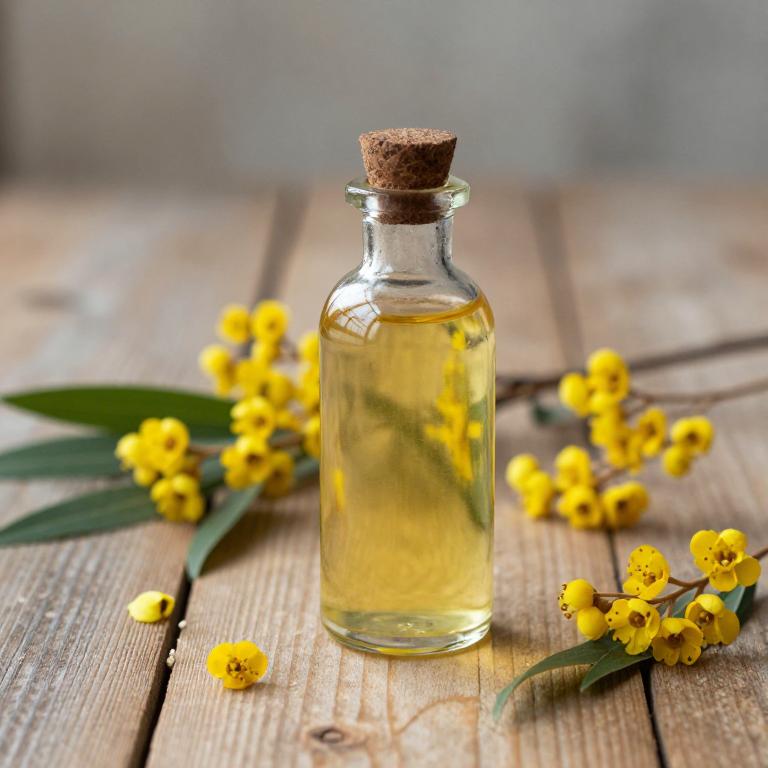
Melaleuca alternifolia, commonly known as tea tree oil, is often used in herbal juices for its potent antimicrobial and anti-inflammatory properties, which can help alleviate symptoms of a dry scalp.
When diluted properly in a herbal juice, tea tree oil can soothe irritation and reduce dandruff caused by fungal or bacterial infections. These herbal juices typically combine tea tree oil with other soothing ingredients like aloe vera or chamomile to enhance moisture retention and promote scalp health. Regular use of such juices may help moisturize the scalp and prevent further dryness, making them a natural alternative to commercial treatments.
However, it is important to consult a healthcare professional before using these remedies, especially if you have a sensitive scalp or underlying skin conditions.