10 Best Herbal Lozenges For Dry Nose
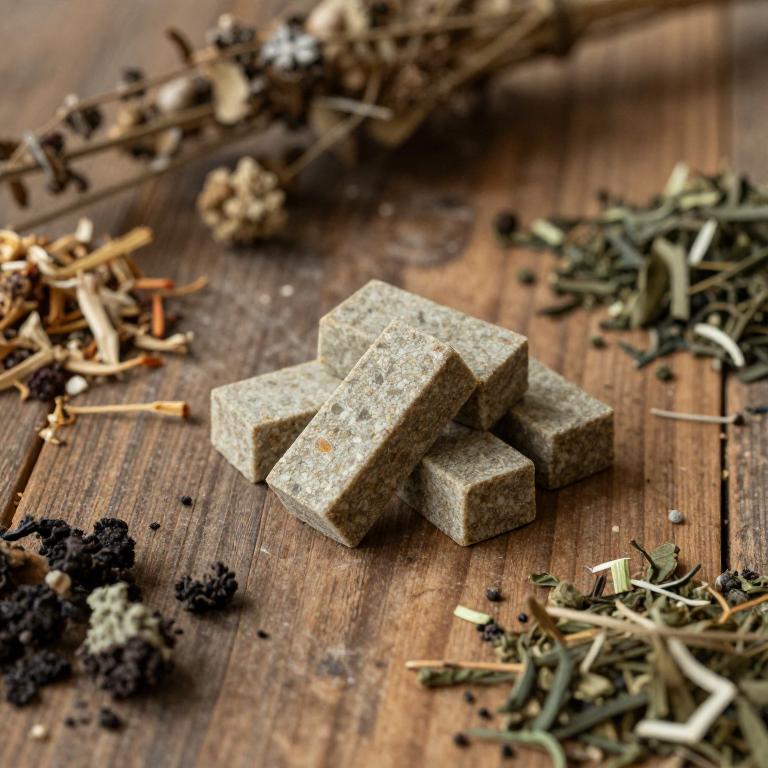
Herbal lozenges are a natural remedy designed to soothe and hydrate a dry nose, often caused by environmental factors, allergies, or frequent nose-blowing.
These lozenges typically contain ingredients like eucalyptus, peppermint, or licorice root, which have mild antiseptic and soothing properties. They work by moisturizing the nasal passages and reducing irritation without the use of harsh chemicals. Many herbal lozenges are sugar-free and suitable for people with sensitive throats or diabetes.
Regular use can provide relief from dryness and promote overall nasal comfort.
Table of Contents
- 1. Salvia (Salvia officinalis)
- 2. Eucalyptus (Eucalyptus globulus)
- 3. Ginger (Zingiber officinale)
- 4. Peppermint (Mentha piperita)
- 5. Rosemary (Rosmarinus officinalis)
- 6. Ceylon cinnamon (Cinnamomum verum)
- 7. Fennel (Foeniculum vulgare)
- 8. Licorice (Glycyrrhiza glabra)
- 9. Black pepper (Piper nigrum)
- 10. Thyme (Thymus vulgaris)
1. Salvia (Salvia officinalis)
Salvia officinalis, commonly known as sage, is a traditional herb often used in herbal lozenges to address dry nose symptoms.
These lozenges are formulated to soothe irritation and provide moisture to the nasal passages, offering relief from dryness and discomfort. Sage contains compounds with antimicrobial and anti-inflammatory properties, which may help reduce nasal congestion and promote healing. The soothing aroma of sage can also have a calming effect, enhancing the overall comfort of the user.
Herbal lozenges made with salvia officinalis are a natural alternative for those seeking relief from a dry nose without the use of synthetic medications.
2. Eucalyptus (Eucalyptus globulus)
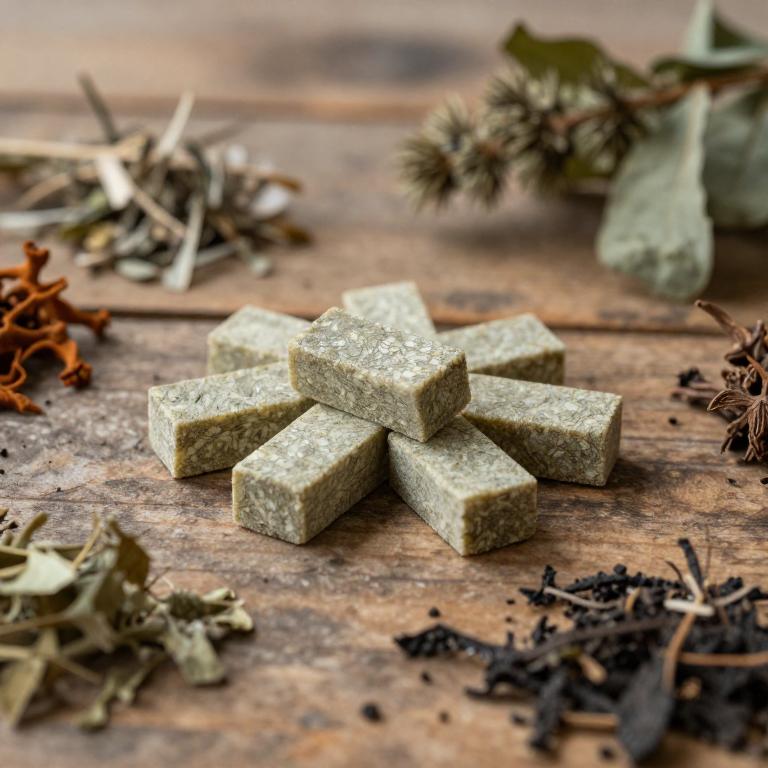
Eucalyptus globulus herbal lozenges are formulated to provide natural relief for a dry nose by leveraging the soothing properties of eucalyptus oil.
These lozenges work by moisturizing the nasal passages and reducing irritation caused by dryness or environmental factors. The aromatic compounds in eucalyptus help to clear the airways and promote easier breathing, making them ideal for individuals experiencing nasal congestion or dryness. Each lozenge is designed to dissolve slowly, allowing the active ingredients to be absorbed gradually for prolonged relief.
As a herbal remedy, they offer a gentle and natural alternative to conventional nasal sprays or medications.
3. Ginger (Zingiber officinale)
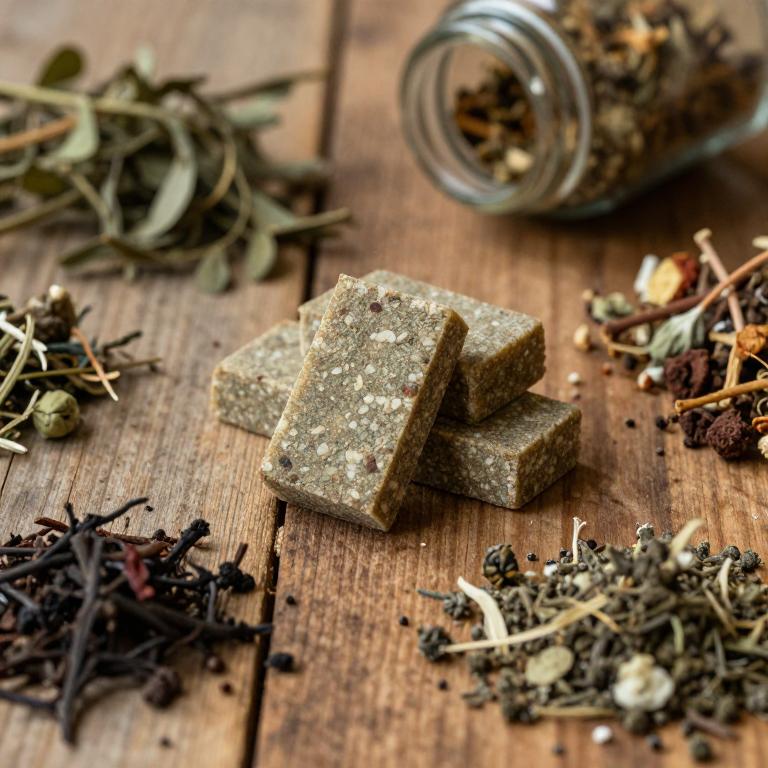
Zingiber officinale, commonly known as ginger, is a natural herbal remedy that has been traditionally used to alleviate various respiratory and digestive ailments.
When formulated into herbal lozenges, zingiber officinale can provide relief for a dry nose by stimulating mucus production and soothing irritated nasal passages. The warming properties of ginger help to improve circulation in the nasal area, which can reduce dryness and discomfort. These lozenges are particularly beneficial for individuals suffering from seasonal allergies, colds, or environmental irritants that contribute to nasal dryness.
As a natural alternative to over-the-counter medications, ginger lozenges offer a gentle and effective way to manage dry nose symptoms.
4. Peppermint (Mentha piperita)
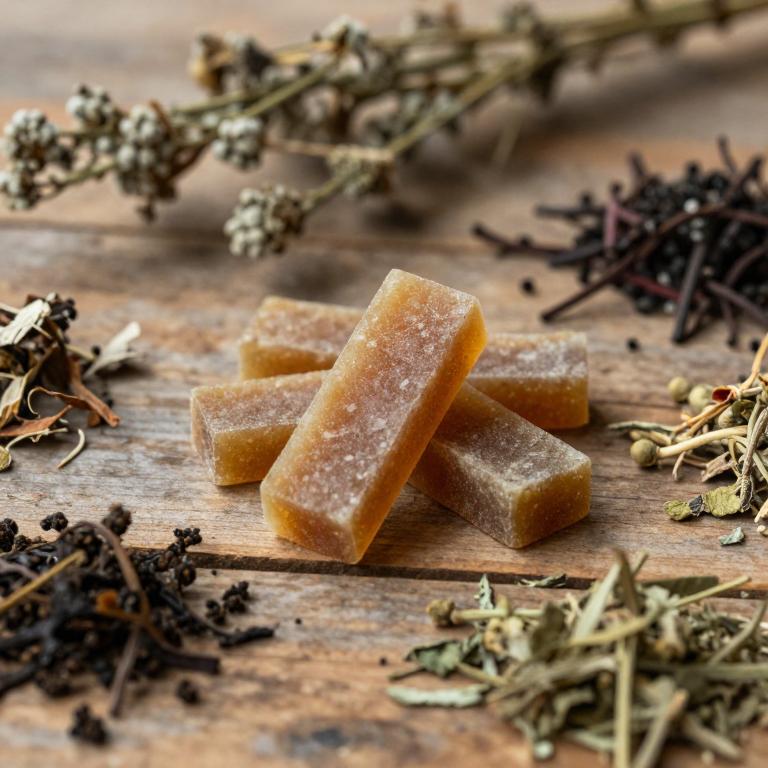
Mentha piperita herbal lozenges, commonly known as peppermint lozenges, are effective remedies for alleviating the discomfort of a dry nose.
These lozenges contain natural peppermint oil, which has a cooling and soothing effect on the nasal passages. The menthol in peppermint helps to stimulate mucus production, thereby moistening the nasal lining and reducing dryness. They are ideal for individuals experiencing dryness due to environmental factors like low humidity or frequent nose-blowing.
Peppermint lozenges are generally safe for most adults and can be used as a natural alternative to over-the-counter nasal sprays.
5. Rosemary (Rosmarinus officinalis)
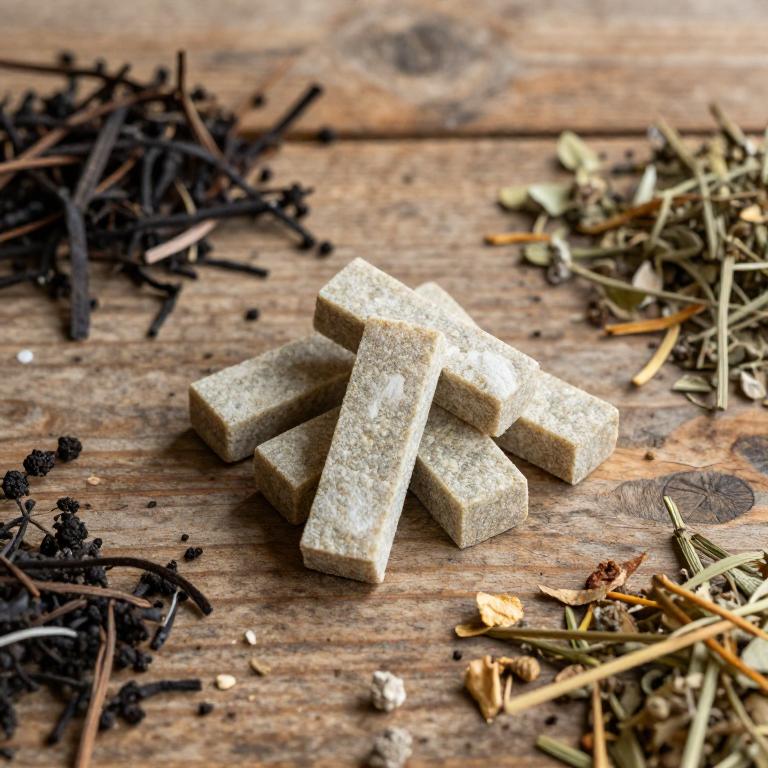
Rosmarinus officinalis, commonly known as rosemary, is a fragrant herb that has been traditionally used for its aromatic and therapeutic properties.
Rosemary herbal lozenges are designed to provide relief for a dry nose by moisturizing and soothing the nasal passages. These lozenges often contain natural extracts of rosemary, which may help reduce inflammation and promote healing. The pleasant aroma of rosemary can also have a calming effect, making the lozenges not only effective but also enjoyable to use.
They are a natural alternative for those seeking relief from dryness without the use of synthetic medications.
6. Ceylon cinnamon (Cinnamomum verum)
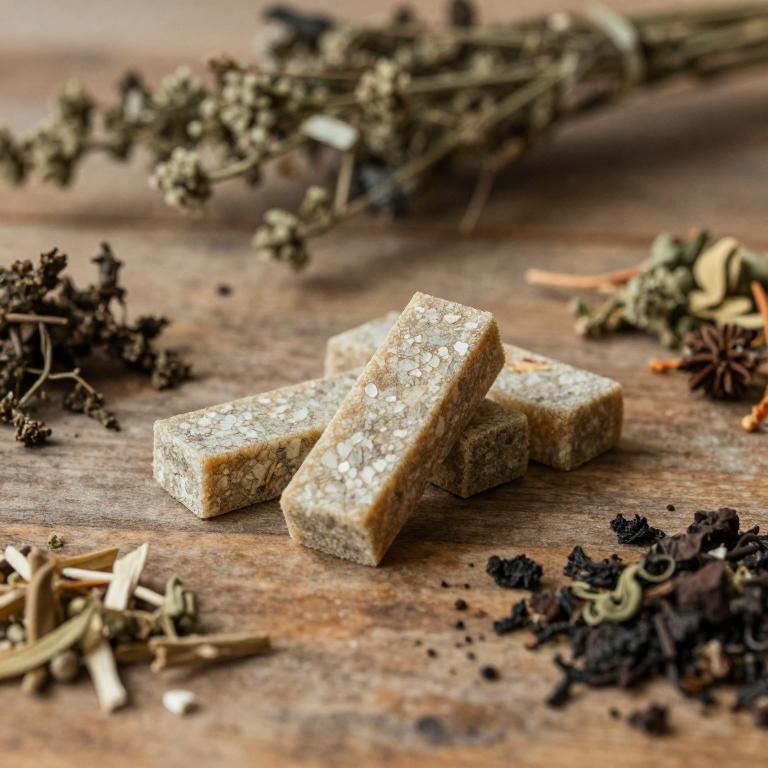
Cinnamomum verum, commonly known as true cinnamon, is often used in herbal lozenges to alleviate symptoms of a dry nose due to its warming and soothing properties.
These lozenges help moisturize the nasal passages and reduce irritation caused by dryness or environmental factors. The aromatic compounds in cinnamon stimulate circulation and provide a pleasant, spicy scent that can enhance the overall comfort of the user. Additionally, cinnamon has natural antimicrobial properties that may help prevent infections in the nasal area.
Regular use of these herbal lozenges can offer a natural and effective remedy for those experiencing persistent dryness in the nose.
7. Fennel (Foeniculum vulgare)
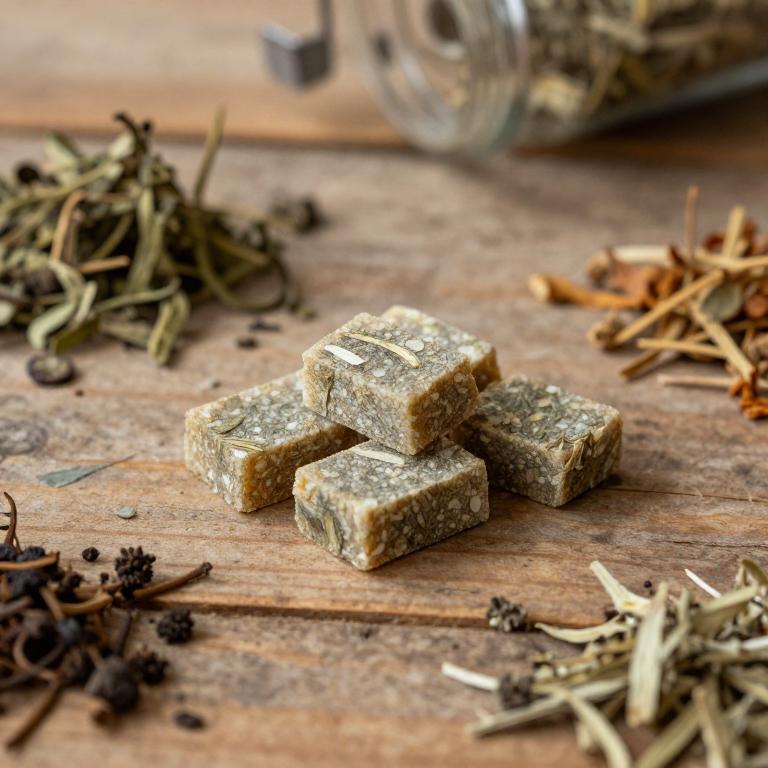
Foeniculum vulgare, commonly known as fennel, is a traditional herb often used in herbal lozenges to alleviate symptoms of a dry nose.
These lozenges work by stimulating mucus production and providing a soothing effect to the nasal passages. The essential oils in fennel, such as anethol, have natural expectorant and antiseptic properties that help reduce congestion and irritation. Herbal lozenges containing fennel are particularly beneficial for individuals experiencing dryness due to environmental factors or chronic respiratory conditions.
Regular use of these lozenges can offer a gentle, natural remedy to maintain nasal comfort and hydration.
8. Licorice (Glycyrrhiza glabra)
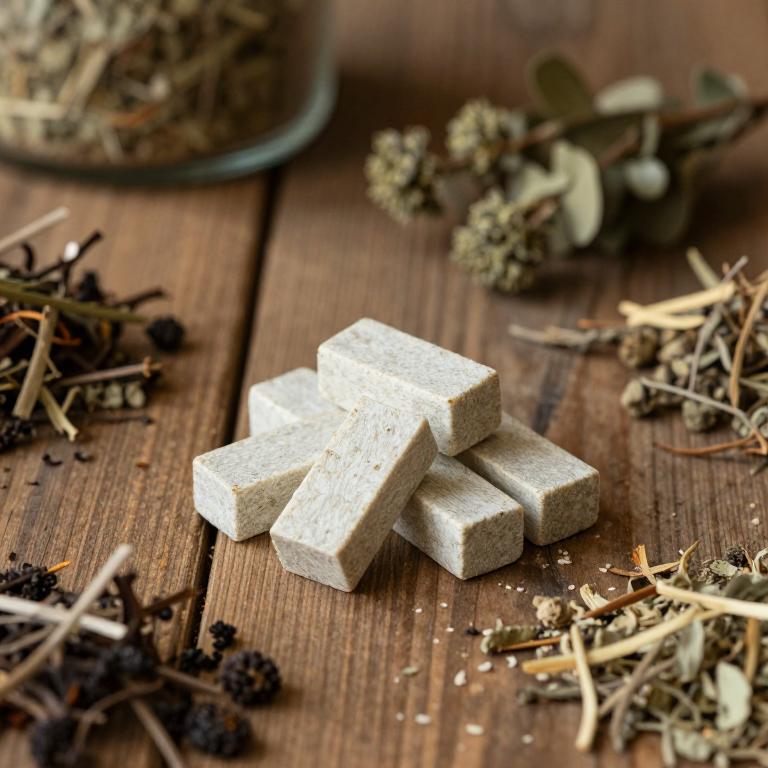
Glycyrrhiza glabra, commonly known as licorice root, is a traditional herbal remedy that has been used for centuries to soothe respiratory and throat conditions.
When formulated into herbal lozenges, glycyrrhiza glabra can provide relief for a dry nose by moisturizing the mucous membranes and reducing irritation. The active compounds in licorice root, such as glycyrrhizin and flavonoids, have anti-inflammatory and demulcent properties that help to calm and hydrate the nasal passages. These lozenges are particularly beneficial for individuals experiencing dryness due to environmental factors, allergies, or frequent nose-blowing.
However, long-term use should be monitored, as excessive consumption of licorice root may lead to side effects such as hypertension.
9. Black pepper (Piper nigrum)
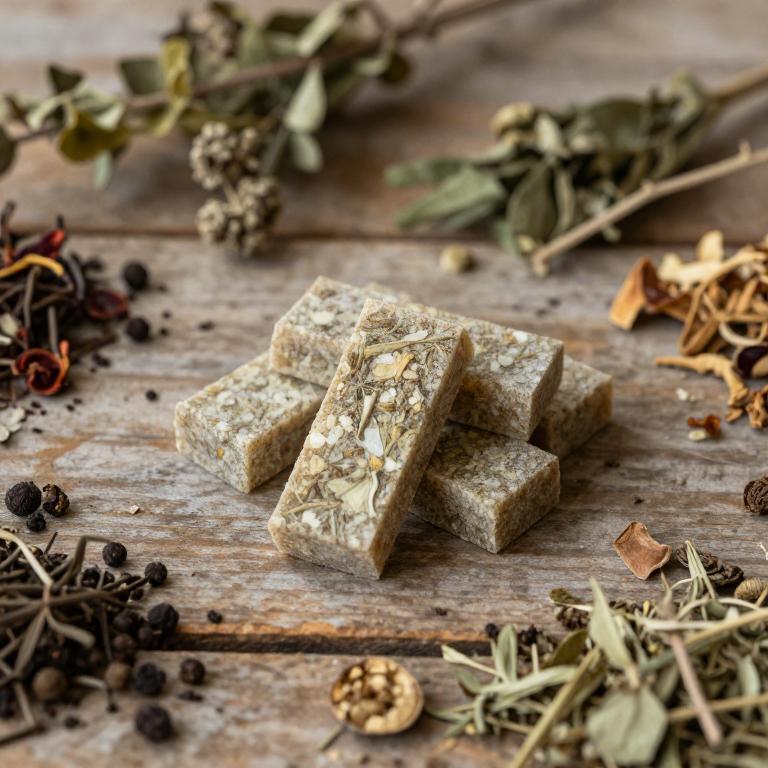
Piper nigrum, commonly known as black pepper, is a traditional herbal remedy that has been used for its warming and stimulating properties.
When formulated into herbal lozenges, piper nigrum can help alleviate symptoms of a dry nose by promoting circulation and reducing congestion. These lozenges work by stimulating the mucous membranes, encouraging the production of natural moisture in the nasal passages. The active compound, piperine, may also have anti-inflammatory and antimicrobial benefits, supporting overall nasal health.
As a natural alternative to conventional remedies, piper nigrum lozenges offer a soothing and effective way to relieve dryness and discomfort in the nose.
10. Thyme (Thymus vulgaris)
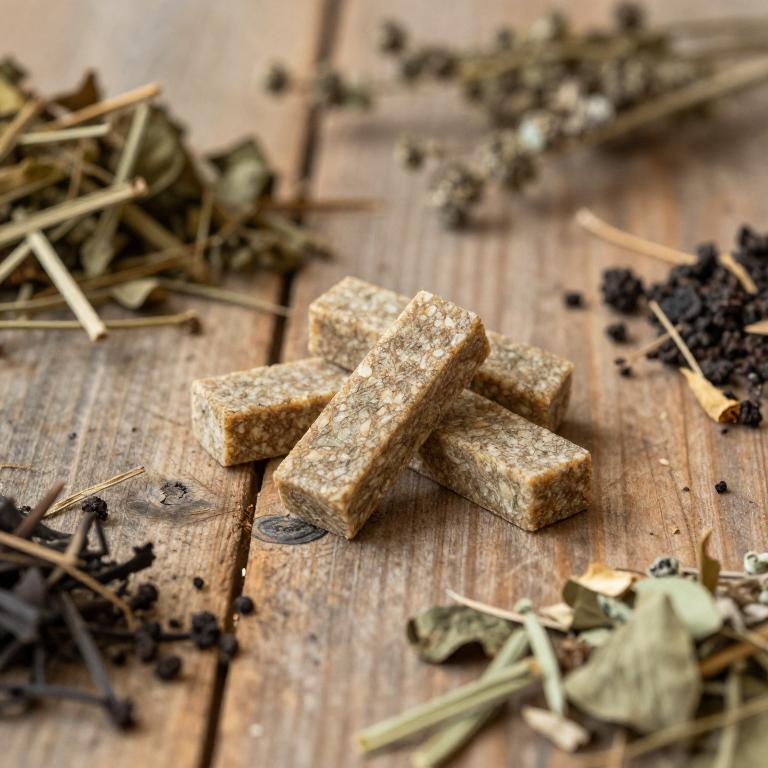
Thymus vulgaris herbal lozenges are formulated with thyme extract, a natural herb known for its antimicrobial and anti-inflammatory properties.
These lozenges are specifically designed to alleviate symptoms of a dry nose by promoting moisture and soothing irritation in the nasal passages. The active compounds in thyme, such as thymol, help to reduce inflammation and combat potential infections that may contribute to dryness. They are ideal for individuals seeking a natural alternative to conventional nasal sprays or moisturizers.
Regular use of Thymus vulgaris lozenges can provide long-term relief and support overall nasal health.