10 Best Herbal Lotions For Dry Nose
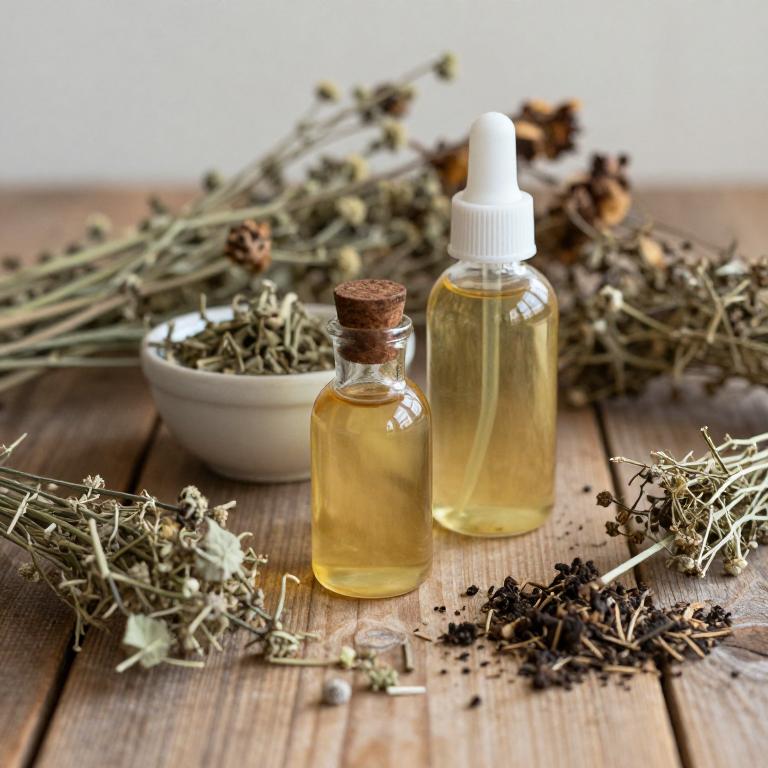
Herbal lotions for dry nose are natural remedies that can help moisturize and soothe irritated nasal passages.
These lotions often contain ingredients like calendula, chamomile, and eucalyptus, which have anti-inflammatory and soothing properties. They are typically applied using a dropper or nasal spray to ensure even distribution inside the nose. Unlike traditional saline sprays, herbal lotions may offer a more prolonged moisturizing effect.
However, it's important to consult a healthcare professional before using them, especially if you have allergies or chronic nasal conditions.
Table of Contents
- 1. Salvia (Salvia officinalis)
- 2. Eucalyptus (Eucalyptus globulus)
- 3. Rosemary (Rosmarinus officinalis)
- 4. English lavender (Lavandula angustifolia)
- 5. German chamomile (Chamomilla recutita)
- 6. Ginger (Zingiber officinale)
- 7. Anise (Pimpinella anisum)
- 8. St. john's wort (Hypericum perforatum)
- 9. Yarrow (Achillea millefolium)
- 10. Stinging nettle (Urtica dioica)
1. Salvia (Salvia officinalis)
Salvia officinalis, commonly known as sage, is a versatile herb that has been traditionally used for its soothing and healing properties.
Herbal lotions containing salvia officinalis are formulated to provide relief for dry, irritated nasal passages by moisturizing and reducing inflammation. These lotions often include essential oils and extracts that help to hydrate and protect the delicate skin of the nose. The anti-inflammatory and antimicrobial properties of sage can help prevent infections and promote overall nasal health.
When applied gently, salvia officinalis herbal lotions can offer a natural and effective remedy for those suffering from dry nose conditions.
2. Eucalyptus (Eucalyptus globulus)

Eucalyptus globulus, commonly known as eucalyptus oil, is often incorporated into herbal lotions due to its soothing and decongestant properties.
These lotions are particularly beneficial for individuals suffering from a dry nose, as they help to moisturize and soothe the delicate nasal passages. The cooling effect of eucalyptus globulus can provide relief from irritation and discomfort caused by dryness or environmental factors. When applied gently to the nose, these herbal lotions may help reduce inflammation and promote a sense of freshness.
However, it is important to use them as directed and consult a healthcare professional if symptoms persist or worsen.
3. Rosemary (Rosmarinus officinalis)
Rosmarinus officinalis, commonly known as rosemary, is a versatile herb often used in natural remedies due to its anti-inflammatory and antioxidant properties.
Rosemary herbal lotions for a dry nose can help soothe irritation and promote healing by moisturizing the nasal passages. These lotions typically contain essential oils derived from rosemary leaves, which have a mild warming effect that can stimulate blood circulation in the nasal area. When applied gently, they can provide relief from dryness and congestion without causing irritation.
However, it is important to use them sparingly and consult a healthcare professional if symptoms persist or worsen.
4. English lavender (Lavandula angustifolia)
Lavandula angustifolia, commonly known as English lavender, is often used in herbal lotions for its soothing and calming properties.
These lotions are particularly beneficial for individuals suffering from a dry nose, as they can help moisturize and protect the delicate nasal passages. The essential oils in lavender are known for their anti-inflammatory and antimicrobial effects, which may reduce irritation and promote healing. When applied gently, lavender herbal lotions can provide a refreshing and gentle relief from dryness and discomfort.
However, it is important to consult with a healthcare professional before use, especially for those with allergies or sensitive skin.
5. German chamomile (Chamomilla recutita)
Chamomilla recutita, commonly known as German chamomile, is often used in herbal lotions for its soothing and anti-inflammatory properties.
These lotions are particularly beneficial for individuals suffering from a dry nose, as they can help moisturize and protect the delicate nasal passages. The essential oils in chamomile, such as bisabolol, have been shown to reduce irritation and promote healing. When applied gently, these herbal lotions can provide relief from nasal dryness and discomfort without causing further irritation.
They are a natural alternative to conventional nasal sprays, offering a calming and gentle approach to nasal care.
6. Ginger (Zingiber officinale)
Zingiber officinale, commonly known as ginger, is often used in herbal lotions for its warming and soothing properties.
These lotions can help alleviate dryness and irritation in the nasal passages by promoting circulation and moisturizing the delicate nasal tissues. The active compounds in ginger, such as gingerol and shogaol, have anti-inflammatory and antioxidant effects that may reduce nasal discomfort. When applied externally, ginger-based lotions can provide a gentle, natural remedy for dry nose symptoms without causing irritation.
However, it is important to consult a healthcare professional before using such remedies, especially if the dryness is persistent or accompanied by other symptoms.
7. Anise (Pimpinella anisum)
Pimpinella anisum, commonly known as anise, is a herb often used in herbal lotions for its soothing and aromatic properties.
These lotions are particularly beneficial for individuals suffering from a dry nose, as they help to moisturize and hydrate the nasal passages. The essential oils in anise have mild antiseptic and anti-inflammatory effects, which can reduce irritation and promote healing. When applied gently, these herbal lotions can provide relief from dryness and discomfort without causing further irritation.
Overall, Pimpinella anisum herbal lotions offer a natural and gentle remedy for maintaining nasal moisture and comfort.
8. St. john's wort (Hypericum perforatum)

Hypericum perforatum, commonly known as St. John's Wort, is a herbal plant that has been traditionally used for its medicinal properties, including its potential benefits for skin and mucous membranes.
Herbal lotions containing hypericum perforatum are often formulated to soothe and moisturize dry, irritated nasal passages, making them a popular choice for individuals suffering from chronic dryness or inflammation. These lotions typically contain a combination of hypericum extract and other soothing ingredients like aloe vera or chamomile, which work together to enhance hydration and reduce discomfort. When applied gently to the nose, the lotion can provide a protective barrier that locks in moisture and promotes healing.
However, it is important to consult with a healthcare provider before use, especially if there are underlying medical conditions or if other medications are being taken, as St. John's Wort can interact with certain drugs.
9. Yarrow (Achillea millefolium)
Achillea millefolium, commonly known as yarrow, has been traditionally used for its anti-inflammatory and astringent properties, making it a valuable ingredient in herbal lotions for dry nose conditions.
These lotions often contain extracts of yarrow that help soothe irritated nasal passages and reduce excessive mucus production. The natural compounds in achillea millefolium, such as flavonoids and essential oils, contribute to its ability to moisturize and protect the delicate nasal lining. When applied carefully, these herbal lotions can provide relief from dryness, itching, and inflammation associated with seasonal allergies or environmental irritants.
However, it is important to consult a healthcare professional before using any herbal remedies, especially for prolonged or severe nasal conditions.
10. Stinging nettle (Urtica dioica)
Urtica dioica, commonly known as stinging nettle, is a plant that has been traditionally used for its medicinal properties, including its potential benefits for skin and nasal health.
Herbal lotions made from Urtica dioica are sometimes used to alleviate symptoms of a dry nose due to their anti-inflammatory and astringent properties. These lotions can help soothe irritation and provide a protective barrier to the nasal passages. However, it is important to use them cautiously, as some individuals may experience allergic reactions or skin irritation.
Always consult with a healthcare professional before using any herbal remedy, especially for conditions like a dry nose.