10 Best Herbal Lozenges For Dry Mouth
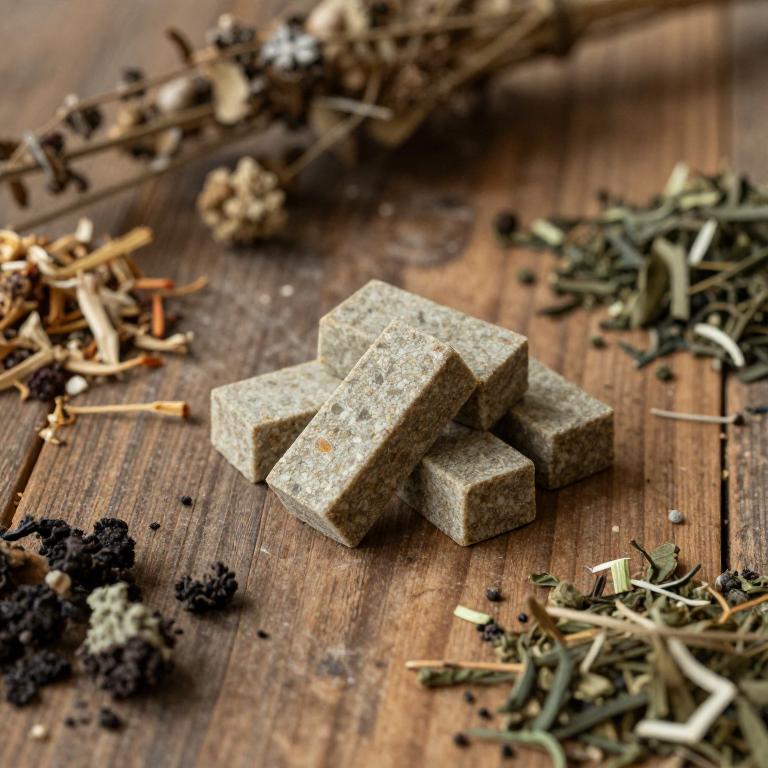
Herbal lozenges are a natural remedy designed to alleviate the discomfort of dry mouth by providing moisture and soothing the oral tissues.
These lozenges often contain ingredients like licorice root, sage, and peppermint, which have soothing and antimicrobial properties. They can help stimulate saliva production, making them particularly beneficial for individuals experiencing dry mouth due to aging, medication, or dehydration. Unlike traditional lozenges, herbal versions typically avoid artificial sweeteners and preservatives, making them a safer option for long-term use.
Regular use of herbal lozenges can improve oral comfort and support overall oral health.
Table of Contents
- 1. Salvia (Salvia officinalis)
- 2. Peppermint (Mentha piperita)
- 3. Licorice (Glycyrrhiza glabra)
- 4. Ginger (Zingiber officinale)
- 5. Fennel (Foeniculum vulgare)
- 6. Ceylon cinnamon (Cinnamomum verum)
- 7. Cumin (Cuminum cyminum)
- 8. Rosemary (Rosmarinus officinalis)
- 9. Black pepper (Piper nigrum)
- 10. Eucalyptus (Eucalyptus globulus)
1. Salvia (Salvia officinalis)
Salvia officinalis, commonly known as sage, is a popular herb used in the formulation of herbal lozenges for dry mouth due to its natural astringent and antimicrobial properties.
These lozenges help to stimulate saliva production, providing relief from the discomfort of a dry mouth by moistening the oral cavity. Sage has been traditionally used in herbal medicine to soothe sore throats and reduce oral bacteria, making it an effective choice for maintaining oral health. The soothing effect of sage lozenges can also help reduce inflammation and promote a sense of freshness in the mouth.
When used as part of a holistic approach to managing dry mouth, salvia officinalis lozenges offer a natural and gentle alternative to conventional treatments.
2. Peppermint (Mentha piperita)
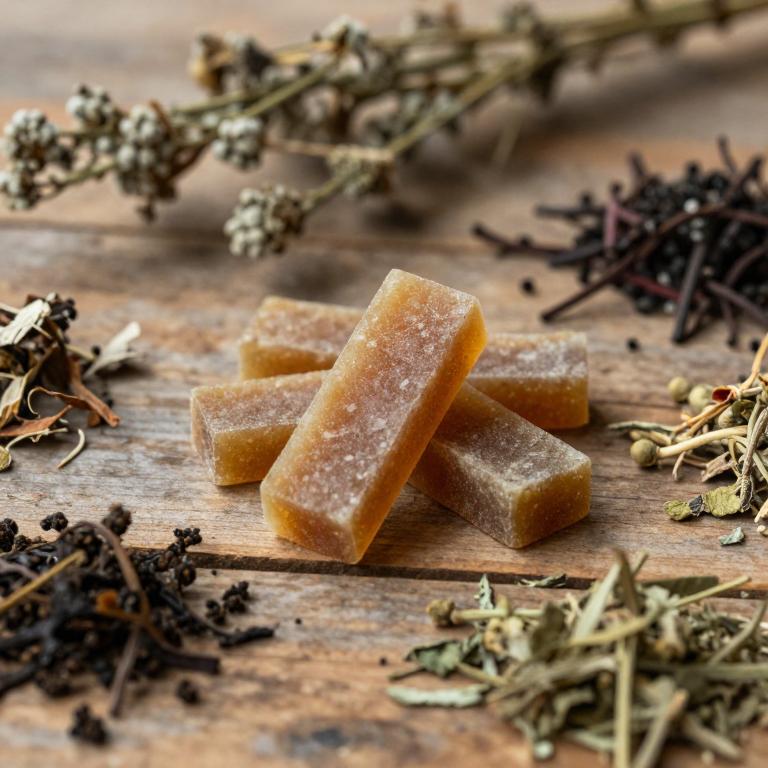
Mentha piperita, commonly known as peppermint, is a popular herb used in herbal lozenges to alleviate symptoms of dry mouth.
These lozenges provide a refreshing cooling sensation that helps stimulate saliva production and soothe a dry, irritated throat. The menthol in peppermint has mild anesthetic properties that can reduce discomfort associated with dry mouth. Additionally, peppermint lozenges are often free from artificial additives, making them a natural and safe option for many individuals.
Regular use of mentha piperita herbal lozenges can offer relief from dry mouth while promoting overall oral comfort.
3. Licorice (Glycyrrhiza glabra)
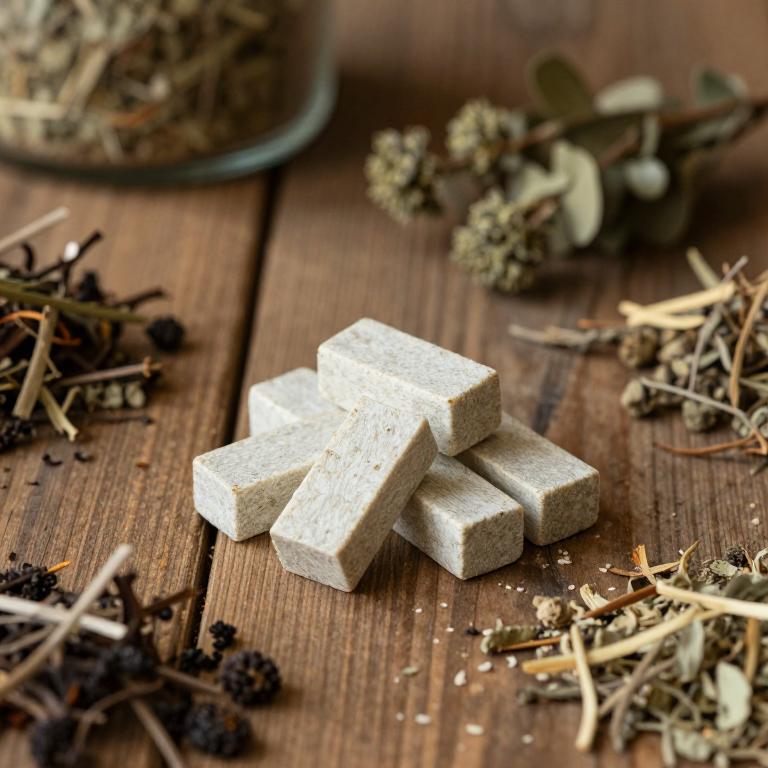
Glycyrrhiza glabra, commonly known as licorice root, is a traditional herbal remedy often used in the form of lozenges to alleviate symptoms of dry mouth.
These lozenges work by stimulating saliva production, which helps to moisten the mouth and reduce discomfort caused by oral dryness. The active compounds in licorice root, such as glycyrrhizin and flavonoids, have soothing and anti-inflammatory properties that can protect the mucous membranes of the mouth. Glycyrrhiza glabra lozenges are particularly beneficial for individuals experiencing dry mouth due to aging, medications, or environmental factors.
However, long-term use should be monitored, as excessive consumption may lead to side effects such as hypertension or fluid retention.
4. Ginger (Zingiber officinale)
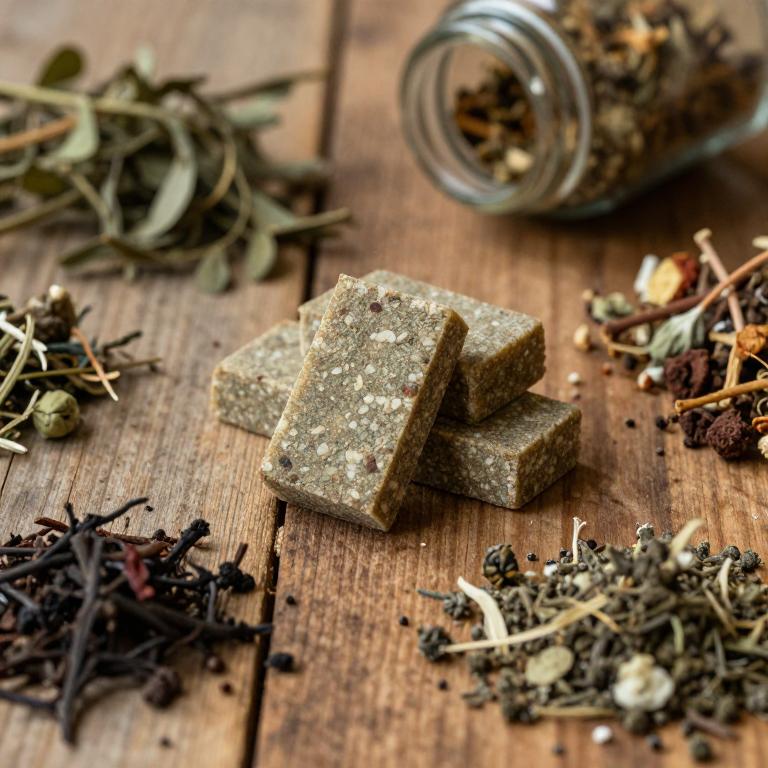
Zingiber officinale, commonly known as ginger, is a popular herbal remedy used in the formulation of lozenges to alleviate symptoms of dry mouth.
These lozenges work by stimulating saliva production through their natural warming and anti-inflammatory properties. The active compounds in ginger, such as gingerol and shogaol, help soothe irritation in the mouth and throat while promoting a more comfortable oral environment. Many individuals find that ginger lozenges offer a natural alternative to conventional saliva substitutes, especially for those experiencing dry mouth due to aging, medication, or dehydration.
Regular use of zingiber officinale lozenges can provide relief and improve overall oral comfort without the side effects often associated with synthetic treatments.
5. Fennel (Foeniculum vulgare)
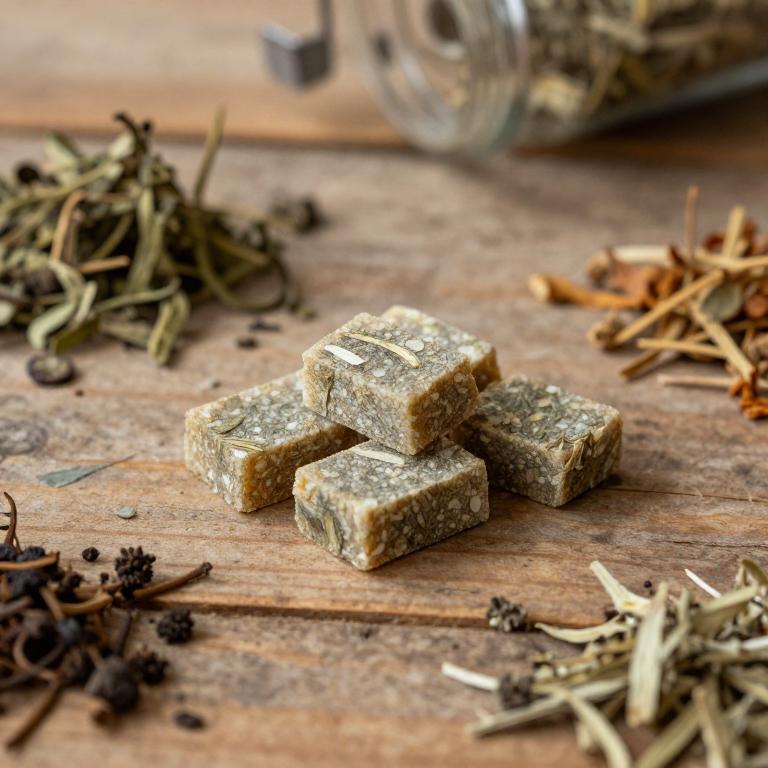
Foeniculum vulgare, commonly known as fennel, is a herb often used in the form of lozenges to alleviate symptoms of dry mouth.
These lozenges are made from the dried seeds of the fennel plant and are known for their mild licorice-like flavor. Fennel has natural antimicrobial and anti-inflammatory properties that can help soothe irritation in the mouth and throat. When used as lozenges, fennel can stimulate saliva production, making it a useful remedy for individuals experiencing dry mouth due to aging, medication, or dehydration.
Regular use of fennel lozenges may provide relief from discomfort and promote better oral health.
6. Ceylon cinnamon (Cinnamomum verum)
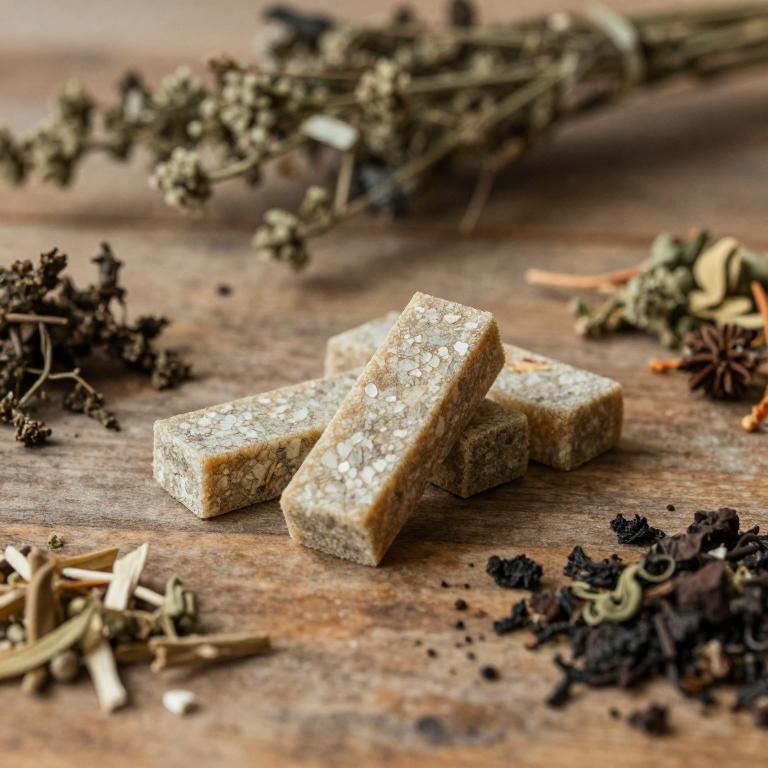
Cinnamomum verum, also known as true cinnamon, is commonly used in herbal lozenges to alleviate symptoms of dry mouth due to its soothing and antimicrobial properties.
These lozenges help stimulate saliva production, providing relief from the discomfort of a dry, irritated mouth. The aromatic compounds in cinnamon have a calming effect on the oral cavity, promoting a sense of freshness and comfort. Additionally, cinnamon's natural anti-inflammatory properties can reduce oral irritation and support overall oral health.
Regular use of Cinnamomum verum herbal lozenges can be a gentle and natural remedy for individuals experiencing chronic dry mouth.
7. Cumin (Cuminum cyminum)
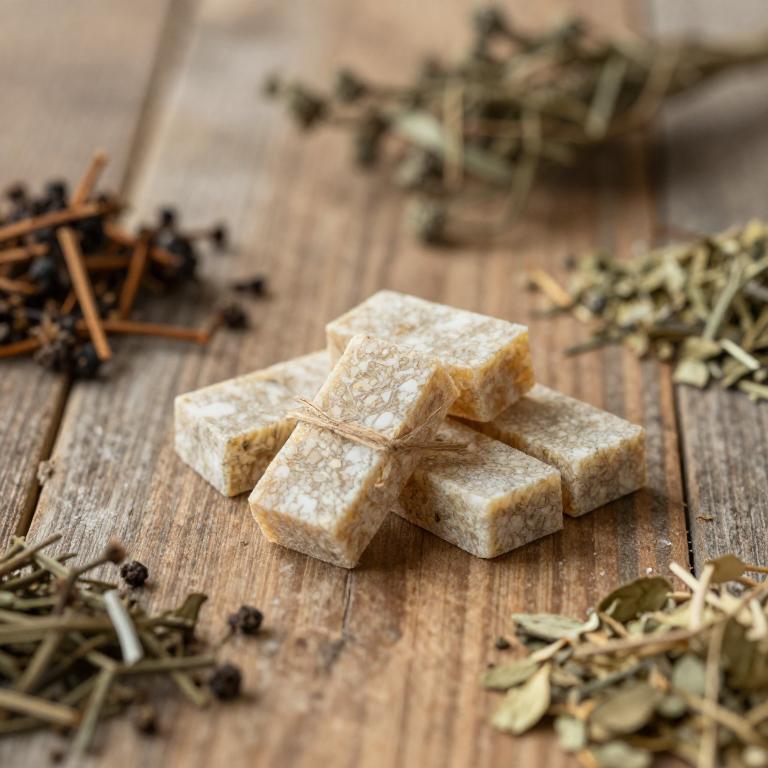
Cuminum cyminum, commonly known as cumin, is a herbal remedy that has been traditionally used to alleviate symptoms of dry mouth due to its soothing and anti-inflammatory properties.
These herbal lozenges are formulated with ground cumin seeds, which help stimulate saliva production and provide a cooling effect on the oral cavity. The natural oils in cumin contribute to a fresh and pleasant taste, making the lozenges more palatable and encouraging regular use. They are particularly beneficial for individuals experiencing dry mouth caused by aging, medications, or dehydration.
Cuminum cyminum herbal lozenges offer a natural, side-effect-free alternative to conventional saliva substitutes, promoting oral comfort and hydration.
8. Rosemary (Rosmarinus officinalis)
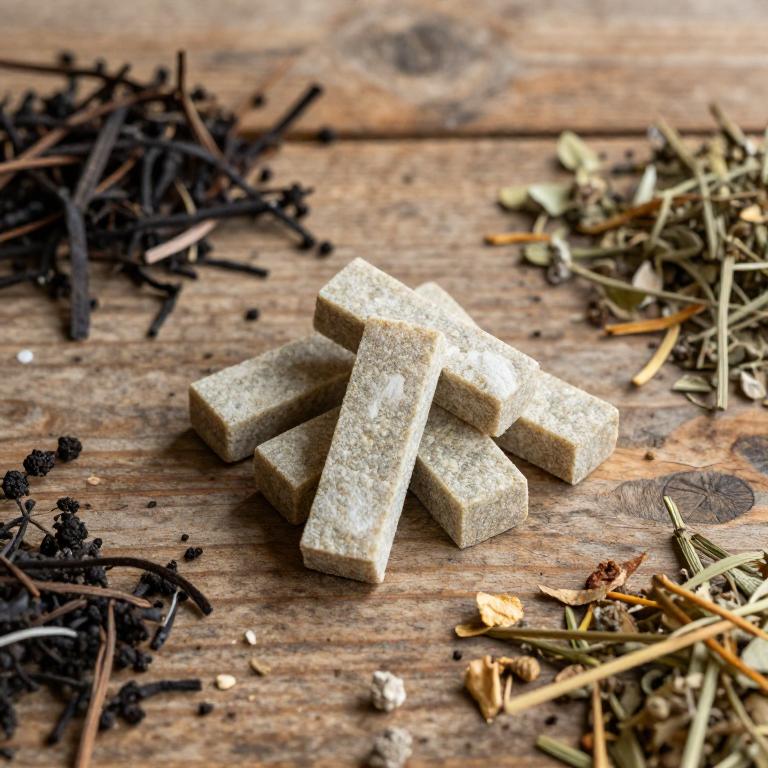
Rosmarinus officinalis, commonly known as rosemary, is a herb widely used in natural remedies for its aromatic and therapeutic properties.
Rosemary herbal lozenges are formulated to provide relief from dry mouth by stimulating saliva production and offering a refreshing menthol-like sensation. These lozenges are often made with a blend of rosemary extract, natural sweeteners, and herbal ingredients that support oral hydration and comfort. They are suitable for individuals experiencing dry mouth due to aging, medication, or dehydration.
Regular use of rosemary lozenges can help maintain oral moisture, reduce discomfort, and promote a healthier mouth environment.
9. Black pepper (Piper nigrum)
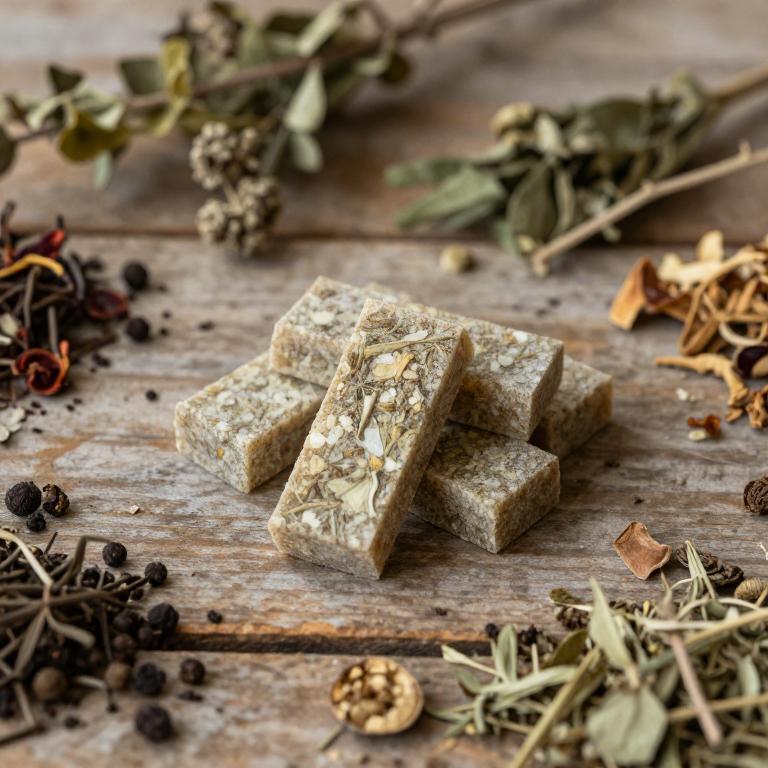
Piper nigrum, commonly known as black pepper, is a traditional herbal remedy that has been used for its stimulating and warming properties.
When formulated into herbal lozenges, piper nigrum can help alleviate symptoms of dry mouth by increasing saliva production and improving oral hydration. The active compound, piperine, may enhance the body's natural secretions, including saliva, which is essential for maintaining oral health. These lozenges are particularly beneficial for individuals experiencing dry mouth due to aging, medication side effects, or medical conditions.
As a natural and gentle option, piper nigrum herbal lozenges offer a safe alternative to conventional saliva substitutes while promoting comfort and oral wellness.
10. Eucalyptus (Eucalyptus globulus)
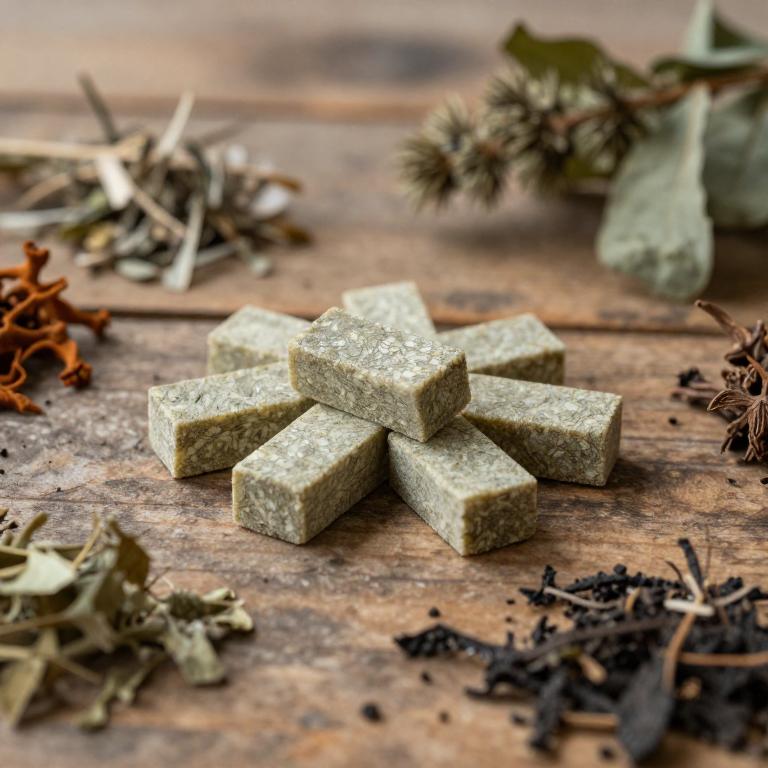
Eucalyptus globulus herbal lozenges are a natural remedy designed to alleviate symptoms of dry mouth by providing soothing relief and moisturizing comfort.
These lozenges contain the essential oil of eucalyptus globulus, also known as mountain gum, which has antimicrobial and anti-inflammatory properties. The cooling effect of the lozenges helps to stimulate saliva production, making them an effective solution for individuals experiencing persistent dryness in the mouth. They are ideal for those seeking a herbal alternative to conventional mouthwashes or artificial saliva products.
Regular use of eucalyptus globulus lozenges can help maintain oral comfort and support overall oral health.