10 Best Herbal Lotions For Dry Mouth
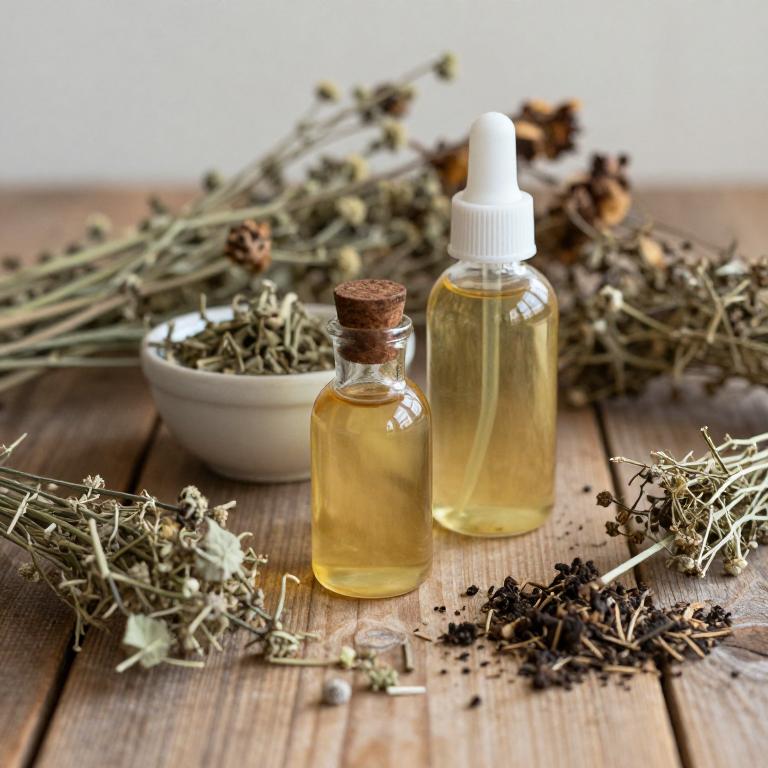
Herbal lotions for dry mouth are natural remedies that incorporate soothing herbs to alleviate oral discomfort caused by dehydration or medical conditions.
These lotions often contain ingredients like licorice root, aloe vera, and chamomile, which have moisturizing and anti-inflammatory properties. They can be applied directly to the lips or inside the mouth to provide relief and promote hydration. Unlike traditional mouthwashes, herbal lotions are generally gentler and less likely to cause irritation.
Regular use of these lotions can help maintain oral moisture and support overall oral health.
Table of Contents
- 1. Salvia (Salvia officinalis)
- 2. Peppermint (Mentha piperita)
- 3. Echinacea (Echinacea purpurea)
- 4. Licorice (Glycyrrhiza glabra)
- 5. Ginger (Zingiber officinale)
- 6. Rosemary (Rosmarinus officinalis)
- 7. Purple coneflower (Echinacea angustifolia)
- 8. Stinging nettle (Urtica dioica)
- 9. Black pepper (Piper nigrum)
- 10. St. john's wort (Hypericum perforatum)
1. Salvia (Salvia officinalis)
Salvia officinalis, commonly known as sage, has been traditionally used for its medicinal properties, and its extract is now incorporated into herbal lotions designed to alleviate dry mouth.
These lotions often contain soothing ingredients like sage essential oil, which can help reduce oral dryness by stimulating saliva production. The cooling and antiseptic properties of sage may also provide a refreshing sensation, making the product comfortable to use. When applied to the lips or inside the mouth, these lotions can offer temporary relief from the discomfort of dryness.
However, it is important to consult a healthcare professional before using such products, especially for prolonged or severe cases of dry mouth.
2. Peppermint (Mentha piperita)
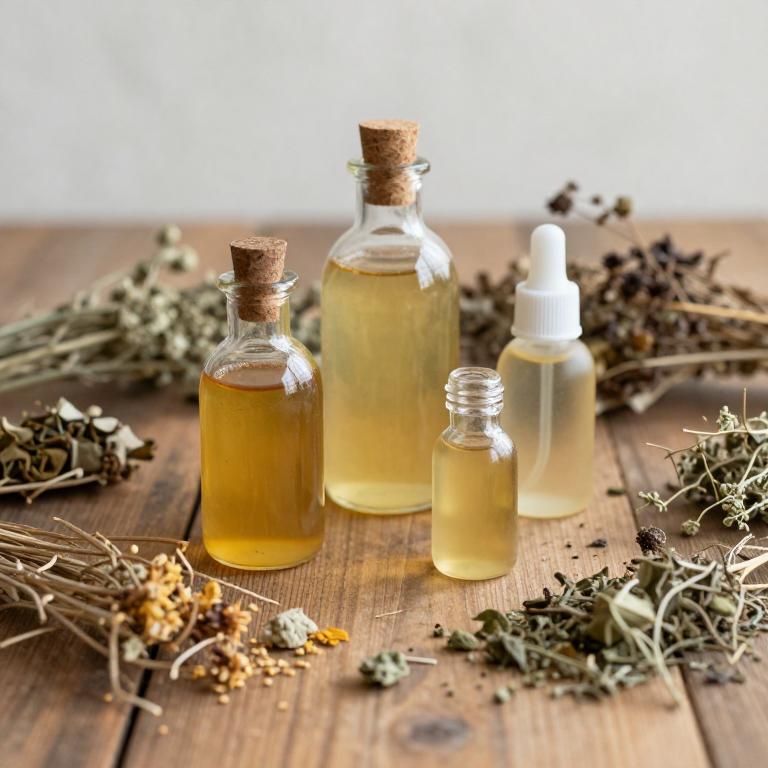
Mentha piperita, commonly known as peppermint, is a popular herb used in the formulation of herbal lotions aimed at alleviating dry mouth.
These lotions often contain essential oils extracted from fresh or dried peppermint leaves, which have a cooling and refreshing effect on the oral cavity. The menthol in peppermint helps stimulate saliva production, providing temporary relief from the discomfort of dry mouth. Herbal lotions made with mentha piperita are typically applied directly to the lips or inside the cheeks for a soothing sensation.
While they can offer a natural alternative for mild dry mouth symptoms, they should not replace professional dental care for underlying causes.
3. Echinacea (Echinacea purpurea)
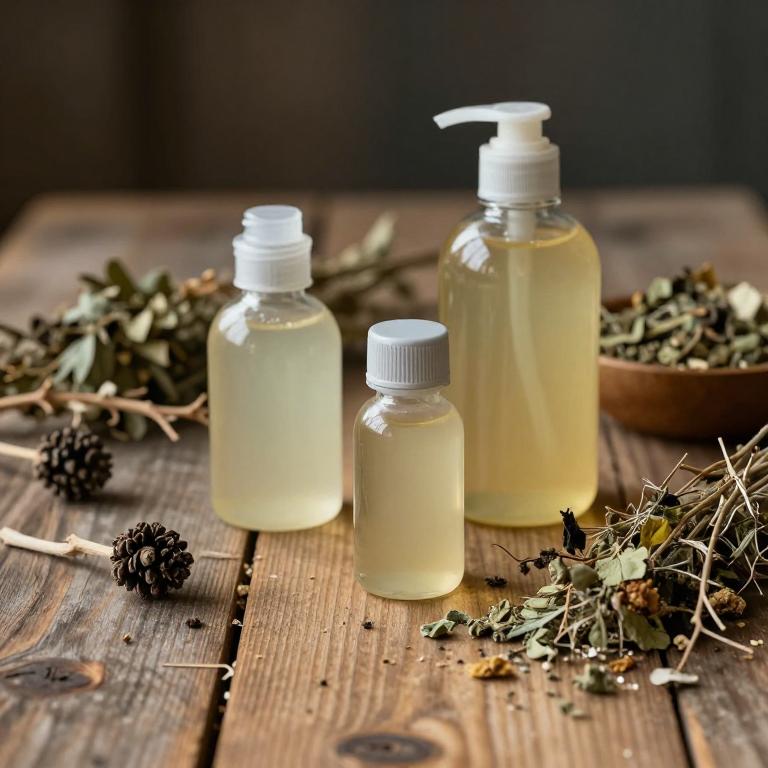
Echinacea purpurea, commonly known as purple coneflower, is a popular herbal remedy often used for its immune-boosting properties.
While it is traditionally used in teas and supplements, some formulations include echinacea in herbal lotions for topical application. These lotions may be marketed for their soothing effects on mucous membranes, potentially offering relief for dry mouth by promoting hydration and comfort. However, it is important to note that scientific evidence supporting the effectiveness of echinacea lotions for dry mouth is limited.
As with any herbal product, it is advisable to consult a healthcare professional before use, especially for individuals with allergies or existing medical conditions.
4. Licorice (Glycyrrhiza glabra)
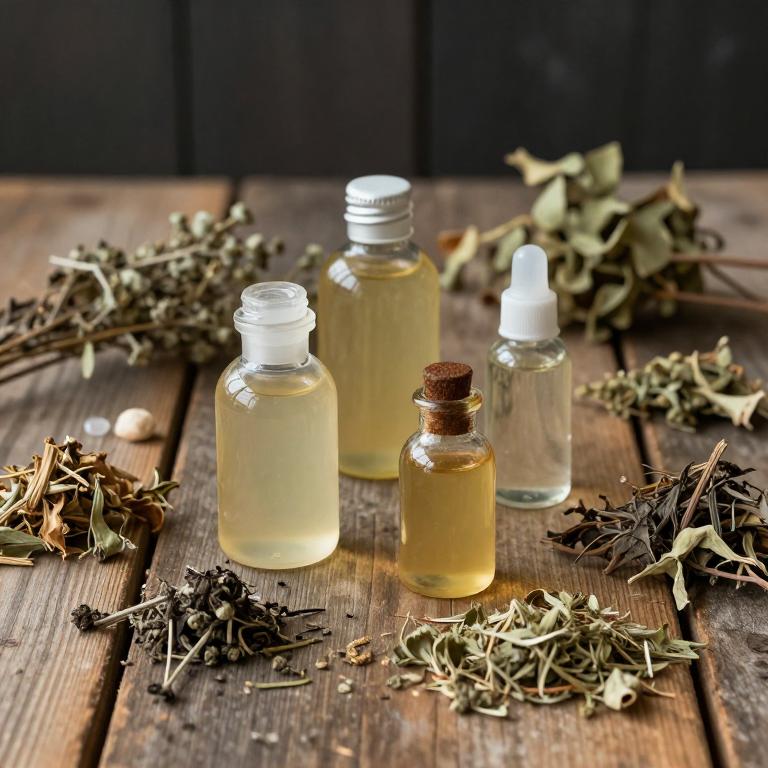
Glycyrrhiza glabra, commonly known as licorice root, is often used in herbal lotions to alleviate symptoms of dry mouth due to its soothing and demulcent properties.
These lotions can help moisturize and protect the mucous membranes in the mouth, providing relief from irritation and discomfort. The natural compounds in licorice root, such as glycyrrhizin, have anti-inflammatory and antimicrobial effects that further support oral health. When applied topically, these herbal lotions can create a protective barrier that reduces the sensation of dryness and promotes a more comfortable oral environment.
However, it is important to use licorice-based products in moderation, as excessive consumption of licorice can lead to side effects such as hypertension.
5. Ginger (Zingiber officinale)
Zingiber officinale, commonly known as ginger, has been traditionally used for its medicinal properties, and its extract is now incorporated into herbal lotions designed to alleviate symptoms of dry mouth.
These lotions often contain ginger essential oil or powdered ginger root, which can stimulate saliva production and provide a cooling, soothing effect on the oral mucosa. The natural anti-inflammatory and antimicrobial properties of ginger may help reduce irritation and prevent infections in the mouth. While these herbal lotions are generally considered safe for topical use, it is advisable to consult a healthcare professional before use, especially for individuals with sensitive skin or existing oral conditions.
Overall, ginger-based herbal lotions offer a natural alternative for managing dry mouth, promoting oral comfort through their aromatic and therapeutic properties.
6. Rosemary (Rosmarinus officinalis)
Rosmarinus officinalis, commonly known as rosemary, is a versatile herbal ingredient often used in natural lotions for its refreshing and soothing properties.
When incorporated into herbal lotions, rosemary can help alleviate dry mouth by stimulating saliva production and providing a cooling sensation that promotes hydration. These lotions are typically infused with rosemary essential oil, which has antimicrobial and anti-inflammatory benefits that support oral health. The aromatic properties of rosemary also offer a pleasant, invigorating experience during use.
As a natural remedy, rosemary-based lotions are a gentle and effective option for those seeking relief from dry mouth without the use of synthetic additives.
7. Purple coneflower (Echinacea angustifolia)
Echinacea angustifolia herbal lotions are formulated with the extract of the narrow-leaf echinacea plant, which is traditionally used for its potential immune-supporting properties.
These lotions may help alleviate dry mouth by providing a soothing effect and promoting saliva production through their natural herbal ingredients. The moisturizing properties of echinacea can help hydrate the oral mucosa, reducing discomfort associated with dryness. While not a substitute for medical treatments, they may offer gentle relief as a complementary remedy.
However, it is important to consult with a healthcare professional before using echinacea-based products, especially for individuals with known allergies or underlying health conditions.
8. Stinging nettle (Urtica dioica)
Urtica dioica, commonly known as stinging nettle, has been traditionally used in herbal medicine for its various health benefits, including its potential to alleviate symptoms of dry mouth.
When prepared into a herbal lotion, Urtica dioica may help soothe and moisturize the oral mucosa due to its high content of minerals and antioxidants. The anti-inflammatory properties of stinging nettle can reduce irritation and promote healing in the mouth, making it a natural alternative for those suffering from chronic dryness. However, it is important to consult with a healthcare professional before using any herbal remedy, as individual reactions and interactions with other medications can vary.
While some studies suggest the benefits of Urtica dioica for oral health, more research is needed to fully establish its efficacy and safety in treating dry mouth.
9. Black pepper (Piper nigrum)
Piper nigrum, commonly known as black pepper, has been traditionally used in herbal remedies for its stimulating and warming properties.
When incorporated into herbal lotions, piper nigrum may help alleviate dry mouth by promoting saliva production through its thermogenic and circulatory effects. These lotions typically combine black pepper with other moisturizing and soothing ingredients to enhance their effectiveness. However, it is important to consult a healthcare professional before using such remedies, especially for individuals with sensitive oral conditions or existing medical issues.
While some anecdotal evidence supports its use, more scientific research is needed to fully validate its efficacy for dry mouth relief.
10. St. john's wort (Hypericum perforatum)
Hypericum perforatum, commonly known as St. John's wort, is a herbal plant often used in the form of lotions for its potential therapeutic properties.
While primarily known for its use in treating mild depression, some formulations of St. John's wort may include moisturizing ingredients that could benefit individuals with dry mouth. However, it is important to note that hypericum perforatum lotions are not specifically designed or recommended for dry mouth relief, as they are more commonly used topically for skin conditions rather than oral hydration. The use of such lotions for dry mouth should be approached with caution, as they may not address the underlying causes of dry mouth effectively.
It is always advisable to consult a healthcare professional before using any herbal product for oral health concerns.