10 Best Herbal Capsules For Dry Mouth
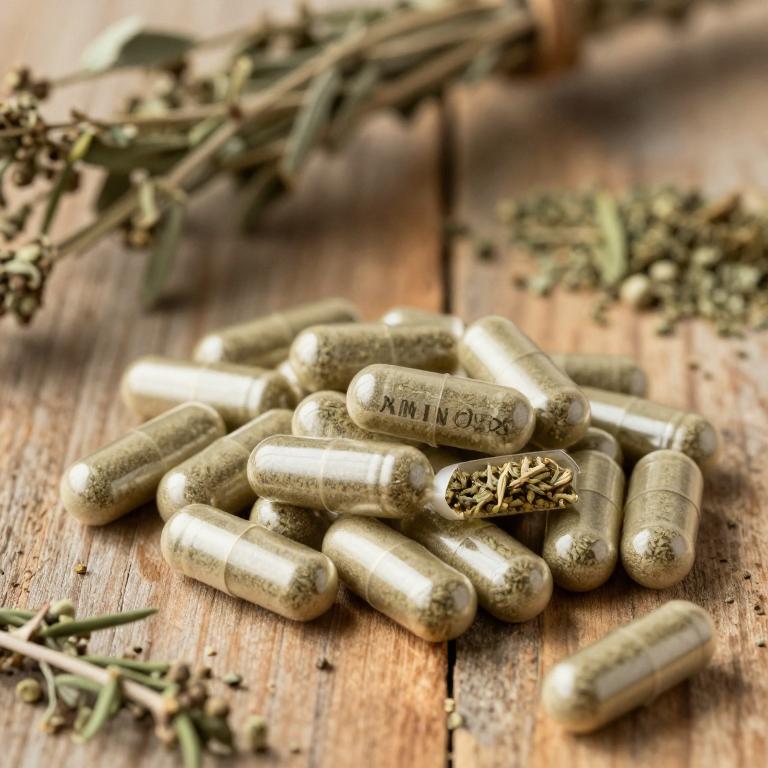
Herbal capsules are a natural alternative for managing dry mouth, offering a gentle and effective solution without the side effects of conventional medications.
These capsules often contain ingredients like licorice root, licorice root, sage, and ginger, which have been traditionally used to stimulate saliva production and soothe oral discomfort. They are particularly beneficial for individuals experiencing dry mouth due to aging, medication side effects, or medical conditions such as Sjögren’s syndrome. Many herbal capsules are available in convenient, easy-to-swallow forms, making them a practical choice for daily use.
However, it is important to consult with a healthcare provider before starting any herbal supplement to ensure safety and appropriateness for individual health needs.
Table of Contents
- 1. Salvia (Salvia officinalis)
- 2. Peppermint (Mentha piperita)
- 3. Licorice (Glycyrrhiza glabra)
- 4. Echinacea (Echinacea purpurea)
- 5. Ginger (Zingiber officinale)
- 6. Black pepper (Piper nigrum)
- 7. Cumin (Cuminum cyminum)
- 8. Fennel (Foeniculum vulgare)
- 9. Ceylon cinnamon (Cinnamomum verum)
- 10. Chaste tree (Vitex agnus-castus)
1. Salvia (Salvia officinalis)
Salvia officinalis, commonly known as sage, has been traditionally used for its medicinal properties, including its ability to help alleviate dry mouth.
Herbal capsules containing salvia officinalis are often used as a natural remedy to reduce excessive saliva production and soothe oral discomfort. These capsules work by potentially reducing the secretion of saliva, making them useful for individuals experiencing dry mouth, such as those with certain medical conditions or side effects from medications. However, it is important to consult a healthcare professional before using sage capsules, as they may interact with other medications or have side effects.
Overall, salvia officinalis herbal capsules offer a natural alternative for managing dry mouth symptoms, though their effectiveness can vary among individuals.
2. Peppermint (Mentha piperita)
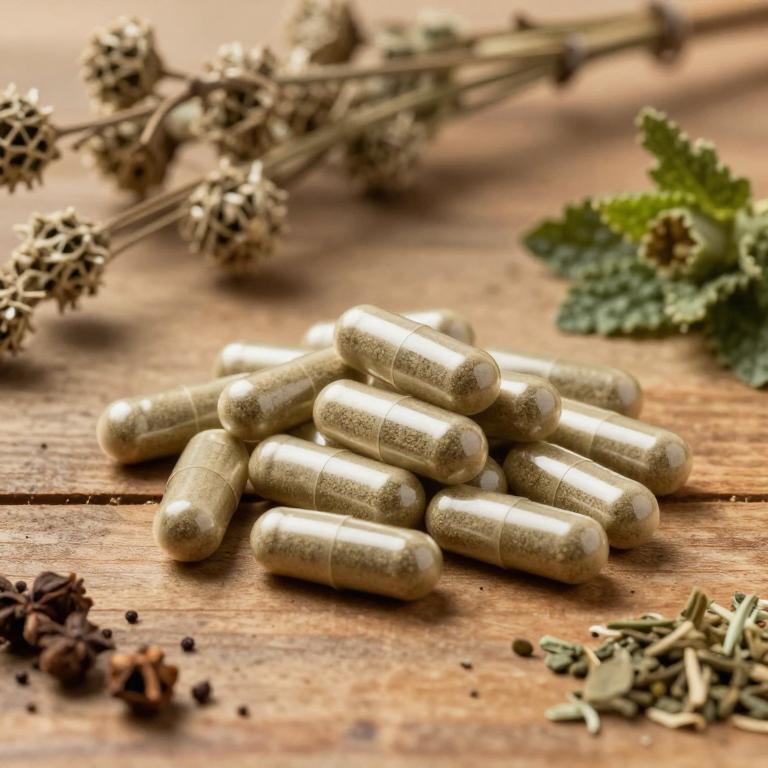
Mentha piperita, commonly known as peppermint, is a popular herbal remedy used in the form of capsules to alleviate symptoms of dry mouth.
These capsules contain concentrated peppermint oil, which has natural cooling and stimulating properties that can help increase saliva production. The menthol in peppermint acts as a mild irritant to the oral mucosa, triggering the salivary glands to produce more saliva. This makes peppermint herbal capsules a safe and natural option for individuals experiencing dry mouth, especially those who cannot use conventional saliva substitutes.
Regular use of peppermint capsules can provide relief and improve comfort in the mouth, promoting better oral health and hydration.
3. Licorice (Glycyrrhiza glabra)
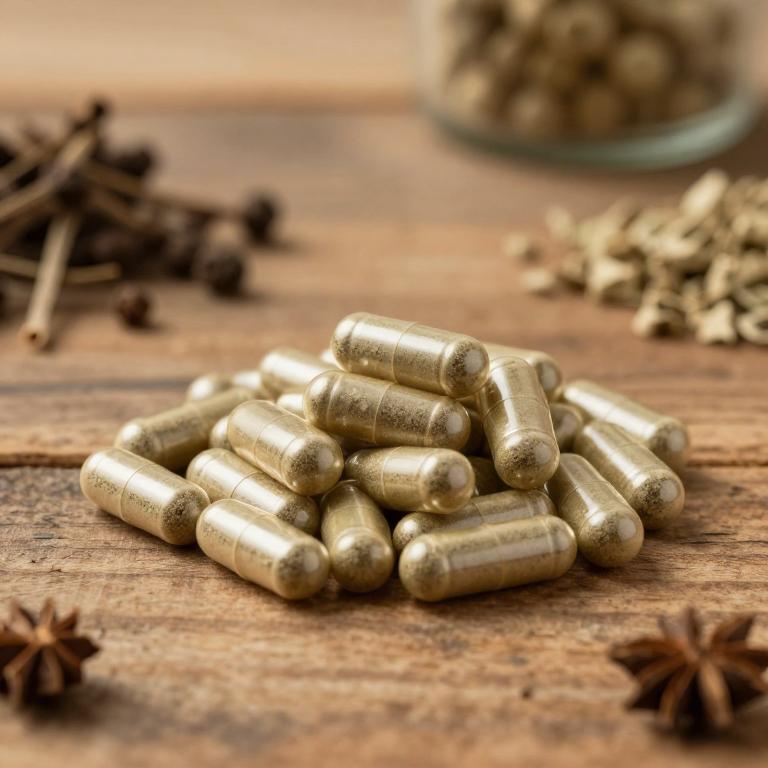
Glycyrrhiza glabra, commonly known as licorice root, is widely used in herbal medicine for its soothing and moisture-retaining properties.
Glycyrrhiza glabra herbal capsules are often recommended for individuals experiencing dry mouth due to their ability to stimulate saliva production and provide a natural lubricating effect. The active compounds in licorice root, such as glycyrrhizin and flavonoids, contribute to its effectiveness in alleviating oral dryness. These capsules are typically made from standardized extracts to ensure consistent potency and safety.
However, prolonged use should be monitored, as licorice root can have potential side effects, particularly in individuals with hypertension or kidney issues.
4. Echinacea (Echinacea purpurea)
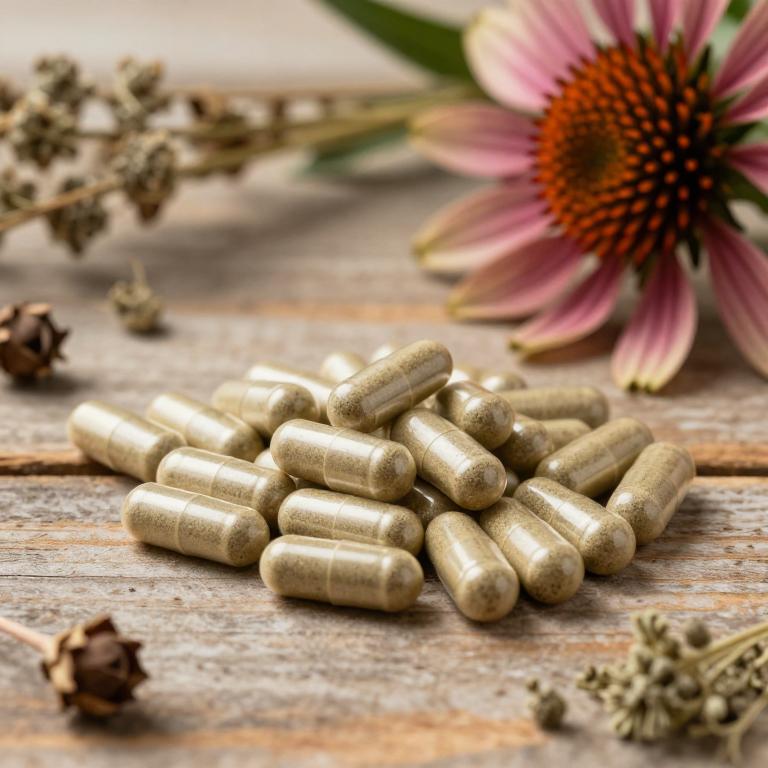
Echinacea purpurea, commonly known as purple coneflower, is a popular herbal remedy often used to support immune function and alleviate symptoms of colds and respiratory infections.
While it is not primarily marketed for treating dry mouth, some individuals use echinacea capsules to stimulate saliva production due to its potential anti-inflammatory and mucosal soothing properties. Dry mouth, or xerostomia, can result from various causes such as dehydration, medications, or certain medical conditions, and echinacea may offer some relief by promoting oral hydration. However, it is important to note that echinacea should not be considered a primary treatment for dry mouth without consulting a healthcare professional.
Always check for possible interactions with other medications and ensure proper dosage to avoid adverse effects.
5. Ginger (Zingiber officinale)
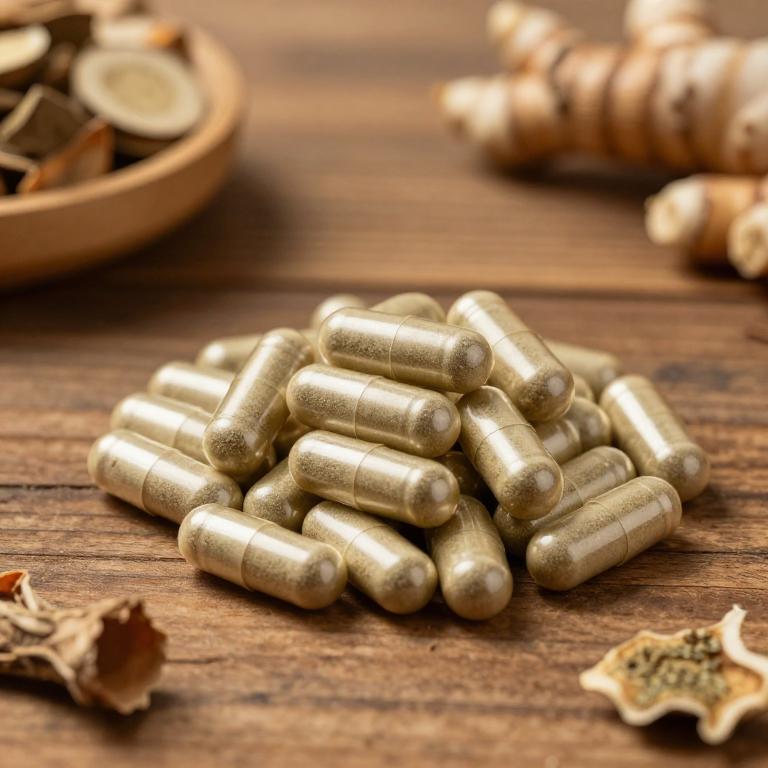
Zingiber officinale, commonly known as ginger, is often used in herbal capsules to alleviate symptoms of dry mouth due to its natural anti-inflammatory and soothing properties.
These capsules provide a convenient and concentrated form of ginger, allowing for easy consumption throughout the day. The active compounds in ginger, such as gingerol and shogaol, can help stimulate saliva production and reduce oral discomfort. Many individuals find that taking ginger capsules regularly helps maintain moisture in the mouth, especially during periods of dehydration or after medical treatments that cause dryness.
As a natural remedy, zingiber officinale herbal capsules offer a safe alternative for those seeking relief from dry mouth without relying on artificial medications.
6. Black pepper (Piper nigrum)
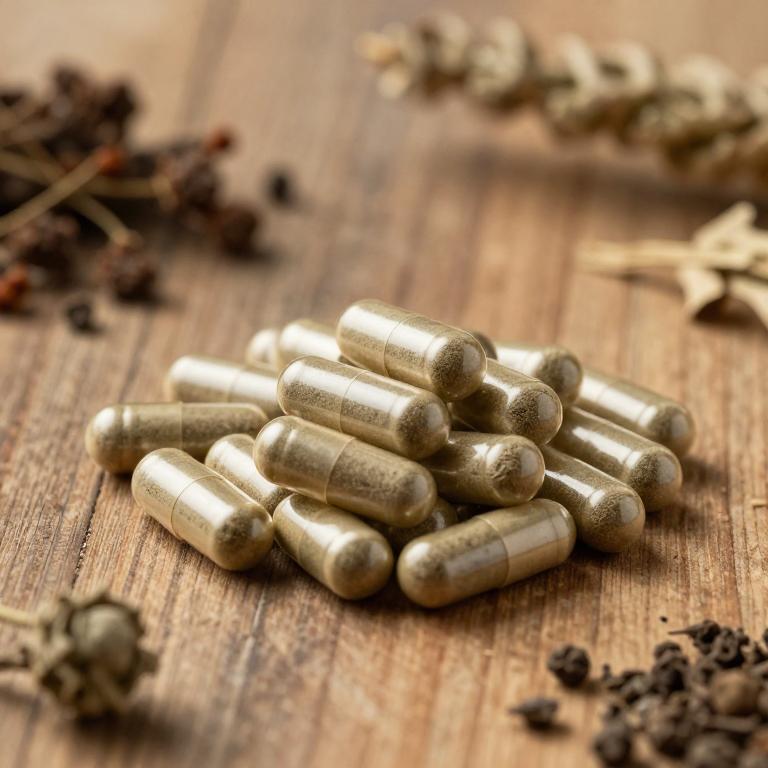
Piper nigrum, commonly known as black pepper, is an herbal supplement that may help alleviate symptoms of dry mouth due to its stimulating properties.
The active compound in black pepper, piperine, can increase saliva production by enhancing the activity of salivary glands. When taken in the form of herbal capsules, piper nigrum can provide a natural and convenient option for individuals experiencing chronic dry mouth. However, it is important to consult a healthcare professional before using it, especially if you have underlying health conditions or are taking other medications.
While some studies suggest potential benefits, more research is needed to fully understand its efficacy and safety for treating dry mouth.
7. Cumin (Cuminum cyminum)
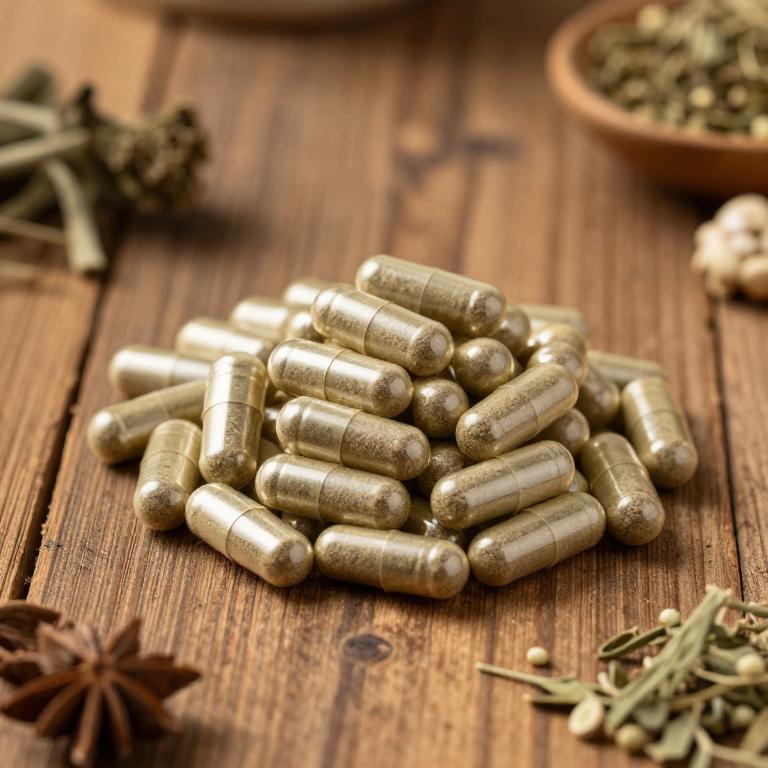
Cuminum cyminum, commonly known as cumin, is a popular herbal remedy that has been used for centuries in traditional medicine for its various health benefits.
Cumin herbal capsules are often used to alleviate symptoms of dry mouth due to their natural stimulant properties that can increase saliva production. These capsules are typically made from standardized cumin seeds, ensuring a consistent dose of active compounds like cuminaldehyde and thymol. The aromatic and warming nature of cumin can also provide a soothing effect on the oral cavity, making it a pleasant option for those experiencing dryness.
However, it is advisable to consult a healthcare professional before using cumin capsules, especially for individuals with existing medical conditions or those taking other medications.
8. Fennel (Foeniculum vulgare)
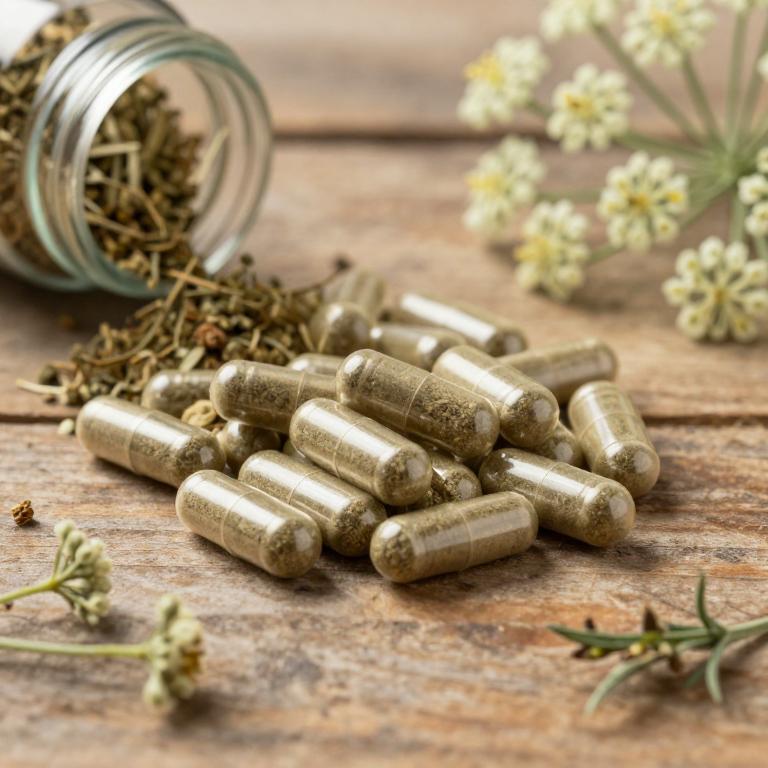
Foeniculum vulgare, commonly known as fennel, is often used in herbal capsules to alleviate symptoms of dry mouth due to its natural expectorant and mild stimulating properties.
The essential oils in fennel, particularly anethol, help increase saliva production and provide a soothing effect on the oral mucosa. These capsules are typically made from organic fennel seeds and are free from artificial additives, making them a safe option for many individuals. They are often recommended as a natural alternative to over-the-counter mouth moisteners, especially for those seeking non-pharmacological solutions.
However, it is advisable to consult a healthcare professional before use, particularly for individuals with existing health conditions or those taking other medications.
9. Ceylon cinnamon (Cinnamomum verum)
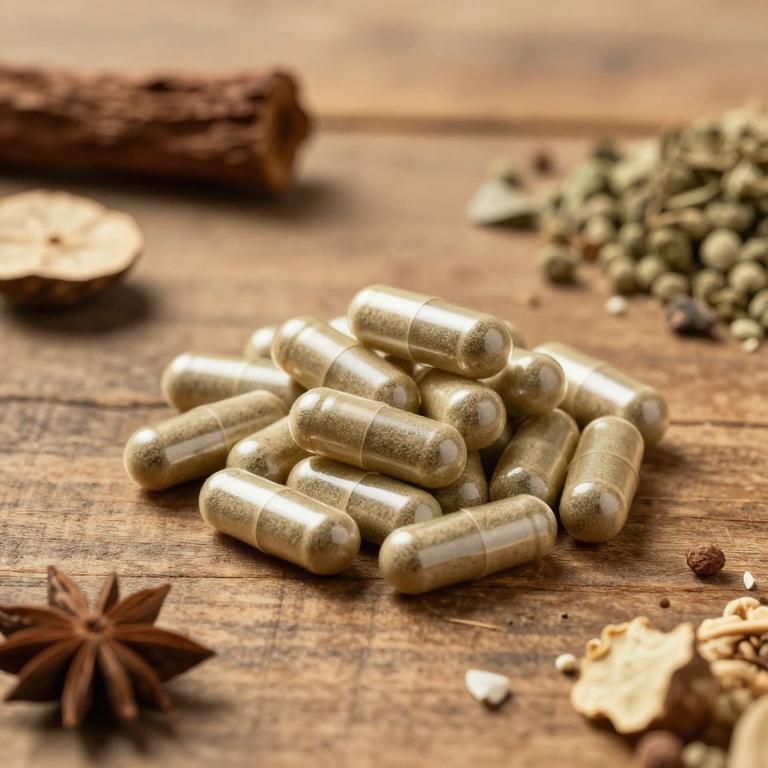
Cinnamomum verum, commonly known as true cinnamon, is often used in herbal capsules to help alleviate symptoms of dry mouth due to its natural moisture-retaining properties.
The essential oils in cinnamon, particularly cinnamaldehyde, can stimulate saliva production and provide a soothing effect on the oral mucosa. These capsules are typically made from organic cinnamon bark and are free from artificial additives, making them a safe option for long-term use. Many users report improved hydration and reduced discomfort in the mouth after regular consumption of cinnamon herbal capsules.
However, it is advisable to consult a healthcare professional before starting any new herbal supplement, especially for individuals with existing health conditions or those taking medications.
10. Chaste tree (Vitex agnus-castus)
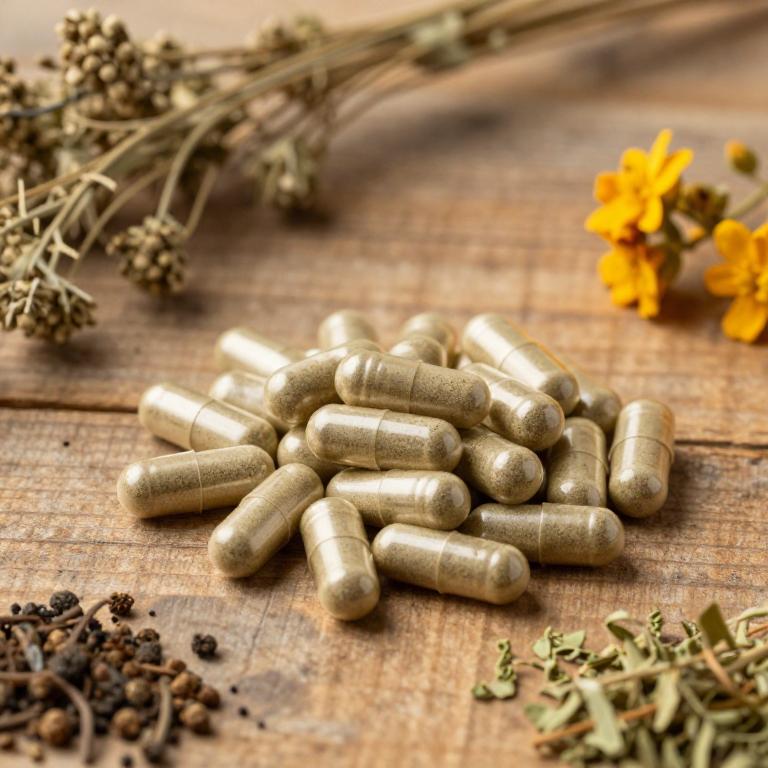
Vitex agnus-castus, commonly known as chasteberry, is a traditional herbal remedy often used to support hormonal balance and alleviate symptoms related to menopause.
While it is not specifically marketed for dry mouth, some users report that it may help reduce oral dryness by supporting overall hydration and saliva production. The herb is believed to influence the pituitary gland, which can indirectly affect saliva secretion and oral moisture levels. However, it is important to note that scientific evidence directly linking Vitex to dry mouth relief is limited, and individual responses may vary.
As with any herbal supplement, it is advisable to consult a healthcare professional before use, especially if you have existing health conditions or are taking other medications.