10 Best Herbal Teas For Dry Lips
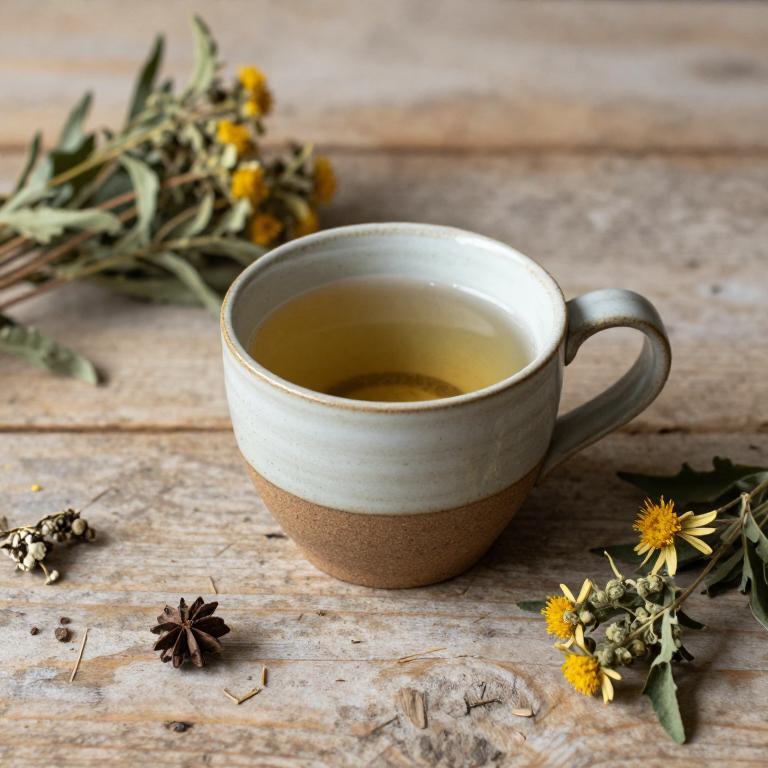
Herbal teas can be an effective and natural remedy for dry lips, as many contain soothing and moisturizing properties.
Chamomile, calendula, and licorice root are popular herbs known for their ability to calm irritation and promote healing. To use herbal tea for dry lips, simply brew a cup, let it cool, and apply it directly to the lips with a clean cotton pad. This method can help hydrate and soften the skin, reducing flakiness and discomfort.
Regular use of herbal teas can provide long-term relief and support healthier, more supple lips.
Table of Contents
- 1. Stinging nettle (Urtica dioica)
- 2. Chamomile (Matricaria chamomilla)
- 3. Salvia (Salvia officinalis)
- 4. Echinacea (Echinacea purpurea)
- 5. English lavender (Lavandula angustifolia)
- 6. Lemon balm (Melissa officinalis)
- 7. Dog rose (Rosa canina)
- 8. Yarrow (Achillea millefolium)
- 9. Ginger (Zingiber officinale)
- 10. Marigold (Calendula officinalis)
1. Stinging nettle (Urtica dioica)
Urtica dioica, commonly known as stinging nettle, is a versatile herb that has been used for centuries in traditional medicine for its various health benefits.
When brewed into a herbal tea, stinging nettle can provide soothing relief for dry lips due to its high content of minerals like iron, magnesium, and silica, which help nourish and hydrate the skin. The anti-inflammatory properties of nettle tea may also reduce irritation and redness associated with dryness, making it a gentle yet effective remedy. To prepare the tea, simply steep a teaspoon of dried nettle leaves in hot water for several minutes, then allow it to cool before applying it to the lips with a clean cloth.
Regular use of urtica dioica herbal tea can help improve the overall health and appearance of dry, chapped lips.
2. Chamomile (Matricaria chamomilla)
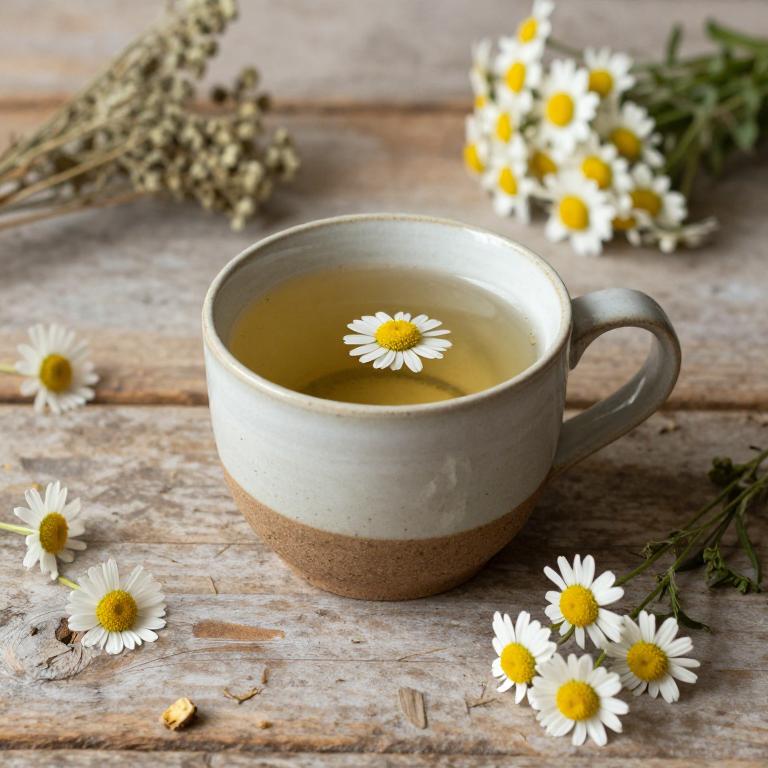
Matricaria chamomilla, commonly known as chamomile, is a gentle herbal tea that has been used for centuries for its calming and soothing properties.
When brewed into a tea, chamomile can help hydrate and soften dry lips due to its high content of antioxidants and anti-inflammatory compounds. The mild, floral aroma of chamomile tea provides a pleasant and relaxing experience while offering natural relief for chapped lips. To use it for dry lips, you can apply a cooled chamomile tea as a compress or use it as a lip balm base by mixing it with a carrier oil like coconut or almond oil.
Regular use of chamomile tea can promote lip hydration and may help reduce irritation and redness associated with dryness.
3. Salvia (Salvia officinalis)
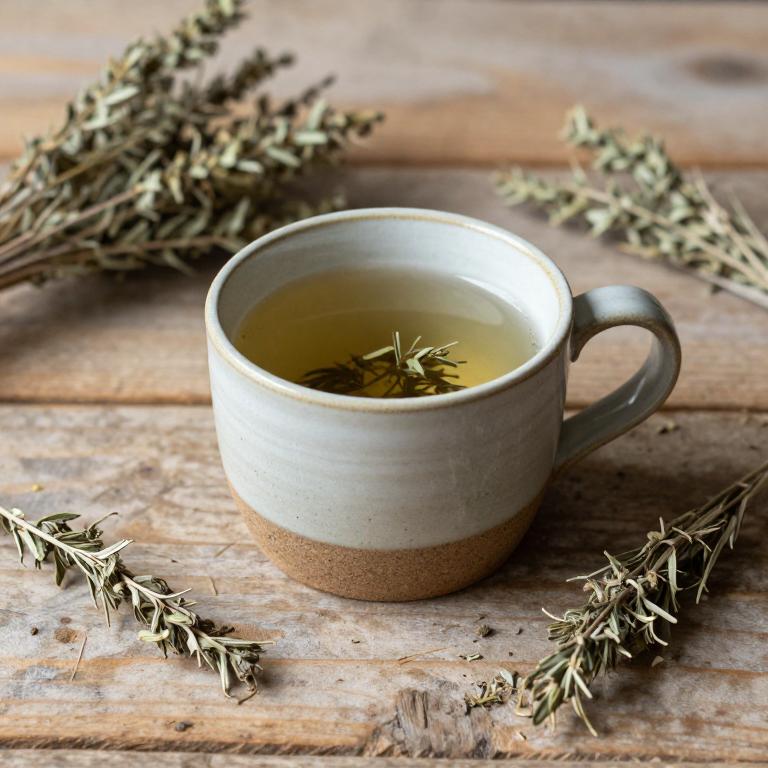
Salvia officinalis, commonly known as sage, is a herbal plant often used in teas to address a variety of health concerns, including dry lips.
The tea is believed to have astringent properties that can help tighten and soothe the lips, reducing dryness and flakiness. When brewed properly, sage tea can provide a calming and nourishing effect on the delicate skin of the lips. It is often recommended to apply the cooled tea directly to the lips or use it as a compress for added hydration.
However, it is important to consult with a healthcare professional before using sage tea, especially for prolonged periods, as it may have potential side effects.
4. Echinacea (Echinacea purpurea)
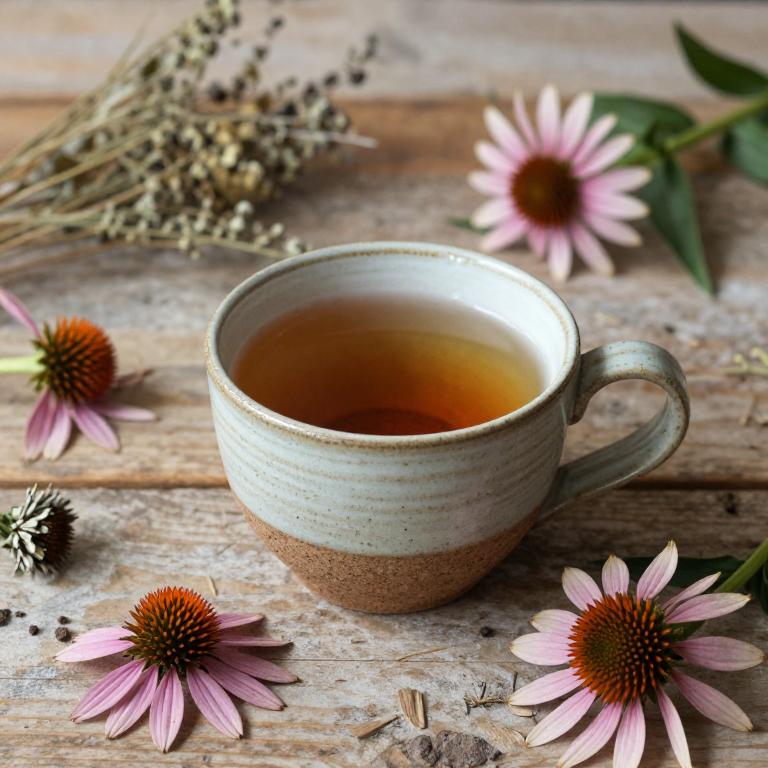
Echinacea purpurea, commonly known as purple coneflower, is a popular herbal plant often used in teas for its potential health benefits.
While it is traditionally associated with immune support, some people use echinacea purpurea herbal teas to help soothe dry lips due to its anti-inflammatory and moisturizing properties. The tea may help reduce irritation and promote a smoother texture on the lips by providing gentle hydration. However, it is important to note that scientific evidence specifically linking echinacea to lip hydration is limited, and results may vary among individuals.
As with any herbal remedy, it is advisable to consult with a healthcare professional before incorporating echinacea into your routine, especially if you have known allergies or sensitivities.
5. English lavender (Lavandula angustifolia)
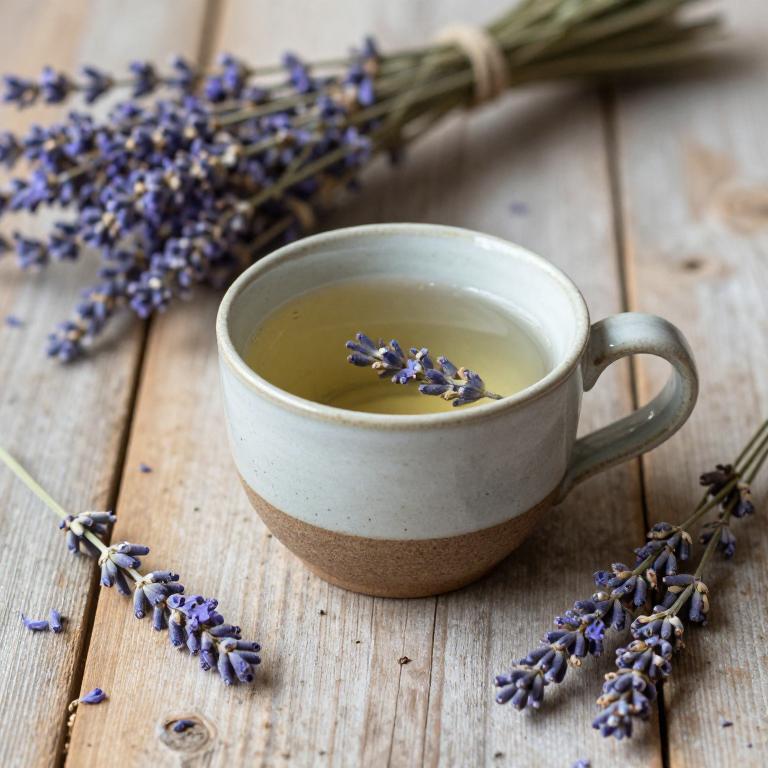
Lavandula angustifolia, commonly known as English lavender, is often used in herbal teas to soothe and hydrate dry lips due to its calming and moisturizing properties.
The essential oils in lavender contain compounds like linalool and lavandins, which have anti-inflammatory and antimicrobial effects that can help reduce irritation and promote healing. When brewed into a tea, lavender can provide a gentle, aromatic remedy that not only comforts the lips but also offers a calming effect on the mind. To use it for dry lips, one can apply the cooled tea directly to the lips or use it as a base for lip balms and moisturizers.
Regular consumption of lavender herbal tea may contribute to overall skin health, supporting the body's natural ability to maintain hydration and resilience in the lips.
6. Lemon balm (Melissa officinalis)
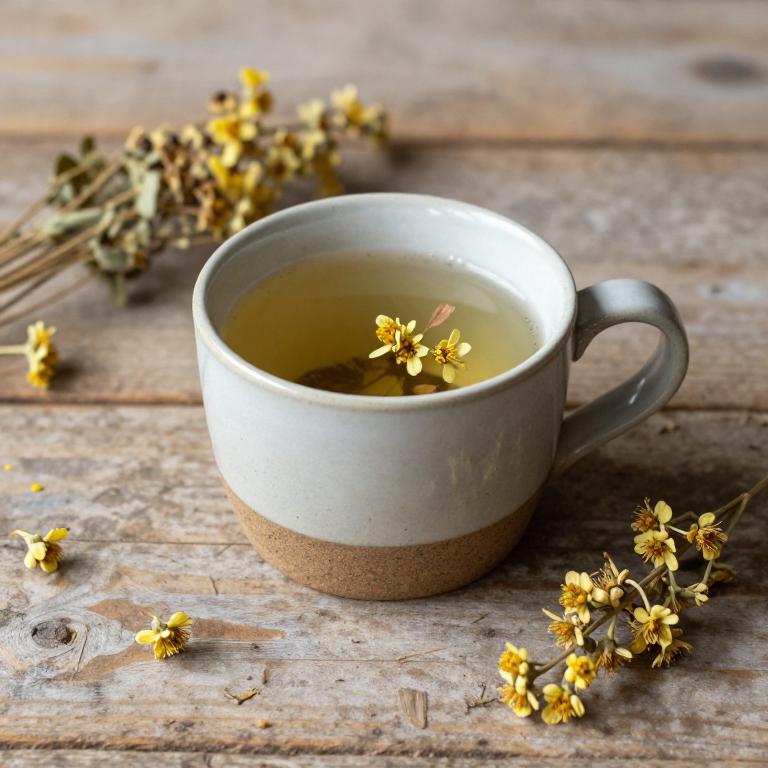
Melissa officinalis, commonly known as lemon balm, is a versatile herb often used in herbal teas to promote relaxation and soothe the mind.
When brewed into a calming herbal tea, lemon balm can help reduce stress and anxiety, which are common contributors to dry lips. The tea's mild, citrusy flavor is gentle on the palate and can be enjoyed both hot and cold. While it may not directly moisturize the lips, the calming effects of lemon balm can indirectly improve lip health by reducing tension and promoting overall well-being.
For best results, it is recommended to drink the tea regularly and pair it with a lip balm or moisturizer for optimal hydration.
7. Dog rose (Rosa canina)
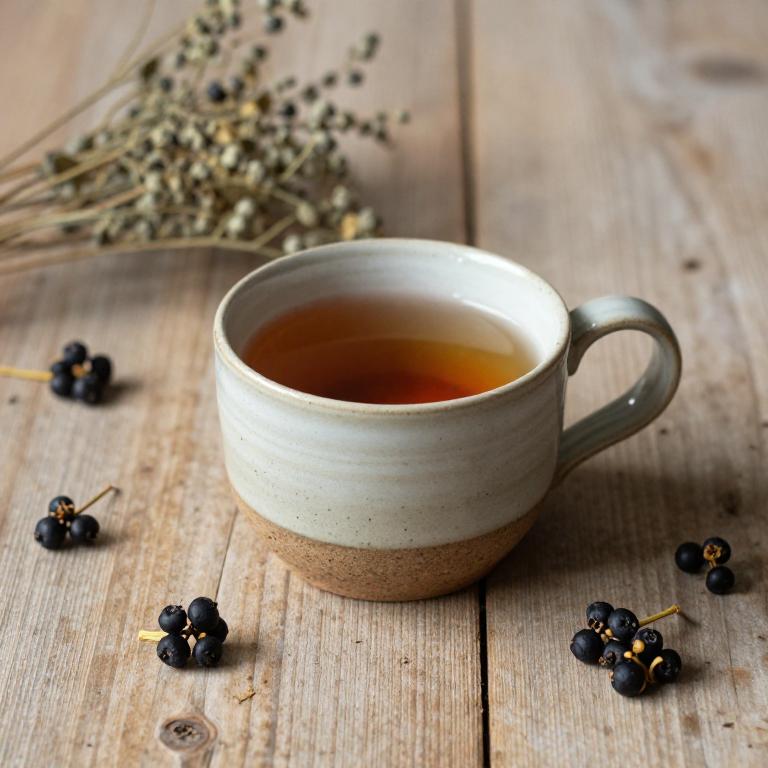
Rosa canina, also known as dog rose, is a traditional herbal remedy that has been used for centuries to promote skin health and hydration.
Its berries are rich in antioxidants, vitamins, and essential fatty acids, making them particularly beneficial for dry and chapped lips. Rosa canina herbal teas can be brewed and applied topically or consumed internally to nourish and moisturize the lips from within. The anti-inflammatory properties of this herb help reduce irritation and redness, while its soothing effects can provide long-lasting relief.
Regular use of rosa canina herbal tea may help prevent and treat dry lips, offering a natural and gentle alternative to commercial lip balms.
8. Yarrow (Achillea millefolium)
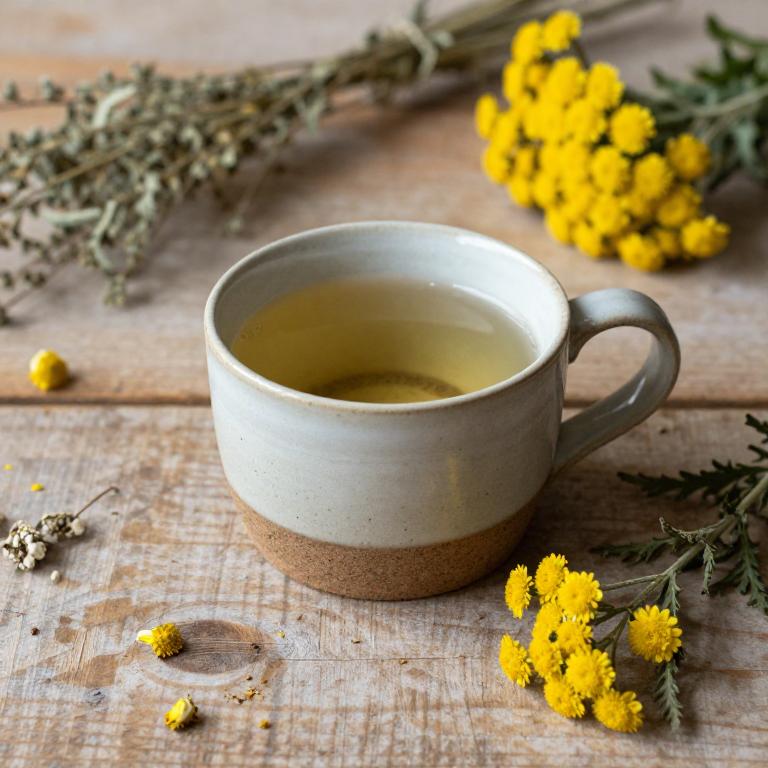
Achillea millefolium, commonly known as yarrow, is a traditional herb that has been used for centuries for its soothing and healing properties.
When brewed into a herbal tea, it can provide gentle nourishment to dry lips by promoting moisture retention and reducing inflammation. The tea's mild, earthy flavor makes it an enjoyable and calming beverage, suitable for daily consumption. Rich in antioxidants and anti-inflammatory compounds, yarrow tea supports overall skin health, making it a natural remedy for chapped lips.
Incorporating achillea millefolium into your routine can offer a gentle, holistic approach to maintaining soft and healthy lips.
9. Ginger (Zingiber officinale)
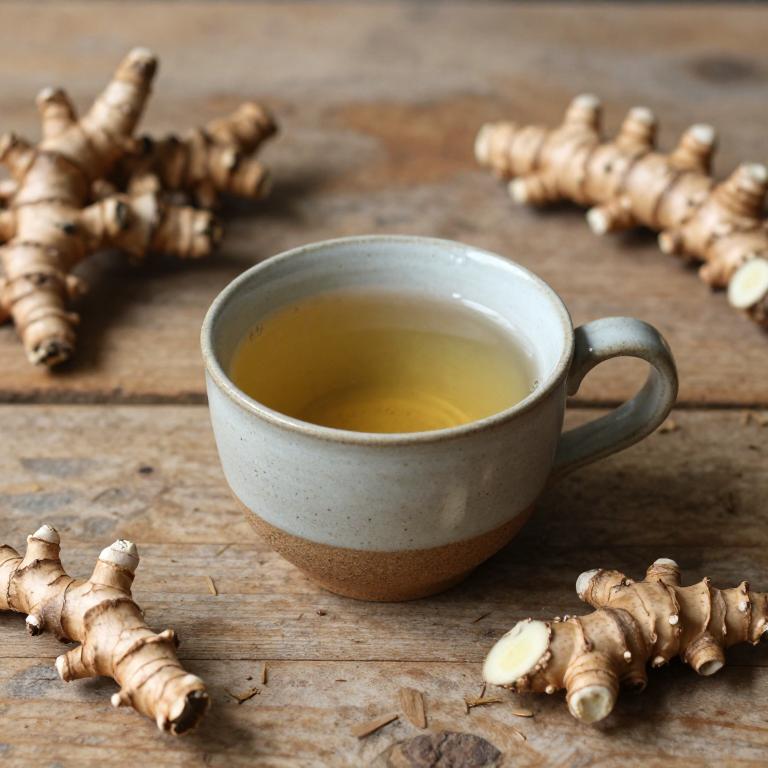
Zingiber officinale, commonly known as ginger, is a popular herbal ingredient used in teas to soothe and nourish dry lips.
The warming properties of ginger help stimulate blood circulation to the lips, promoting natural hydration and reducing chapping. When brewed into a tea, ginger can provide a gentle exfoliating effect, removing dead skin cells and revealing smoother, healthier lip tissue. It also contains anti-inflammatory compounds that may help alleviate irritation and redness associated with dryness.
To use ginger tea for dry lips, simply brew a cup, let it cool, and apply it with a clean cloth or lip balm for best results.
10. Marigold (Calendula officinalis)
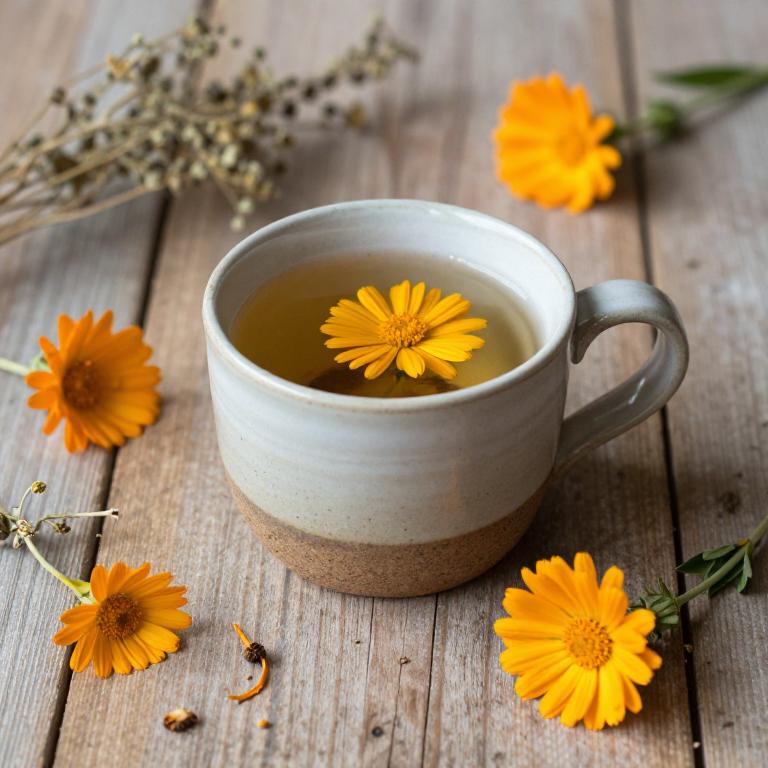
Calendula officinalis, commonly known as pot marigold, is a popular herb used in herbal teas to soothe and heal dry lips.
Its anti-inflammatory and antiseptic properties help reduce irritation and promote skin regeneration. When brewed into a gentle tea, calendula can provide a calming effect on the lips, offering relief from chapping and cracks. This herbal remedy is also known for its mild, floral aroma, which can be both comforting and uplifting.
Regular use of calendula officinalis tea can contribute to healthier, more moisturized lips by enhancing natural hydration and protecting against environmental stressors.