10 Best Herbal Lotions For Difficulty Swallowing
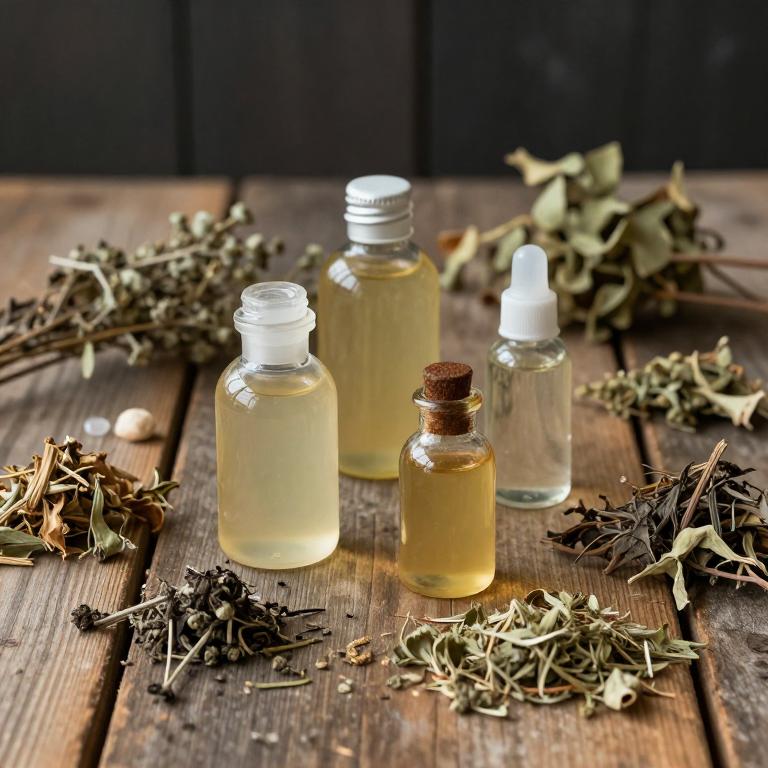
Herbal lotions are topical treatments that can be used to alleviate the discomfort associated with difficulty swallowing, though they are not a direct cure for the underlying causes.
These lotions often contain natural ingredients such as ginger, lavender, or eucalyptus, which are believed to have soothing and anti-inflammatory properties. While they may provide some relief by reducing throat irritation and promoting relaxation, they should not replace medical advice or treatment for conditions like throat infections or neurological disorders. It is important to consult a healthcare professional to determine the appropriate course of action for persistent swallowing difficulties.
Herbal lotions can be a complementary therapy when used under the guidance of a qualified practitioner.
Table of Contents
- 1. Licorice (Glycyrrhiza glabra)
- 2. Ginger (Zingiber officinale)
- 3. Peppermint (Mentha piperita)
- 4. Chaste tree (Vitex agnus-castus)
- 5. Echinacea (Echinacea purpurea)
- 6. Salvia (Salvia officinalis)
- 7. Stinging nettle (Urtica dioica)
- 8. Rosemary (Rosmarinus officinalis)
- 9. Fennel (Foeniculum vulgare)
- 10. English lavender (Lavandula angustifolia)
1. Licorice (Glycyrrhiza glabra)
Glycyrrhiza glabra, commonly known as licorice root, has been traditionally used in herbal medicine for its soothing properties, and some herbal lotions containing this ingredient may be used to alleviate difficulty swallowing.
These lotions are often formulated with glycyrrhizin, a compound known for its anti-inflammatory and demulcent effects, which can help reduce irritation and inflammation in the throat. When applied topically, these lotions may provide a calming effect on the mucous membranes, potentially easing the sensation of a sore or irritated throat. However, it is important to note that while some people may find relief using licorice-based lotions, they are not a substitute for medical treatment, especially in cases of persistent or severe swallowing difficulties.
Always consult with a healthcare provider before using any herbal remedy for swallowing issues.
2. Ginger (Zingiber officinale)
Zingiber officinale, commonly known as ginger, has been traditionally used for its digestive and anti-inflammatory properties.
Herbal lotions containing zingiber officinale may offer relief for individuals experiencing difficulty swallowing by reducing inflammation in the throat and esophagus. These lotions can be applied topically to the neck and throat area to ease discomfort and promote relaxation of the muscles involved in swallowing. While they are not a direct treatment for swallowing disorders, they may complement other therapeutic approaches.
It is important to consult a healthcare professional before using any herbal remedies, especially for persistent or severe swallowing difficulties.
3. Peppermint (Mentha piperita)
Mentha piperita, commonly known as peppermint, is often used in herbal lotions for its soothing and cooling properties.
These lotions can help alleviate discomfort associated with difficulty swallowing by reducing inflammation and easing muscle tension in the throat. The menthol in peppermint has a mild anesthetic effect that may numb the throat, making swallowing less painful. Additionally, the refreshing scent of peppermint can help clear nasal passages and improve overall respiratory comfort.
While not a cure for underlying causes of difficulty swallowing, peppermint herbal lotions can provide temporary relief and support natural healing processes.
4. Chaste tree (Vitex agnus-castus)
Vitex agnus-castus, commonly known as chasteberry, is a herbal remedy that has been traditionally used for various hormonal and digestive issues.
While it is often associated with menstrual regulation and hormonal balance, some individuals have reported its potential benefits in alleviating difficulty swallowing, or dysphagia. Herbal lotions containing vitex agnus-castus may help reduce inflammation in the throat and improve muscle tone in the esophageal region, potentially easing the process of swallowing. However, it is important to consult a healthcare professional before using such remedies, as they may interact with other medications or have side effects.
Despite anecdotal evidence, scientific research on the effectiveness of vitex agnus-castus for dysphagia remains limited, and more studies are needed to confirm its efficacy.
5. Echinacea (Echinacea purpurea)
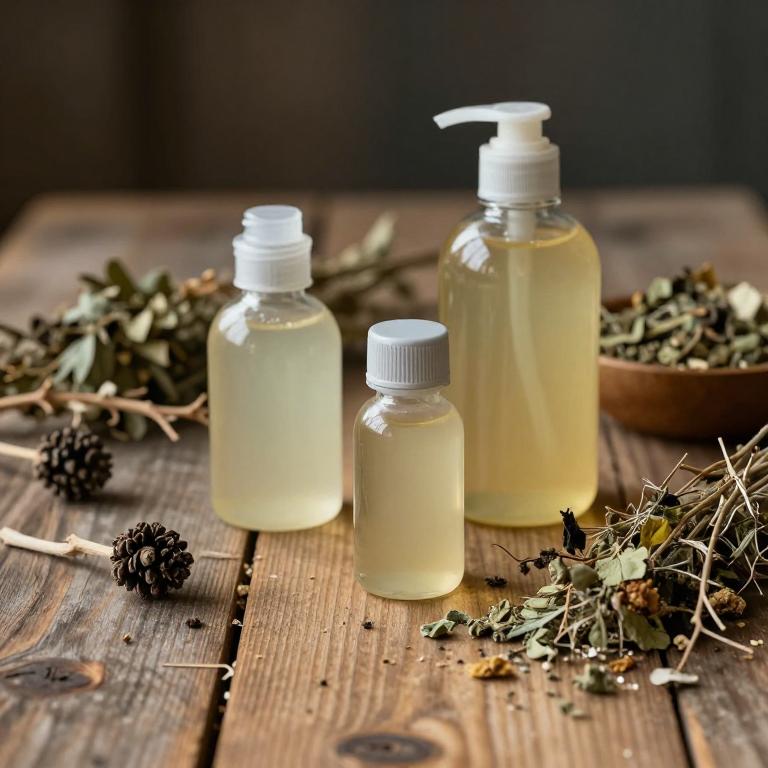
Echinacea purpurea herbal lotions are traditionally used to support immune health and may offer potential benefits for individuals experiencing difficulty swallowing.
While primarily known for its immune-boosting properties, some formulations of echinacea may include soothing ingredients that can help alleviate throat irritation, which is often a contributing factor to swallowing difficulties. These lotions are typically applied topically to the throat or neck area, providing a localized effect that can reduce inflammation and discomfort. However, it is important to consult with a healthcare provider before using echinacea, especially for those with underlying medical conditions or taking other medications.
As with any herbal remedy, the effectiveness of echinacea purpurea lotions for difficulty swallowing can vary, and they should not replace professional medical advice or treatment.
6. Salvia (Salvia officinalis)
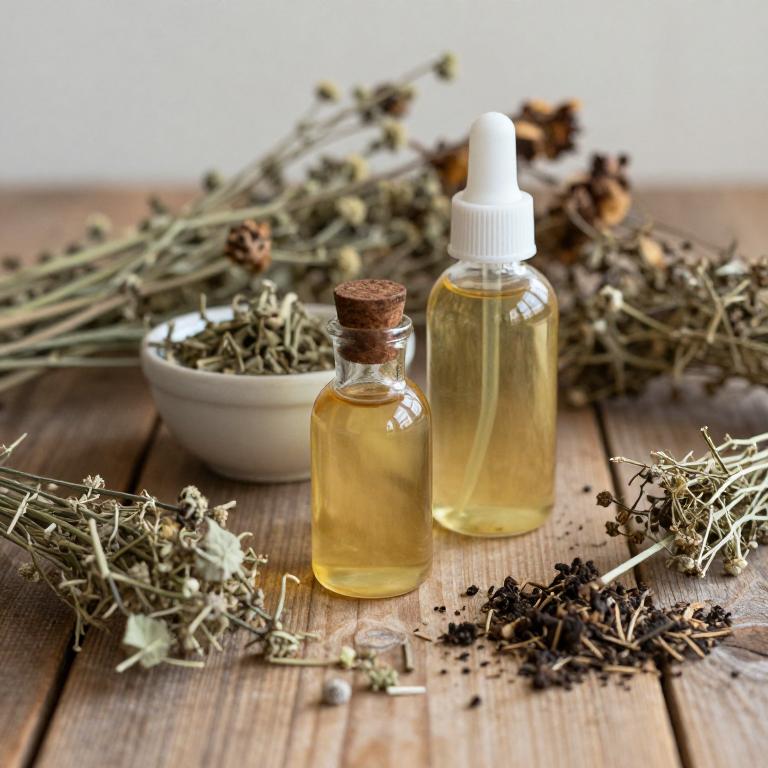
Salvia officinalis, commonly known as sage, has been traditionally used in herbal remedies for its potential soothing properties.
Herbal lotions made from salvia officinalis may help alleviate difficulty swallowing by reducing inflammation and irritation in the throat. These lotions can be applied topically to the neck and throat area to provide localized relief. While not a cure for swallowing disorders, they may complement other treatments by easing discomfort.
However, it is important to consult a healthcare professional before using sage-based products, especially for persistent or severe swallowing issues.
7. Stinging nettle (Urtica dioica)
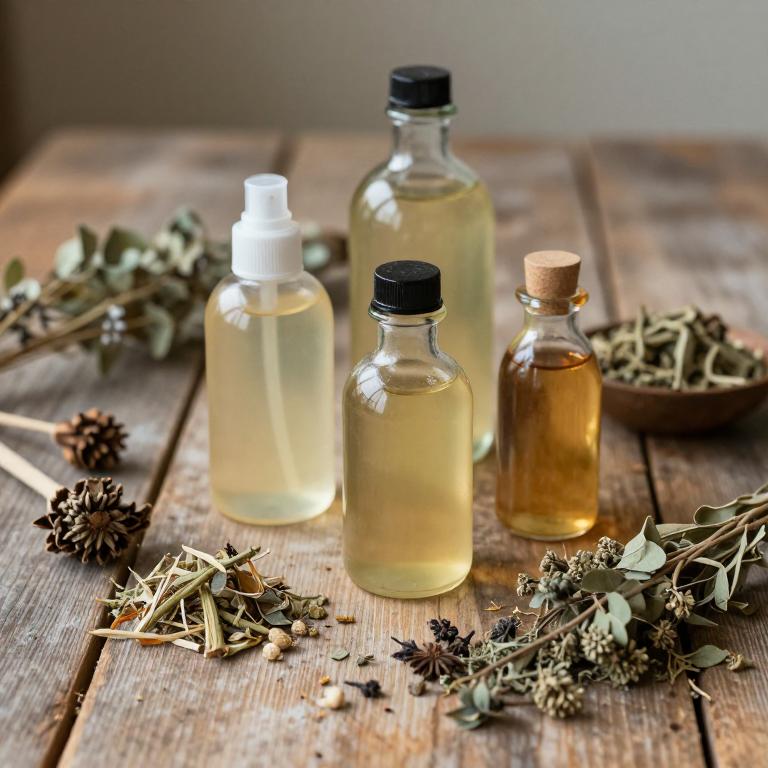
Urtica dioica, commonly known as stinging nettle, has been traditionally used in herbal medicine for its potential therapeutic properties.
While it is most often associated with topical applications for skin conditions, some herbal formulations incorporate urtica dioica into lotions that may support overall health. For individuals experiencing difficulty swallowing, these lotions are not directly designed to address the condition, but may contribute to general wellness by promoting detoxification and reducing inflammation. However, it is important to consult with a healthcare professional before using any herbal product, especially for individuals with swallowing difficulties.
The effectiveness of urtica dioica lotions for such conditions remains largely anecdotal, and scientific evidence supporting their use in this context is limited.
8. Rosemary (Rosmarinus officinalis)
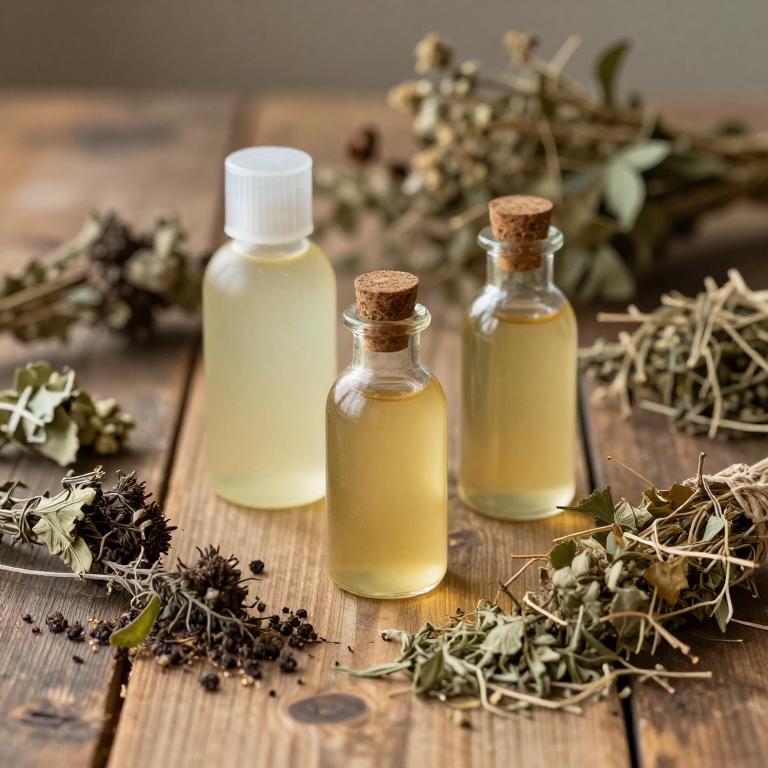
Rosmarinus officinalis, commonly known as rosemary, is often used in herbal lotions for its potential to support respiratory and digestive health.
While rosemary is traditionally valued for its aromatic and anti-inflammatory properties, there is limited scientific evidence directly linking rosemary herbal lotions to the relief of difficulty swallowing. Some proponents suggest that the essential oils in rosemary may help soothe throat irritation and reduce inflammation, potentially easing the sensation of a lump in the throat. However, it is important to consult a healthcare professional before using any herbal remedy, especially for conditions like dysphagia, to ensure safety and appropriateness.
Overall, while rosemary may offer some symptomatic relief, it should not replace medical treatment for swallowing difficulties.
9. Fennel (Foeniculum vulgare)
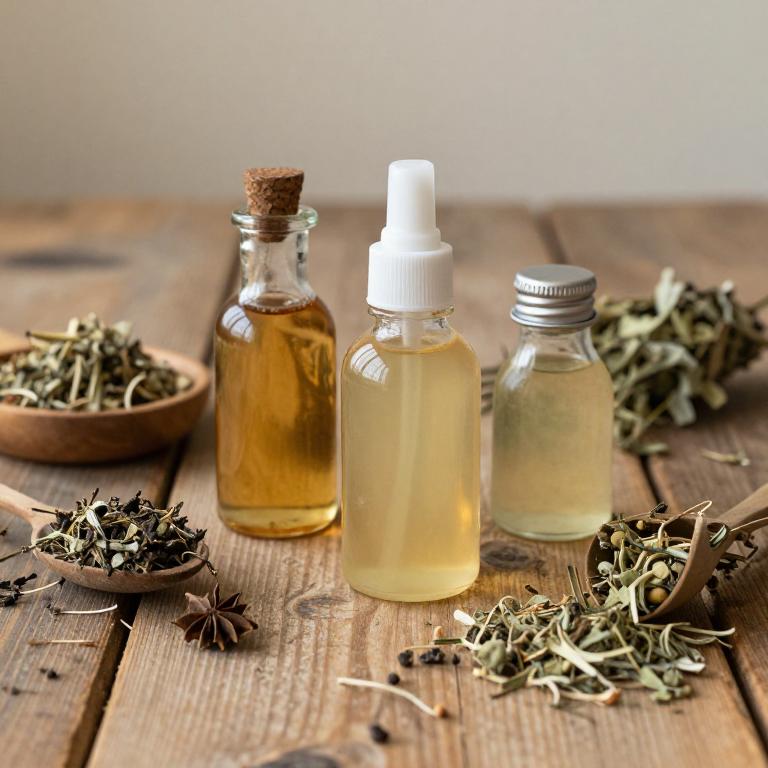
Foeniculum vulgare, commonly known as fennel, has been traditionally used in herbal medicine for its potential soothing effects on the respiratory and digestive systems.
Herbal lotions made from fennel may help alleviate symptoms associated with difficulty swallowing by reducing inflammation and easing muscle spasms in the throat and esophagus. These lotions are often applied topically to the neck and chest area to promote relaxation and improve breathing, which can indirectly support easier swallowing. While fennel is generally considered safe for external use, it is important to consult a healthcare professional before using it, especially if there are underlying medical conditions or if symptoms persist.
Overall, fennel-based herbal lotions may offer a natural complement to conventional treatments for swallowing difficulties.
10. English lavender (Lavandula angustifolia)
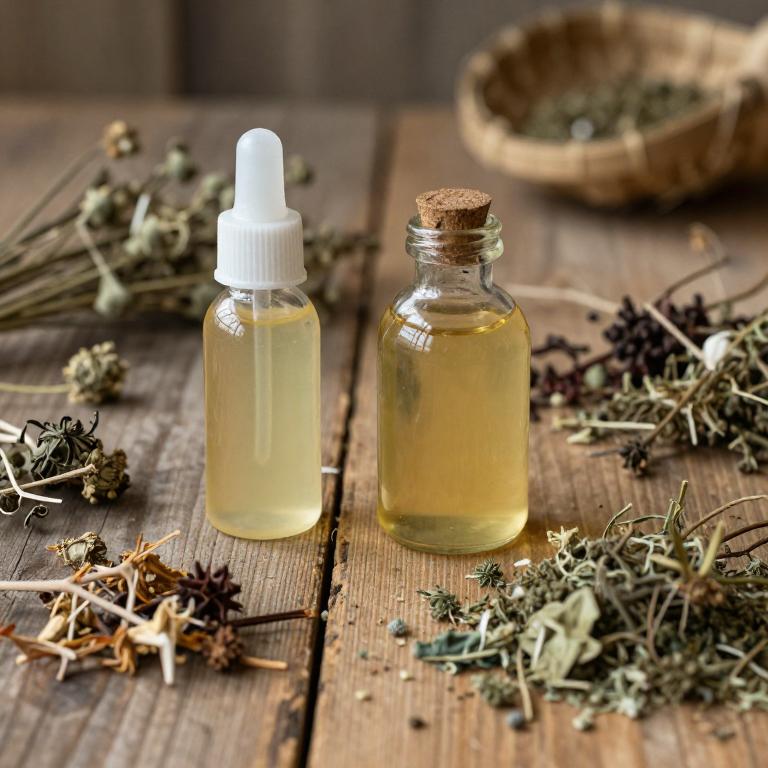
Lavandula angustifolia, commonly known as English lavender, is often used in herbal lotions for its calming and soothing properties.
These lotions are particularly beneficial for individuals experiencing difficulty swallowing, as they can help reduce inflammation and irritation in the throat. The essential oils in lavender have mild antiseptic and anti-inflammatory effects, which may ease discomfort and promote healing. When applied topically, lavender-infused lotions can provide a cooling sensation that soothes the throat without causing irritation.
However, it is important to consult with a healthcare professional before using lavender lotions, especially if the difficulty swallowing is due to an underlying medical condition.