10 Best Herbal Lozenges For Diarrhea
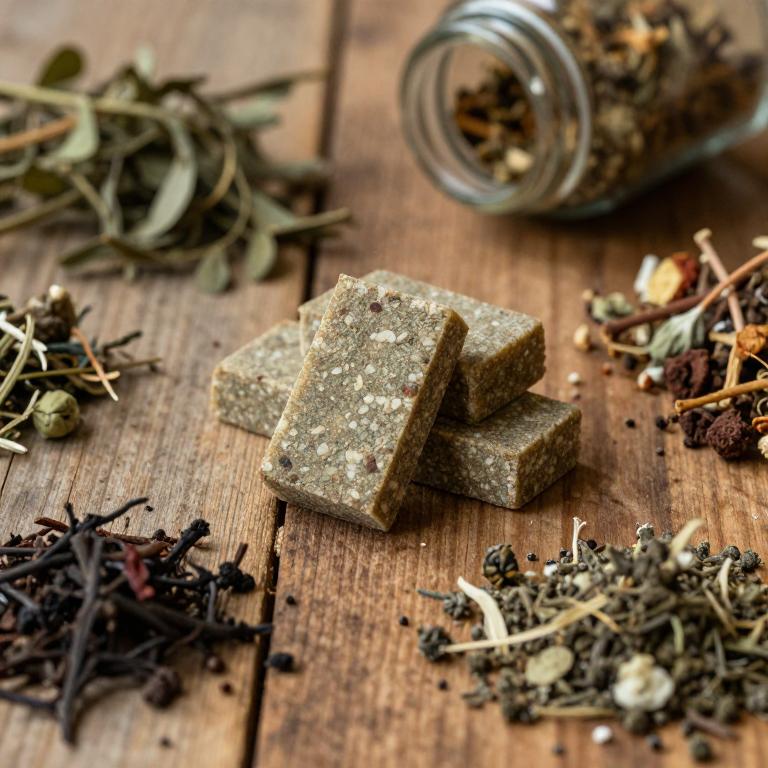
Herbal lozenges for diarrhea are natural remedies that may help soothe gastrointestinal discomfort and support digestive health.
These lozenges often contain ingredients like peppermint, licorice root, and ginger, which are known for their anti-inflammatory and antispasmodic properties. They can help reduce intestinal cramping and ease the symptoms of mild diarrhea by calming the digestive tract. While they are generally safe for most people, it is important to consult a healthcare provider before use, especially for children or individuals with chronic conditions.
Herbal lozenges are typically used as a complementary therapy and should not replace medical treatment for severe or persistent diarrhea.
Table of Contents
- 1. Ginger (Zingiber officinale)
- 2. Black pepper (Piper nigrum)
- 3. Ceylon cinnamon (Cinnamomum verum)
- 4. Fennel (Foeniculum vulgare)
- 5. Cumin (Cuminum cyminum)
- 6. Echinacea (Echinacea purpurea)
- 7. Turmeric (Curcuma longa)
- 8. Marshmallow (Althaea officinalis)
- 9. Stinging nettle (Urtica dioica)
- 10. Wormwood (Artemisia absinthium)
1. Ginger (Zingiber officinale)
Zingiber officinale, commonly known as ginger, has been traditionally used for its digestive benefits and is often incorporated into herbal lozenges to help alleviate symptoms of diarrhea.
These lozenges work by soothing the gastrointestinal tract and reducing inflammation, which can ease discomfort and promote healing. Ginger contains compounds like gingerol and shogaol that have anti-inflammatory and antimicrobial properties, which may help combat the underlying causes of diarrhea. The soothing effect of ginger can also help reduce nausea and cramping, making it a natural remedy for digestive upset.
When used as part of a holistic approach, ginger lozenges can provide relief while supporting the body's natural recovery process.
2. Black pepper (Piper nigrum)
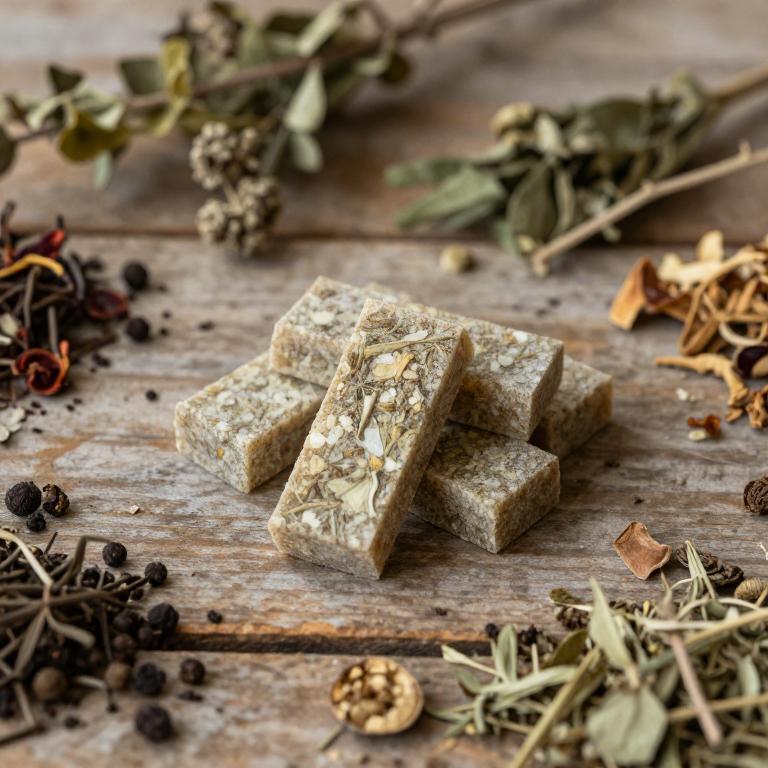
Piper nigrum, commonly known as black pepper, is a traditional herb that has been used in various medicinal practices for its potential digestive benefits.
Piper nigrum herbal lozenges are formulated to support digestive health by leveraging the active compound piperine, which may help enhance nutrient absorption and stimulate gastrointestinal function. These lozenges are often recommended for individuals experiencing mild digestive discomfort, including symptoms of diarrhea, due to their warming and anti-inflammatory properties. The use of black pepper lozenges can help soothe the digestive tract and promote a sense of comfort during episodes of gastrointestinal upset.
However, it is important to consult with a healthcare professional before using these lozenges, especially for prolonged or severe cases of diarrhea.
3. Ceylon cinnamon (Cinnamomum verum)
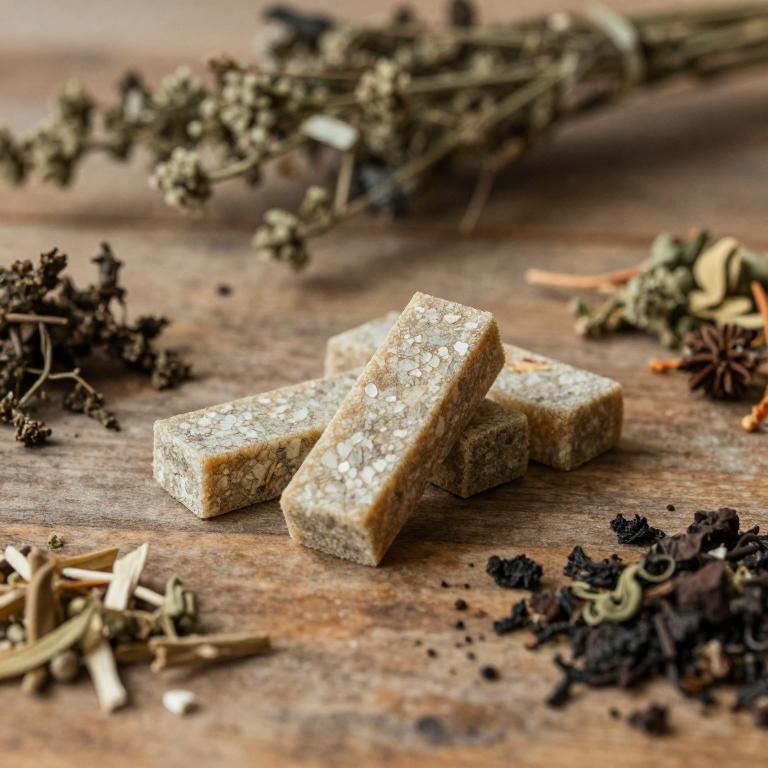
Cinnamomum verum, commonly known as true cinnamon, has been traditionally used in herbal medicine for its antimicrobial and anti-inflammatory properties.
When formulated into herbal lozenges, cinnamon can help soothe the digestive tract and may reduce the frequency of diarrhea by combating harmful bacteria and easing gastrointestinal irritation. These lozenges are often preferred for their mild flavor and ease of consumption, making them a convenient option for managing mild to moderate digestive discomfort. However, while cinnamon may offer some relief, it is not a substitute for medical treatment in cases of severe or persistent diarrhea.
It is advisable to consult a healthcare professional before using cinnamon lozenges, especially for children, pregnant women, or individuals with known allergies or health conditions.
4. Fennel (Foeniculum vulgare)
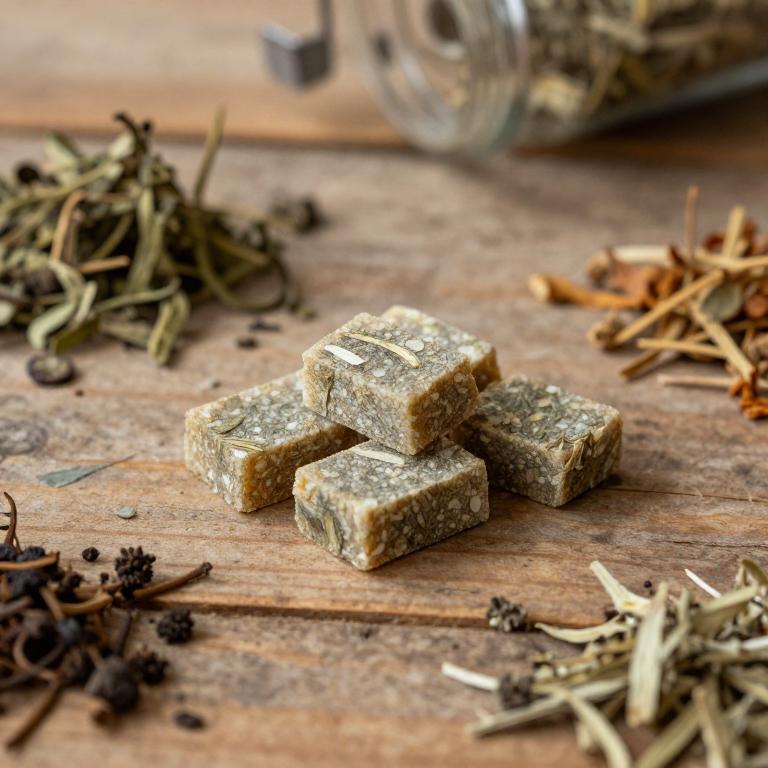
Foeniculum vulgare, commonly known as fennel, has been traditionally used in herbal medicine for its digestive benefits, including relief from diarrhea.
Fennel seeds contain compounds such as anethole and fenchone, which possess antimicrobial and anti-inflammatory properties that may help reduce intestinal irritation and improve gut motility. Herbal lozenges made from fennel are often used to soothe the digestive tract and ease symptoms of mild digestive upset. These lozenges are typically safe for most adults and can be a natural alternative to conventional over-the-counter treatments.
However, individuals with allergies to related plants or those on certain medications should consult a healthcare provider before use.
5. Cumin (Cuminum cyminum)
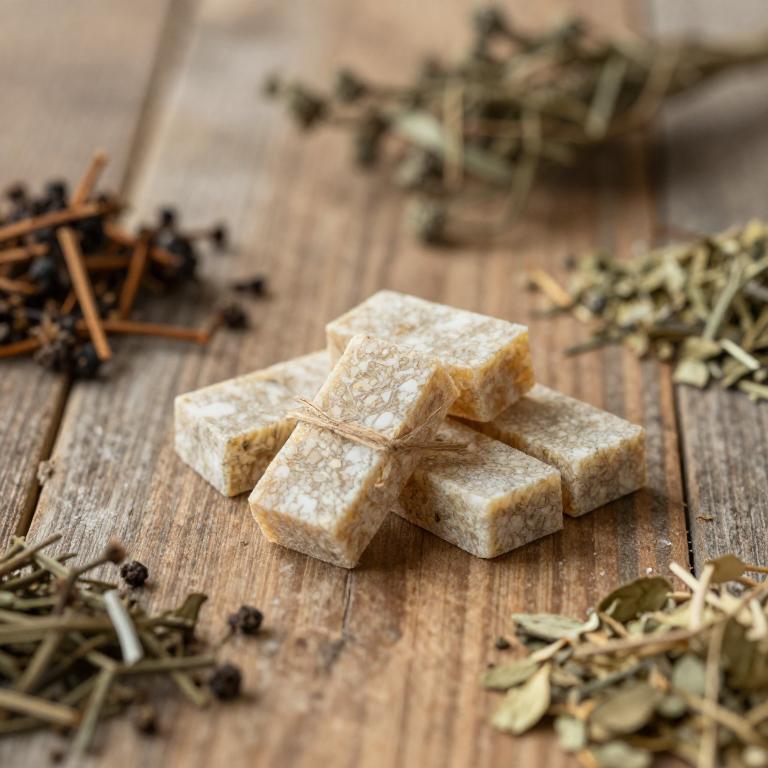
Cuminum cyminum, commonly known as cumin, has been traditionally used in herbal medicine for its digestive and anti-inflammatory properties.
Cuminum cyminum herbal lozenges are formulated to support digestive health and may help alleviate symptoms of diarrhea by promoting healthy gut function. These lozenges contain essential oils and bioactive compounds that can soothe the gastrointestinal tract and reduce intestinal inflammation. While they are not a substitute for medical treatment, they may offer natural relief for mild cases of diarrhea when used as part of a holistic approach.
It is important to consult a healthcare professional before using cumin lozenges, especially for persistent or severe symptoms.
6. Echinacea (Echinacea purpurea)
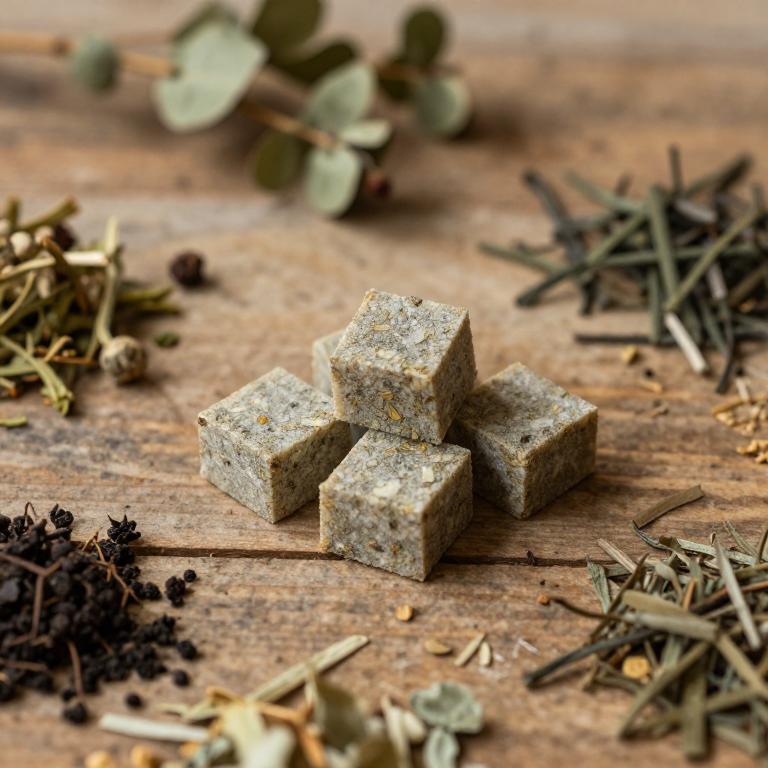
Echinacea purpurea herbal lozenges are traditionally used to support the immune system and may offer some relief for symptoms associated with gastrointestinal discomfort, including diarrhea.
While echinacea is more commonly associated with respiratory infections, some studies suggest it may have anti-inflammatory and antimicrobial properties that could help reduce intestinal irritation. These lozenges are often made from dried echinacea root or flower and are typically sweetened with natural ingredients to improve taste and ease of consumption. However, it is important to note that scientific evidence specifically linking echinacea to the treatment of diarrhea is limited, and more research is needed to confirm its efficacy in this context.
As with any herbal remedy, individuals should consult with a healthcare professional before using echinacea, especially if they have underlying health conditions or are taking other medications.
7. Turmeric (Curcuma longa)
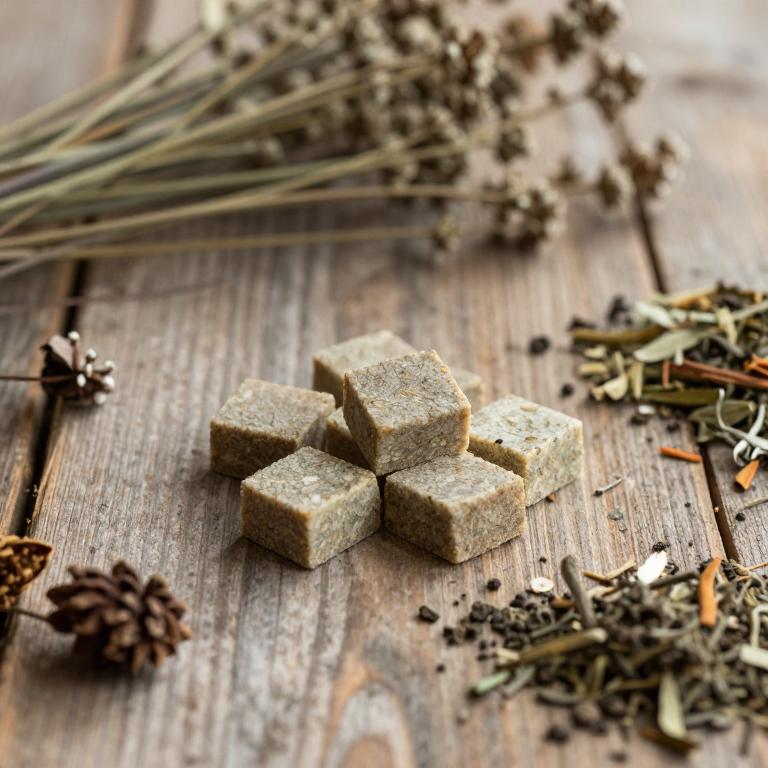
Curcuma longa, commonly known as turmeric, has been traditionally used for its anti-inflammatory and antimicrobial properties.
Curcuma longa herbal lozenges are formulated to help alleviate symptoms of diarrhea by reducing intestinal inflammation and inhibiting harmful pathogens. These lozenges contain curcumin, the active compound in turmeric, which has shown potential in supporting digestive health. They are often used as a natural alternative to conventional medications, offering a soothing effect on the gastrointestinal tract.
However, it is important to consult a healthcare professional before using them, especially for prolonged or severe cases of diarrhea.
8. Marshmallow (Althaea officinalis)
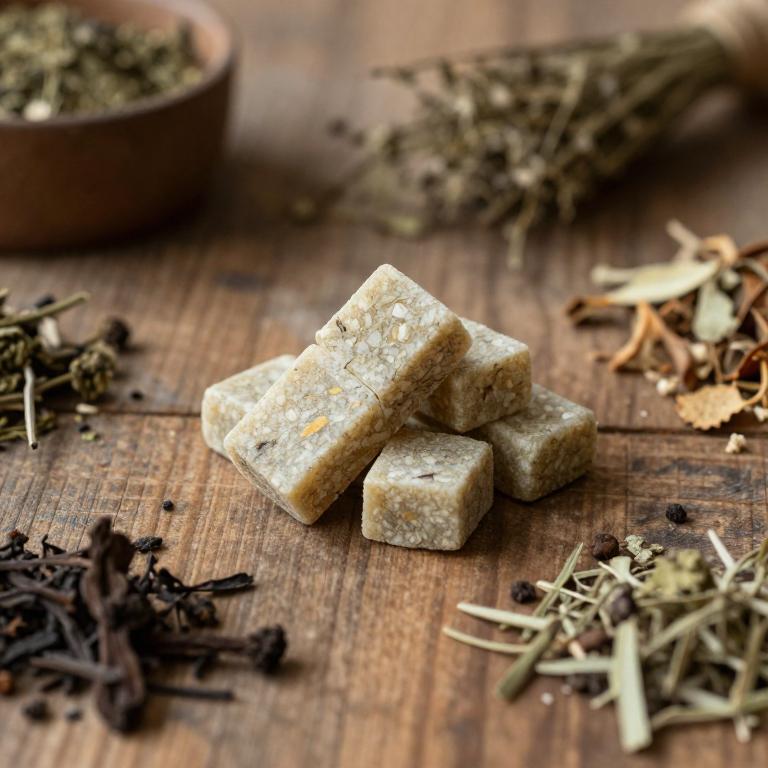
Althaea officinalis, commonly known as marshmallow, has been traditionally used in herbal medicine for its soothing properties.
Herbal lozenges made from Althaea officinalis are often used to alleviate symptoms of diarrhea due to their demulcent effects, which help to coat and protect the irritated lining of the digestive tract. These lozenges can reduce inflammation and provide a calming effect on the gastrointestinal system. While they are generally considered safe for short-term use, it is advisable to consult a healthcare professional before using them, especially for prolonged or severe cases of diarrhea.
Althaea officinalis lozenges may be a useful complementary therapy when used alongside proper hydration and dietary adjustments.
9. Stinging nettle (Urtica dioica)
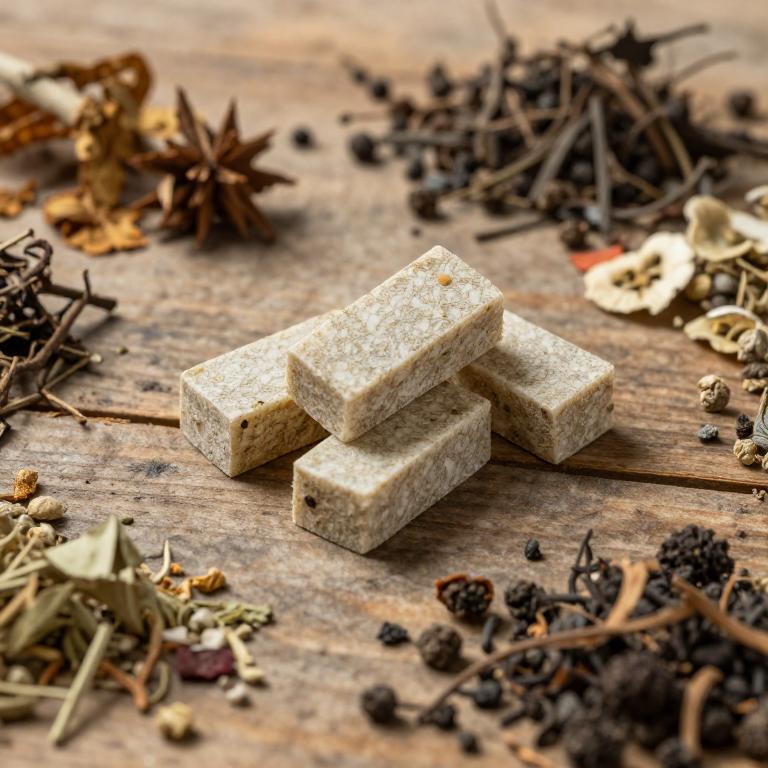
Urtica dioica, commonly known as stinging nettle, has been traditionally used in herbal medicine for its potential gastrointestinal benefits.
Urtica dioica herbal lozenges are formulated to support digestive health and may help alleviate symptoms of diarrhea by reducing intestinal inflammation and promoting healthy gut function. These lozenges are typically made from dried and processed stinging nettle leaves, which are rich in antioxidants, vitamins, and minerals. While some studies suggest that stinging nettle may have a calming effect on the digestive system, it is important to consult a healthcare professional before using these lozenges, especially for prolonged or severe cases of diarrhea.
As a complementary therapy, urtica dioica lozenges may offer natural relief for mild digestive discomfort.
10. Wormwood (Artemisia absinthium)
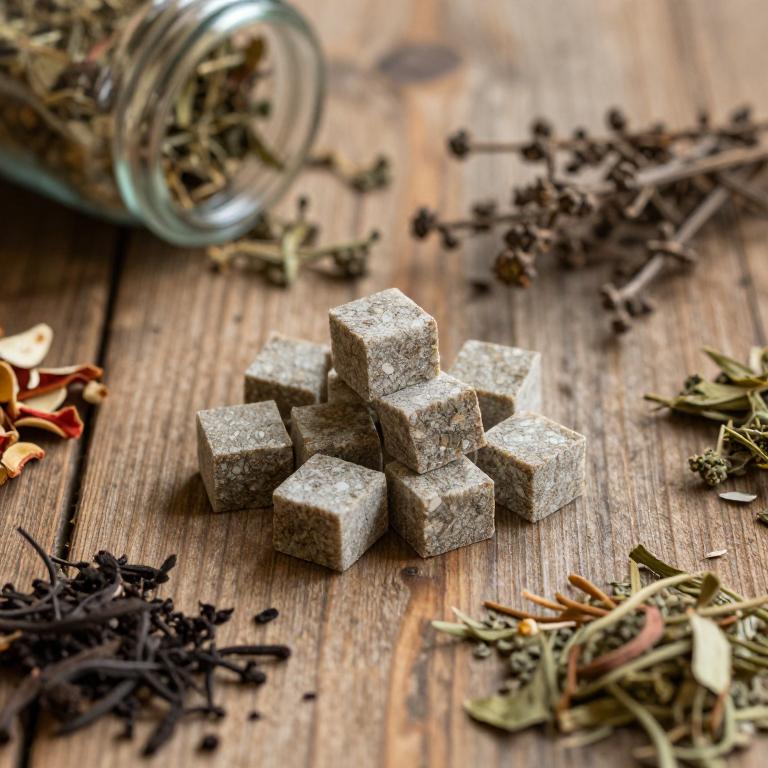
Artemisia absinthium, commonly known as wormwood, has been traditionally used in herbal medicine for its digestive properties.
Herbal lozenges made from Artemisia absinthium may help alleviate symptoms of diarrhea by promoting healthy gut function and reducing intestinal inflammation. These lozenges are often formulated with other digestive herbs to enhance their effectiveness. While they are not a substitute for medical treatment, they can serve as a natural support for mild digestive discomfort.
As with any herbal remedy, it is advisable to consult a healthcare professional before use, especially for prolonged or severe cases of diarrhea.