10 Best Herbal Juices For Diarrhea

Herbal juices can be a natural remedy for alleviating symptoms of diarrhea by soothing the digestive system and reducing inflammation.
Common herbs used in these juices include ginger, which helps settle the stomach and reduce nausea, and peppermint, which can ease intestinal spasms and promote digestion. Other beneficial herbs like chamomile and licorice root may also be included to provide additional anti-inflammatory and antispasmodic effects. However, it is important to consult a healthcare provider before using herbal juices, especially for children, pregnant women, or individuals with chronic health conditions.
While herbal juices may offer relief, they should not replace professional medical advice or treatment for severe or persistent diarrhea.
Table of Contents
- 1. Black pepper (Piper nigrum)
- 2. Fennel (Foeniculum vulgare)
- 3. Ginger (Zingiber officinale)
- 4. Peppermint (Mentha piperita)
- 5. Cumin (Cuminum cyminum)
- 6. Turmeric (Curcuma longa)
- 7. Dog rose (Rosa canina)
- 8. Aloe vera (Aloe barbadensis)
- 9. Stinging nettle (Urtica dioica)
- 10. Ceylon cinnamon (Cinnamomum verum)
1. Black pepper (Piper nigrum)
Piper nigrum, commonly known as black pepper, contains compounds like piperine that may help alleviate diarrhea by enhancing digestive enzyme activity and reducing gut inflammation.
While black pepper itself is not typically consumed as a juice, some herbal preparations combine it with other digestive herbs to create a supportive tonic for gastrointestinal health. These herbal juices often include ingredients like ginger, turmeric, and licorice root, which work synergistically to soothe the digestive tract. However, it is important to consult a healthcare provider before using such remedies, especially for persistent or severe diarrhea.
Overall, while Piper nigrum may offer some digestive benefits, it should be used as a complementary therapy rather than a substitute for medical treatment.
2. Fennel (Foeniculum vulgare)
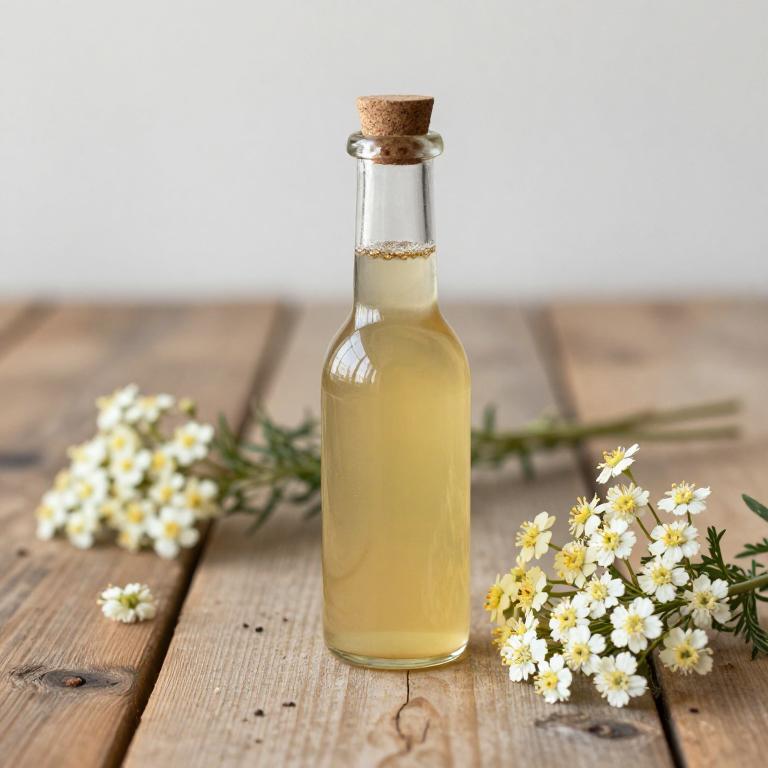
Foeniculum vulgare, commonly known as fennel, has been traditionally used in herbal medicine for its digestive benefits, including relief from diarrhea.
The essential oils found in fennel, particularly anethole, possess antispasmodic and carminative properties that can help soothe intestinal discomfort and reduce cramping. When prepared as a herbal juice, fennel can be consumed in small amounts to help regulate bowel movements and ease digestive distress. However, it is important to use fennel juice in moderation, as excessive consumption may lead to side effects such as nausea or irritation.
As with any herbal remedy, it is advisable to consult a healthcare professional before using fennel juice, especially for prolonged or severe cases of diarrhea.
3. Ginger (Zingiber officinale)
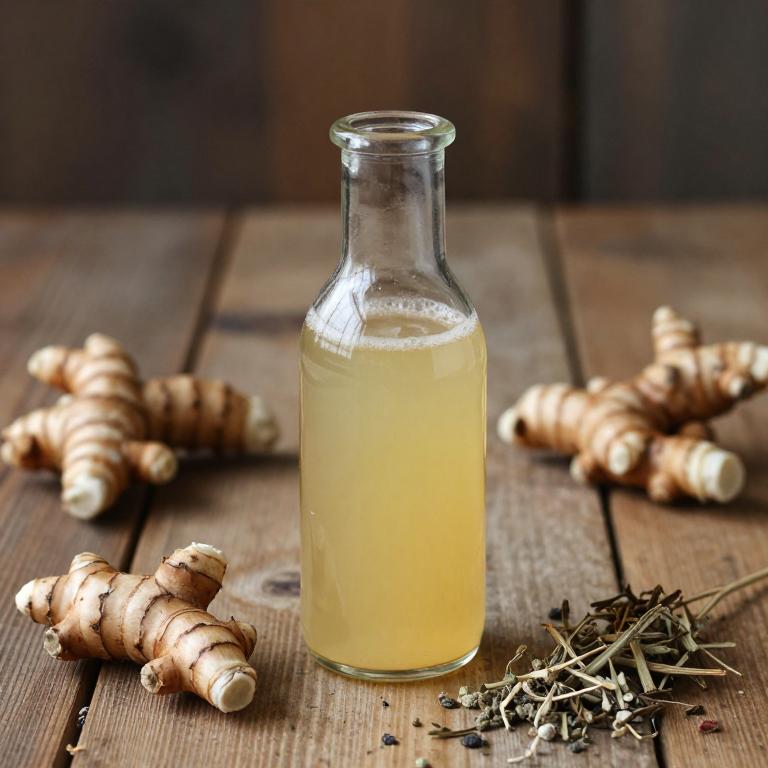
Zingiber officinale, commonly known as ginger, has been traditionally used for its digestive benefits, including the treatment of diarrhea.
Ginger contains bioactive compounds like gingerol and shogaol, which possess anti-inflammatory and antimicrobial properties that can help reduce intestinal inflammation and combat harmful pathogens. When consumed as a herbal juice, ginger can soothe the gastrointestinal tract and help regulate bowel movements. However, it is important to note that while ginger may provide relief for mild cases of diarrhea, it should not replace professional medical advice, especially in severe or persistent cases.
As with any herbal remedy, it is advisable to consult a healthcare provider before using ginger juice for digestive issues.
4. Peppermint (Mentha piperita)
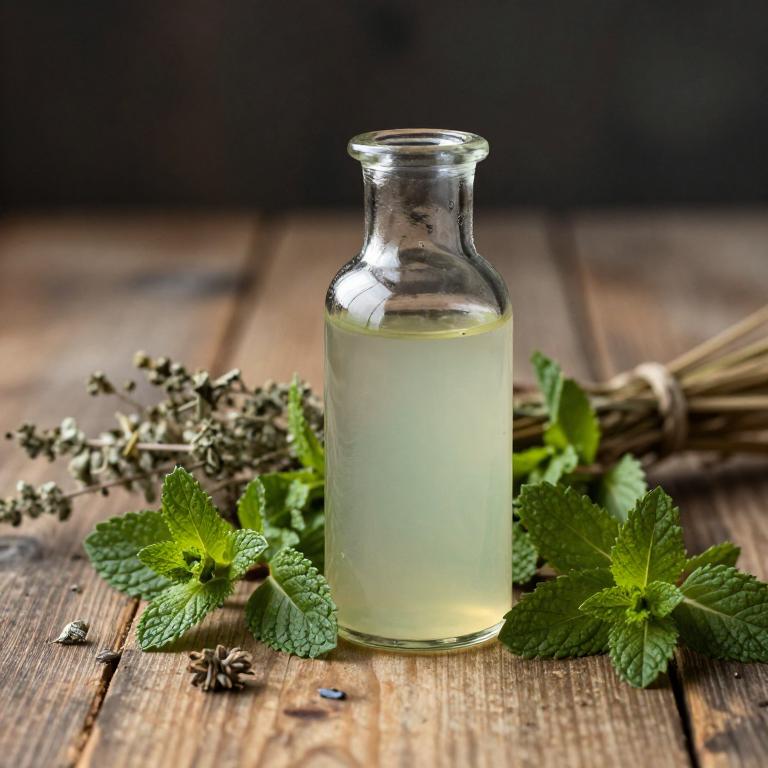
Mentha piperita, commonly known as peppermint, is often used in herbal juices to help alleviate symptoms of diarrhea due to its soothing and antispasmodic properties.
The essential oils in peppermint, particularly menthol, can help relax the muscles of the gastrointestinal tract, reducing cramping and easing digestive discomfort. Peppermint juice is typically prepared by steeping fresh or dried peppermint leaves in water or a mild vinegar solution, creating a refreshing and easily digestible beverage. It is important to note that while peppermint can provide relief, it should be used in moderation and may not be suitable for everyone, especially those with acid reflux or certain medical conditions.
Overall, peppermint herbal juice can be a natural and effective remedy for mild cases of diarrhea when consumed as part of a balanced approach to digestive health.
5. Cumin (Cuminum cyminum)

Cuminum cyminum, commonly known as cumin, has been traditionally used in herbal remedies for its digestive benefits.
When prepared as a herbal juice, cumin can help alleviate symptoms of diarrhea by stimulating the production of digestive enzymes and promoting healthy gut motility. The essential oils in cumin, such as limonene and cineole, have antimicrobial properties that may help combat harmful bacteria in the intestines. To prepare cumin juice, fresh cumin seeds are typically soaked in water and then juiced, often combined with other herbs like ginger or lemon for enhanced effectiveness.
While cumin juice can be a natural remedy for mild cases of diarrhea, it is advisable to consult a healthcare professional for more severe or persistent symptoms.
6. Turmeric (Curcuma longa)
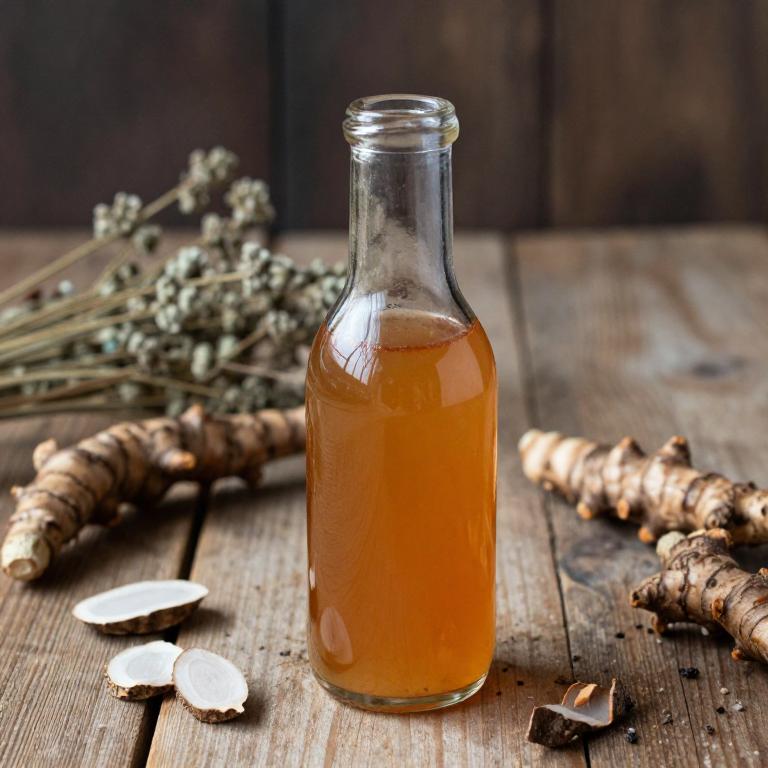
Curcuma longa, commonly known as turmeric, contains curcumin, a compound known for its anti-inflammatory and antimicrobial properties.
Herbal juices made from curcuma longa can help alleviate symptoms of diarrhea by reducing gut inflammation and inhibiting the growth of harmful bacteria. These juices are often prepared by combining turmeric with other digestive-friendly ingredients like ginger or lemon, enhancing their therapeutic effects. However, it is important to consult a healthcare professional before using turmeric juices, especially for prolonged or severe cases of diarrhea.
While turmeric may offer some relief, it should not replace medical treatment for persistent digestive issues.
7. Dog rose (Rosa canina)

Rosa canina, commonly known as rosehip, is a traditional herbal remedy that has been used for centuries to support digestive health.
Its juice, rich in vitamin C, antioxidants, and essential nutrients, can help soothe the digestive tract and reduce inflammation. For individuals experiencing diarrhea, rosehip juice may aid in replenishing lost nutrients and promoting gut healing due to its anti-inflammatory properties. However, it is important to consult a healthcare professional before using rosehip juice, especially for prolonged or severe cases of diarrhea.
While it may offer supportive benefits, it should not replace medical treatment for underlying digestive conditions.
8. Aloe vera (Aloe barbadensis)

Aloe barbadensis, commonly known as aloe vera, has been traditionally used for its soothing properties, and its juice is sometimes considered for digestive issues like diarrhea.
The gel from the aloe leaf contains mucilage, which can help reduce inflammation in the gastrointestinal tract and may promote healing. However, it is important to note that aloe juice can have laxative effects and may not be suitable for everyone, especially in high concentrations. While some studies suggest it might help alleviate symptoms of diarrhea, more research is needed to confirm its efficacy and safety.
It is advisable to consult a healthcare professional before using aloe juice for digestive problems.
9. Stinging nettle (Urtica dioica)

Urtica dioica, commonly known as stinging nettle, has been traditionally used in herbal medicine for its various health benefits, including its potential to aid in digestive health.
While there is limited scientific research specifically on urtica dioica herbal juices for diarrhea, some studies suggest that its high content of antioxidants, minerals, and anti-inflammatory compounds may support gut health. Herbal juices made from fresh or dried nettle leaves are often consumed to soothe the digestive tract and reduce inflammation, which may help alleviate symptoms of diarrhea. However, it is important to consult with a healthcare provider before using nettle juice, especially for individuals with pre-existing conditions or those taking medications.
Overall, while urtica dioica may offer some supportive benefits, it should not replace medical treatment for persistent or severe diarrhea.
10. Ceylon cinnamon (Cinnamomum verum)
Cinnamomum verum, commonly known as true cinnamon, has been traditionally used in herbal remedies for its potential digestive benefits.
The essential oils and compounds found in cinnamon, such as cinnamaldehyde and eugenol, may help reduce inflammation in the gastrointestinal tract and alleviate symptoms of diarrhea. Some studies suggest that cinnamon can regulate gut motility and enhance the absorption of fluids, which may help in managing loose stools. However, while cinnamon is generally safe in moderate amounts, excessive consumption may irritate the digestive system, so it should be used cautiously.
It is advisable to consult a healthcare professional before using cinnamon as a remedy for diarrhea, especially for individuals with underlying health conditions.