10 Best Herbal Lotions For Depression
Herbal lotions for depression are natural topical treatments that incorporate plant-based ingredients believed to support emotional well-being.
These lotions often contain calming herbs such as lavender, chamomile, and valerian root, which are known for their soothing properties. While they are not a substitute for professional mental health care, some individuals find relief from symptoms through the aromatherapy and relaxation benefits of these products. Herbal lotions can be used as part of a holistic approach to managing depression, complementing other therapies like counseling or medication.
However, it is important to consult with a healthcare provider before using any herbal remedy to ensure safety and effectiveness.
Table of Contents
- 1. St. john's wort (Hypericum perforatum)
- 2. Valerian (Valeriana officinalis)
- 3. Maypop (Passiflora incarnata)
- 4. Chaste tree (Vitex agnus-castus)
- 5. Licorice (Glycyrrhiza glabra)
- 6. Yarrow (Achillea millefolium)
- 7. Dog rose (Rosa canina)
- 8. Blessed thistle (Cnicus benedictus)
- 9. Lemon balm (Melissa officinalis)
- 10. Salvia (Salvia officinalis)
1. St. john's wort (Hypericum perforatum)
Hypericum perforatum, commonly known as St. John's Wort, is a herbal remedy traditionally used to alleviate symptoms of mild to moderate depression.
Herbal lotions containing Hypericum perforatum are formulated to deliver the plant's active compounds, such as hyperforin and hypericin, through topical application, offering a potentially gentler alternative to oral treatments. While research suggests that topical use may provide localized benefits, the primary evidence for its efficacy in treating depression comes from oral formulations. These lotions are often preferred for their natural composition and reduced risk of systemic side effects, though they should still be used under the guidance of a healthcare professional.
Overall, Hypericum perforatum herbal lotions represent a complementary approach to managing depressive symptoms, though their effectiveness can vary depending on individual response and condition severity.
2. Valerian (Valeriana officinalis)
Valeriana officinalis, commonly known as valerian, is a traditional herbal remedy often used to support mental health and alleviate symptoms of depression.
Valerian herbal lotions are formulated with extracts from the roots of the plant, which are believed to have calming and mood-stabilizing properties. These lotions may help promote relaxation and improve sleep quality, both of which are important factors in managing depressive symptoms. While they are not a substitute for professional medical treatment, valerian-based products are sometimes used as a complementary therapy under the guidance of a healthcare provider.
However, it is important to consult with a qualified practitioner before using valerian lotions, as they may interact with other medications or have side effects in certain individuals.
3. Maypop (Passiflora incarnata)
Passiflora incarnata, commonly known as passionflower, is a herbal remedy that has been traditionally used to support emotional well-being and alleviate symptoms of depression.
Its calming effects are attributed to the presence of compounds such as flavonoids and alkaloids, which may help regulate neurotransmitters like GABA in the brain. Passiflora incarnata herbal lotions are formulated to provide a soothing topical application, though they are often used in conjunction with oral supplements for comprehensive support. These lotions may help reduce anxiety and promote a sense of tranquility, making them a complementary option for individuals seeking natural approaches to managing depression.
However, it is important to consult with a healthcare professional before using these products, especially if you are taking other medications or have underlying health conditions.
4. Chaste tree (Vitex agnus-castus)
Vitex agnus-castus, commonly known as chasteberry, has been traditionally used in herbal medicine to support hormonal balance and emotional well-being.
Herbal lotions containing vitex agnus-castus are formulated to harness the plant's phytoestrogens and other bioactive compounds that may influence mood regulation. These lotions are often used as a complementary therapy for symptoms of depression, particularly in women experiencing hormonal fluctuations such as during menopause or premenstrual syndrome. While scientific evidence on their efficacy for depression is limited, some studies suggest that vitex may help reduce anxiety and improve mood by modulating neurotransmitter activity.
As with any herbal remedy, it is important to consult with a healthcare provider before use to ensure safety and appropriateness for individual health conditions.
5. Licorice (Glycyrrhiza glabra)
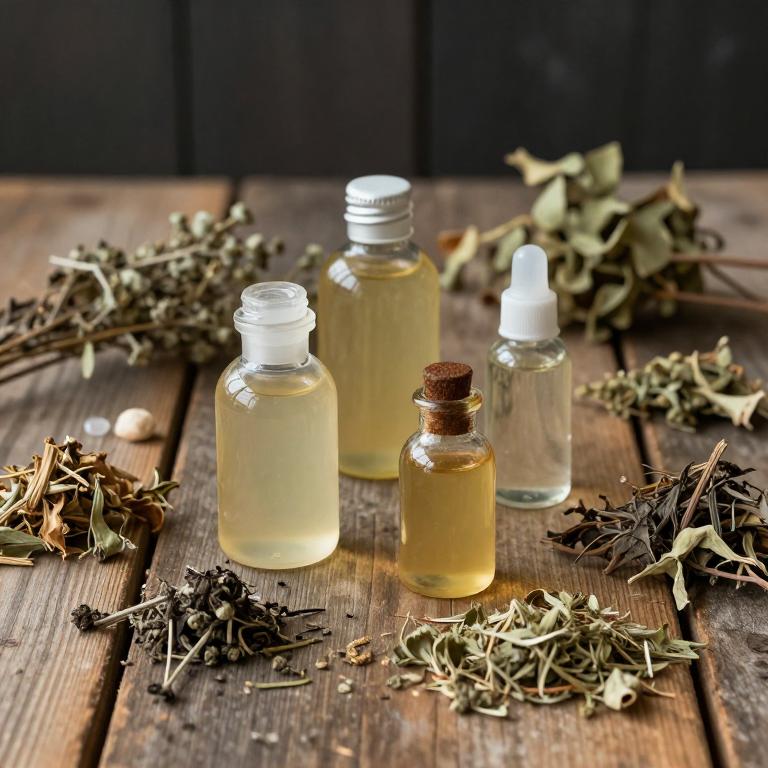
Glycyrrhiza glabra, commonly known as licorice root, has been traditionally used in herbal medicine for its potential therapeutic effects on mental health.
Herbal lotions made from glycyrrhiza glabra are believed to support emotional balance and alleviate symptoms of depression by promoting a sense of calm and reducing stress. These lotions are often infused with other calming herbs to enhance their mood-enhancing properties. While more research is needed to confirm their efficacy, some users report improved mood and reduced anxiety when using licorice-based topical treatments.
As a natural alternative, glycyrrhiza glabra herbal lotions may offer a gentle and accessible option for those seeking complementary support for depression.
6. Yarrow (Achillea millefolium)
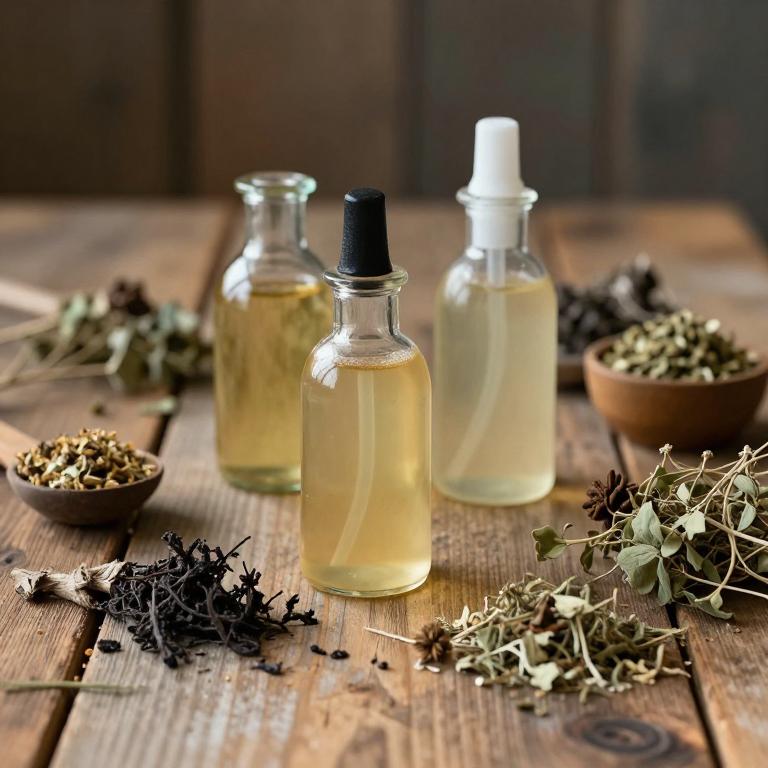
Achillea millefolium, commonly known as yarrow, has been traditionally used in herbal medicine for its potential calming and mood-enhancing properties.
While it is not a substitute for professional treatment, some studies suggest that yarrow may help alleviate symptoms of mild depression by promoting emotional balance and reducing anxiety. Herbal lotions containing Achillea millefolium are often formulated with other calming herbs like chamomile or valerian root to enhance their soothing effects. These lotions are typically applied topically to the skin, where they may provide a sense of relaxation and comfort through their aromatic and mild anti-inflammatory properties.
However, individuals considering herbal treatments for depression should consult with a healthcare provider to ensure safety and appropriateness for their specific condition.
7. Dog rose (Rosa canina)
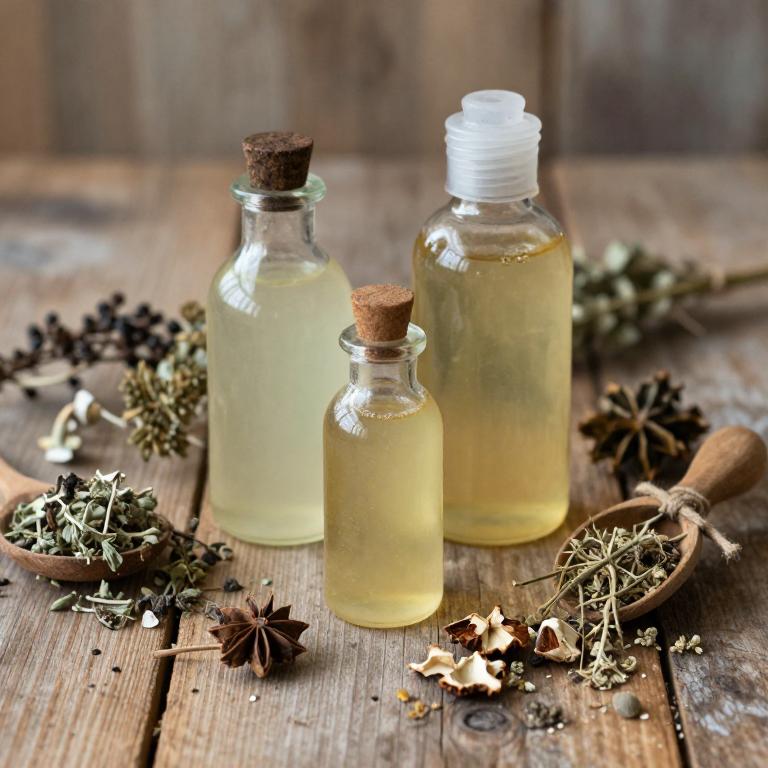
Rosa canina, commonly known as rosehip, is a traditional herbal remedy that has been used for centuries to support mental well-being.
Rosa canina herbal lotions are often formulated with the oil or extract of rosehips, which are rich in essential fatty acids, antioxidants, and vitamins that may contribute to mood regulation. These lotions are believed to help alleviate symptoms of depression by promoting skin health and, in turn, emotional balance, as the skin is often linked to emotional states. While scientific research on their direct effects on depression is limited, many users report feeling a sense of calm and improved mood after regular use.
As a complementary therapy, rosa canina herbal lotions may be used alongside conventional treatments for depression under the guidance of a healthcare professional.
8. Blessed thistle (Cnicus benedictus)

Cnicus benedictus, commonly known as blessed thorn, has been traditionally used in herbal medicine for its potential antidepressant properties.
Herbal lotions made from Cnicus benedictus are believed to support emotional balance by promoting a sense of calm and reducing symptoms of mild depression. These lotions are typically applied topically to the skin, often on the wrists or feet, to allow the plant's active compounds to be absorbed gradually. While more research is needed to fully understand its effects, some users report improved mood and reduced anxiety when using Cnicus benedictus herbal lotions.
As a complementary therapy, it may be beneficial when used alongside other treatments for depression under the guidance of a healthcare professional.
9. Lemon balm (Melissa officinalis)
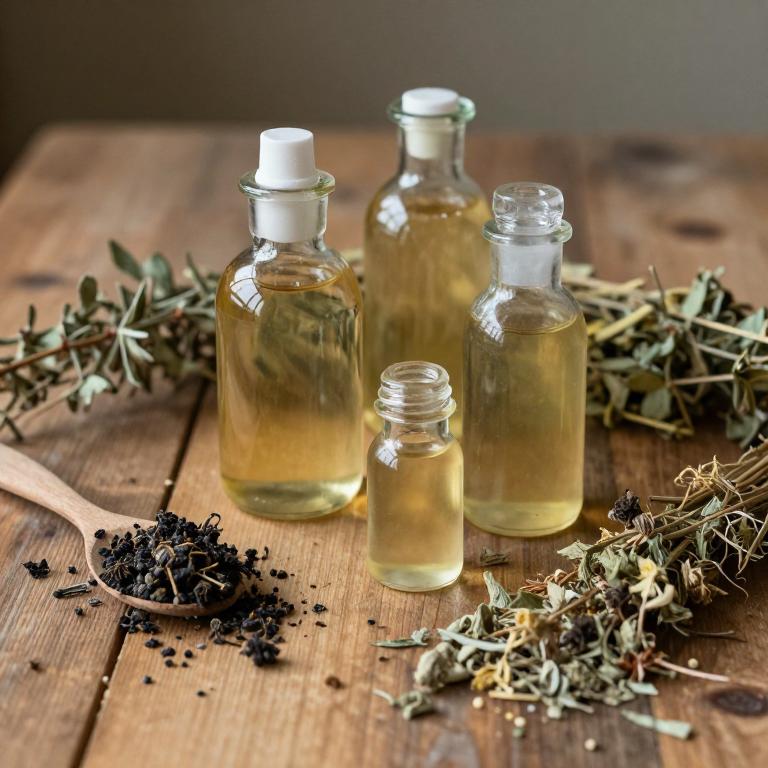
Melissa officinalis, also known as lemon balm, is a popular herb used in herbal lotions for its calming and mood-enhancing properties.
These lotions are often formulated with essential oils and extracts from the plant to promote relaxation and reduce symptoms of mild depression. The active compounds in lemon balm, such as rosmarinic acid and flavonoids, may help regulate neurotransmitters like serotonin and dopamine, which are linked to mood regulation. When applied topically, these lotions can provide a soothing effect on the skin while potentially supporting emotional well-being.
As a complementary therapy, Melissa officinalis herbal lotions may offer a natural and gentle approach to managing depressive symptoms when used alongside other conventional treatments.
10. Salvia (Salvia officinalis)
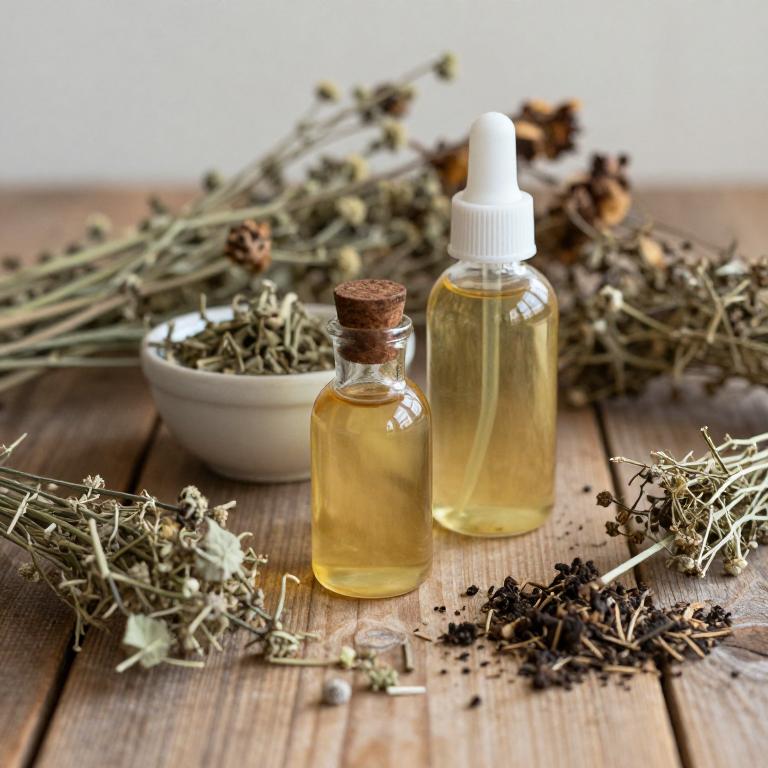
Salvia officinalis, commonly known as sage, has been traditionally used in herbal remedies for its potential mood-enhancing properties.
Recent studies suggest that sage extracts may help alleviate symptoms of depression by modulating neurotransmitter activity, particularly serotonin and dopamine. Herbal lotions containing salvia officinalis are often formulated with essential oils and plant-based ingredients to promote relaxation and emotional balance. These lotions are applied topically, allowing the active compounds to be absorbed through the skin for a calming effect.
While more research is needed, some users report improved mood and reduced stress when using sage-based herbal lotions as part of a holistic approach to mental health.